

Fulakora punctulata
- Scientific Name
- Fulakora punctulata
- Tribe
- Amblyoponini
- Subfamily
- Amblyoponinae
- Author
- Clark, 1934
- Distribution
- Found in 1 countries
Fulakora punctulata Overview
Fulakora punctulata is an ant species of the genus Fulakora. It is primarily documented in 1 countries , including Australia. Detailed taxonomic data and occurrence records can be further explored via authoritative databases such as AntWeb or the Global Biodiversity Information Facility (GBIF).
Fulakora punctulata
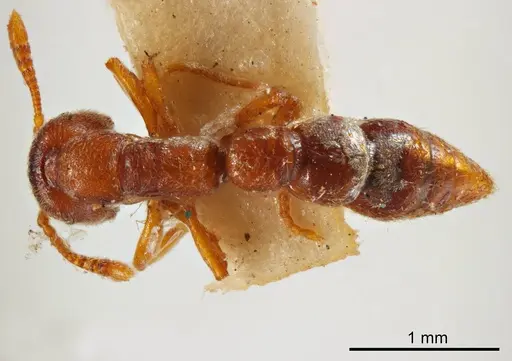
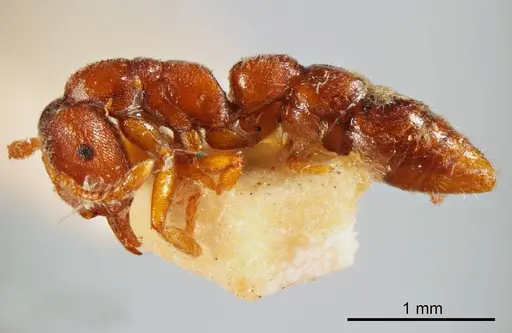
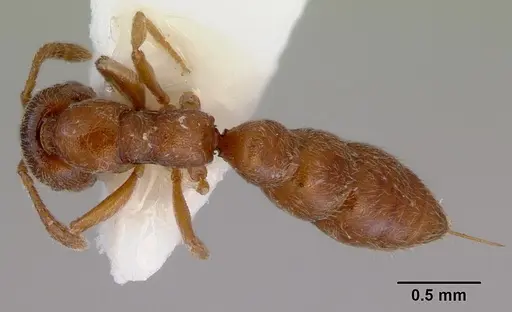
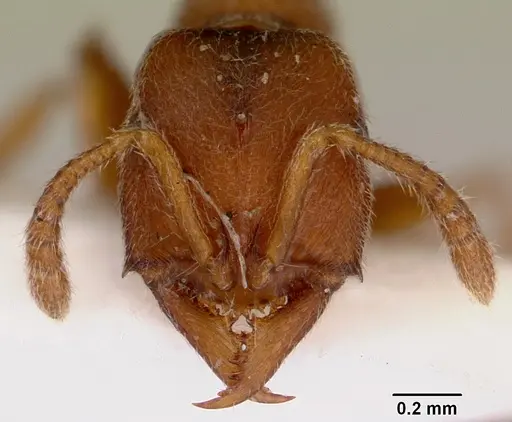
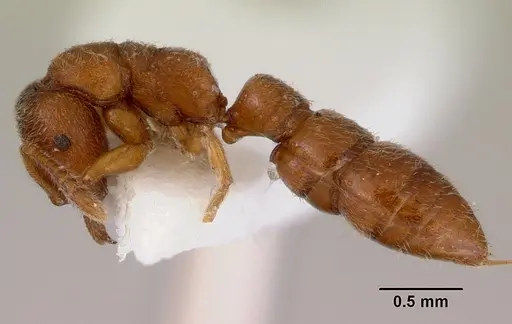
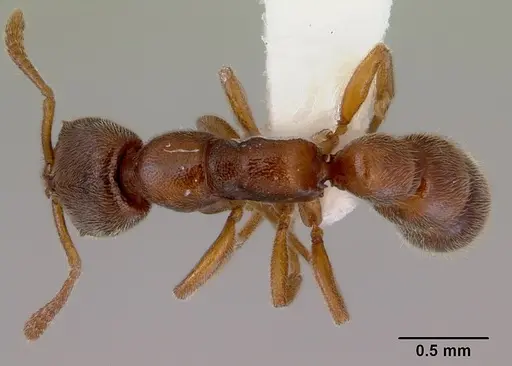
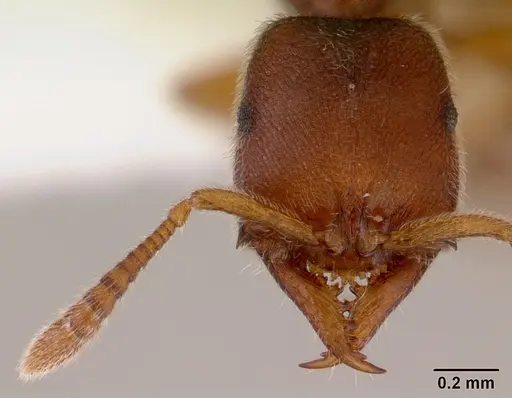
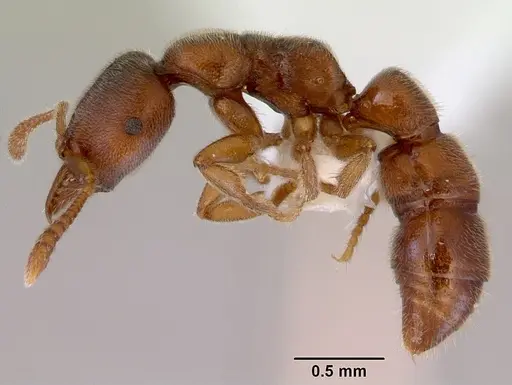
Fulakora punctulata is a small, predatory ant species native to Tasmania, Australia. Workers measure around 4-5mm with a distinctive appearance featuring large, pincer-like mandibles used for hunting small prey. The species belongs to the Amblyoponinae subfamily, commonly known as 'dracula ants' due to their unique behavior of drinking hemolymph (insect blood) from their own larvae, a protein source that supplements their diet. This species has undergone taxonomic revisions, moving through Amblyopone, Stigmatomma, and now Fulakora. Queens are ergatoid, meaning they are born wingless rather than developing wings like typical ant queens [1][2].
Quick Summary
- Difficulty: Medium
- Origin & Habitat: Tasmania, Australia, found in sclerophyll forest communities [3]. These ants live in damp forest floor environments, typically nesting in rotting wood, under stones, or in soil cavities where humidity remains consistently high.
- Colony Type: Ergatoid queen system, colonies have wingless queens (ergatoids) that can serve as replacement reproductives. The colony structure is typically single-queen (monogyne) with documented worker replacement reproductives if the queen dies [2].
- Colony: Monogyne
- Size & Growth:
- Queen: Approximately 5-6mm (ergatoid queens are similar in size to workers) [2]
- Worker: 4-5mm [2]
- Colony: Likely small to moderate, estimated 50-200 workers based on typical Amblyoponinae patterns
- Growth: Moderate, Amblyoponinae typically develop slower than many common ant genera
- Development: Estimated 8-12 weeks based on related Amblyoponinae species development patterns (Development time is temperature-dependent, cooler temperatures will slow development significantly)
- Antkeeping:
- Temperature: Keep at 18-22°C. Tasmania is temperate, so these ants prefer cooler conditions than tropical species. Avoid overheating, temperatures above 25°C may be stressful. A room-temperature setup (around 20°C) is ideal, with a slight gradient if possible.
- Humidity: High humidity is essential, aim for 70-85%. Keep the nest substrate consistently moist but not waterlogged. These forest-floor ants need damp conditions to thrive. Use a moisture reservoir in test tube setups or maintain moist substrate in naturalistic setups.
- Diapause: Yes, Tasmania experiences cold winters. Reduce temperature to 10-15°C for 2-3 months during winter. Reduce feeding and keep the colony slightly drier during this period.
- Nesting: Prefers damp, dark cavities. Test tube setups work well with a water reservoir. Naturalistic setups with rotting wood or soil chambers mimic their natural habitat. Avoid dry, airy nests.
- Behavior: These ants are primarily nocturnal and predatory, hunting small invertebrates with their powerful mandibles. They are not aggressive toward humans and rarely sting. Workers are active foragers that search for prey at night. Their escape risk is moderate, they are small but not particularly fast-moving. However, their small size means standard escape prevention (tight-fitting lids, barrier tape) should still be used.
- Common Issues: high humidity requirements mean mold can develop if ventilation is poor, balance is key, cold sensitivity, temperatures above 25°C can stress or kill colonies, slow colony growth can frustrate beginners who expect rapid development, predatory diet means they need live prey, they cannot survive on sugar alone, ergatoid queens may be harder to establish than typical claustral queens
Housing and Nest Setup
Fulakora punctulata does well in test tube setups with a water reservoir. The tube should be kept in a dark location as these ants prefer dim conditions. If using a formicarium, choose one that maintains high humidity, plaster nests with water channels or acrylic nests with moisture reservoirs work well. A naturalistic setup with damp soil and hiding spots can also be successful. The key is maintaining consistently high humidity without letting the nest become waterlogged. Place the setup in an area away from direct sunlight and drafts. [3][2]
Feeding and Diet
As predatory ants, they need live small invertebrates. Offer small prey like fruit flies, pinhead crickets, small mealworms, and other tiny arthropods. They will also consume the hemolymph from their own larvae, this is natural behavior and not a sign of illness. Sugar sources like honey or sugar water are typically not accepted as a primary food, though some keepers report occasional acceptance. Feed every 2-3 days, offering prey items that are roughly the size of the ants or smaller. Remove uneaten prey after 24 hours to prevent mold. [2]
Temperature and Seasonal Care
Keep your colony at 18-22°C, this matches their native Tasmanian climate. Room temperature is often ideal. During the Australian winter (roughly June-August in the southern hemisphere), reduce temperatures to 10-15°C for a diapause period. This means moving them to a cooler location like an unheated garage or basement. Reduce feeding during hibernation but ensure water is still available. Do not feed live prey during diapause. Return to normal temperatures gradually in spring. [3]
Colony Establishment
Establishing a colony from a found queen can be challenging. Ergatoid (wingless) queens may have different founding requirements than typical claustral queens. If you obtain a queen, keep her in a small, humid setup with access to small live prey. She may need to hunt during the founding period. Provide a small piece of damp cotton or substrate. Be patient, Amblyoponinae colonies grow slowly at first. Once workers arrive, the colony typically becomes more stable. Do not disturb the queen during the founding phase. [2]
Behavior and Defense
These ants are not aggressive and pose no danger to keepers. They use their large mandibles for hunting small prey rather than for defense. When threatened, they may flee or hide rather than attack. They are primarily nocturnal, becoming most active at night when they forage. Workers communicate using chemical trails and may form foraging columns. Their unique larval hemolymph drinking behavior is a normal part of their social biology and helps supplement their protein intake. [2]
References

This caresheet is licensed under CC BY-SA 4.0 .
Literature
Loading...Loading products...