

Fulakora papuana
- Scientific Name
- Fulakora papuana
- Tribe
- Amblyoponini
- Subfamily
- Amblyoponinae
- Author
- Taylor, 1979
- Distribution
- Found in 1 countries
Fulakora papuana Overview
Fulakora papuana is an ant species of the genus Fulakora. It is primarily documented in 1 countries , including Papua New Guinea. Detailed taxonomic data and occurrence records can be further explored via authoritative databases such as AntWeb or the Global Biodiversity Information Facility (GBIF).
Fulakora papuana
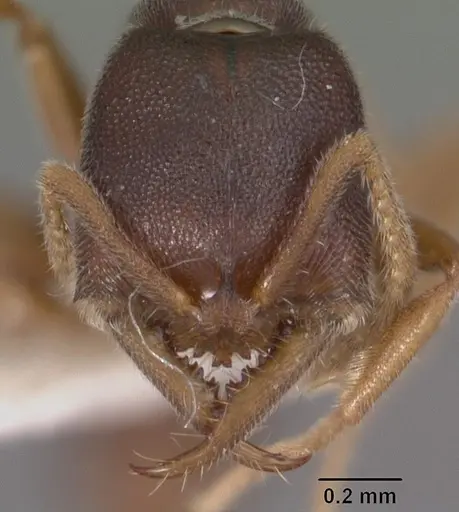
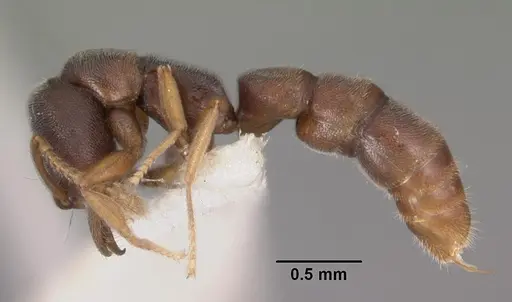
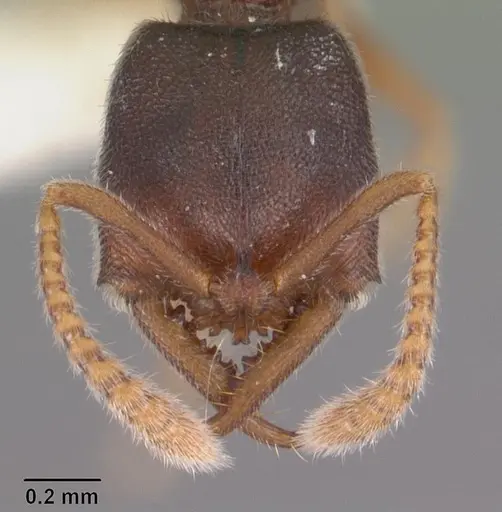
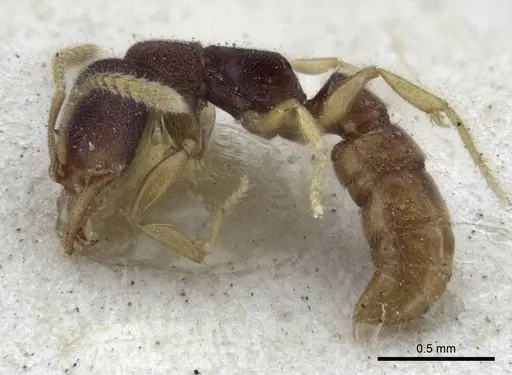
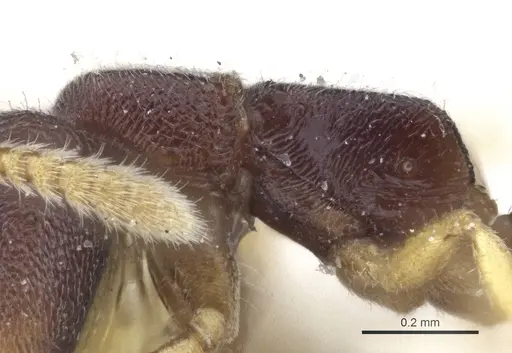
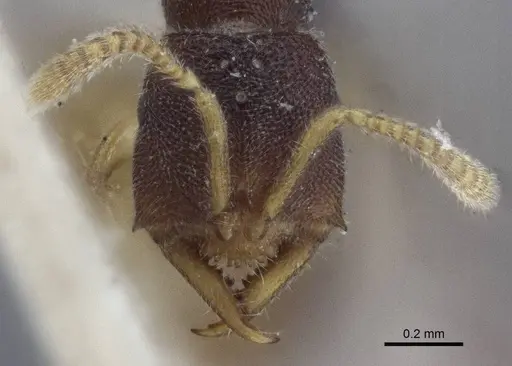
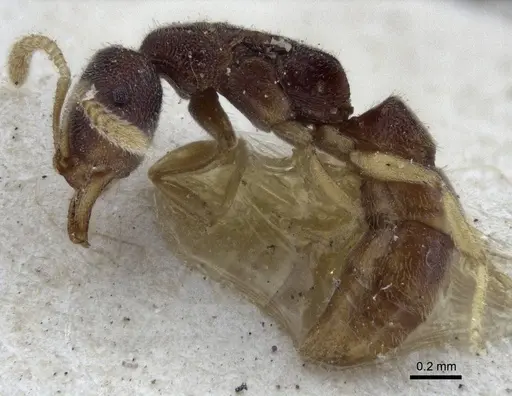
Fulakora papuana is a small predatory ant from the Amblyoponinae subfamily, formerly known as Fulakora papuana and Stigmatomma papuana before its current classification [1]. Workers have an elongate trapezoidal head that is distinctly longer than broad, with distinctive mandibles bearing teeth arranged in a specific pattern, the median two teeth are combined at the base, and the lateral two teeth are also combined at the base [2]. This species originates from Papua New Guinea, where it inhabits the tropical forest environments of the region [2]. As a member of the dracula ant group, F. papuana exhibits the characteristic Amblyoponinae feeding behavior where workers pierce the cuticle of prey insects and consume their hemolymph (the insect equivalent of blood) rather than using the typical ant trophallaxis method of sharing liquid food.
Quick Summary
- Difficulty: Medium
- Origin & Habitat: Papua New Guinea, tropical forest environment in the Morobe District and surrounding regions [2]. The species is found in the Australasian region, specifically on the island of New Guinea.
- Colony Type: Monogyne colonies (single queen) are typical for Amblyoponinae species. The colony structure involves one reproductive queen with workers that specialize in hunting and brood care.
- Colony: Monogyne
- Founding: Semi-claustral
- Size & Growth:
- Queen: Approximately 6-8mm based on related Amblyopone species [2]
- Worker: Approximately 4-6mm based on genus morphology [2]
- Colony: Likely several hundred workers based on typical Amblyoponinae colony sizes
- Growth: Moderate, Amblyoponinae develop at moderate speed compared to other ant subfamilies
- Development: Estimated 6-10 weeks at tropical temperatures based on related Amblyopone species development patterns (Development occurs faster in warm tropical conditions. First workers (nanitics) are typically smaller than mature workers.)
- Antkeeping:
- Temperature: Keep at 24-28°C, this is a tropical species requiring warm conditions similar to its native Papua New Guinea habitat [2]. A heating cable on one side of the nest can create a gentle gradient.
- Humidity: High humidity of 70-85% is essential. These forest-floor ants require consistently moist substrate. Mist or rehydrate when the substrate surface begins drying.
- Diapause: No, as a tropical species from Papua New Guinea, F. papuana does not require hibernation or winter rest. Maintain warm temperatures year-round.
- Nesting: In nature, these ants nest in soil, rotting wood, and under forest debris. In captivity, a naturalistic setup with moist substrate (soil or peat mix) works well, or a Y-tong/plaster nest with good moisture retention. Keep nesting area dark and quiet.
- Behavior: Fulakora papuana is a specialized predator. Workers hunt small invertebrates, particularly springtails and other micro-arthropods common on the forest floor. Unlike typical ants, Amblyoponinae workers kill prey by piercing the exoskeleton and drinking hemolymph rather than dismembering and carrying pieces. They are not aggressive toward humans and rarely sting. Workers are moderately active and will forage through the substrate. Escape prevention is important, while not extremely small, they can slip through small gaps. Use standard barrier methods.
- Common Issues: tropical warmth requirement means colonies can fail if temperatures drop below 22°C, specialized diet means they may reject standard ant foods, live prey is typically essential, high humidity needs can lead to mold problems if ventilation is poor, slow colony growth can frustrate beginners who overfeed or disturb the nest too often, wild-caught colonies may contain parasites that can decimate the colony in captivity
Housing and Nest Setup
Fulakora papuana does well in a naturalistic setup with moist substrate. A container filled with a soil and peat mixture (roughly 70% soil,30% peat) provides the moisture retention they need while allowing them to create tunnels. Keep the substrate consistently moist but not waterlogged, it should feel damp to the touch. Alternatively, a Y-tong (acrylic) nest or plaster nest works well if you maintain moisture through a water reservoir or regular misting. Place the nest in a dark area, as these forest-floor ants prefer dim conditions. The outworld (foraging area) should be simple and easy to clean. Escape prevention is important, ensure all connections are secure and use Fluon on tube openings if needed. [2]
Feeding and Diet
This is the most critical aspect of keeping F. papuana successfully. As dracula ants, they have a unique feeding method: workers puncture the exoskeleton of prey and drink the hemolymph inside. They do not use trophallaxis (mouth-to-mouth food sharing) like typical ants. Offer small live prey regularly, springtails are ideal and should be the primary food source. Other small live invertebrates such as fruit fly larvae, tiny beetles, and isopods may be accepted. Prey should be small enough for the ants to handle. Some keepers report that Amblyoponinae will occasionally accept protein jelly or crushed insects, but live prey is always preferred. Feed every 2-3 days, removing any uneaten prey to prevent mold.
Temperature and Seasonal Care
Maintain temperatures between 24-28°C year-round. This tropical species from Papua New Guinea does not tolerate cool conditions well. A small heating cable placed on part of the nest can help maintain optimal temperatures, but ensure there is an unheated area so ants can regulate their temperature. Do not allow temperatures to drop below 22°C for extended periods. Since this is not a species that experiences cold winters, no hibernation or diapause is required. Simply maintain consistent warmth and humidity throughout the year. Room temperature may be sufficient if your home stays in the low-to-mid 20s Celsius range. [2]
Colony Development and Growth
F. papuana colonies grow at a moderate pace. A newly mated queen will found her colony semi-claustrally, meaning she must leave the nest periodically to hunt for food to feed herself and her first brood. This is different from claustral ants that seal themselves in and survive on stored body fat. The first workers (nanitics) will be smaller than mature workers and may take 6-10 weeks to emerge at optimal temperatures. After the first workers arrive, the colony will gradually expand. Workers specialize in hunting and will patrol the substrate looking for small invertebrates. The queen stops foraging once workers are established and focuses solely on egg-laying.
Behavior and Temperament
These ants are peaceful toward keepers and rarely sting. Their defense mechanism is primarily escape, they will run when disturbed rather than attack. Workers are active foragers that search through the substrate and leaf litter for prey. Unlike many ants, they do not form large trails to food sources or recruit heavily to large prey items. Each worker hunts independently. The colony is not particularly aggressive and poses no danger to humans. Their small size and quiet demeanor make them an interesting observation species, though their specialized feeding requirements make them better suited for intermediate antkeepers who can provide consistent live prey.
Frequently Asked Questions
What do Fulakora papuana ants eat?
Fulakora papuana is a specialized predator that feeds on hemolymph (insect blood) rather than typical ant food. Offer small live prey such as springtails, fruit fly larvae, tiny beetles, and other micro-arthropods. Workers puncture the prey exoskeleton and drink the hemolymph inside.
How long does it take for Fulakora papuana to produce first workers?
Expect first workers (nanitics) to emerge in approximately 6-10 weeks at optimal tropical temperatures (24-28°C). Development is faster in warm conditions and slower if temperatures drop.
Do Fulakora papuana ants need hibernation?
No. As a tropical species from Papua New Guinea, F. papuana does not require hibernation or winter rest. Keep them warm year-round at 24-28°C.
Can I keep Fulakora papuana in a test tube setup?
Test tubes can work for founding colonies, but these ants prefer higher humidity than many species and may do better in a naturalistic setup with moist substrate. If using test tubes, ensure the water reservoir is adequate and monitor for drying.
Are Fulakora papuana ants good for beginners?
This species is rated as medium difficulty. The main challenge is providing a consistent supply of small live prey, which requires more effort than feeding typical ant diets. If you can source springtails regularly, they can be rewarding to keep.
How big do Fulakora papuana colonies get?
Colonies typically reach several hundred workers. Growth is moderate, expect a few years to reach significant colony size.
Do Fulakora papuana ants sting?
They rarely sting and are not aggressive toward humans. Their primary defense is fleeing rather than attacking.
What temperature should I keep Fulakora papuana at?
Keep them at 24-28°C. This tropical species requires warm conditions and will struggle if temperatures drop below 22°C.
When should I move Fulakora papuana to a formicarium?
Wait until the colony has at least 20-30 workers before moving to a larger setup. A naturalistic setup with moist substrate works well, or you can use a Y-tong/plaster nest.
Why are my Fulakora papuana dying?
Common causes include: temperatures too low (below 22°C), lack of live prey, substrate drying out, or mold from poor ventilation. Check all three parameters first. Also ensure you are not using ant foods they cannot consume, they need live prey.
References

This caresheet is licensed under CC BY-SA 4.0 .
CASENT0102190
View on AntWeb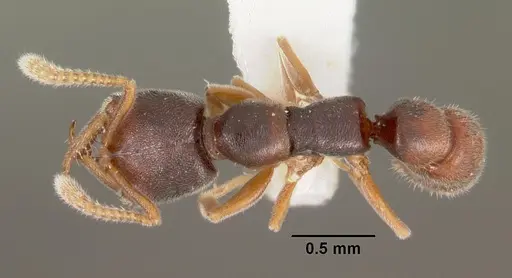
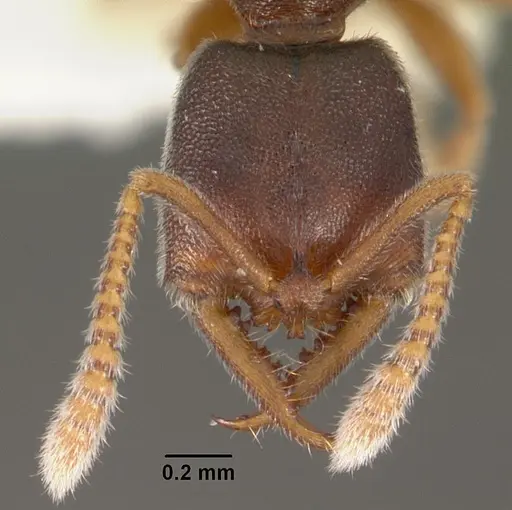
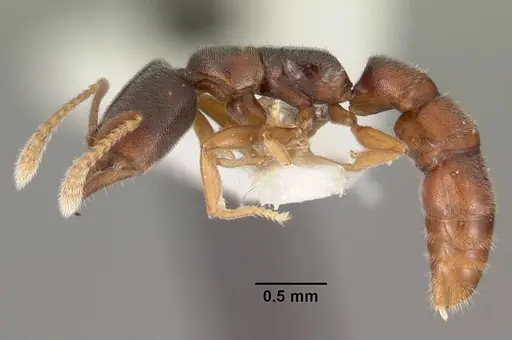
CASENT0102475
View on AntWeb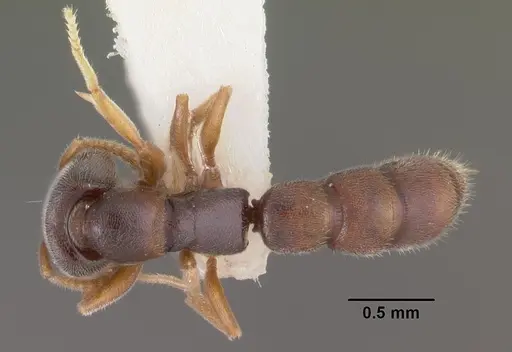
CASENT0102476
View on AntWeb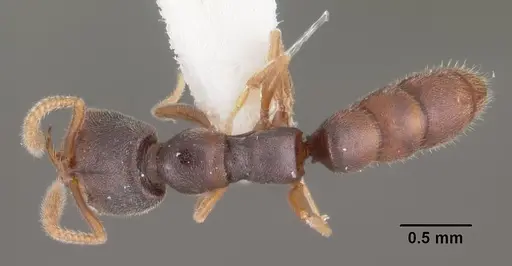
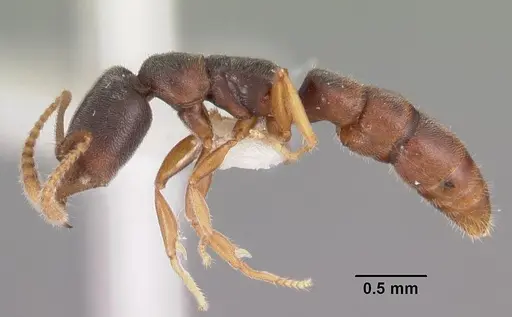
CASENT0172236
View on AntWeb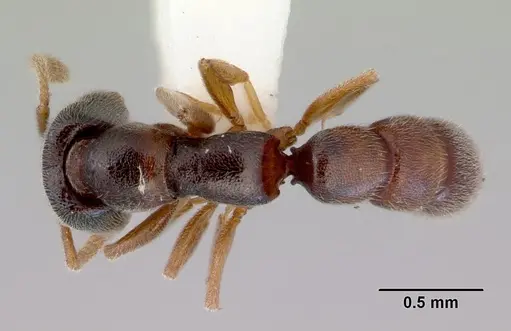
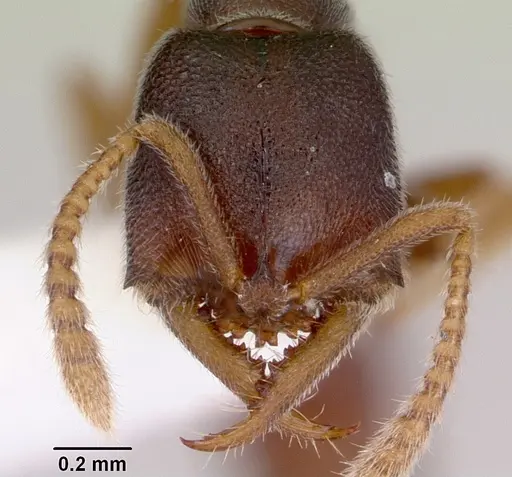
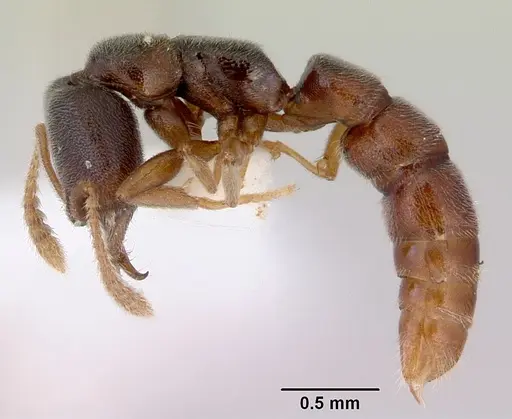
CASENT0172237
View on AntWeb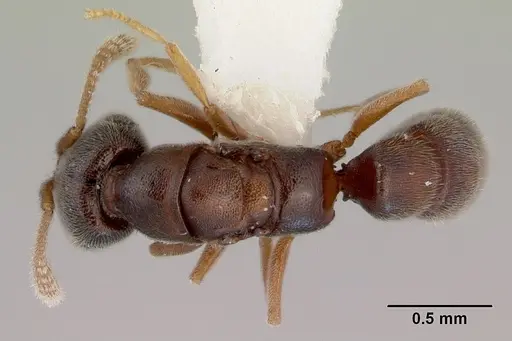
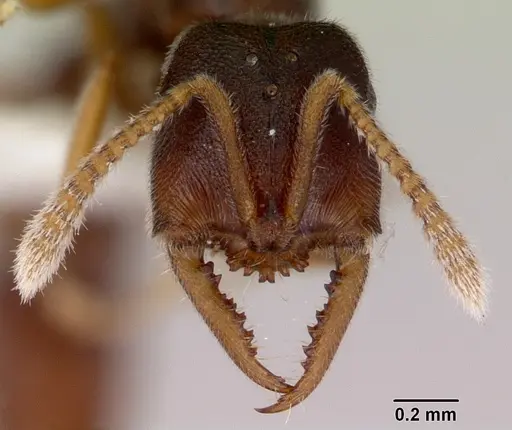
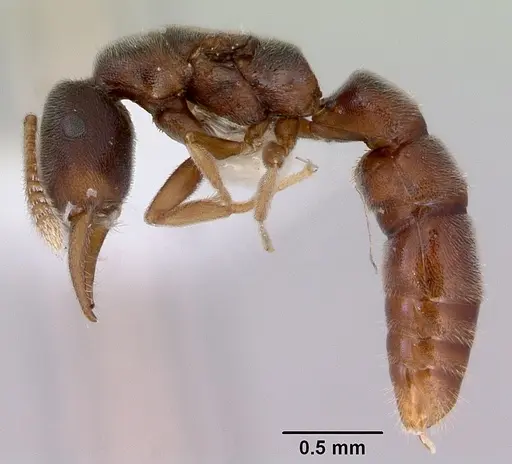
CASENT0172261
View on AntWeb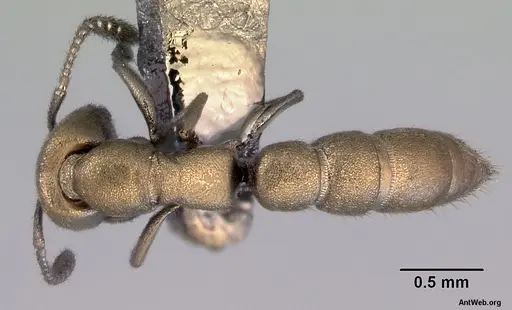
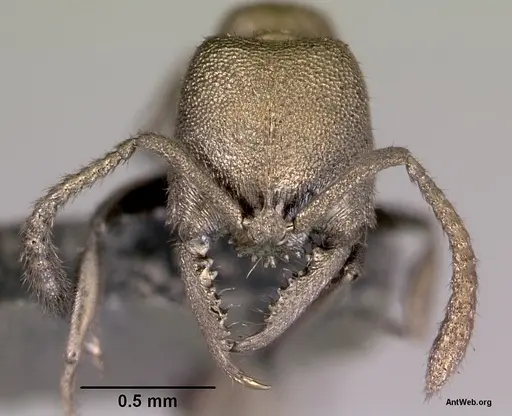
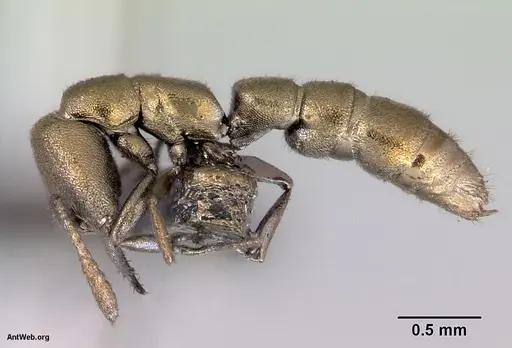
CASENT0916705
View on AntWeb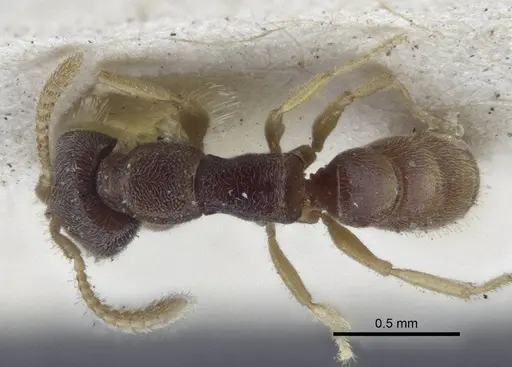
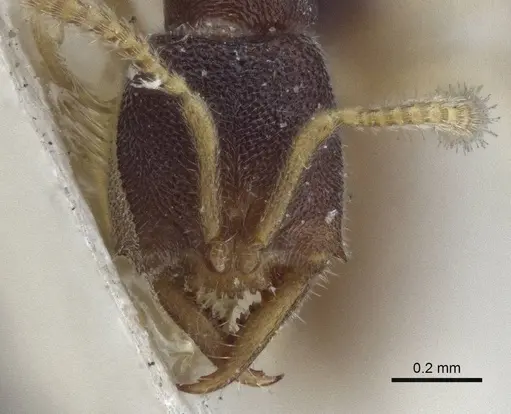
CASENT0916706
View on AntWeb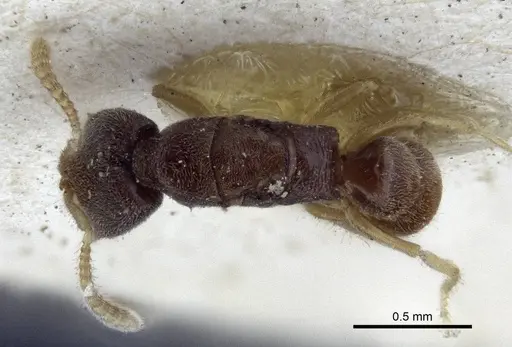
Literature
Loading...Loading products...