

Fulakora monrosi
- Scientific Name
- Fulakora monrosi
- Tribe
- Amblyoponini
- Subfamily
- Amblyoponinae
- Author
- Brown, 1960
- Distribution
- Found in 1 countries
Fulakora monrosi Overview
Fulakora monrosi is an ant species of the genus Fulakora. It is primarily documented in 1 countries , including Chile. Detailed taxonomic data and occurrence records can be further explored via authoritative databases such as AntWeb or the Global Biodiversity Information Facility (GBIF).
Fulakora monrosi
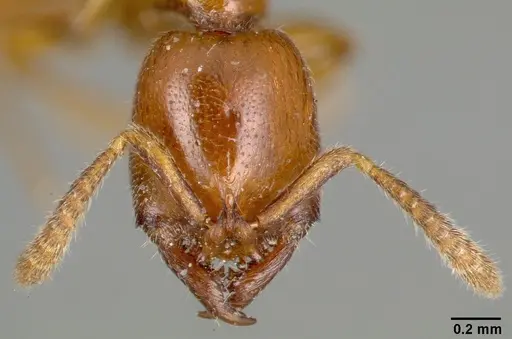
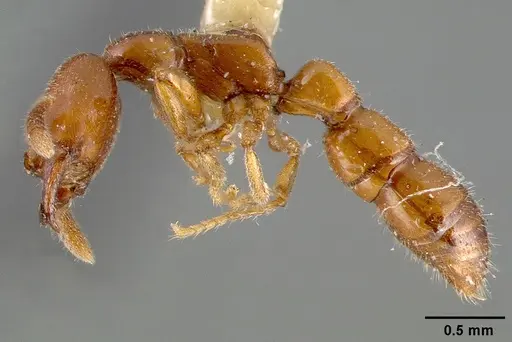
Fulakora monrosi is a small to medium-sized ant native to Chile, found in the southern Andes region near Pucon. Workers are characterized by a smooth, shiny head with scattered punctures and distinctive clypeal teeth. This species belongs to the Amblyoponinae subfamily, commonly known as 'dracula ants' due to their unique feeding behavior where they puncture the brood of other ant species to feed on hemolymph. The genus Fulakora is part of the Amblyoponini tribe and represents an evolutionarily ancient ant lineage with several primitive characteristics. These ants are rarely kept in captivity and are considered an expert-level species due to limited available care information.
Quick Summary
- Difficulty: Expert
- Origin & Habitat: Native to central-southern Chile in the Andes region near Pucon. Found in forested areas at moderate elevations. The type specimen was collected from approximately 10 miles northeast of Pucon in January 1951 [1].
- Colony Type: Colony structure is unconfirmed. Based on Amblyoponinae patterns, likely single-queen (monogyne) colonies with relatively small colony sizes.
- Size & Growth:
- Queen: Unknown, not directly measured. Estimated 5-7mm based on genus patterns for small Amblyoponinae.
- Worker: Small to medium-sized. Head width exceeds 0.70mm [2]. Body length likely 3-5mm based on related species.
- Colony: Likely small, under 200 workers based on typical Amblyoponinae colony sizes.
- Growth: Unknown, likely slow to moderate based on genus patterns.
- Development: Unknown, estimated 8-12 weeks based on related Amblyoponinae species at optimal temperature. (Development timeline is unconfirmed for this specific species. Estimates based on genus-level patterns for similar small ants.)
- Antkeeping:
- Temperature: Keep around 18-22°C. As a Chilean species from temperate forests, they prefer cooler conditions than tropical ants. Avoid overheating, they are from a temperate climate and may not tolerate high temperatures well.
- Humidity: Moderate humidity around 50-70%. These ants come from forest habitats in southern Chile where conditions are not extremely wet or dry. Keep substrate moderately moist but allow some drying between waterings.
- Diapause: Yes, as a Chilean temperate species, they likely require a winter dormancy period. Provide 2-3 months of reduced temperatures (around 10-15°C) during winter months.
- Nesting: Natural nesting habits are undocumented. Related Fulakora species typically nest in soil or under stones in forest habitats. In captivity, a naturalistic setup with soil substrate and flat stones or a Y-tong nest with narrow chambers would likely work. Provide a moisture gradient so ants can choose their preferred humidity.
- Behavior: Workers are likely predatory, hunting small invertebrates. As dracula ants, they may exhibit the characteristic behavior of puncturing other ant species' brood to feed on hemolymph. They are probably defensive and may bite when threatened. Escape risk is moderate, small ants but not among the tiniest. Use standard barrier methods. Temperament is likely moderate to high aggression when defending the colony.
- Common Issues: limited care information makes proper husbandry challenging, slow growth may lead to keeper impatience and overfeeding, predatory diet requirements may be difficult to meet in captivity, winter dormancy requirements are not well understood for this species, wild-caught colonies may have parasites or fail to adapt to captive conditions
Species Background and Identification
Fulakora monrosi was originally described as Fulakora monrosi by Brown in 1960,based on worker specimens collected from Chile. The species was later transferred to Stigmatomma and then to Fulakora following taxonomic revisions [3]. The type locality is approximately 10 miles northeast of Pucon, a town in Chile's southern Andes region. Workers can be identified by their head width exceeding 0.70mm, a straight anterior clypeal margin with a small median tooth that does not exceed the longest lateral teeth, and a cephalic dorsum that is totally or nearly smooth and shiny with some spaced punctures [2]. This is a rarely encountered species with limited documented occurrences in scientific literature.
Natural History and Ecology
The natural history of F. monrosi is poorly documented. As a member of the Amblyoponinae subfamily, these ants belong to an ancient lineage that diverged early in ant evolution. The subfamily is commonly known as 'dracula ants' due to their unique feeding behavior where workers puncture the brood of other ant species to drink hemolymph (insect blood). This behavior is considered a primitive trait. In their native Chilean habitat, they likely inhabit forest floors where they prey on small invertebrates and may exploit the brood of other ant species. The temperate climate of their range (central-southern Chile) suggests they experience distinct seasonal changes and likely have a winter dormancy period.
Housing and Nesting
Since specific nesting requirements are undocumented, base housing on what works for related Amblyoponinae species. A naturalistic setup with a soil substrate works well, use a mix of soil and sand that holds moisture but drains well. Provide flat stones or pieces of bark on the surface for nesting cover, replicating their natural under-stone nesting habitat. Alternatively, a Y-tong (acrylic) nest with narrow chambers scaled to their small size can work. Ensure the nest has a water reservoir to maintain humidity. Create a humidity gradient by moistening one end of the nest while keeping the other drier, allowing ants to self-regulate. Use a well-ventilated outworld to prevent mold buildup.
Feeding and Diet
Amblyoponinae ants are primarily predatory, and F. monrosi likely follows this pattern. Feed small live prey such as fruit flies, pinhead crickets, small mealworms, and other tiny invertebrates. The 'dracula ant' feeding behavior means they may particularly benefit from access to the brood of other ant species (frozen or fresh), you can occasionally offer small pieces of pupae from other common ant colonies. Sugar sources may be accepted occasionally but should not be a primary food. Feed protein prey 2-3 times per week, removing uneaten prey within 24 hours. A varied diet is likely important for colony health.
Temperature and Seasonal Care
As a Chilean species from temperate forests, F. monrosi prefers cooler temperatures than tropical ants. Keep the nest area at 18-22°C, avoiding temperatures above 25°C. Room temperature in most homes should be suitable. During winter (roughly November-February in the Southern Hemisphere, or year-round if you're simulating Southern Hemisphere seasons), reduce temperatures to 10-15°C for 2-3 months to provide a dormancy period. This mimics their natural seasonal cycle. If your colony remains active year-round at room temperature, a slight reduction in feeding during winter months is appropriate. Monitor colony activity, if workers become sluggish, temperatures may be too low.
Colony Establishment and Growth
Since claustral founding is likely (queen seals herself in and raises first workers alone from stored fat), provide a newly mated queen with a small test tube setup with water reservoir. The queen should be left undisturbed for 4-8 weeks until the first workers emerge. Once workers appear, begin offering small prey items. Growth is likely slow, Amblyoponinae colonies typically develop more slowly than many common ant species. Expect 6-12 months to reach 20-30 workers. Be patient and avoid overfeeding, which can lead to mold problems. Only offer more food as the colony grows. Colonies likely remain small (under 200 workers) even at maturity.
Frequently Asked Questions
How long does it take for Fulakora monrosi to produce first workers?
The exact timeline is unconfirmed, but based on related Amblyoponinae species, expect 8-12 weeks from egg to first worker at optimal temperature (around 20°C). The queen will seal herself in a claustral chamber and should not be disturbed during this founding period.
What do Fulakora monrosi ants eat?
They are predatory ants that likely hunt small invertebrates. Feed small live prey such as fruit flies, tiny crickets, small mealworms, and other micro-arthropods. As dracula ants, they may also accept the brood/pupae of other ant species. Sugar sources may be occasionally accepted but are not a primary food source.
Do Fulakora monrosi ants sting?
Most Amblyoponinae ants can sting, though their small size means the sting may not penetrate human skin effectively. They are likely defensive and may bite when threatened. Handle with care and use proper escape prevention.
Can I keep Fulakora monrosi in a test tube setup?
Yes, test tubes work well for founding colonies. Use a small test tube with a water reservoir and cotton plug. Once the colony reaches 20-30 workers, consider moving to a naturalistic setup or Y-tong nest with soil chamber.
Do Fulakora monrosi need hibernation?
Yes, as a Chilean temperate species, they likely require a winter dormancy period. Provide 2-3 months of reduced temperatures around 10-15°C during winter. This can be achieved by moving the colony to a cooler location or using a thermoelectric cooler.
How big do Fulakora monrosi colonies get?
Colony size is unconfirmed but likely remains small, probably under 200 workers at maturity. This is typical for Amblyoponinae species, which tend to form smaller colonies than many other ant subfamilies.
Is Fulakora monrosi good for beginners?
No, this species is not recommended for beginners. Care information is extremely limited, and they have specific requirements (predatory diet, temperate climate, potential hibernation needs) that make them challenging. Start with more documented species like Lasius, Camponotus, or Messor.
What temperature should I keep Fulakora monrosi at?
Keep nest temperatures between 18-22°C. They prefer cooler conditions than tropical ants and may not tolerate temperatures above 25°C. Room temperature in most homes should be suitable.
Where is Fulakora monrosi found in the wild?
This species is native to central-southern Chile, specifically the Andes region near Pucon. They inhabit forested areas at moderate elevations in the Chilean temperate forest zone.
References

This caresheet is licensed under CC BY-SA 4.0 .
CASTYPE06893
View on AntWeb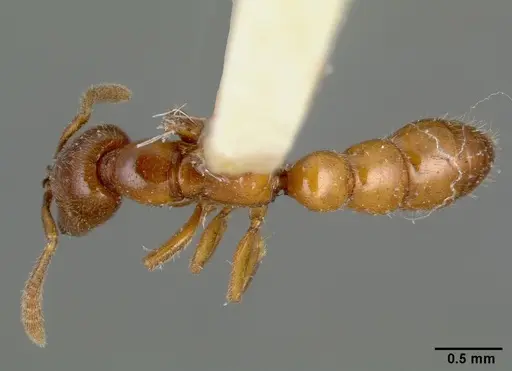
Literature
Loading...Loading products...