

Fulakora lucida
- Scientific Name
- Fulakora lucida
- Tribe
- Amblyoponini
- Subfamily
- Amblyoponinae
- Author
- Clark, 1934
- Distribution
- Found in 1 countries
Fulakora lucida Overview
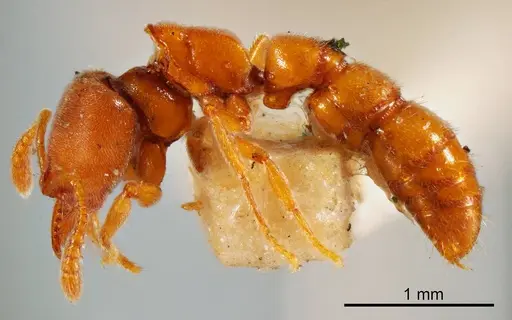
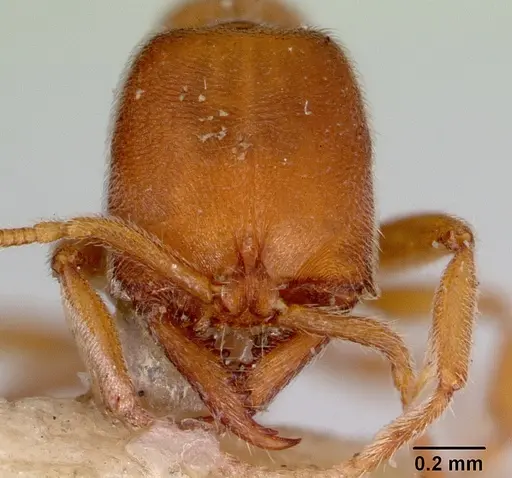
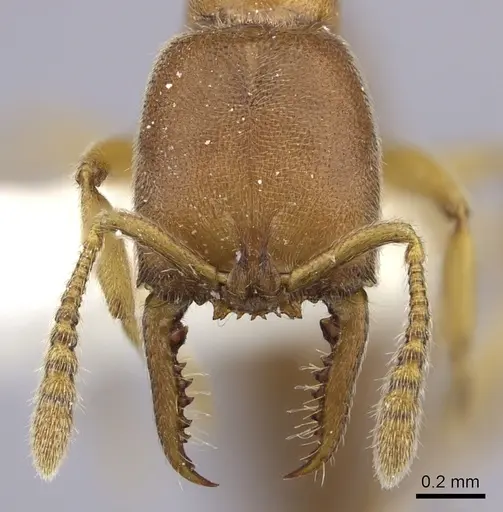
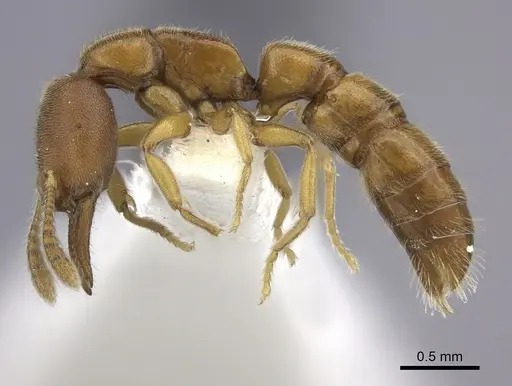
Fulakora lucida is an ant species of the genus Fulakora. It is primarily documented in 1 countries , including Australia. Detailed taxonomic data and occurrence records can be further explored via authoritative databases such as AntWeb or the Global Biodiversity Information Facility (GBIF).
Fulakora lucida
Fulakora lucida is a small predatory ant species native to southeastern Australia, specifically the Australian Capital Territory region. Workers are slender ants with the characteristic elongated mandibles typical of the Amblyoponinae subfamily. These ants belong to the 'dracula ant' group, known for their unique feeding behavior where they puncture the integument of larvae and feed on hemolymph. The genus Fulakora was recently separated from Stigmatomma, and this species remains poorly studied in the scientific literature. In the wild, they likely nest in soil or under stones in temperate Australian habitats. Colonies are relatively small compared to many common ant species, and they exhibit interesting social behaviors including potential ergatoid (worker-like) queen forms in some related species. Their specialized predatory lifestyle and unusual colony structure make them an intriguing species for experienced antkeepers interested in atypical ant biology.
Quick Summary
- Difficulty: Expert
- Origin & Habitat: Southeastern Australia, primarily the Australian Capital Territory region. They inhabit temperate woodland and grassland areas where they nest in soil or under stones [1].
- Colony Type: Colony structure is not well documented. Many Amblyoponinae species exhibit unusual queen morphologies including ergatoid forms. Based on related species, likely single-queen colonies with potential ergatoid replacement reproductives.
- Founding: Semi-claustral
- Size & Growth:
- Queen: Estimated 5-7mm based on genus patterns
- Worker: Estimated 4-6mm based on genus patterns
- Colony: Likely small colonies of 50-200 workers based on typical Amblyoponinae patterns
- Growth: Moderate, inferred from related species
- Development: Estimated 6-10 weeks based on typical Amblyoponinae development at warm temperatures (Development timeline is not directly studied for this species. Estimates based on genus-level patterns.)
- Antkeeping:
- Temperature: Keep at 22-26°C. Australian temperate species can tolerate slightly cooler conditions but grow best in the warm range. Use a heating cable on one side of the nest to create a gentle gradient.
- Humidity: Maintain moderate humidity. Keep the nest substrate moist but not waterlogged, these are not wetland ants. A damp substrate that doesn't dry out completely works well.
- Diapause: Likely not required or minimal. As an Australian temperate species, they may experience cooler winter conditions but indoor colonies probably don't need formal hibernation. Keep at room temperature year-round.
- Nesting: Natural nesting is in soil or under stones. In captivity, a naturalistic setup with soil substrate or a Y-tong/plaster nest with moisture chambers works well. They prefer tight, enclosed spaces.
- Behavior: These are predatory ants with specialized hunting behaviors. Workers are active foragers that hunt small invertebrates. They have elongated mandibles adapted for grasping prey. Unlike many ants, Amblyoponinae practice 'larval hemolymph feeding', workers wound larvae and drink their blood. This unusual behavior is a defining trait of the subfamily. Workers are not particularly aggressive toward keepers but will defend the nest. Escape risk is moderate, use standard barrier methods.
- Common Issues: specialized diet requirements, they need live prey and may not accept commercial ant foods, small colony size means slower growth and less margin for error, escapes are possible due to small size, use fine mesh barriers, limited availability makes this a species for dedicated collectors, predatory nature means they need a constant supply of small live insects
Housing and Nest Setup
Fulakora lucida can be kept in various setups, but a naturalistic approach often works best for this species. Use a terracotta-style formicarium with soil substrate, or a Y-tong nest with moist chambers. The key is providing tight, enclosed spaces that mimic their natural underground nests. A test tube setup can work for founding colonies, but monitor humidity carefully, these ants need moisture but not saturation. Foraging areas should be simple and easy to keep clean. Because they are small, ensure all connections between nest and outworld are secure. Escape prevention should be moderate, they are not extreme escape artists but small enough to slip through loose connections.
Feeding and Diet
As predatory ants, Fulakora lucida requires a protein-rich diet of small live invertebrates. Offer small prey items like fruit flies, pinhead crickets, small mealworms, and other appropriately-sized insects. Unlike many ants, Amblyoponinae practice a unique behavior called larval hemolymph feeding, workers will wound larvae (their own or from other colonies in some species) and drink the hemolymph. In captivity, ensure a constant supply of small live prey is available. Some colonies may accept pre-killed prey, but live prey triggers natural hunting behaviors. Sugar sources are not typically important for this predatory species, though a small amount of honeydew or sugar water may be occasionally accepted. Feed every 2-3 days, adjusting based on colony size and consumption.
Temperature and Seasonal Care
Maintain temperatures in the 22-26°C range for optimal colony development. Australian temperate species can tolerate brief periods outside this range, but consistent warmth promotes growth and brood development. A heating cable placed on part of the nest creates a thermal gradient that allows ants to self-regulate. Room temperature (around 20-22°C) is acceptable but may slow growth. Winter care is straightforward, no formal hibernation is required for this species since Australia's temperate regions don't have harsh winters. Simply maintain normal room temperature year-round. Avoid temperatures below 15°C for extended periods.
Behavior and Colony Dynamics
Fulakora lucida exhibits the fascinating behaviors characteristic of Amblyoponinae. Workers are active hunters that forage individually for small invertebrates. The elongated mandibles are specialized for grasping and subduing prey. A particularly unusual trait is larval hemolymph feeding, workers will gently wound larvae (sometimes their own, sometimes from other colonies in related species) and drink the hemolymph that oozes out. This 'vampiric' behavior gives the subfamily its common name 'dracula ants.' Colony sizes remain relatively small throughout their lifecycle. Workers are not particularly aggressive but will readily defend the nest if threatened. The colony structure may include ergatoid (worker-like) queens in some related species, which serve as replacement reproductives if the primary queen dies.
Growth and Development
Colony growth is moderate rather than explosive. A newly founded colony may take several months to produce its first workers (nanitics), and reaching maturity (50-200 workers) may take a year or more. The development timeline from egg to worker is estimated at 6-10 weeks based on related Amblyoponinae species, though this has not been directly studied for F. lucida. Brood development depends heavily on temperature, warmer conditions within the acceptable range speed development. First workers (nanitics) are typically smaller than mature workers. Colonies remain relatively small compared to many common ant species, which is typical for the subfamily. Patience is essential with this species, rapid growth should not be expected.
Frequently Asked Questions
How long does it take for Fulakora lucida to produce first workers?
Expect first workers (nanitics) around 6-10 weeks after the queen lays eggs, based on typical Amblyoponinae development patterns. This timeline depends heavily on temperature, warmer conditions within the 22-26°C range speed development.
What do Fulakora lucida ants eat?
They are predatory ants that need live small invertebrates. Offer fruit flies, small mealworms, pinhead crickets, and similar appropriately-sized live prey. They are specialized predators and may not accept commercial ant foods or sugar sources.
Are Fulakora lucida ants good for beginners?
No, this is an expert-level species. They have specialized dietary requirements (need constant live prey), slow growth, small colony sizes, and limited availability. They are best suited for experienced antkeepers interested in unusual ant biology.
Do Fulakora lucida ants need hibernation?
No formal hibernation is required. As an Australian temperate species, they can be kept at room temperature year-round. Avoid temperatures below 15°C for extended periods.
How big do Fulakora lucida colonies get?
Colonies remain relatively small, likely reaching 50-200 workers at maturity. This is typical for Amblyoponinae species, which do not form the large colonies seen in many other ant subfamilies.
Do Fulakora lucida ants sting?
They can sting, but being small ants, the sting is not significant to humans. Their main defense is biting with their elongated mandibles rather than stinging.
What temperature do Fulakora lucida ants need?
Keep them at 22-26°C. A heating cable on part of the nest creates a gradient. Room temperature (20-22°C) is acceptable but may slow growth.
Can I keep multiple Fulakora lucida queens together?
Colony structure is not well documented for this species. Combining unrelated queens is not recommended since it has not been studied. Many Amblyoponinae have single-queen colonies.
Why are they called dracula ants?
Amblyoponinae (including Fulakora) are called dracula ants because of their unique larval hemolymph feeding behavior. Workers wound larvae and drink their blood (hemolymph), similar to how vampires feed.
What type of nest should I use for Fulakora lucida?
A naturalistic setup with soil substrate or a Y-tong/plaster nest with moisture chambers works well. They prefer tight, enclosed spaces. Test tubes can work for founding colonies but monitor humidity carefully.
Is Fulakora lucida available in the antkeeping hobby?
This species is rarely available in the hobby due to limited distribution and lack of documented captive breeding. It is a species for dedicated collectors rather than casual antkeepers.
References

This caresheet is licensed under CC BY-SA 4.0 .
ANTWEB1008135
View on AntWeb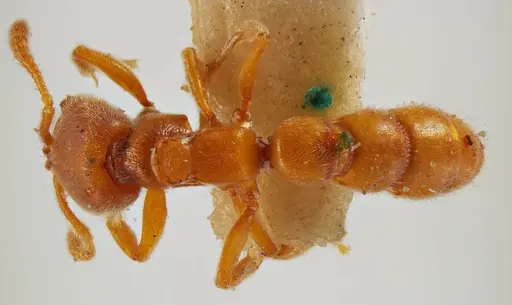
CASENT0172215
View on AntWeb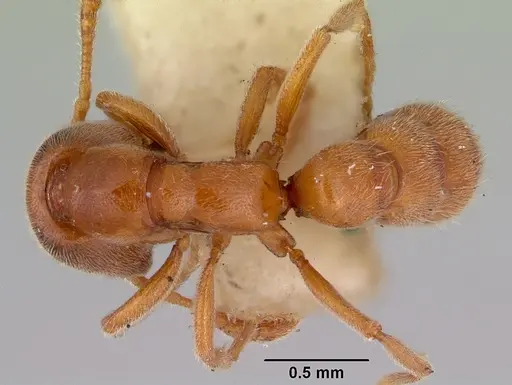
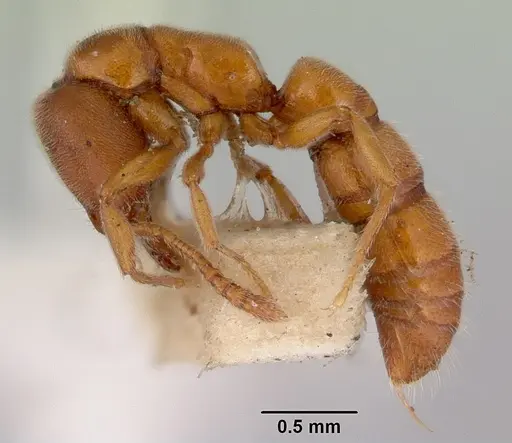
CASENT0172216
View on AntWeb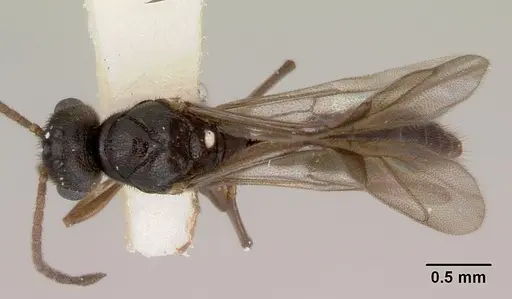
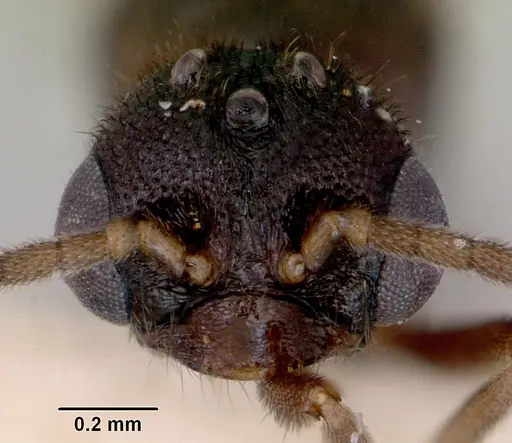
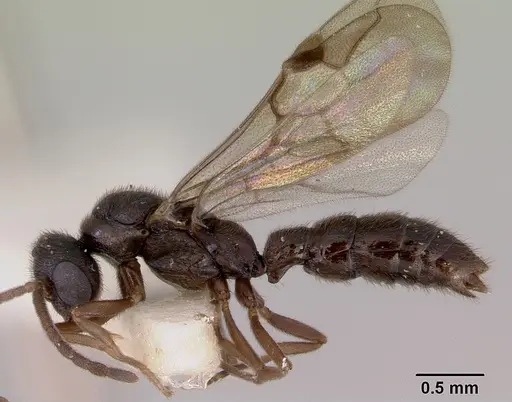
CASENT0260449
View on AntWeb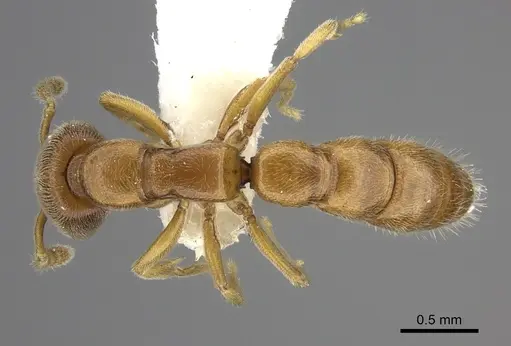
Literature
Loading...Loading products...