

Fulakora gnoma
- Scientific Name
- Fulakora gnoma
- Tribe
- Amblyoponini
- Subfamily
- Amblyoponinae
- Author
- Taylor, 1979
- Distribution
- Found in 1 countries
Fulakora gnoma Overview
Fulakora gnoma is an ant species of the genus Fulakora. It is primarily documented in 1 countries , including Solomon Islands. Detailed taxonomic data and occurrence records can be further explored via authoritative databases such as AntWeb or the Global Biodiversity Information Facility (GBIF).
Fulakora gnoma
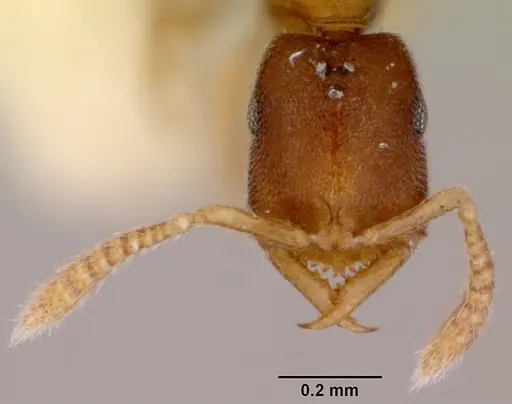
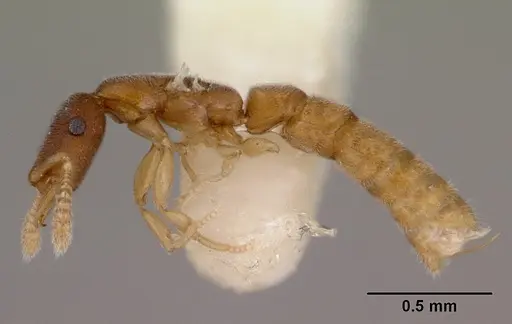
Fulakora gnoma is a small, cryptic ant species from the Solomon Islands, belonging to the subfamily Amblyoponinae. Workers are tiny at around 3-4mm with the characteristic elongated mandibles typical of this group. They have a pale to amber-colored body and are distinguished by their preference for shaded, humid forest floor habitats in the Solomon Islands [1]. This species was first described in 1979 from specimens collected near Mt. Austen on Guadalcanal [1]. As a dracula ant, they have a unique feeding behavior where workers puncture the brood with their sharp mandibles and feed on the hemolymph (insect blood), this is their primary protein source rather than eating whole prey [2].
Quick Summary
- Difficulty: Hard
- Origin & Habitat: Solomon Islands (Guadalcanal), found in humid forest floor habitats at elevations around 3000ft [1]. These ants live in tropical rainforest conditions with high humidity and stable temperatures.
- Colony Type: Colony structure is unconfirmed. Many Amblyoponinae species have ergatoid (wingless) replacement queens, but this has not been documented for F. gnoma specifically.
- Founding: Semi-claustral
- Size & Growth:
- Queen: Approximately 5-6mm based on genus patterns [2]
- Worker: Approximately 3-4mm based on original description [1]
- Colony: Unknown for this species, related Amblyoponinae typically form small colonies of 50-200 workers [2]
- Growth: Moderate, estimated based on genus patterns
- Development: Estimated 6-10 weeks based on related Amblyoponinae species [2] (Development time is not specifically documented for this species, estimates based on genus patterns for tropical Amblyoponinae)
- Antkeeping:
- Temperature: Keep at 24-28°C, they are a tropical species requiring warm, stable conditions [2]. A heating cable on one side of the nest creates a suitable gradient.
- Humidity: High humidity is essential, aim for 70-85% relative humidity. Keep the nest substrate consistently moist but not waterlogged. These forest-floor ants need damp conditions [2].
- Diapause: No, as a tropical species from the Solomon Islands, they do not require hibernation. Maintain year-round warm conditions.
- Nesting: Y-tong (AAC) nests or plaster nests work well. They prefer tight chambers and narrow passages scaled to their tiny size. Naturalistic setups with moist substrate also work, they nest in soil and rotting wood in the wild [1].
- Behavior: This is a shy, cryptic species that prefers to avoid confrontation. Workers are not aggressive and will flee rather than engage. They are primarily nocturnal or crepuscular foragers. Their unique hunting method involves locating prey, puncturing it with sharp mandibles, and feeding on the hemolymph rather than consuming the entire insect. Escape prevention is critical due to their very small size, use fine mesh barriers and tight-fitting lids [2].
- Common Issues: tiny size means escapes are likely without fine mesh barriers, high humidity requirements can lead to mold if ventilation is poor, specialized diet (hemolymph feeding) may be difficult to replicate in captivity, slow growth can lead to overfeeding and mold problems, wild-caught colonies may have parasites that kill them in captivity
Housing and Nest Setup
Fulakora gnoma requires a small, humid nest setup. Y-tong (AAC) nests work well because they hold humidity while providing proper ventilation. Plaster nests are another good option, they absorb water and maintain consistent moisture. The chambers should be small and tight-fitting since these are tiny ants. A test tube setup can work for founding colonies, but monitor humidity carefully. For the outworld, use a small container with smooth walls to prevent escapes. Because of their very small size, escape prevention must be excellent, use fine mesh (0.5mm or smaller) on any ventilation holes and ensure all lids fit tightly. [2]
Feeding and Diet
This is the most challenging aspect of keeping Fulakora gnoma. As dracula ants, they have a unique feeding behavior where workers puncture prey with their sharp mandibles and feed on hemolymph (the insect equivalent of blood) rather than consuming the entire prey item [2]. In captivity, you can offer small live prey like springtails, fruit flies, and tiny crickets. Some keepers report success with offering pre-killed prey that has been punctured to release hemolymph. Sugar sources are generally not accepted, these are specialized predators. Feed small amounts of prey every 2-3 days and remove any uneaten remains promptly to prevent mold.
Temperature and Humidity
Maintain warm, humid conditions year-round. Target temperatures of 24-28°C during the active season. A slight temperature gradient allows ants to regulate their body temperature. Use a low-wattage heating cable placed on top of the nest (never under it, as this can dry out the substrate too quickly). Humidity should be high, 70-85% relative humidity. The nest substrate should feel consistently moist but never waterlogged. Mist the nest area occasionally, but rely on a water reservoir rather than frequent misting. Poor humidity leads to colony decline and death. [2]
Colony Founding
Founding queens are semi-claustral, meaning they must leave the nest to hunt for protein during the founding stage. This is different from claustral ants that seal themselves in and live off stored fat. Provide the founding queen with access to tiny live prey (springtails work well) immediately after she lays eggs. The queen will hunt and feed on hemolymph to fuel egg production. This founding method is more challenging than claustral species, queens have a higher chance of dying during founding if they cannot obtain enough protein. Expect the first workers (nanitics) to emerge in 6-10 weeks under optimal conditions. [2]
Behavior and Temperament
Fulakora gnoma is a shy, non-aggressive species. Workers are small and cryptic, preferring to avoid confrontation. They are primarily nocturnal or crepuscular, becoming more active during dim lighting conditions. Their hunting strategy involves stealth, they locate small arthropods, approach slowly, and deliver a puncture wound with their sharp mandibles to access hemolymph. They do not sting. Because of their tiny size and shy nature, they are not exciting to watch but are fascinating for antkeepers interested in unusual species. They pose no danger to humans. [2]
Frequently Asked Questions
How long does it take for Fulakora gnoma to produce first workers?
Expect 6-10 weeks from egg to first worker under optimal conditions (24-28°C, high humidity). This is an estimate based on related Amblyoponinae species since specific development data for F. gnoma is not available.
What do Fulakora gnoma ants eat?
They are specialized hemolymph feeders. Offer small live prey like springtails, fruit flies, and tiny crickets. Some keepers puncture pre-killed insects to release hemolymph that workers can feed on. Sugar sources are generally not accepted.
Do Fulakora gnoma ants sting?
No, they do not sting. They are completely harmless to humans. Their defense is fleeing rather than fighting.
Can I keep multiple queens together?
This has not been documented for this species. Combining unrelated queens is not recommended since colony structure is unconfirmed.
What temperature do Fulakora gnoma need?
Keep them at 24-28°C. They are tropical ants requiring warm, stable conditions year-round.
Do they need hibernation?
No, they do not hibernate. As a tropical species from the Solomon Islands, maintain warm conditions year-round.
Are Fulakora gnoma good for beginners?
No, they are considered difficult. Their specialized hemolymph diet, high humidity requirements, and semi-claustral founding make them challenging. They are best suited for experienced antkeepers.
How big do colonies get?
Colony size is unknown for this species. Based on related Amblyoponinae, colonies likely reach 50-200 workers.
Why are my ants dying?
Common causes include: low humidity (keep substrate consistently moist), insufficient protein (offer live prey regularly), temperatures too low (maintain 24-28°C), or mold from overfeeding. Also check for escape issues, they are very small and can squeeze through tiny gaps.
References

This caresheet is licensed under CC BY-SA 4.0 .
CASENT0172217
View on AntWeb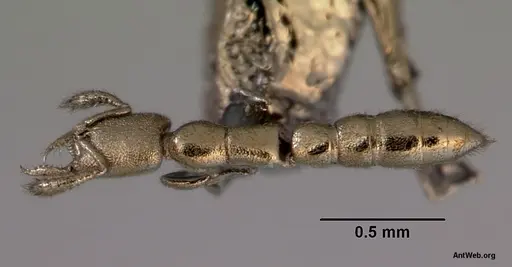
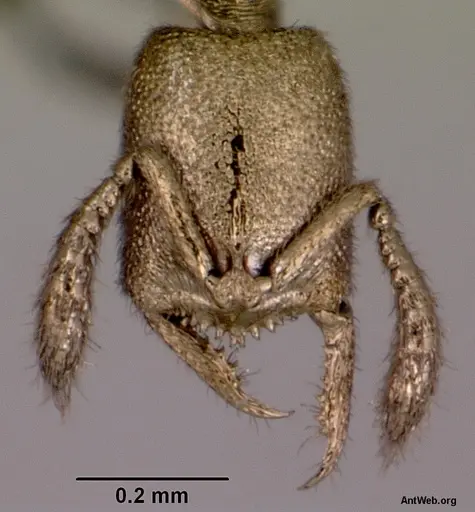
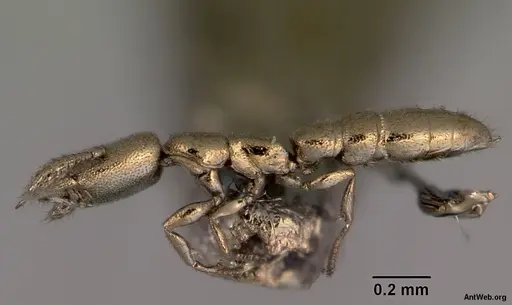
CASENT0172218
View on AntWeb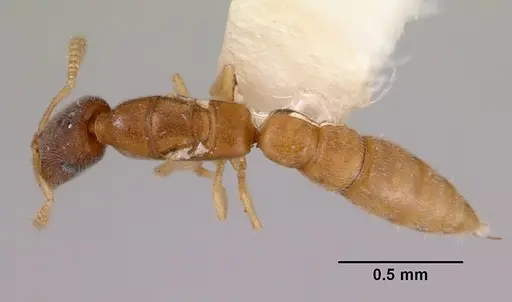
Literature
Loading...Loading products...