

Fulakora elongata
- Scientific Name
- Fulakora elongata
- Tribe
- Amblyoponini
- Subfamily
- Amblyoponinae
- Author
- Santschi, 1912
- Distribution
- Found in 2 countries
Fulakora elongata Overview
Fulakora elongata is an ant species of the genus Fulakora. It is primarily documented in 2 countries , including Argentina, Brazil. Detailed taxonomic data and occurrence records can be further explored via authoritative databases such as AntWeb or the Global Biodiversity Information Facility (GBIF).
Fulakora elongata
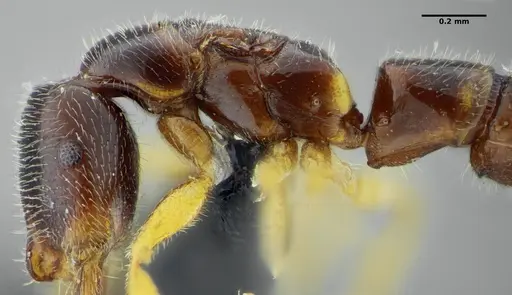
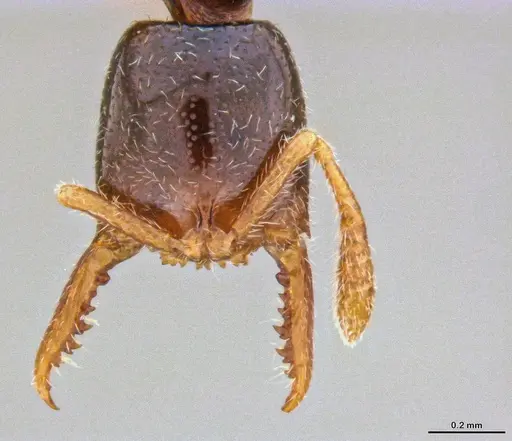
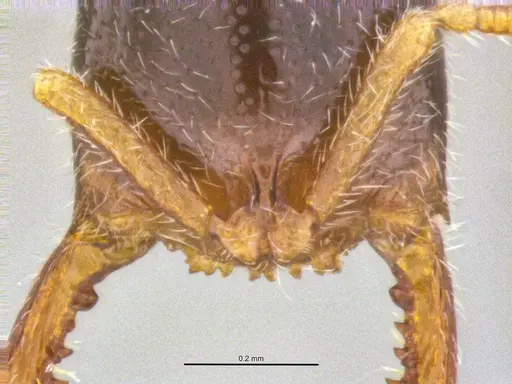
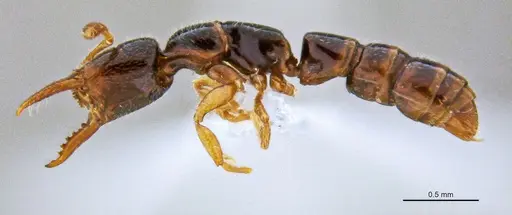
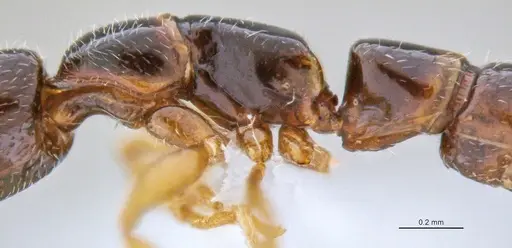
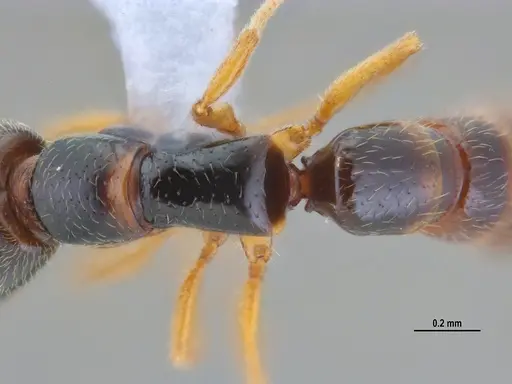
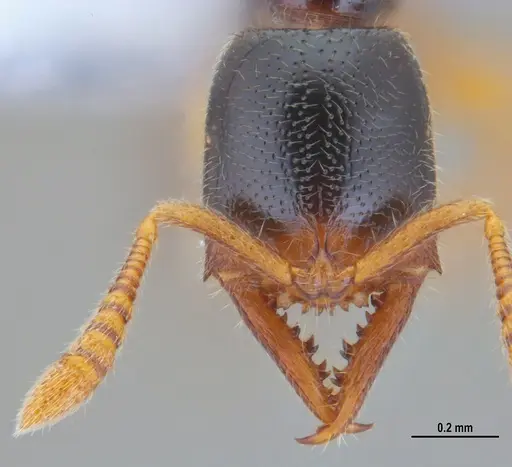
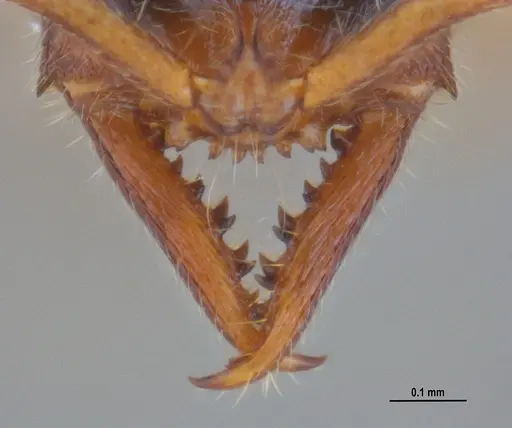
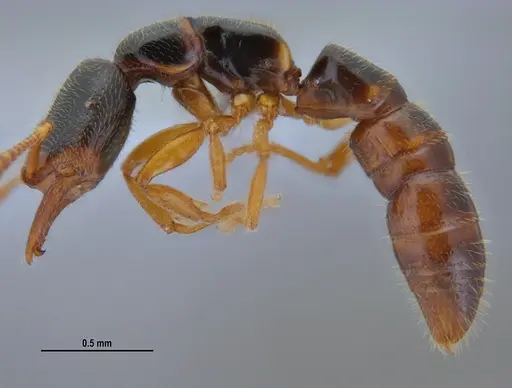
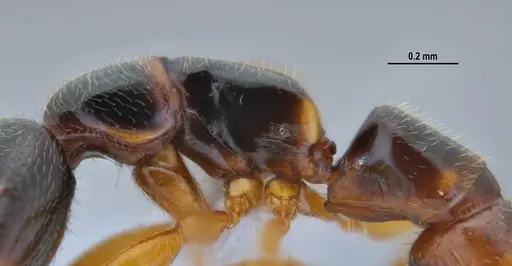
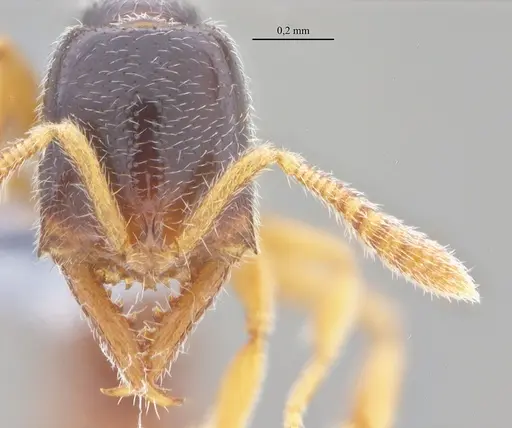
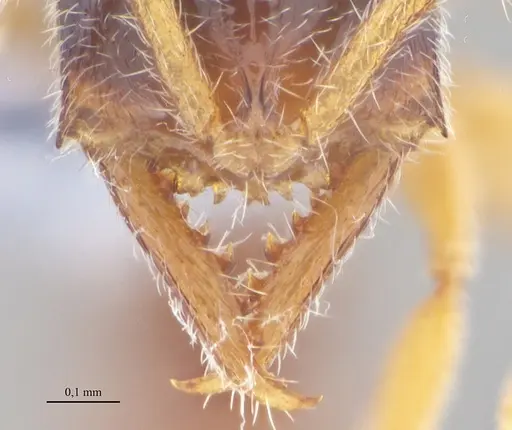
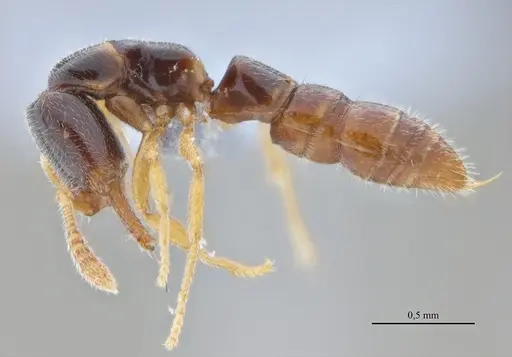
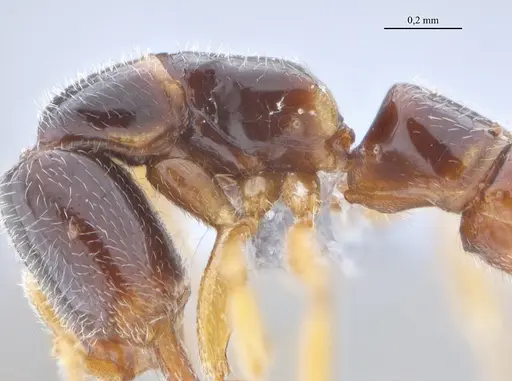
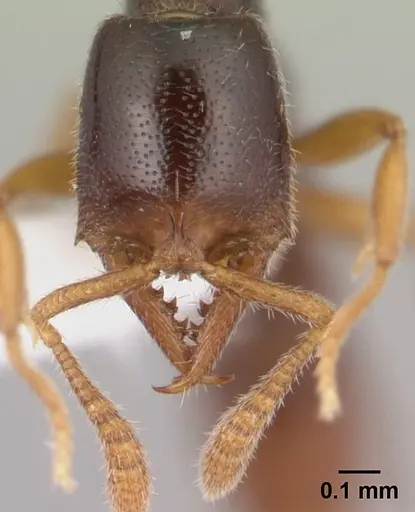
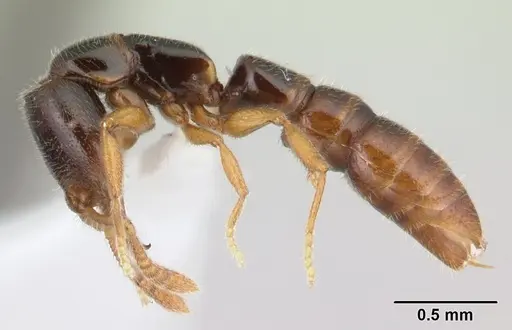
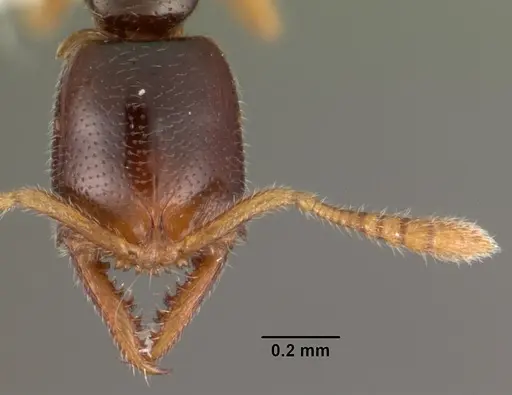
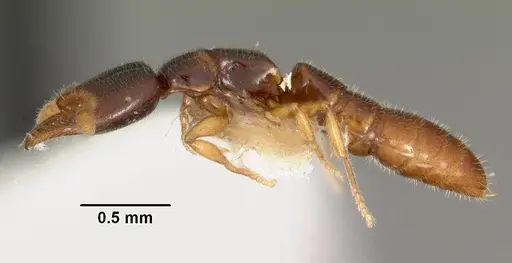
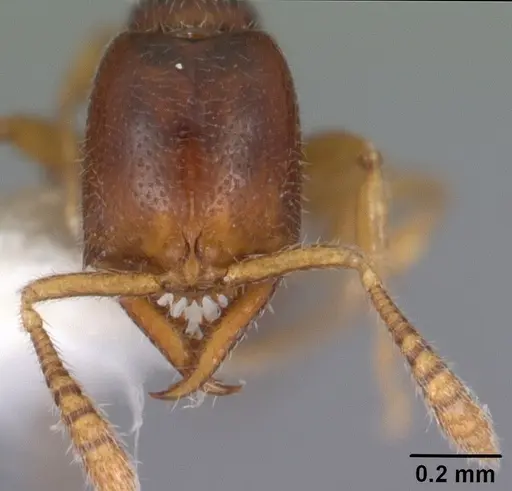
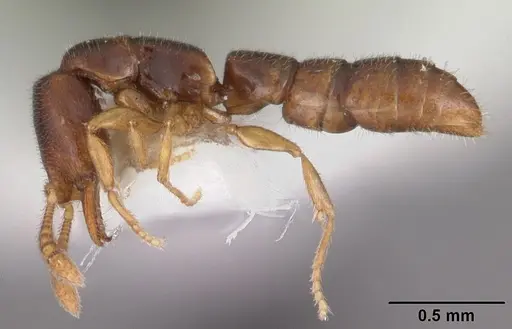
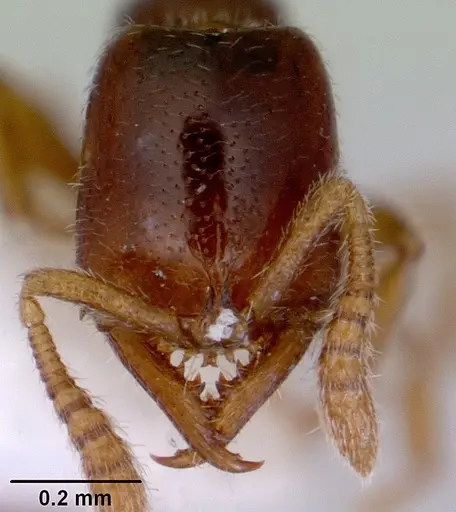
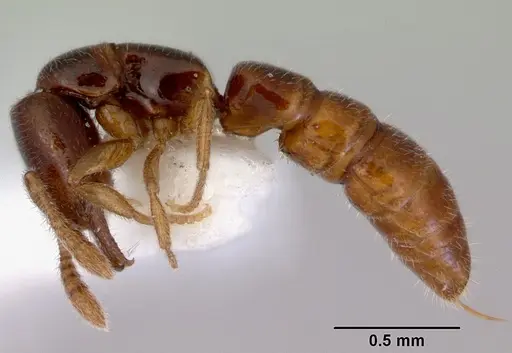
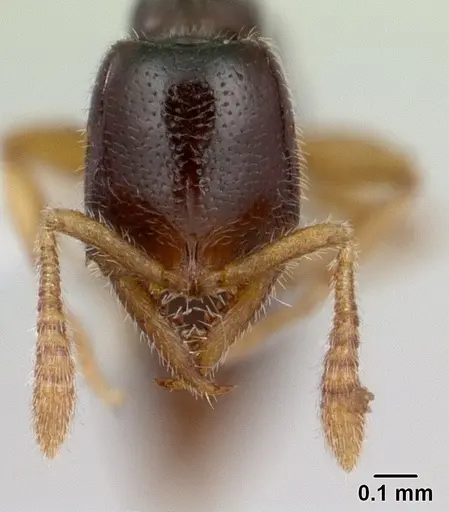
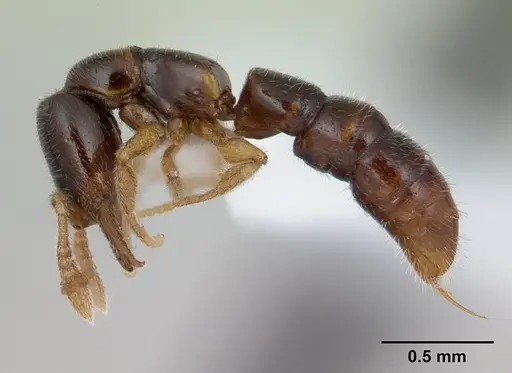
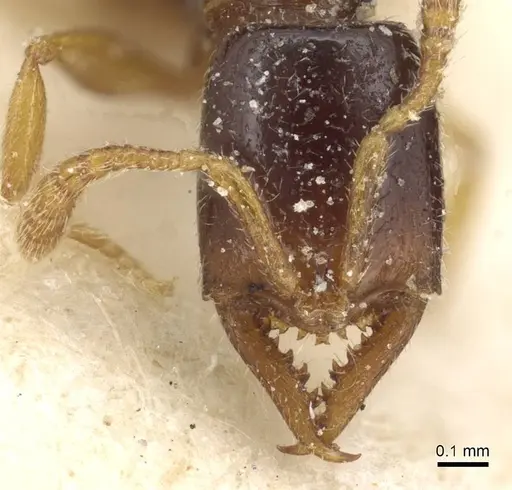
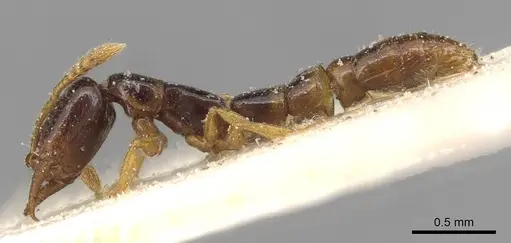
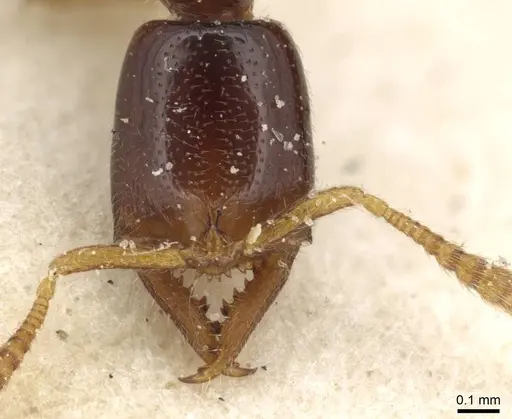
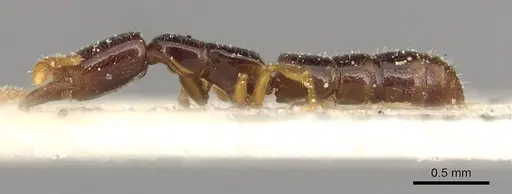
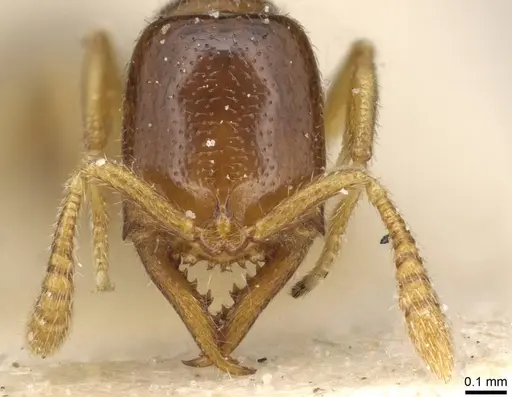
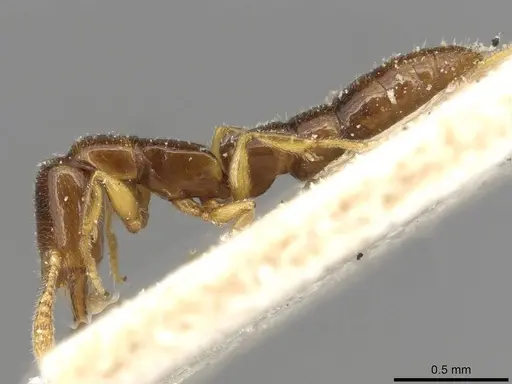
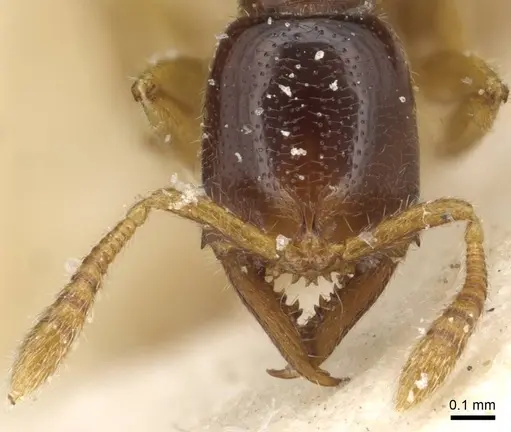
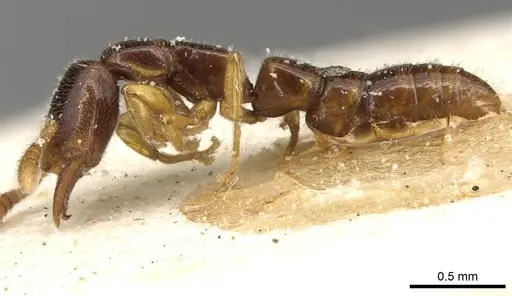
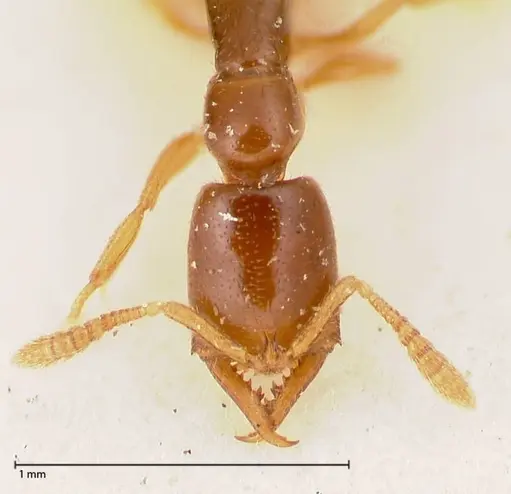
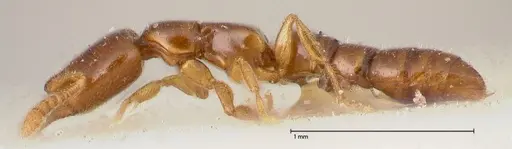
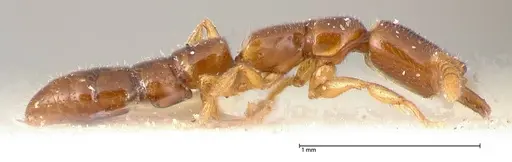
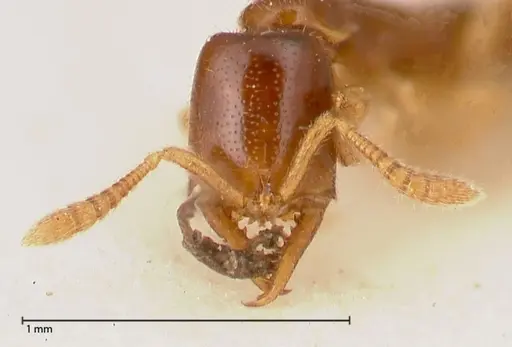
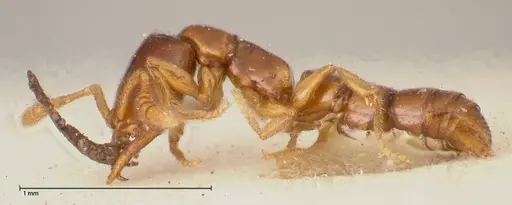
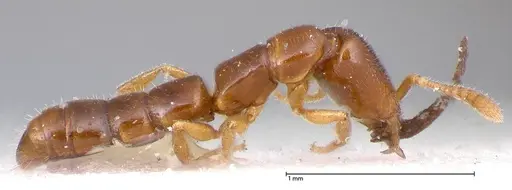
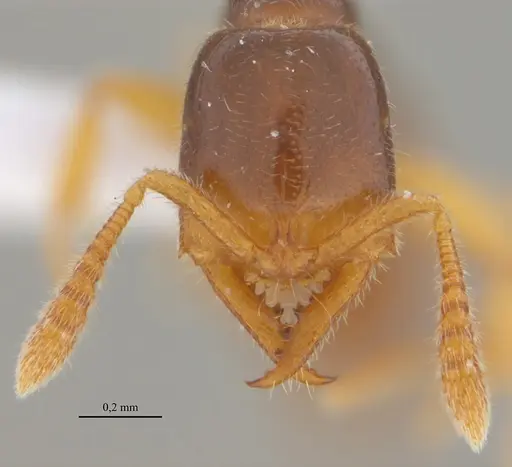
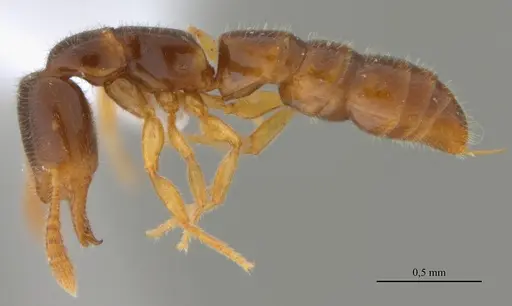
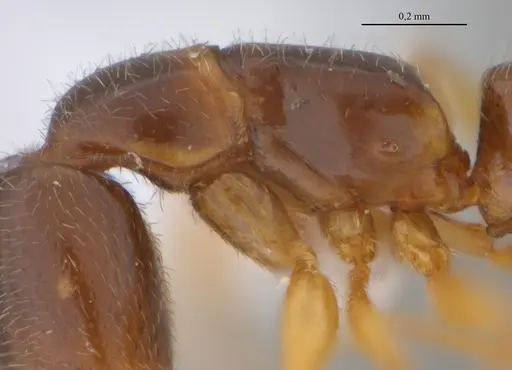
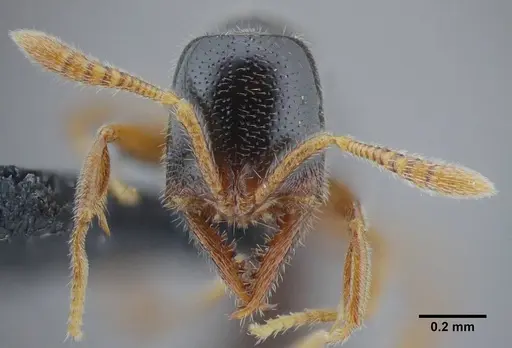
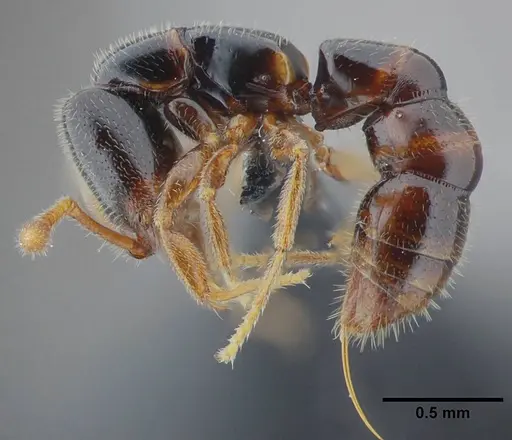
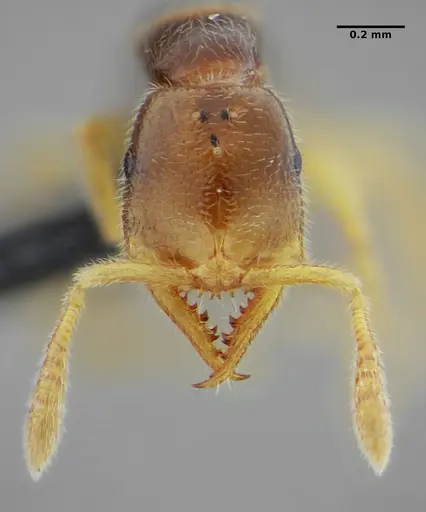
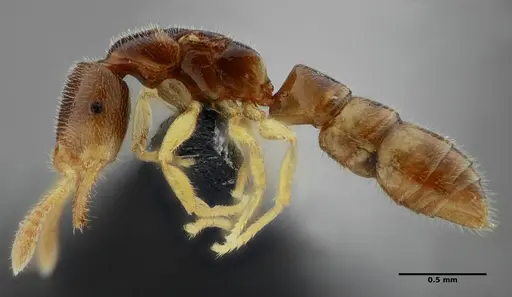
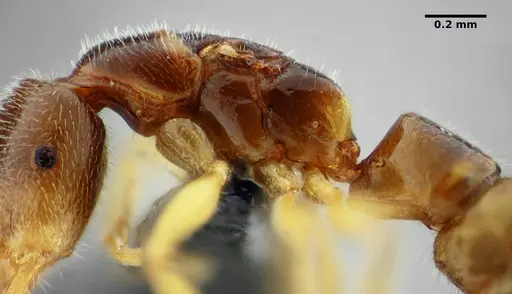
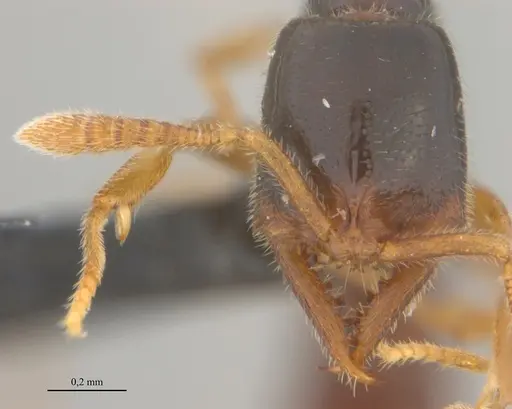
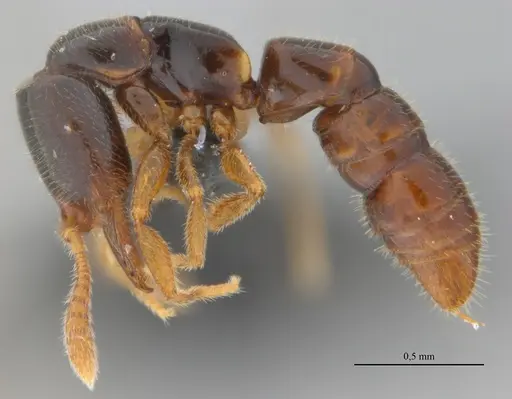
Fulakora elongata is a tiny subterranean ant measuring just 2.7-3.2mm in total length. Workers have distinctive small genal teeth (teeth on the cheeks), a smooth vertex, and pale patches on the propodeum. The genus Fulakora belongs to the Amblyoponinae subfamily, commonly called "dracula ants" because of their unique feeding behavior where they wound their larvae and feed on the hemolymph (blood-like fluid). This species is found across the Neotropical region including Argentina, Brazil, Paraguay, and Uruguay, typically living in moist forest habitats and often nesting within termite mounds [1][2].
Quick Summary
- Difficulty: Hard
- Origin & Habitat: Neotropical region (Argentina, Brazil, Paraguay, Uruguay), lives in Atlantic Forest fragments and seasonal forests, typically nesting 3-5cm deep in loose soil or within termite mounds[1].
- Colony Type: Colony structure is not fully documented. Field colonies have been found with approximately 20 workers and 5 larvae, but no queens or males were observed. Amblyoponinae typically have small colonies with single queens, but this specific species requires more study.
- Founding: Semi-claustral
- Size & Growth:
- Queen: Not fully described in recent literature, estimated around 4-5mm based on genus patterns
- Worker: 2.7-3.2mm total length
- Colony: Small, field colonies observed at approximately 20 workers
- Growth: Unknown, likely slow given small colony sizes
- Development: Unconfirmed, estimated 6-10 weeks based on related Amblyoponinae species (Direct development data unavailable for this species. Related Amblyoponinae typically have semi-claustral founding where the queen must hunt for food during the founding stage.)
- Antkeeping:
- Temperature: Keep at 22-26°C, these are tropical/subtropical forest ants that prefer warm, stable conditions. Avoid temperatures below 18°C.
- Humidity: High humidity required, they live in subterranean forest environments. Keep the nest substrate consistently moist but not waterlogged. Think damp forest floor.
- Diapause: Likely minimal or no true diapause given their tropical distribution. May show reduced activity during cooler months.
- Nesting: Use a naturalistic setup with moist soil or a Y-tong/plaster nest. They are subterranean and prefer tight, humid chambers. A setup mimicking their natural environment (soil with some decaying wood or near a termite colony) works well.
- Behavior: These ants are extremely small and cryptic, living most of their lives underground. Workers are not aggressive and rarely come to the surface. They are predatory on small soil invertebrates. Escape prevention is critical due to their tiny size, they can squeeze through the smallest gaps. They have a unique colony structure where they may have ergatoid (wingless) replacement queens rather than alate (winged) queens.
- Common Issues: escape prevention is critical due to their very small size, use fine mesh barriers, colonies are small and grow slowly, beginners may lose patience, wild-caught colonies may be difficult to establish in captivity, high humidity requirements can lead to mold problems if ventilation is poor, their cryptic lifestyle means you won't see much activity, this is normal, not a problem
Natural History and Distribution
Fulakora elongata is a Neotropical species found across Argentina, Brazil, Paraguay, and Uruguay. It inhabits Atlantic Forest fragments and seasonal forests in southern Brazil, where it lives as a subterranean species nesting 3-5cm deep in loose soil. Notably, one colony was found nested directly within a Syntermes sp. termite mound, suggesting a potential association with termites. The species is considered a habitat specialist restricted to primary forest, it has not been found in secondary forest or plantation habitats [3]. Workers are collected almost exclusively from the 0-10cm soil stratum, confirming their ground-dwelling nature [1].
Unique Feeding Behavior (Dracula Ants)
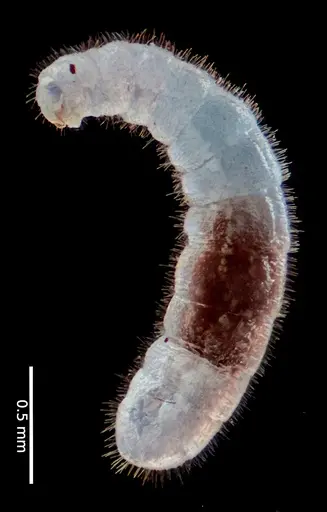
As members of the Amblyoponinae subfamily, Fulakora elongata belongs to the "dracula ant" group. This name comes from their unique feeding behavior where workers wound developing larvae and feed on the hemolymph (the insect equivalent of blood). This is not harmful to the larvae and may actually help stimulate their development. In captivity, you should offer small live prey like springtails, micro-arthropods, and small insects. Sugar sources are unlikely to be accepted, these are specialized predators.
Housing and Nest Setup
Due to their tiny size and subterranean lifestyle, these ants require careful housing. A naturalistic setup with moist soil works best, use a container with damp substrate (like a mixture of soil and sand) in a shallow depth of 5-10cm. Alternatively, a Y-tong or plaster nest with narrow chambers and high humidity can work. The key is maintaining consistently moist substrate without flooding. Place the nest in a dark or dimly lit area since they avoid light. Escape prevention is critical, their tiny size means they can squeeze through gaps that seem impossible. Use fine mesh on any ventilation holes.
Feeding and Diet
Fulakora elongata is a predatory species that hunts small soil invertebrates. In captivity, offer small live prey such as springtails, micro-arthropods, tiny mealworms, and fruit flies. Since they're so small, prey should be appropriately sized, think pinhead crickets or smaller. The frequency of feeding should be condition-based: offer prey 2-3 times per week and remove any uneaten items after 24 hours. Sugar water or honey is unlikely to be accepted given their predatory nature, though you can offer it occasionally to test.
Temperature and Seasonal Care
Keep these ants warm, aim for 22-26°C. This matches their natural habitat in tropical and subtropical South American forests. A heating cable on one side of the nest can create a temperature gradient, allowing the ants to choose their preferred zone. Avoid temperatures below 18°C for extended periods. Regarding diapause: given their tropical/subtropical distribution, they likely do not require a true hibernation period. However, they may show reduced activity during cooler months. Monitor colony behavior and reduce feeding if activity decreases. [1][2]
Colony Structure and Reproduction
The colony structure of Fulakora elongata is not fully documented. Field observations found colonies with approximately 20 workers and 5 larvae, but no queens or males were captured. This suggests colonies may have ergatoid (wingless) queens rather than alate (winged) reproductive ants, a pattern seen in some other Amblyoponinae species. This means queens may not conduct nuptial flights but instead mate within the nest or near the colony entrance. For antkeepers, this means establishing a wild-caught colony may be challenging since you may not find a dealate queen.
Frequently Asked Questions
How long does it take for Fulakora elongata to produce first workers?
The exact development timeline is unconfirmed for this species. Based on related Amblyoponinae, expect 6-10 weeks from egg to worker at optimal temperature (around 24°C). Growth is likely slow given their small colony sizes.
Can I keep Fulakora elongata in a test tube?
A test tube setup can work for founding colonies, but these ants require high humidity and a naturalistic approach may be better long-term. If using test tubes, ensure the water reservoir is adequate but not prone to flooding, and cover the tube to block light since they're subterranean.
What do Fulakora elongata ants eat?
They are predatory and need small live prey. Offer springtails, micro-arthropods, tiny mealworms, or fruit flies. Sugar sources are unlikely to be accepted. Feed 2-3 times per week and remove uneaten prey after 24 hours.
Are Fulakora elongata good for beginners?
No, this species is considered difficult. They're extremely small (making escape prevention challenging), require high humidity, are slow-growing with small colonies, and have specific habitat requirements. They're best suited for experienced antkeepers.
Do Fulakora elongata ants sting?
Given their tiny size (under 4mm), any sting would be negligible and unlikely to penetrate human skin. However, they're not aggressive and rarely come to the surface, so sting risk is minimal.
Why are my Fulakora elongata dying?
Common causes include: escape (use fine mesh), improper humidity (too dry or too wet/moldy), temperatures outside their 22-26°C range, or inadequate prey. Also ensure you're not disturbing the nest frequently, they're cryptic and stress easily.
When should I move Fulakora elongata to a formicarium?
Wait until the colony has at least 10-15 workers and is actively foraging. For this species, a naturalistic setup with moist soil is often better than a standard formicarium. Consider moving when the test tube setup becomes cramped or condensation management becomes difficult.
Do Fulakora elongata need hibernation?
Likely no, given their tropical/subtropical distribution across southern South America, they don't require a true diapause. However, they may slow down during cooler months. Simply maintain stable temperatures year-round.
How big do Fulakora elongata colonies get?
Based on field observations, colonies appear to remain small, around 20-50 workers even in mature colonies. This is typical for Amblyoponinae, which never form the large colonies seen in some other ant subfamilies.
Can I keep multiple Fulakora elongata queens together?
This has not been documented. Combining unrelated queens is not recommended since colony structure is not well understood. If you find a dealate queen, it's best to start her in an individual setup.
References

This caresheet is licensed under CC BY-SA 4.0 .
ANTWEB1032564
View on AntWeb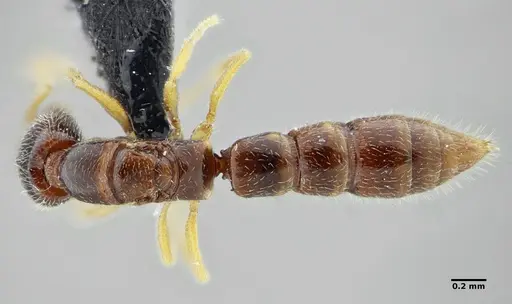
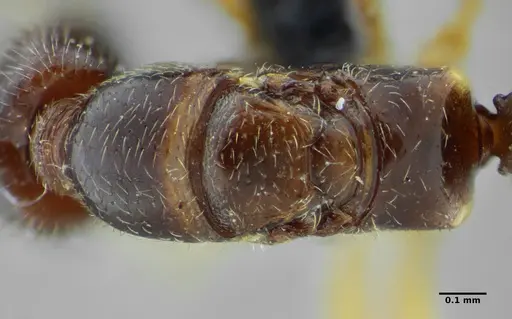
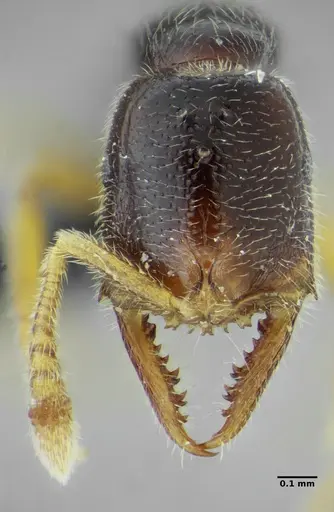
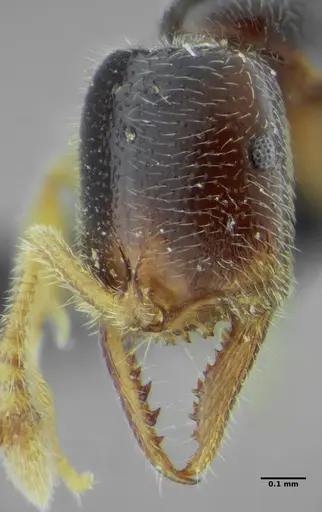
ANTWEB1047061
View on AntWeb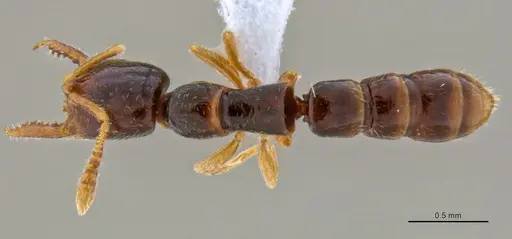
ANTWEB1047734
View on AntWeb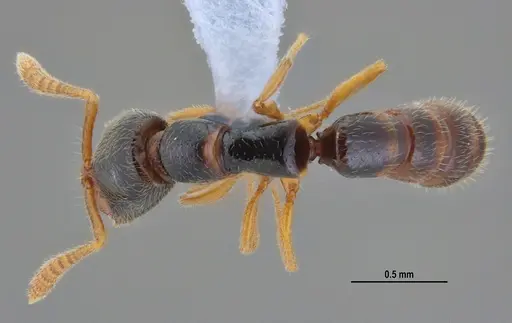
ANTWEB1053070
View on AntWeb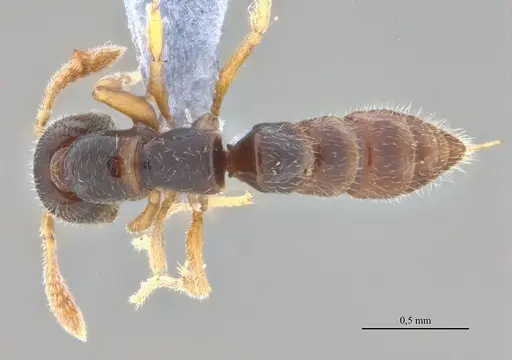
ANTWEB1053725
View on AntWeb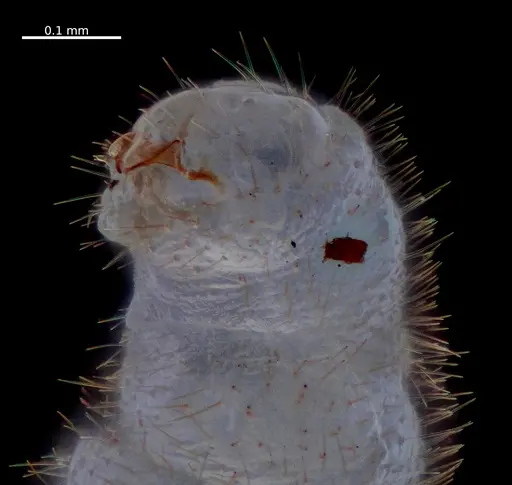
CASENT0100517
View on AntWeb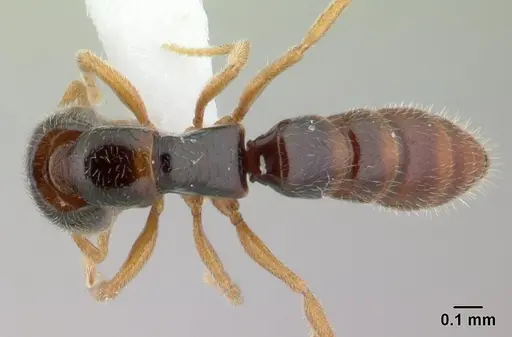
CASENT0102198
View on AntWeb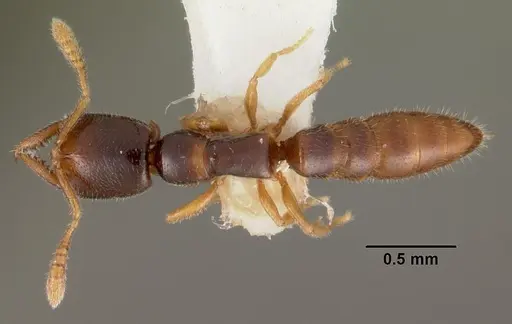
CASENT0102471
View on AntWeb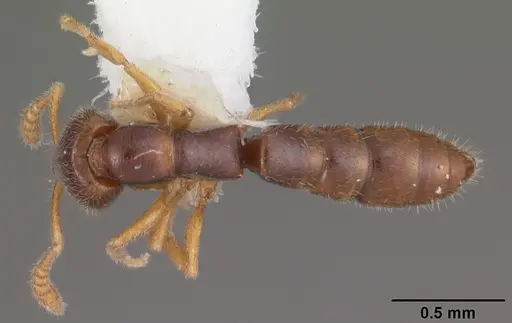
CASENT0172400
View on AntWeb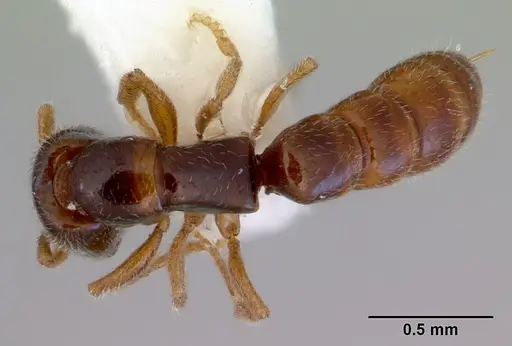
CASENT0178869
View on AntWeb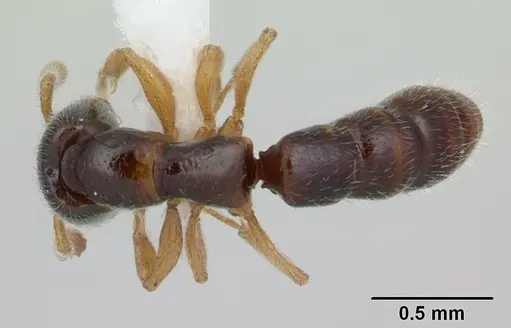
CASENT0915098
View on AntWeb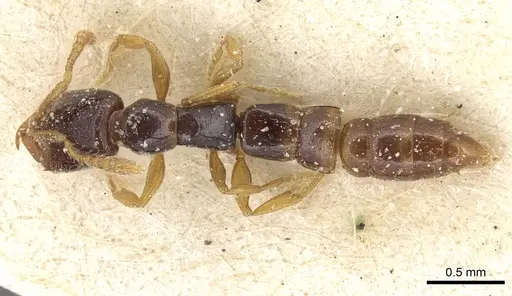
CASENT0915099
View on AntWeb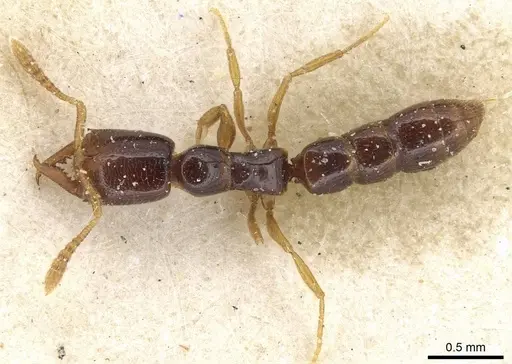
CASENT0915100
View on AntWeb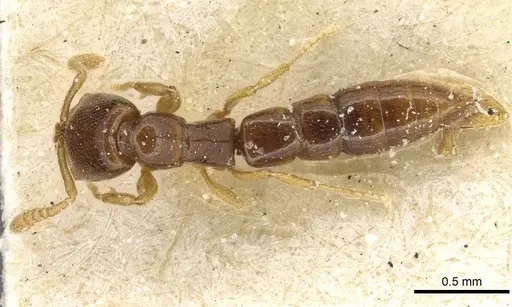
CASENT0915101
View on AntWeb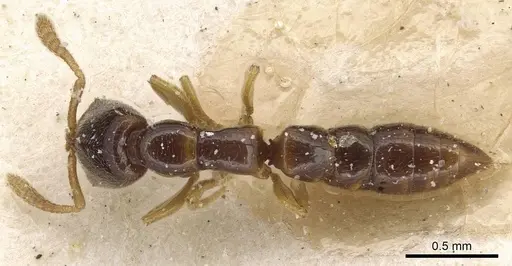
FOCOL0579-1
View on AntWeb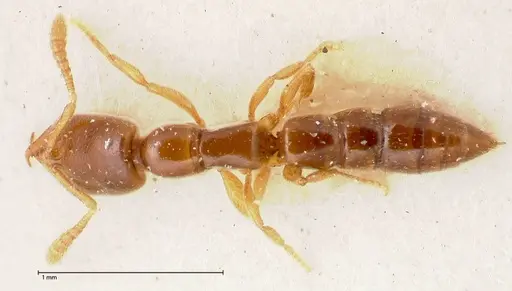
FOCOL0579-2
View on AntWeb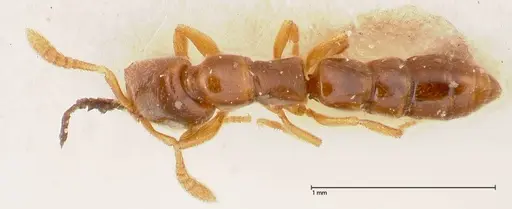
UFV-LABECOL-000027
View on AntWeb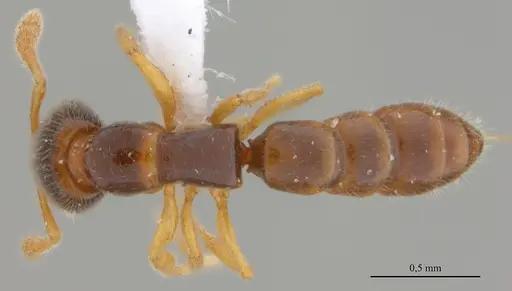
UFV-LABECOL-000049
View on AntWeb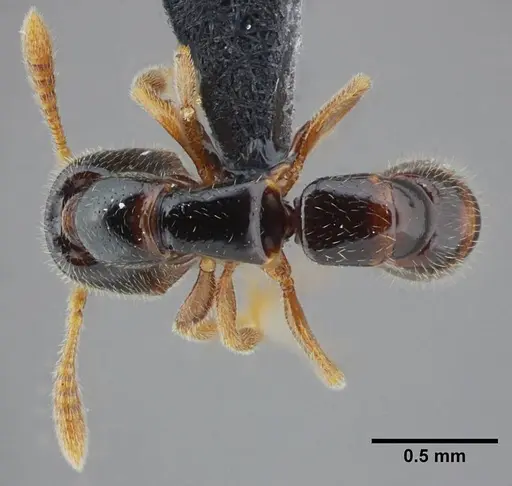
UFV-LABECOL-007449
View on AntWeb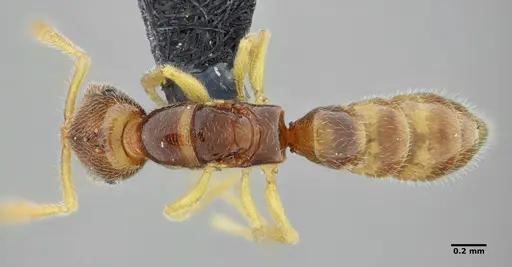
UFV-LABECOL-008530
View on AntWeb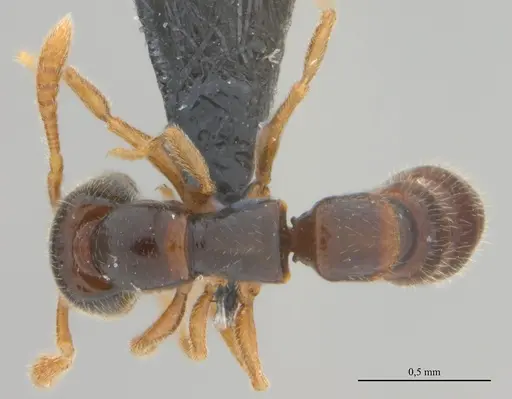
Literature
Loading...Loading products...