

Fulakora cleae
- Scientific Name
- Fulakora cleae
- Tribe
- Amblyoponini
- Subfamily
- Amblyoponinae
- Author
- Lacau & Delabie, 2002
- Distribution
- Found in 1 countries
Fulakora cleae Overview
Fulakora cleae is an ant species of the genus Fulakora. It is primarily documented in 1 countries , including Brazil. Detailed taxonomic data and occurrence records can be further explored via authoritative databases such as AntWeb or the Global Biodiversity Information Facility (GBIF).
Fulakora cleae
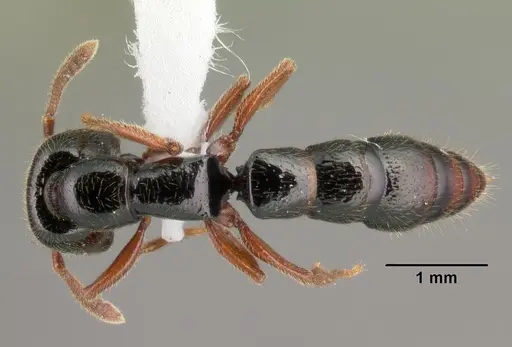
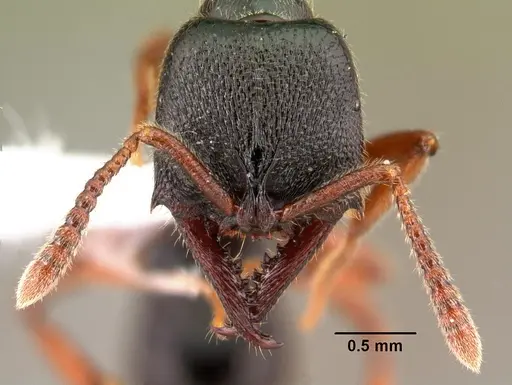
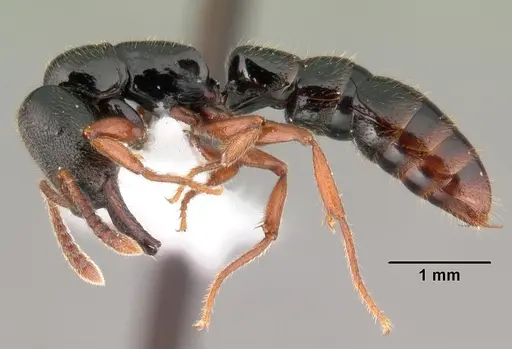
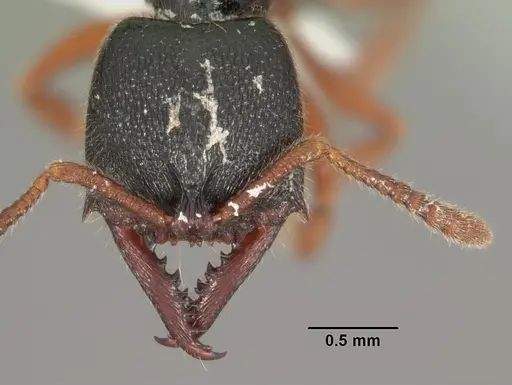
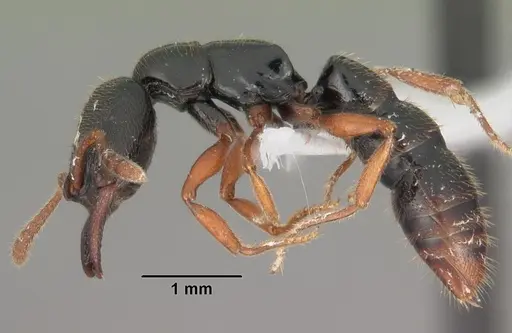
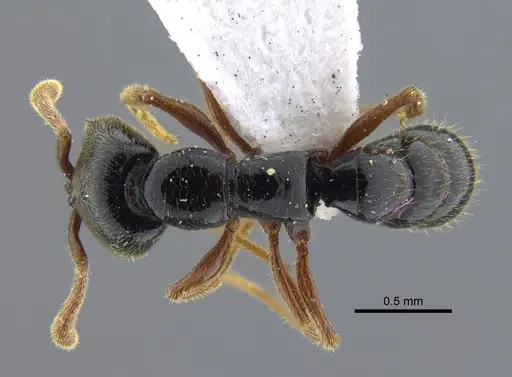
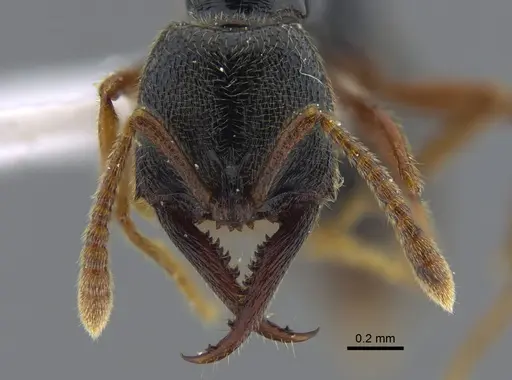
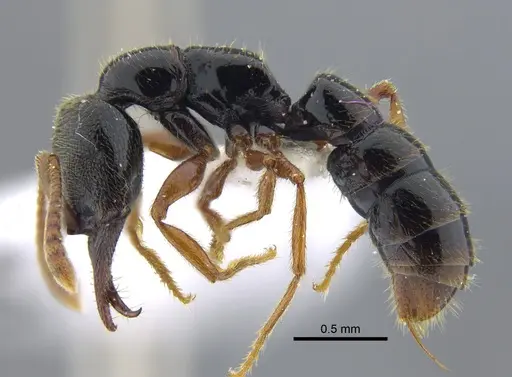
Fulakora cleae is a large predatory ant species from the Neotropics, measuring 5.36-6.19mm in total length [1]. These ants are completely black with distinctive longitudinal striations running across their head, and their head has nearly parallel lateral faces with an almost straight clypeus [1][2]. Originally described as Fulakora cleae in 2002 and later moved to Stigmatomma before being transferred to Fulakora in 2016,this species belongs to the Amblyoponinae subfamily, the so-called 'dracula ants' known for their unique ability to feed on the hemolymph (insect blood) of their own brood [3][4]. Found only in Brazil (Bahia) and Ecuador, these ants inhabit tropical forest environments at moderate elevations around 600 meters [5].
Quick Summary
- Difficulty: Expert
- Origin & Habitat: Neotropical region, Brazil (Bahia, Itororó) and Ecuador. Found in tropical forest environments at approximately 600m elevation [5][4].
- Colony Type: Colony structure is unconfirmed. Based on typical Amblyoponinae patterns, likely single-queen colonies with small to moderate worker populations.
- Size & Growth:
- Queen: Estimated 6-7mm based on total length range and genus patterns
- Worker: 5.36-6.19mm total length [1][2]
- Colony: Unknown, likely small to moderate based on genus patterns
- Growth: Unknown
- Development: Unconfirmed, likely 6-10 weeks based on related Amblyoponinae species (Development timeline has not been directly studied for this species. Estimates based on typical Amblyoponinae patterns at tropical temperatures.)
- Antkeeping:
- Temperature: Keep warm, around 24-28°C. This species comes from tropical Brazil where temperatures are consistently warm year-round. A heating cable on one side of the nest creates a suitable gradient.
- Humidity: Keep substrate consistently moist but not waterlogged. Tropical forest origin suggests high humidity needs, aim for damp substrate with some drier areas available. Mist occasionally and ensure water availability.
- Diapause: Unlikely, being a tropical species from Brazil, they probably do not require a true hibernation. However, slight temperature reductions during winter months may be appropriate if room temperature drops naturally.
- Nesting: Prefers humid, dark environments. A Y-tong (AAC) or plaster nest works well. These ants are predatory and typically nest in soil or rotting wood in nature. Provide a moist substrate and keep the nest in darkness.
- Behavior: These are predatory ants with powerful mandibles. They are likely nocturnal or crepuscular hunters, actively foraging at night. Workers are probably moderate in size relative to other Amblyoponinae and may be somewhat shy or non-aggressive compared to some ponerines. Escape prevention should be moderate, they are not extremely small but can climb well. Their unique 'dracula ant' behavior involves puncturing brood to drink hemolymph, which is normal for this subfamily and not a sign of illness.
- Common Issues: lack of available care information makes this an expert-only species, there are no established husbandry protocols, predatory diet requirements may be difficult to meet, they likely need live prey like small insects, tropical humidity needs can be challenging to maintain consistently, colony growth may be slow, requiring patience, wild-caught colonies may have parasites or fail to adapt to captive conditions
Species Background and Taxonomy
Fulakora cleae has undergone several taxonomic changes since its initial description. Originally described as Fulakora cleae by Delabie in 2002 from specimens collected in Bahia, Brazil, it was later transferred to Stigmatomma in 2012 before being moved to its current genus Fulakora in 2016 [3]. The species was described from a holotype worker and 14 paratype workers, along with queens and males, collected from a nest in Itororó, Bahia at approximately 600 meters elevation [5]. The karyotype has been studied, revealing a diploid chromosome number of 2n=18 with 12 metacentric and 6 acrocentric chromosomes, this is considered a low chromosome number suggesting relatively recent evolutionary origin [6]. This species remains one of the less-studied Amblyoponinae, with limited published research on its biology or captive care.
Understanding Amblyoponinae Biology
Fulakora belongs to the Amblyoponinae subfamily, commonly known as 'dracula ants' due to their unique feeding behavior. Unlike most ants that feed their brood predigested food, Amblyoponinae have a remarkable ability to puncture their own brood and drink the hemolymph (the insect equivalent of blood), this is called non-destructive cannibalism and is completely normal for this group. This behavior likely provides the ants with protein and nutrients without killing the brood. In captivity, this can look alarming to new keepers who may think their brood is being attacked, but it's actually a healthy part of their biology. The subfamily is also characterized by their predatory lifestyle, powerful mandibles adapted for catching prey, and often semi-claustral founding where queens must hunt to feed themselves and their first brood.
Housing and Nest Setup
For Fulakora cleae, a Y-tong (acrylic ant castle) or plaster nest works well because these materials hold moisture consistently. The nest should be kept dark, Amblyoponinae prefer dim conditions and will be more active when the nest area is shaded or covered. Keep the substrate consistently moist but avoid standing water. A small water tube or cotton reservoir provides drinking water. Since this is a predatory species, the outworld should have space for hunting and foraging. Use a secure lid and apply fluon or other barrier to prevent escapes, though these ants are not particularly small. Room temperature of 24-28°C is ideal, use a heating cable on one side of the nest if your space runs cool. These ants do not need large spaces, a modestly sized formicarium with a small outworld is sufficient for starting colonies.
Feeding and Diet Requirements
As predatory ants, Fulakora cleae requires live or freshly killed protein sources. Offer small insects such as fruit flies, small crickets, mealworms, waxworms, or other appropriately sized arthropods. Unlike some ants that readily accept sugar water or honey, Amblyoponinae are primarily predatory and may not strongly prefer sugar sources. However, you can offer a small amount of honey or sugar water occasionally and observe acceptance. Feed every 2-3 days, removing uneaten prey after 24 hours to prevent mold. The unique hemolymph-drinking behavior means they may also accept small amounts of raw meat or insect pieces if live prey is not available, though live prey is always preferable for maintaining natural hunting behavior.
Colony Development and Growth
Specific development data for Fulakora cleae is not available in the scientific literature. Based on typical Amblyoponinae patterns and tropical temperatures, expect egg-to-worker development of approximately 6-10 weeks at optimal temperatures. Initial nanitic (first) workers will likely be smaller than mature workers. Colony growth is expected to be moderate rather than rapid, and mature colonies probably remain relatively small, likely under 200 workers based on related species patterns. Patience is essential, as founding colonies may take many months to establish their first workers. The queen was described along with the original specimens, confirming dealate (winged) queens are produced, though nuptial flight timing for this species is unknown.
Seasonal Care and Temperature Management
Being from tropical Brazil and Ecuador, Fulakora cleae does not require hibernation. Maintain consistent temperatures year-round in the 24-28°C range. If your room temperature naturally drops in winter, a small heating cable or heat mat under one end of the nest can maintain appropriate conditions. Avoid temperature drops below 20°C for extended periods. Humidity should remain relatively high throughout the year, mist the nest occasionally and ensure the substrate does not dry out completely. These ants are adapted to stable tropical conditions and will do best when temperature and humidity remain consistent rather than fluctuating dramatically.
Frequently Asked Questions
Is Fulakora cleae good for beginners?
No. Fulakora cleae is not recommended for beginners. This is an expert-only species because there is virtually no established captive care information available, their predatory diet can be challenging to provide, and they have specific humidity and temperature needs from a tropical environment. There are many well-documented species available that are much better choices for those new to ant keeping.
What do Fulakora cleae ants eat?
They are predatory ants that need live or freshly killed insects. Offer small prey like fruit flies, small crickets, mealworms, or other tiny arthropods. They may accept raw meat or insect pieces if live prey is unavailable, but live prey is always best. Sugar sources like honey water may be accepted occasionally but should not be their primary food.
How long does it take for Fulakora cleae to produce first workers?
The exact timeline is unconfirmed for this species. Based on typical Amblyoponinae patterns at tropical temperatures (24-28°C), expect approximately 6-10 weeks from egg to first worker. Patience is essential as colony development may be slower than more common species.
Do Fulakora cleae ants sting?
Amblyoponinae ants have potent stingers, and Fulakora cleae likely has the ability to sting. However, their sting is probably only relevant for their prey, these ants are not aggressive toward humans and would need to be handled roughly to be provoked. Their small size also means they may not be able to penetrate human skin effectively.
What temperature do Fulakora cleae need?
Keep them warm, around 24-28°C. This is a tropical species from Brazil and Ecuador, so they need consistently warm conditions. A heating cable on one side of the nest can create a suitable gradient. Avoid temperatures below 20°C for extended periods.
How big do Fulakora cleae colonies get?
Colony size is not documented for this species. Based on typical Amblyoponinae patterns, colonies likely remain small to moderate, probably under 200 workers at maturity. They are not known for the large supercolonies seen in some other ant genera.
Do Fulakora cleae need hibernation?
No, they do not require hibernation. Being a tropical species from Brazil, they are adapted to year-round warm conditions. Maintain consistent temperatures throughout the year rather than attempting to simulate winter conditions.
Why are my Fulakora cleae eating their own brood?
This is likely normal 'dracula ant' behavior. Amblyoponinae have a unique ability to drink hemolymph (insect blood) from their own brood without killing them, this is called non-destructive cannibalism and provides nutrients. It may look concerning but is actually a healthy part of their biology. The brood recovers from these small punctures.
Can I keep multiple Fulakora cleae queens together?
This has not been studied for this species. The colony structure (monogyne vs polygyne) is unconfirmed. Unless you have multiple unrelated founding queens, it is generally not recommended to combine queens of this species as aggression may occur.
What type of nest is best for Fulakora cleae?
A Y-tong (acrylic ant castle) or plaster nest works well. These materials hold moisture effectively, which is important for maintaining the humid conditions this tropical species requires. Keep the nest covered or in a dim area as they prefer dark environments.
References

This caresheet is licensed under CC BY-SA 4.0 .
Literature
Loading...Loading products...