

Fulakora armigera
- Scientific Name
- Fulakora armigera
- Tribe
- Amblyoponini
- Subfamily
- Amblyoponinae
- Author
- Mayr, 1887
- Distribution
- Found in 2 countries
Fulakora armigera Overview
Fulakora armigera is an ant species of the genus Fulakora. It is primarily documented in 2 countries , including Bolivia, Plurinational State of, Brazil. Detailed taxonomic data and occurrence records can be further explored via authoritative databases such as AntWeb or the Global Biodiversity Information Facility (GBIF).
Fulakora armigera
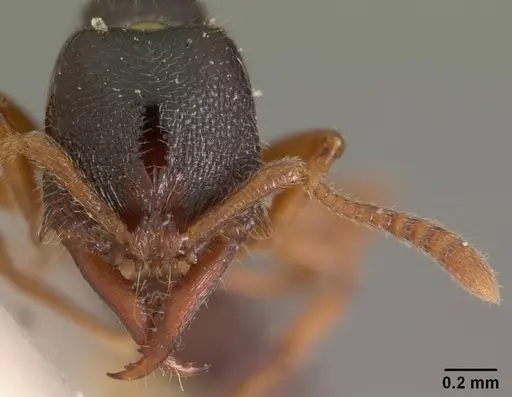
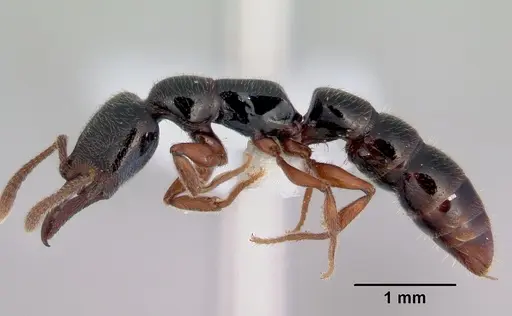
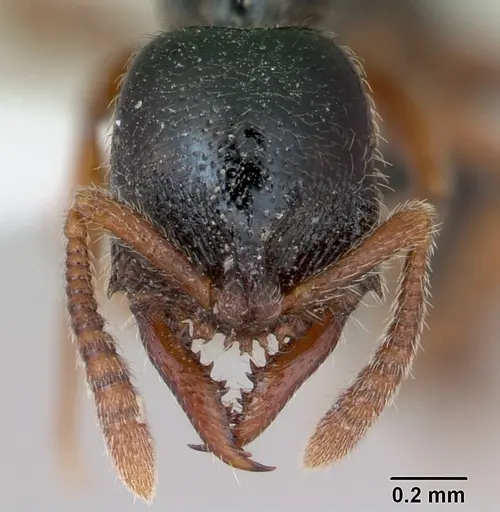
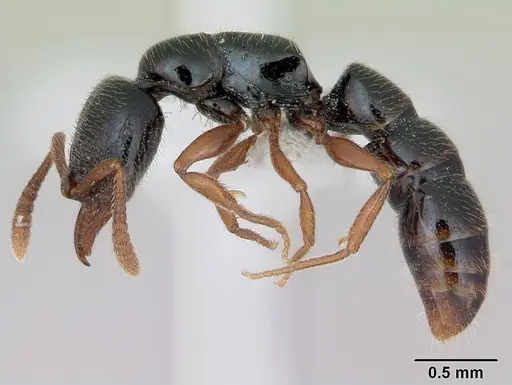
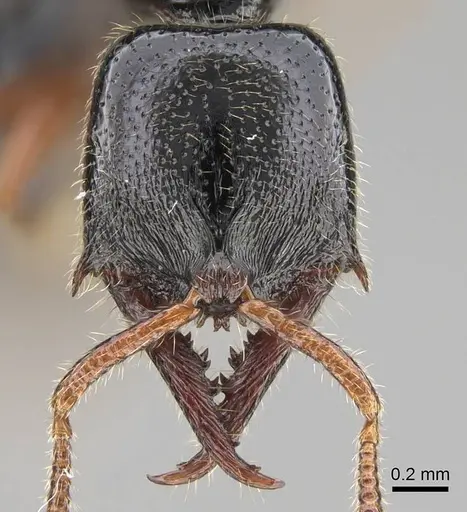
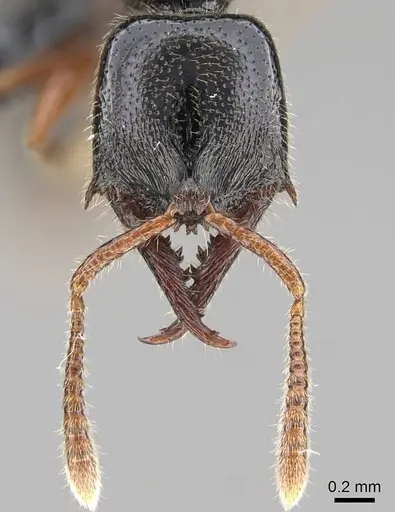
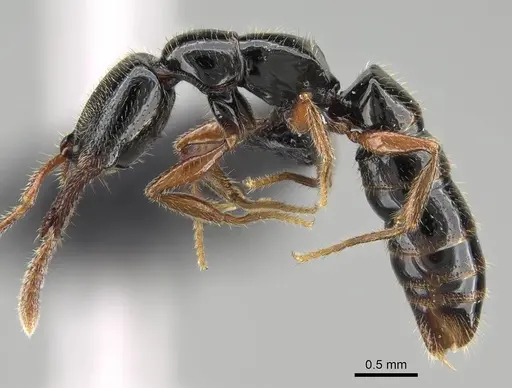
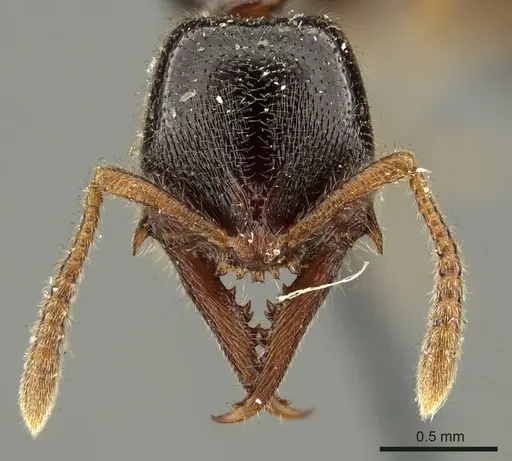
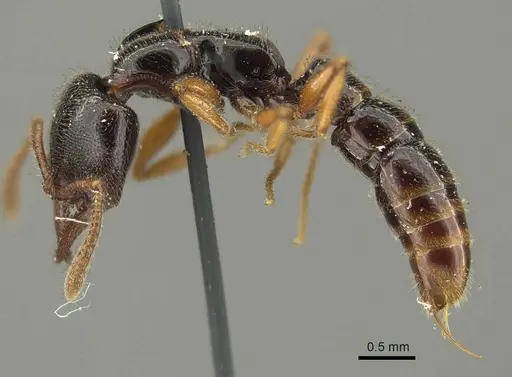
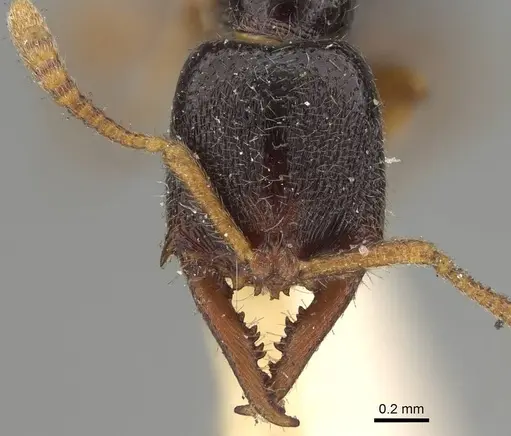
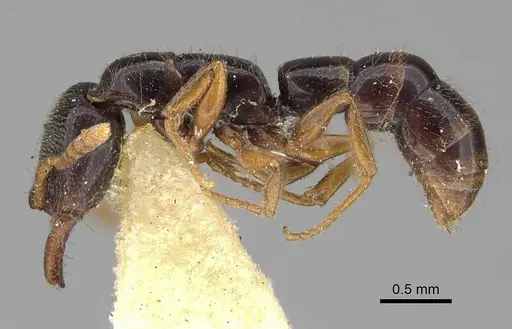
Fulakora armigera is a medium-sized ant species native to the Neotropical region, found in Brazil, Argentina, and Paraguay [1]. Workers have distinctive longitudinal striations on the head and genal teeth that help identify them [2][3]. These ants belong to the Amblyoponinae subfamily, commonly known as 'dracula ants' for their unique hunting behavior. They are cryptic, subterranean ants that live in soil and leaf-litter environments, making them challenging to observe in the wild [4][5].
What makes F. armigera particularly interesting is its extreme rarity in ant surveys, it appears almost exclusively in native, undisturbed forest habitats and is rarely found in modified landscapes [6][7]. This specialist lifestyle means they have specific habitat requirements that can be difficult to replicate in captivity. They are classified as specialist predators that hunt small prey in the litter and soil layer [8].
Quick Summary
- Difficulty: Hard
- Origin & Habitat: Neotropical region, Brazil, Argentina, Paraguay. Found in native Atlantic Forest, cerrado, and seasonally dry tropical forest habitats [1][9]. These ants live in soil and leaf-litter, preferring undisturbed native forest environments [6][7].
- Colony Type: Colony structure is unconfirmed. Based on Amblyoponinae patterns, likely single-queen colonies with small worker populations.
- Size & Growth:
- Queen: Unconfirmed, estimated 6-8mm based on genus patterns
- Worker: Medium-sized, approximately 4-6mm [2][3]
- Colony: Likely small colonies, estimated under 100 workers based on related species and rarity in surveys
- Growth: Slow
- Development: Unknown, estimated 8-12 weeks based on related Amblyoponinae species (Development time is unconfirmed for this species. Related Amblyoponinae species typically have slower development than common ant genera.)
- Antkeeping:
- Temperature: Keep at 22-26°C, these are tropical/subtropical ants from Brazil and Argentina. A gentle gradient allowing them to choose their preferred temperature works best.
- Humidity: High humidity required, they naturally live in soil and leaf-litter in humid forest environments. Keep the nest substrate consistently moist but not waterlogged.
- Diapause: Likely minimal or no diapause, their Neotropical range suggests year-round activity is possible, though a slight cool period during winter months may be beneficial.
- Nesting: Subterranean species requiring moist soil or test tube setups with high humidity. They prefer dark, enclosed spaces. A Y-tong or plaster nest with consistent moisture works well. Avoid dry, ventilated setups.
- Behavior: These ants are cryptic and subterranean, spending most of their time hidden in soil and leaf-litter. They are specialist predators, hunting small invertebrates. Workers are not aggressive and rarely come to the surface. Escape risk is moderate, they are small but not particularly fast-moving. However, their small size and preference for hiding means they can slip through small gaps.
- Common Issues: extreme difficulty in establishing colonies, they are rarely found and difficult to locate in the wild, specialist predator requirements, need constant supply of small live prey like springtails or fruit flies, high humidity is critical, colonies fail quickly in dry conditions, rare in collections means limited husbandry information and no established breeding stock, subterranean lifestyle makes them hard to observe and easy to lose track of in complex setups
Natural History and Distribution
Fulakora armigera is endemic to the Neotropical region, specifically found in Brazil, Argentina, and Paraguay [1]. These ants show a strong preference for native, undisturbed forest habitats. Studies consistently find them only in primary forest or advanced regeneration areas, never in plantations or modified landscapes [6][7][10]. They are considered specialist predators living in the litter and soil layer [8]. The species is rarely encountered in ant surveys, in many studies, only single specimens are recorded despite extensive sampling [11]. This rarity makes them one of the less-studied ant species in the region.
Housing and Nest Setup
Because F. armigera is a subterranean species, they need a setup that maintains high humidity while providing darkness. A test tube setup works well for founding colonies, keep the water chamber filled and ensure the cotton is snug but not compressing the queen. For established colonies, a Y-tong nest or plaster formicarium with a water reservoir maintains the moisture they need. The nest should be kept in a dark location or covered to simulate underground conditions. Avoid setups with excessive ventilation, as these ants thrive in stable, humid microenvironments. A small outworld for feeding is sufficient since workers rarely venture far from the nest.
Feeding and Diet
As specialist predators, F. armigera requires live small prey. Based on their classification as litter and soil predators, they likely hunt small invertebrates like springtails, mites, and tiny insects [8]. Offer small live prey such as fruit flies, pinhead crickets, or most importantly, springtails. Prey should be smaller than the workers, these are not large ants. Sugar sources are unlikely to be accepted, as Amblyoponinae are not typically sugar-feeding ants. Feed small prey items 2-3 times per week, removing any uneaten prey after 24 hours to prevent mold.
Temperature and Humidity Requirements
Being from Brazil and Argentina, these ants prefer warm conditions in the low-to-mid 20s Celsius. Keep the nest at 22-26°C, with a slight gradient if possible. Temperature affects development, warmer temperatures within this range speed up brood development, while cooler temperatures slow it. Humidity is critical: they naturally live in moist soil and leaf-litter environments. The nest substrate should feel consistently damp but never waterlogged. A small water dish in the outworld helps maintain ambient humidity. Avoid placing the nest near heating elements that could dry it out.
Colony Development and Growth
Fulakora armigera colonies likely remain small, probably under 100 workers at maturity based on their rarity in field surveys and related species patterns. Growth is slow, Amblyoponinae species typically develop more slowly than common ant genera like Lasius or Camponotus. The first workers (nanitics) will be smaller than mature workers and may take several months to appear. Be patient with founding colonies, disturbing the queen during founding can cause her to abandon or eat the brood. Once established, colonies grow gradually rather than explosively.
Frequently Asked Questions
How long does it take for Fulakora armigera to produce first workers?
The exact timeline is unconfirmed, but based on related Amblyoponinae species, expect 8-12 months from founding to first workers. These are slow-growing ants compared to common species.
Can I keep Fulakora armigera in a test tube?
Yes, test tubes work well for founding colonies. Keep the water chamber filled and maintain high humidity around the tube. Cover the tube to provide darkness.
What do Fulakora armigera eat?
They are specialist predators that need small live prey. Offer springtails, fruit flies, or tiny crickets. Do not rely on sugar water or honey, these ants are not sugar feeders.
Are Fulakora armigera ants aggressive?
No, these are cryptic, non-aggressive ants. Workers avoid light and rarely come to the surface. They pose no threat to keepers.
Do Fulakora armigera need hibernation?
Likely no, their Neotropical distribution suggests year-round activity is possible. A slight cool period in winter may be beneficial but is not required.
How big do Fulakora armigera colonies get?
Colonies likely remain small, probably under 100 workers at maturity based on their rarity in field surveys.
Are Fulakora armigera good for beginners?
No, this species is recommended for experienced antkeepers only. They have specific humidity requirements, need constant live prey, and are extremely difficult to acquire.
Why are my Fulakora armigera dying?
The most common causes are: low humidity (critical for this species), lack of live prey, and disturbance during founding. Ensure the nest stays damp and prey is always available.
Can I keep multiple queens together?
This has not been documented. Based on Amblyoponinae patterns, single-queen colonies are most likely. Do not attempt combining unrelated queens.
What temperature should I keep Fulakora armigera at?
Keep nest temperature at 22-26°C. This matches their native Brazilian/Argentinian habitat. A gentle gradient allows the ants to choose their preferred temperature.
References

This caresheet is licensed under CC BY-SA 4.0 .
CASENT0102197
View on AntWeb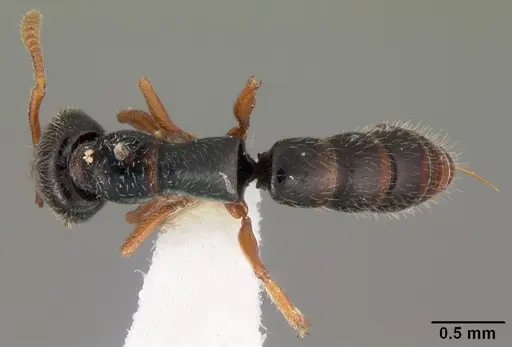
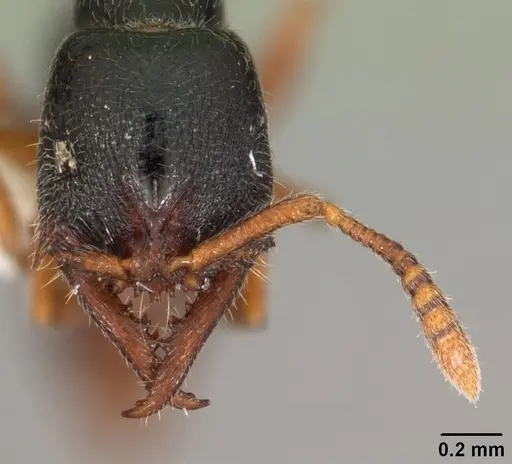
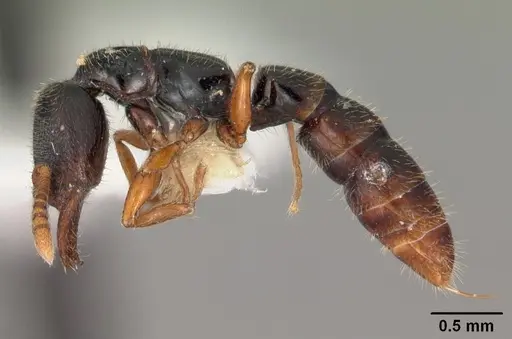
CASENT0102512
View on AntWeb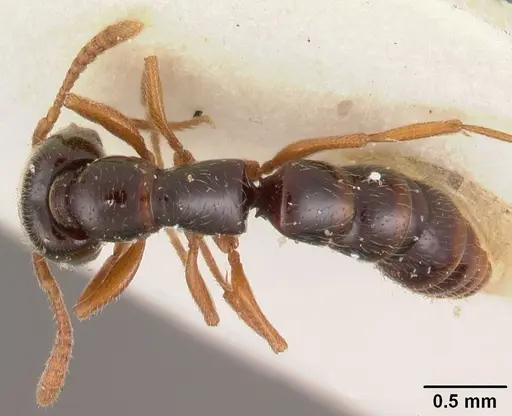
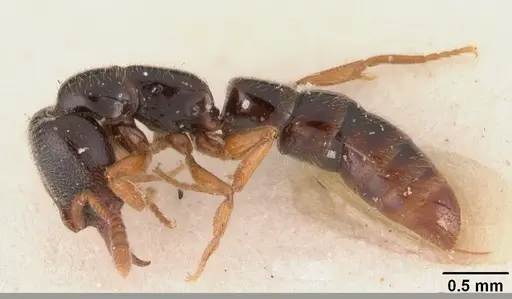
CASENT0172399
View on AntWeb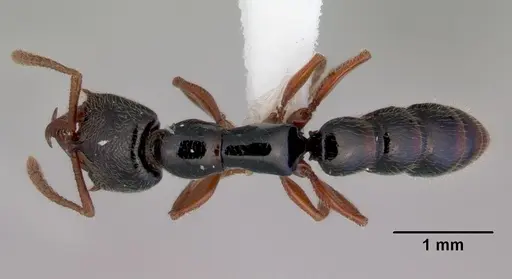
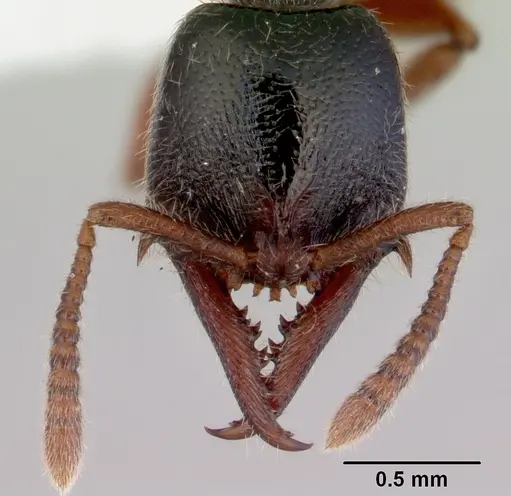
CASENT0173503
View on AntWeb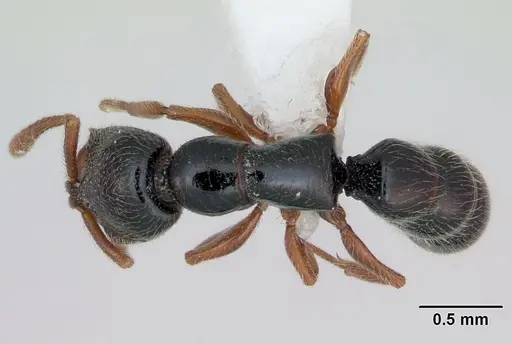
CASENT0179452
View on AntWeb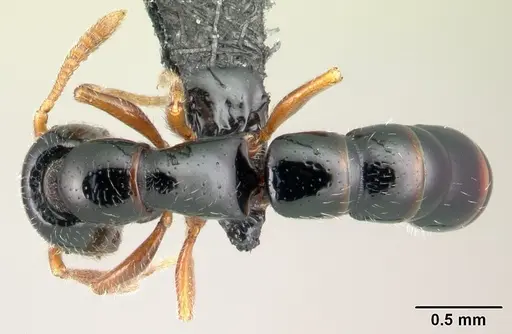
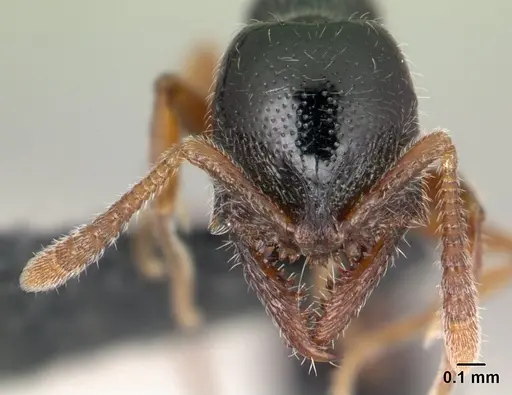
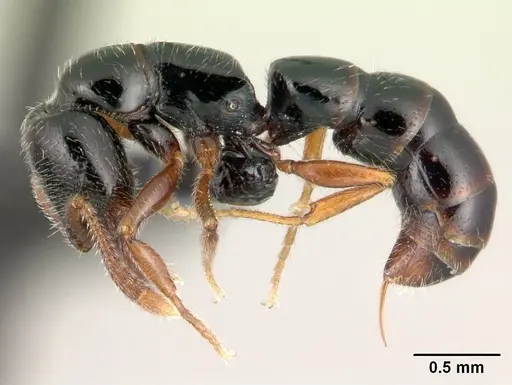
CASENT0227932
View on AntWeb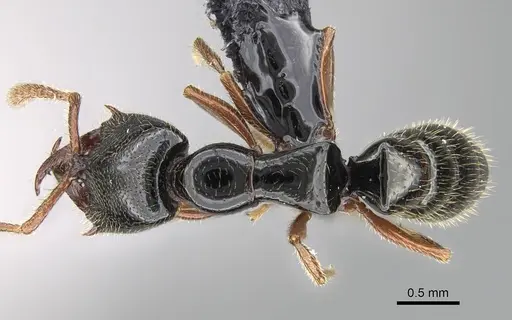
CASENT0915647
View on AntWeb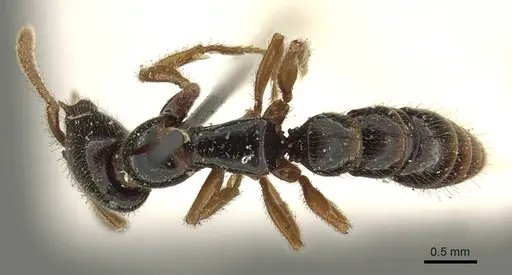
CASENT0922076
View on AntWeb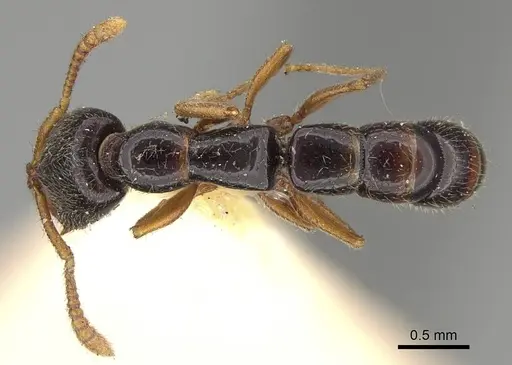
Literature
Loading...Loading products...