

Fulakora agostii
- Scientific Name
- Fulakora agostii
- Tribe
- Amblyoponini
- Subfamily
- Amblyoponinae
- Author
- Lacau & Delabie, 2002
- Distribution
- Found in 1 countries
Fulakora agostii Overview
Fulakora agostii is an ant species of the genus Fulakora. It is primarily documented in 1 countries , including Brazil. Detailed taxonomic data and occurrence records can be further explored via authoritative databases such as AntWeb or the Global Biodiversity Information Facility (GBIF).
Fulakora agostii
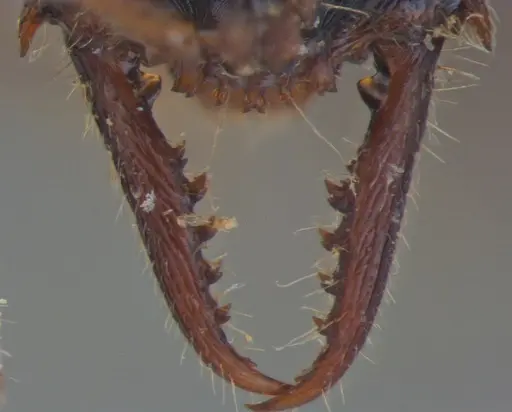
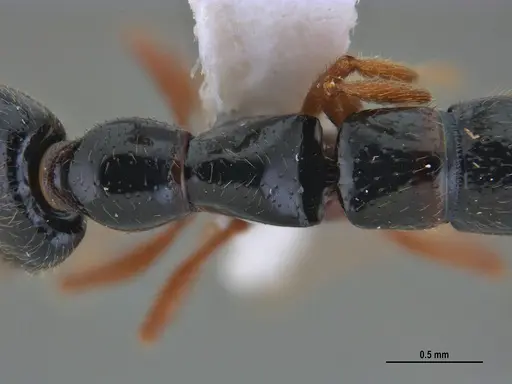
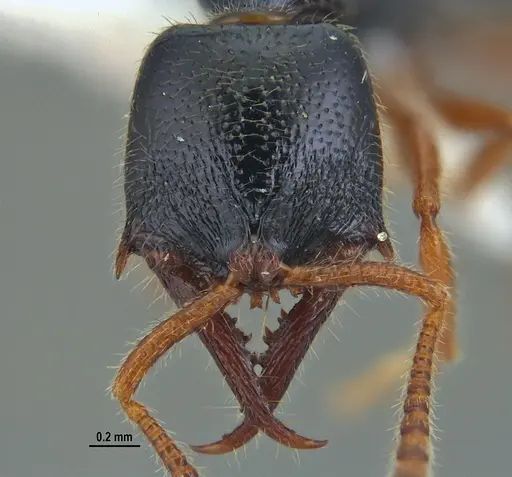
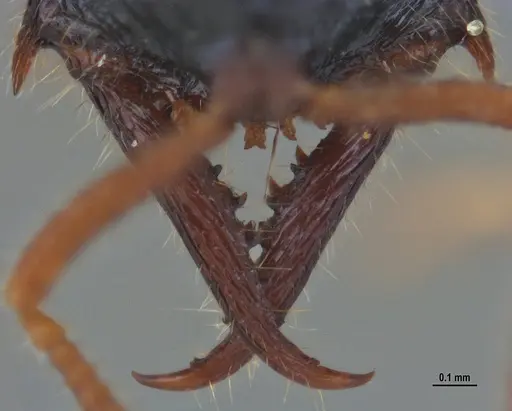
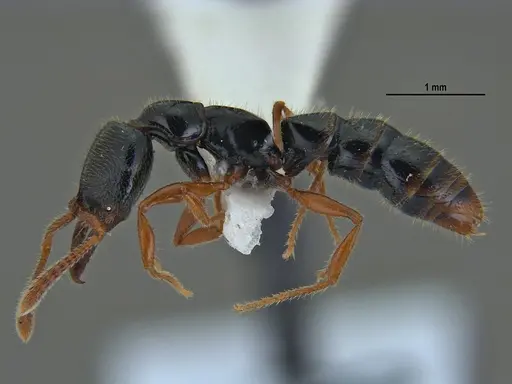
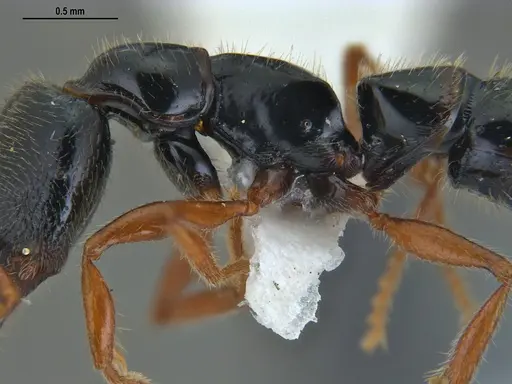
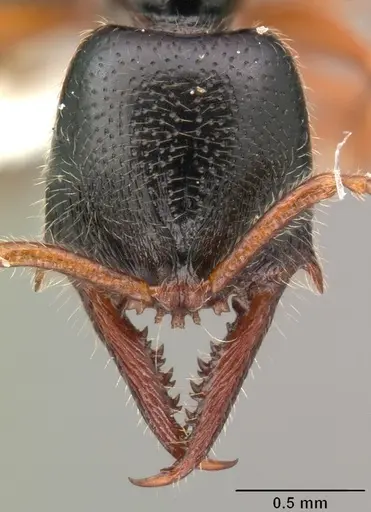
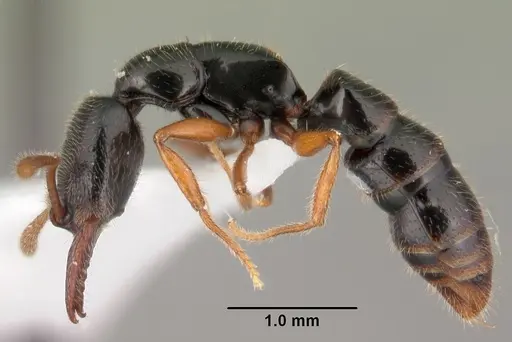
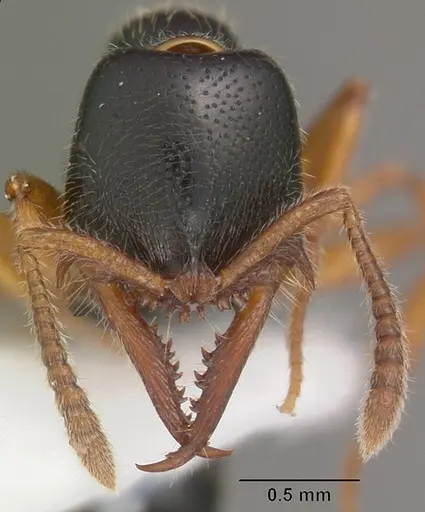
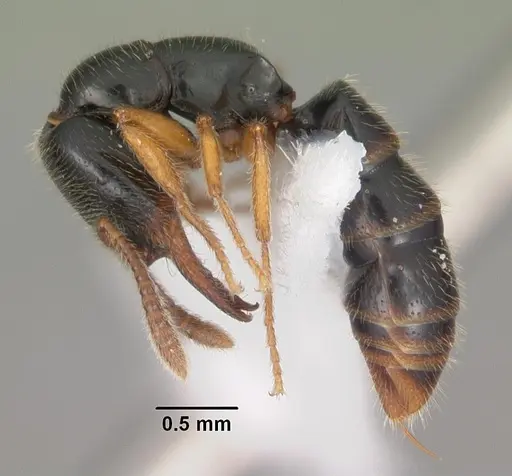
Fulakora agostii is a medium-sized ant belonging to the Amblyoponinae subfamily, commonly known as dracula ants. Workers measure 4.26-5.1mm in total length, making them relatively large among Amblyoponinae species [1][2]. They feature distinctive genal teeth (tooth-like projections on the cheeks) with one side longer than the width of its base and the other exceeding the greatest diameter of the antennal scape. The head shows longitudinal striations on the anterior third while appearing mostly shiny overall [1][2]. This species originates from the Neotropical region, originally described from Bahia, Brazil and now documented across Brazil, Colombia, and Panama [3][4]. The Colombian populations have been found at elevations between 1523-1663m in Andean coffee farm landscapes [3].
Quick Summary
- Difficulty: Medium
- Origin & Habitat: Native to the Neotropical region, Brazil, Colombia, and Panama. Found in humid forest environments at elevations up to 1663m in Andean coffee farm landscapes in Colombia [3][4].
- Colony Type: Colony structure is unconfirmed. Based on typical Amblyoponinae patterns, likely single-queen (monogyne) colonies with potential ergatoid replacement reproductives.
- Colony: Monogyne
- Founding: Semi-claustral
- Size & Growth:
- Queen: Estimated 6-8mm based on genus patterns (queens not directly described in available literature)
- Worker: 4.26-5.1mm total length [1]
- Colony: Estimated 50-200 workers based on typical Amblyoponinae colony sizes
- Growth: Moderate, estimated based on related Amblyoponinae species
- Development: Estimated 8-12 weeks at optimal temperature based on genus-level inference from related Amblyoponinae (Development timeline is estimated, no direct species-specific data available. Amblyoponinae typically have moderate development times compared to other ant subfamilies.)
- Antkeeping:
- Temperature: Keep around 22-26°C. Based on their Neotropical distribution and Andean elevation (1523-1663m), they likely prefer warm but not hot conditions with moderate humidity. A temperature gradient allowing them to choose their preferred zone is ideal.
- Humidity: Maintain moderate to high humidity (60-80%). These forest-floor ants from humid Neotropical habitats need consistently moist substrate without being waterlogged. Provide a water tube as a humidity source.
- Diapause: Likely a mild winter slowdown period rather than true hibernation, given their tropical/subtropical distribution. Reduce feeding and lower temperatures slightly (to around 18-20°C) for 2-3 months during winter months if colony shows reduced activity.
- Nesting: In captivity, they do well in test tubes or acrylic nests with moist substrate. They prefer dark, humid nest chambers. A Y-tong (AAC) nest or plaster nest works well. Provide constant access to a water tube. Avoid dry, heated formicariums, they need stable humidity.
- Behavior: Fulakora agostii is a predatory ant, typical of the Amblyoponinae subfamily. They likely hunt small arthropods and may exhibit the characteristic dracula ant behavior of puncturing brood to feed on hemolymph. Workers are moderately active and forage individually. They are not aggressive toward keepers but may bite if threatened. Escape risk is moderate, use standard barrier methods. Their small to medium size (under 5mm) means escape prevention should be taken seriously.
- Common Issues: colonies may fail if humidity drops too low, these forest ants need consistent moisture, predatory diet means they require live prey, sugar sources alone will not sustain them, slow colony growth can lead to keeper impatience and overfeeding, causing mold issues, wild-caught colonies may carry parasites that can devastate captive colonies, test tube setups can flood if water reservoirs are overfilled, use appropriate tube size
Housing and Nest Setup
Fulakora agostii does well in test tube setups for founding colonies and early growth. Use a standard test tube with a water reservoir at one end, stopped with a cotton plug, this provides both drinking water and humidity. For established colonies, a Y-tong (AAC) nest or plaster nest works well. These ants prefer dark, enclosed spaces and will readily accept acrylic nests with narrow chambers. Keep the nest area consistently moist but not waterlogged. A second test tube with fresh water should always be available as a drinking source. Avoid dry setups or nests placed near heating elements that could dry out the substrate.
Feeding and Diet
As a predatory Amblyoponinae species, Fulakora agostii requires a protein-rich diet of live small arthropods. Offer small live prey such as fruit flies, small crickets, mealworms, or other small insects. They are likely obligate predators and will not thrive on sugar water alone. Some Amblyoponinae exhibit 'dracula ant' behavior where they puncture the cuticle of prey (or sometimes their own brood) to feed on hemolymph, this may or may not be present in this species. Feed protein prey 2-3 times per week, removing uneaten prey after 24 hours to prevent mold. A small amount of sugar water or honey can be offered occasionally but should not be the primary food source.
Temperature and Seasonal Care
Maintain temperatures between 22-26°C for optimal colony health and brood development. Their collection at 1523-1663m elevation in Colombia suggests they can tolerate cooler conditions than strict tropical species, but they still prefer warmth. Use a heating cable on one side of the nest if room temperature falls below 22°C, but always provide a temperature gradient so ants can move to their preferred zone. During winter months (if your climate has seasons), you may reduce temperatures slightly to 18-20°C and reduce feeding frequency. This species likely does not require true hibernation but benefits from a mild winter slowdown period of 2-3 months. [3]
Colony Development
Colony growth is expected to be moderate. The first workers (nanitics) will likely appear within 2-3 months after the queen begins laying eggs, with full development from egg to worker taking an estimated 8-12 weeks at optimal temperature. This estimate is based on typical Amblyoponinae development patterns since species-specific data is not available. Colonies likely reach 50-200 workers at maturity. Growth can be slow compared to faster-growing genera like Lasius or Tapinoma, so patience is required. Do not overfeed in an attempt to speed growth, excess food mold is a common killer of small ant colonies.
Behavior and Temperament
Fulakora agostii workers are moderately active foragers, likely hunting individually rather than in groups. They are not particularly aggressive toward keepers and rarely bite, though they may attempt to bite if directly handled or if the nest is disturbed. Their small size (under 5mm) means they can squeeze through small gaps, use standard escape prevention with fluon barriers or fine mesh. They are not known for major escape problems but should be housed in secure setups. Workers likely have moderate lifespans typical of Amblyoponinae, several months to over a year for workers. [1][2]
Frequently Asked Questions
How long does it take for Fulakora agostii to produce first workers?
Expect first workers (nanitics) within 2-3 months after the queen begins laying eggs. The total egg-to-worker development takes approximately 8-12 weeks at optimal temperature (22-26°C). This is an estimate based on typical Amblyoponinae development, as species-specific data is not available.
What do Fulakora agostii ants eat?
They require live protein prey, small insects like fruit flies, small crickets, or mealworms. They are predatory ants and will not thrive on sugar water alone. Offer protein prey 2-3 times per week and remove uneaten prey after 24 hours.
Can I keep Fulakora agostii in a test tube setup?
Yes, test tubes work well for founding colonies. Use a standard test tube with a water reservoir at one end for humidity and drinking water. Keep the tube in a dark, humid location. For established colonies, consider transitioning to a Y-tong or plaster nest.
Do Fulakora agostii ants sting?
They are not known for stinging and rarely bite unless directly handled. Their small size and mild temperament make them manageable for antkeepers. Standard handling precautions are sufficient.
What temperature do Fulakora agostii need?
Keep them at 22-26°C. They can tolerate slightly cooler conditions given their Andean elevation range (found up to 1663m in Colombia), but warmth promotes growth and brood development. A temperature gradient is ideal.
Do Fulakora agostii need hibernation?
True hibernation is likely not required. Given their tropical/subtropical distribution, they benefit from a mild winter slowdown (2-3 months at 18-20°C with reduced feeding) rather than cold hibernation. This mimics seasonal changes in their natural habitat.
How big do Fulakora agostii colonies get?
Colonies likely reach 50-200 workers at maturity. This is an estimate based on typical Amblyoponinae colony sizes, as maximum colony size for this specific species has not been documented.
Is Fulakora agostii good for beginners?
This species is rated as Medium difficulty. They require more specific care than beginner species like Lasius, particularly their predatory diet and humidity needs make them less forgiving of mistakes. Experienced antkeepers will have more success with this species.
When should I move Fulakora agostii to a formicarium?
Move to a larger nest (Y-tong, plaster, or acrylic formicarium) when the test tube becomes crowded or the colony reaches 20-30 workers. Ensure the new setup maintains high humidity and has dark chambers.
Why is my Fulakora agostii colony dying?
Common causes include: low humidity (they need consistent moisture), improper diet (they need live prey, not just sugar), mold from overfeeding, or temperatures outside their 22-26°C range. Check these parameters first. Wild-caught colonies may also carry parasites.
References

This caresheet is licensed under CC BY-SA 4.0 .
ANTWEB1047717
View on AntWeb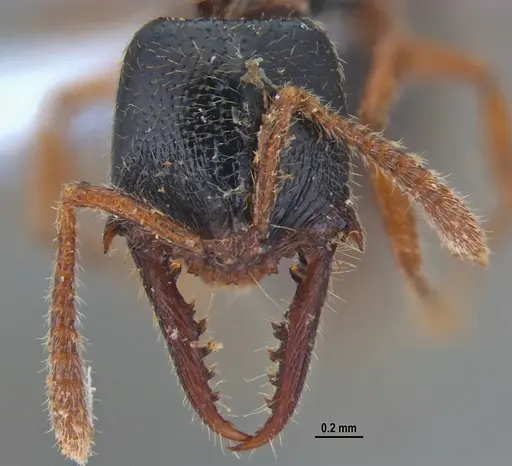
ANTWEB1047718
View on AntWeb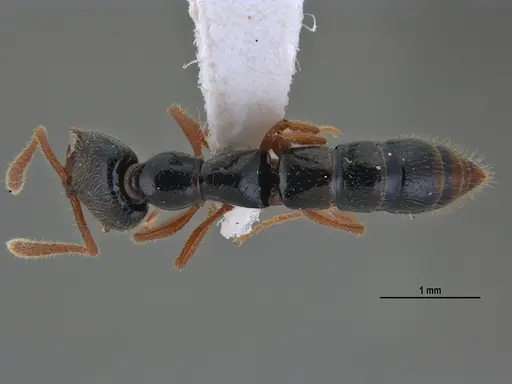
CASENT0101451
View on AntWeb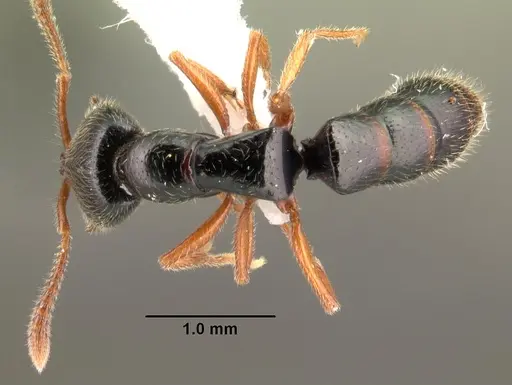
CASENT0102201
View on AntWeb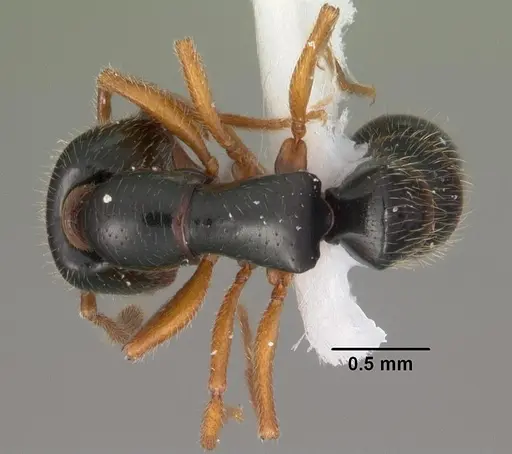
Literature
Loading...Loading products...