

Froggattella kirbii
- Scientific Name
- Froggattella kirbii
- Tribe
- Leptomyrmecini
- Subfamily
- Dolichoderinae
- Author
- Lowne, 1865
- Common Name
- Common Froglet Ant
- Distribution
- Found in 1 countries
Froggattella kirbii Overview
Froggattella kirbii (commonly known as the Common Froglet Ant) is an ant species of the genus Froggattella. It is primarily documented in 1 countries , including Australia. Detailed taxonomic data and occurrence records can be further explored via authoritative databases such as AntWeb or the Global Biodiversity Information Facility (GBIF).
Froggattella kirbii - "Common Froglet Ant"
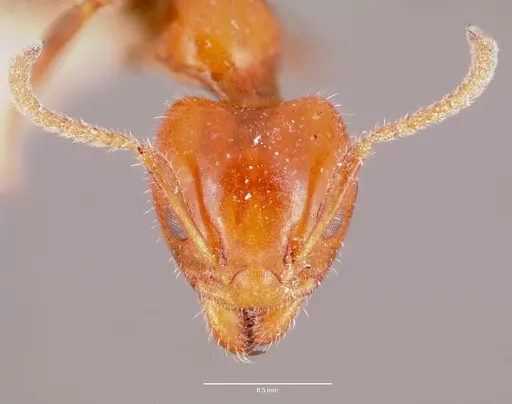
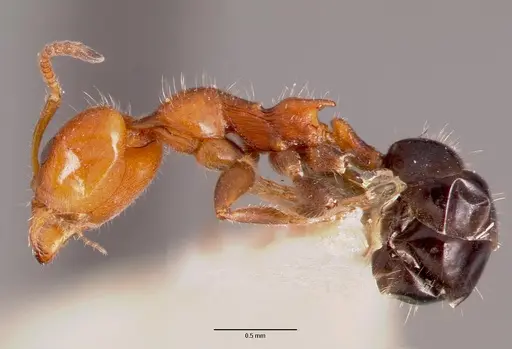
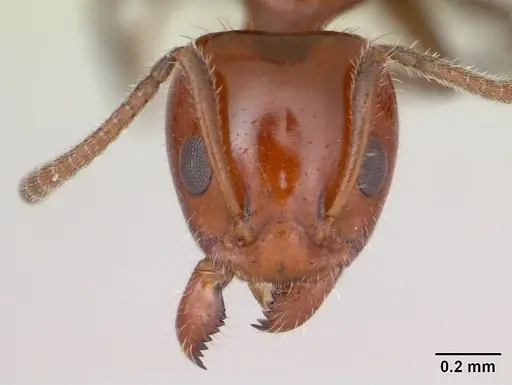
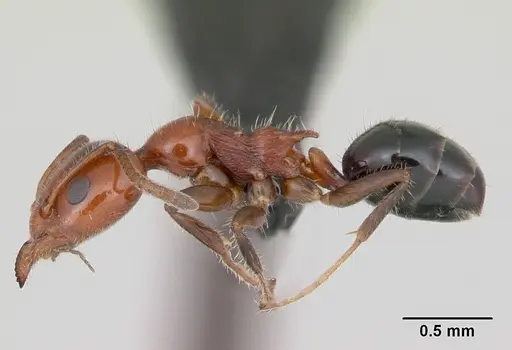
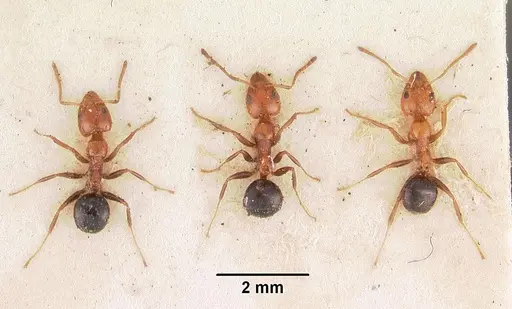
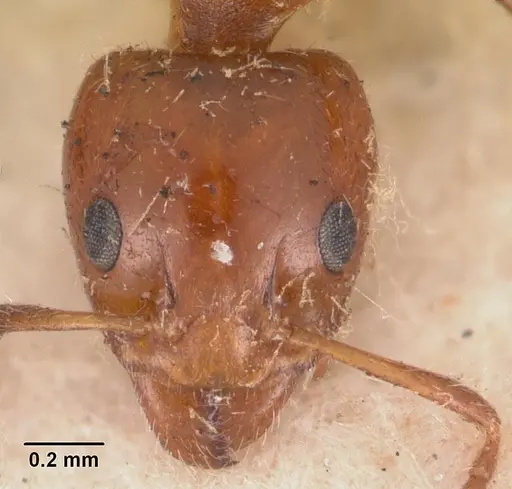
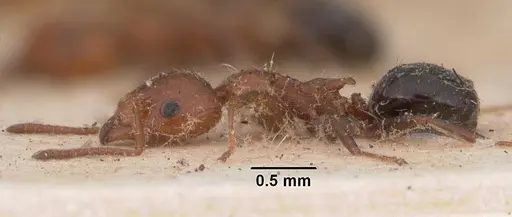
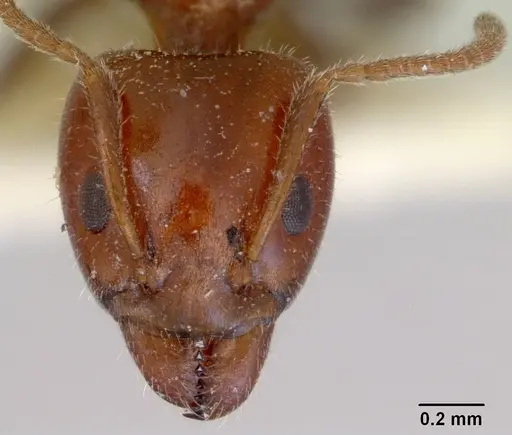
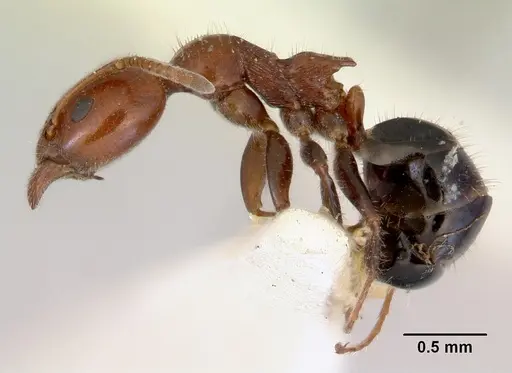
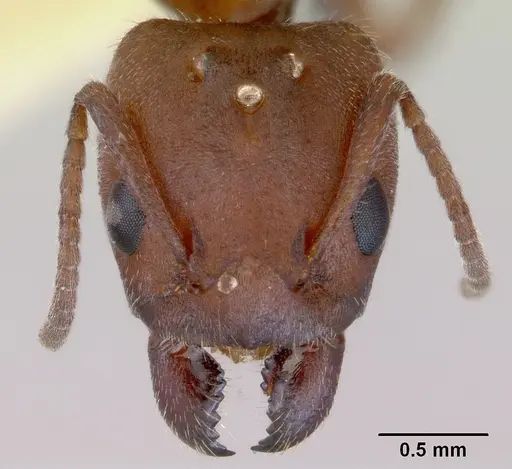
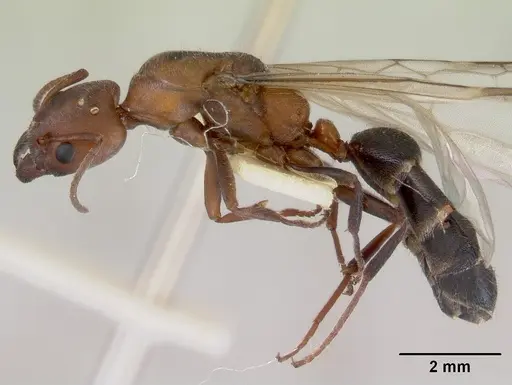
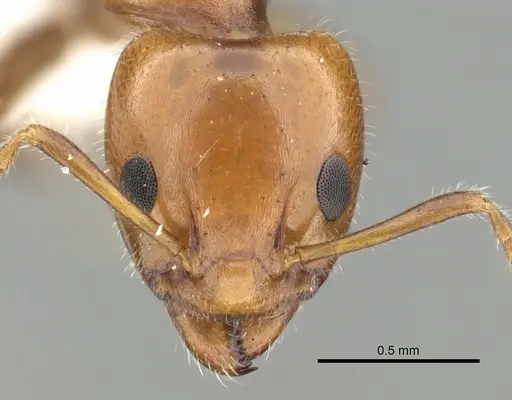
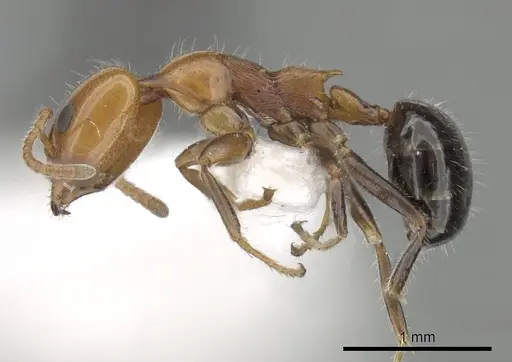
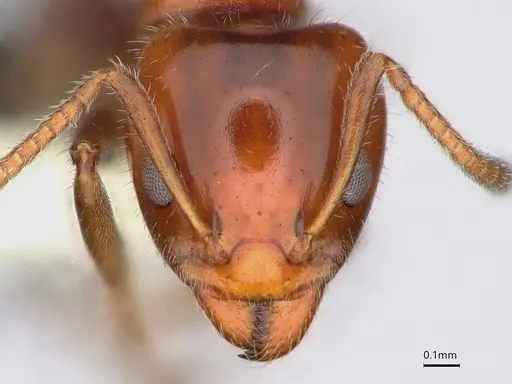
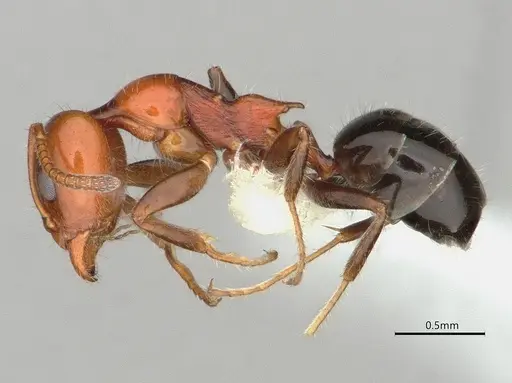
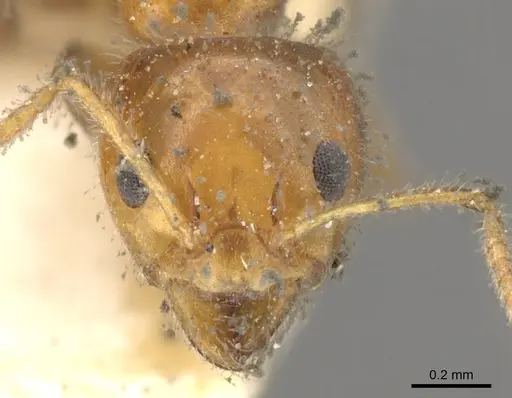
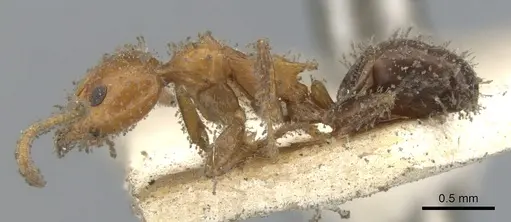
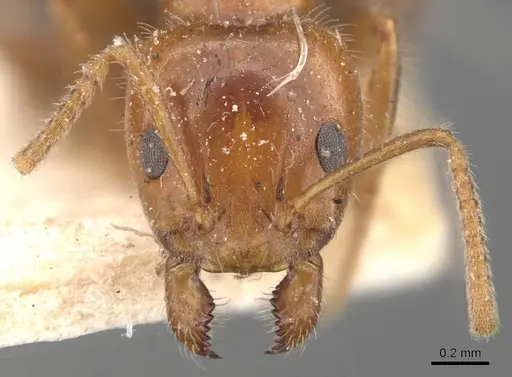
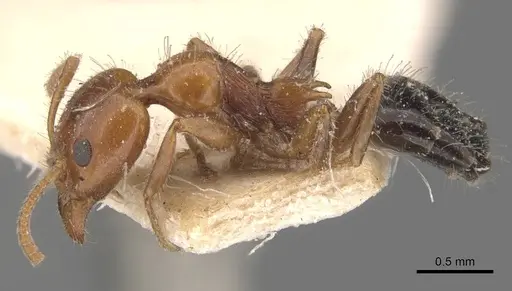
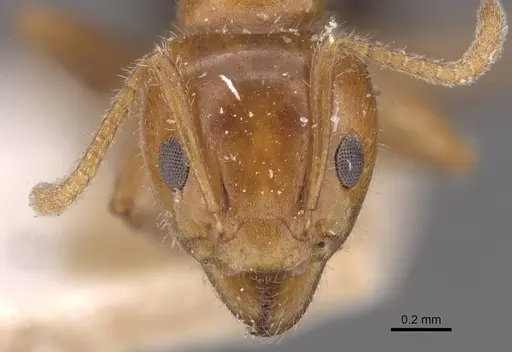
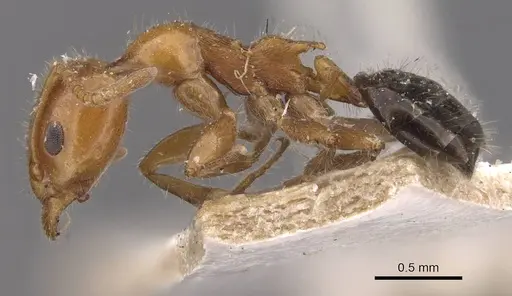
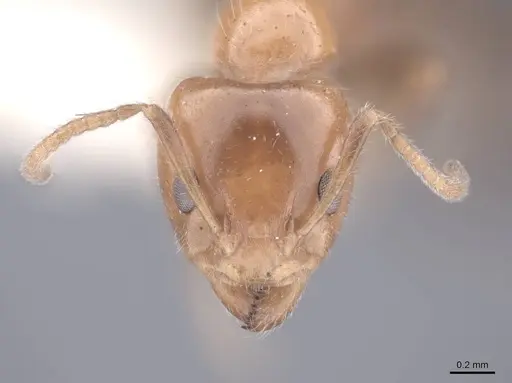
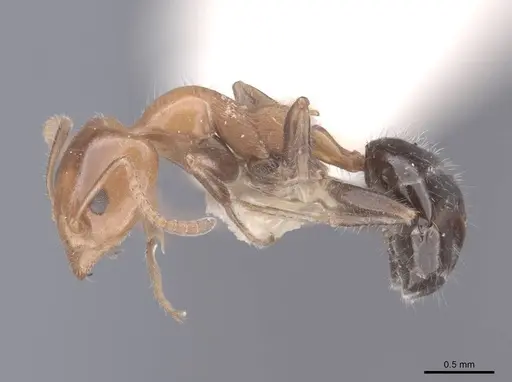
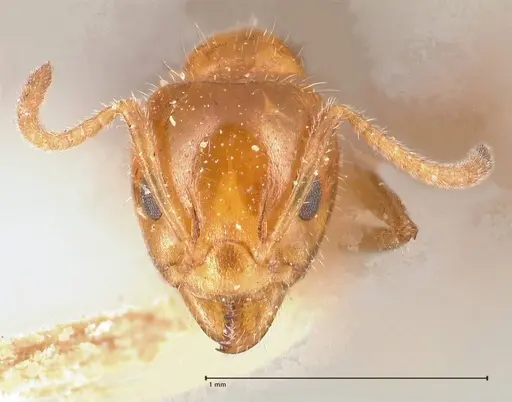
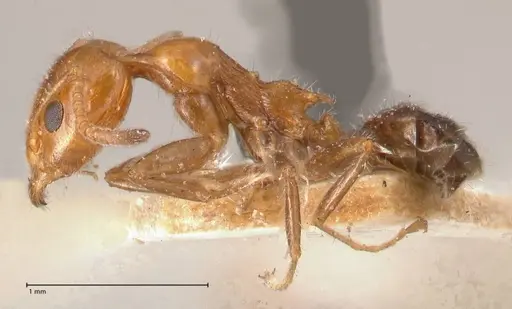
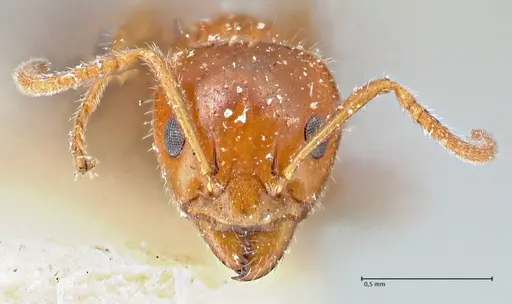
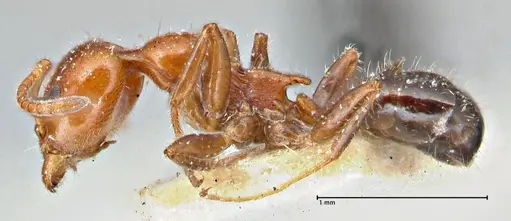
Froggattella kirbii is a distinctive Australian ant species known for its striking coloration, workers have a bright red or yellowish-red body with a black gaster showing blue reflections. Workers measure 3.5-3.7mm, while queens are substantially larger at 7-8.5mm. This species belongs to the Dolichoderinae subfamily and is one of two species in the genus Froggattella, making it the most common and widely distributed of the two [1]. The species shows considerable size variation between nest series, though this variation is continuous and genetic rather than indicating separate species [2].
Quick Summary
- Difficulty: Medium
- Origin & Habitat: Froggattella kirbii is endemic to Australia, found in four disjunct regions: south-eastern Australia, south-western Western Australia, coastal northern Queensland, and the Darwin/Kimberley regions [2]. It inhabits drier sclerophyll woodland including mallee, and deliberately avoids wet sclerophyll woodlands and rainforests [2]. All known nests have been found in rotten wood above ground, typically in stumps or dead branches on living trees [2].
- Colony Type: Colony structure is unconfirmed. The species has not been studied for queen number or colony organization. Workers are commonly observed foraging and trailing on tree trunks and the ground.
- Size & Growth:
- Queen: 7-8.5mm [2]
- Worker: 3.5-3.7mm [2]
- Colony: Unknown, no colony size data available
- Growth: Moderate, inferred from typical Dolichoderinae development patterns
- Development: 6-10 weeks, estimated based on typical Dolichoderinae development at warm temperatures (Development time is estimated as this species has not been directly studied. Related Dolichoderinae species typically develop in 6-10 weeks at optimal temperatures.)
- Antkeeping:
- Temperature: Keep at 24-28°C based on Australian tropical/subtropical origin. A gentle gradient allows workers to regulate their temperature preference.
- Humidity: Low to moderate, this species inhabits drier sclerophyll woodland and avoids wet areas. Keep nest substrate moderately dry, similar to their natural dry woodland habitat.
- Diapause: Unlikely, being from tropical and subtropical Australia, they probably do not require a true diapause. However, a slight cooling period during winter months may be beneficial.
- Nesting: In nature, they nest in rotten wood above ground, stumps and dead branches on living trees. In captivity, a wooden nest (Y-tong or similar) works well. They prefer narrow chambers and passages scaled to their worker size. Avoid overly humid conditions.
- Behavior: Workers are day-active foragers that trail along tree trunks, low vegetation, and the ground [3]. They are known to evade capture by quickly hiding under bark [3]. They are attracted to protein and fat sources, as evidenced by their response to minced meat baits in studies [4]. They are not particularly aggressive but are quick-moving and may escape if given the chance. Their small size means escape prevention is important.
- Common Issues: escape prevention is critical due to their small size, use fine mesh and tight-fitting barriers, dry habitat requirements may conflict with keeping other ant species that need higher humidity, wild colonies may be difficult to locate as they nest in elevated rotten wood, fast movement makes them challenging to observe and handle during transfers
Natural History and Distribution
Froggattella kirbii is endemic to Australia and shows a fascinating disjunct distribution across four geographically separated regions: south-eastern Australia, south-western Western Australia, coastal northern Queensland, and the Darwin/Kimberley regions. The gaps between these regions, the Nullarbor Plain between south-eastern and south-western Australia, and the Gulf Country between northern Queensland and the Darwin region, have significantly different climates and vegetation types that appear unsuitable for this species. The region between Townsville and Rockhampton in coastal Queensland has lower rainfall and higher temperatures than areas where F. kirbii occurs, which likely limits their presence there [2].
This species is a member of the tribe Leptomyrmecini and represents part of an Australian radiation of Dolichoderine ants [5]. It is the most common and widely distributed of the two Froggattella species [1]. In southwestern Australia, it avoids the wetter corners but is not uncommon in the wheatbelt and mallee country [3].
Nest Preferences and Housing
In the wild, Froggattella kirbii exclusively nests in rotten wood above ground, typically in stumps or dead branches attached to living trees [2]. This is an important clue for captive care, they are not ground-nesting ants but rather prefer elevated wooden nests. All known collections have been from such situations, never from soil or ground-level locations.
For antkeeping, a wooden nest such as a Y-tong (acrylic) or natural wood formicarium works well. The chambers should be appropriately scaled to worker size (3.5-3.7mm). Because they naturally nest in rotting wood, they likely prefer slightly softer nesting materials compared to species that excavate in soil. Avoid test tube setups unless modified with wood elements, as this species clearly prefers wood-based nesting sites.
The species is associated with high-complexity habitats in urban areas, being unique to areas with complex vegetation structure [4]. This suggests they benefit from environmental enrichment and may do better in naturalistic setups with multiple chambers and corridors.
Feeding and Diet
Field studies using minced meat baits show that Froggattella kirbii is attracted to protein and fat sources, indicating a predator/scavenger feeding guild [4]. Workers are day-active foragers that search for food on tree trunks, low vegetation, and the ground [3]. In captivity, offer protein sources such as small insects (fruit flies, small mealworms, crickets), and sugar sources like honey or sugar water.
Their foraging behavior in the wild involves trailing along tree trunks and the ground, actively searching for food resources. The fact that they respond to meat baits suggests they are opportunistic feeders that will scavenge protein when available. Feed protein foods 2-3 times per week and maintain a constant sugar water source. Remove uneaten prey after 24-48 hours to prevent mold.
Their natural diet likely consists of small arthropods, honeydew from sap-sucking insects, and other protein sources they can scavenge or hunt.
Temperature and Seasonal Care
As an Australian species from tropical and subtropical regions, Froggattella kirbii prefers warmer temperatures. Keep the nest at 24-28°C for optimal colony activity and development. Being from disjunct populations across northern and southern Australia, they may tolerate a range of temperatures but will be most active in the warmer end of this range.
A heating cable on one side of the nest can create a temperature gradient, allowing workers to regulate their body temperature by moving between warmer and cooler areas. Place the heating on top of the nest to avoid excessive drying.
Regarding diapause, being from tropical/subtropical Australia, they likely do not require a true hibernation period. However, a slight reduction in temperature during winter months (perhaps dropping to 18-20°C) may simulate natural seasonal variation and could benefit colony health. Do not cool them dramatically, they are not adapted to cold temperatures.
Behavior and Handling
Froggattella kirbii workers are quick-moving and day-active. They are known to evade capture by hiding under bark, demonstrating good escape responses [3]. This behavior should inform your approach to housing, ensure all connections are secure and use appropriate barriers.
The workers trail along tree trunks and the ground in search of food, showing active foraging behavior rather than waiting for food to come to them. They are not particularly aggressive toward keepers but will defend their nest if threatened.
Their small size (3.5-3.7mm for workers) means they can squeeze through small gaps. Use fine mesh for any ventilation openings and ensure all edges and connections are tight. Despite their small size, they are not considered fragile and can handle typical antkeeping manipulations.
Queens are significantly larger (7-8.5mm) and should be handled with extra care during colony founding or transfers.
Field Collection and Acquisition
Finding Froggattella kirbii in the wild requires knowing where to look. They nest in rotten wood above ground, look for stumps or dead branches on living trees in drier sclerophyll woodland or mallee areas [2]. Workers can be found foraging on tree trunks and the ground, particularly during daylight hours.
Their distribution is patchy across Australia, so check whether they occur in your specific region. They are most common and widely distributed of the two Froggattella species [1], but are still limited to specific habitat types.
When collecting, look for colonies in rotting wood. As they evade capture by hiding under bark, approach quietly and be prepared to quickly secure any exposed workers. Collecting queen-right colonies may require finding a suitable nest site and waiting for a nuptial flight, or carefully excavating an existing colony in rotten wood.
Frequently Asked Questions
How long does it take for Froggattella kirbii to produce first workers?
The exact timeline is unconfirmed for this species, but based on typical Dolichoderinae development patterns, expect 6-10 weeks from egg to worker at optimal temperatures (24-28°C). This is an estimate, actual development time may vary.
What do Froggattella kirbii ants eat?
They are attracted to protein and fat sources. Feed small insects like fruit flies, small mealworms, or crickets 2-3 times per week. They also readily accept sugar water or honey. Remove uneaten prey after 24-48 hours.
Can I keep Froggattella kirbii in a test tube setup?
While possible, this species naturally nests in rotten wood above ground. A wooden nest (Y-tong or natural wood formicarium) better mimics their natural habitat. If using test tubes, consider adding a small piece of wood or bark for them to interact with.
Do Froggattella kirbii ants need hibernation?
Probably not. Being from tropical and subtropical Australia, they do not require a true diapause. A slight temperature reduction during winter (to around 18-20°C) may be beneficial but is not required.
Are Froggattella kirbii good for beginners?
They are rated as medium difficulty. Their specific habitat requirements (dry woodland, wood-nesting) and small size require some experience. They are not the easiest species for complete beginners, but manageable for those with some antkeeping background.
How big do Froggattella kirbii colonies get?
Colony size is unconfirmed, no data is available on maximum colony size for this species. Based on their size and typical Dolichoderinae patterns, expect moderate-sized colonies.
Do Froggattella kirbii ants escape easily?
Yes. Their small size (3.5-3.7mm workers) means they can squeeze through tiny gaps. Use fine mesh barriers and ensure all connections and lids are tight-fitting.
What temperature should I keep Froggattella kirbii at?
Keep nest temperatures between 24-28°C. A gentle gradient allows workers to self-regulate. Being from tropical/subtropical Australia, they prefer warmer conditions.
Where does Froggattella kirbii live in the wild?
They are endemic to Australia, found in four disjunct regions: south-eastern Australia, south-western Western Australia, coastal northern Queensland, and the Darwin/Kimberley regions. They inhabit drier sclerophyll woodland and mallee, avoiding wet sclerophyll and rainforests.
References

This caresheet is licensed under CC BY-SA 4.0 .
CASENT0006107
View on AntWeb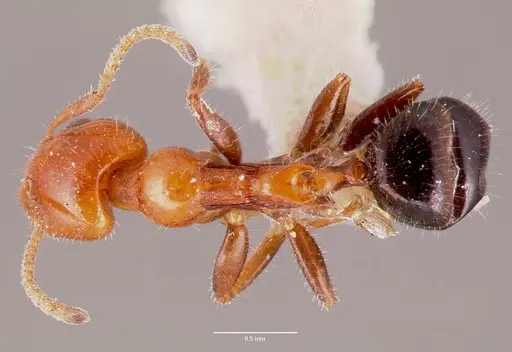
CASENT0009944
View on AntWeb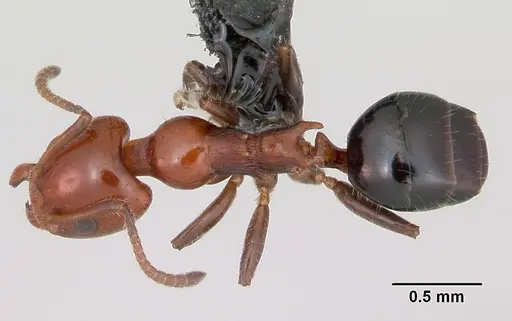
CASENT0009946
View on AntWeb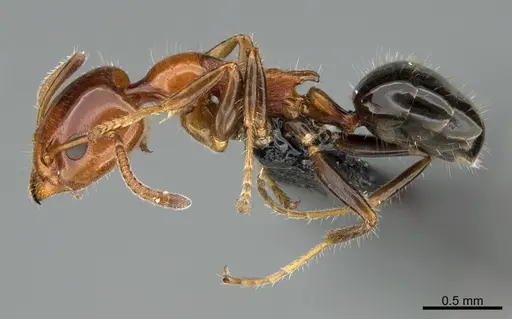
CASENT0102372
View on AntWeb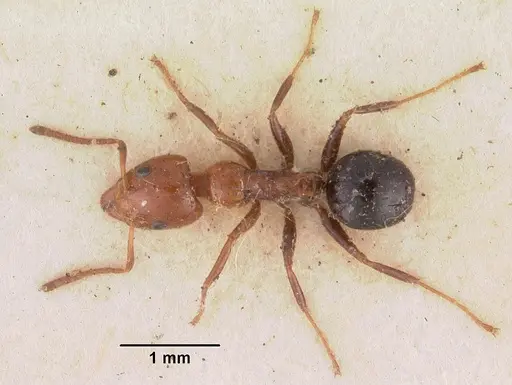
CASENT0172289
View on AntWeb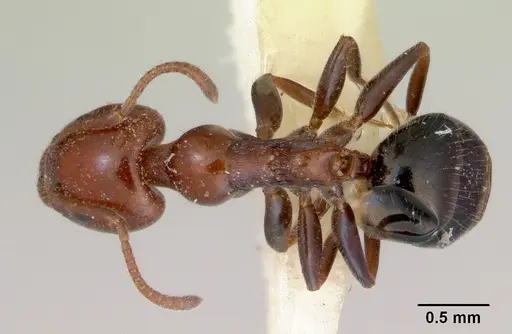
CASENT0172290
View on AntWeb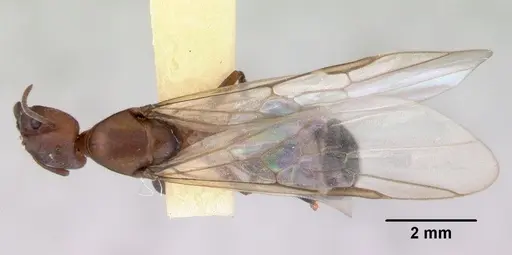
CASENT0249701
View on AntWeb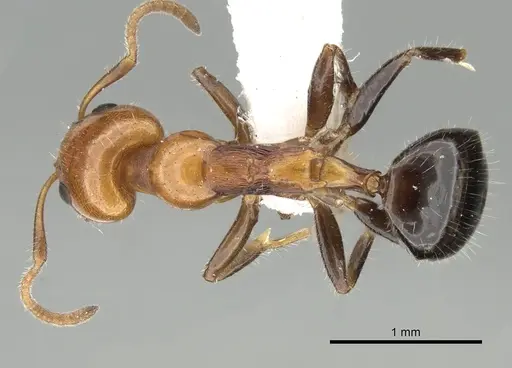
CASENT0886007
View on AntWeb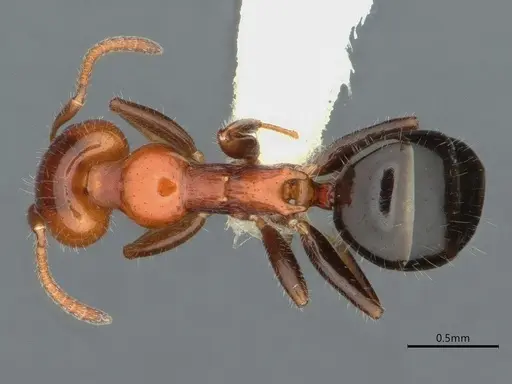
CASENT0902929
View on AntWeb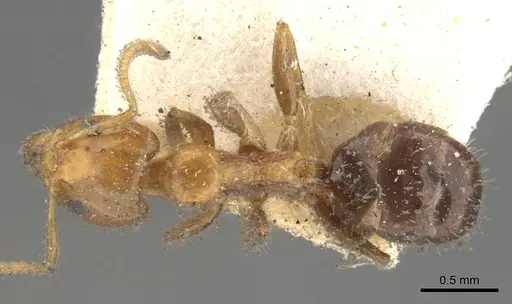
CASENT0907611
View on AntWeb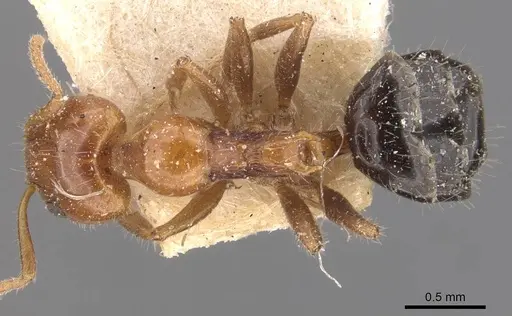
CASENT0909496
View on AntWeb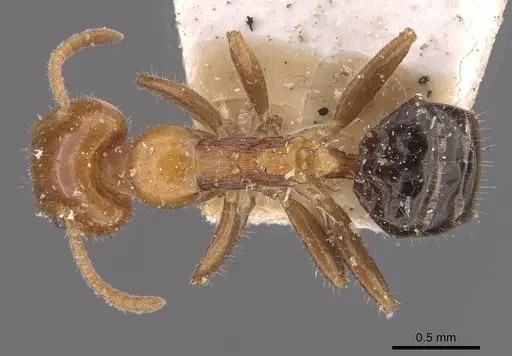
FMNHINS0000045176
View on AntWeb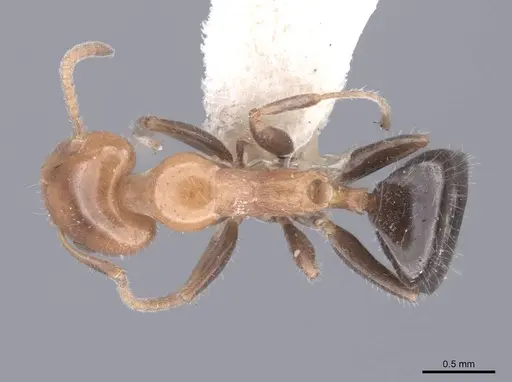
FOCOL0712
View on AntWeb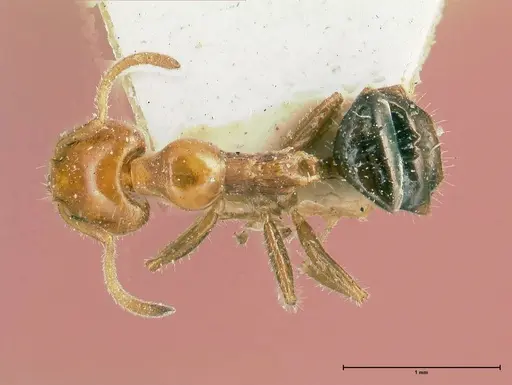
FOCOL2791
View on AntWeb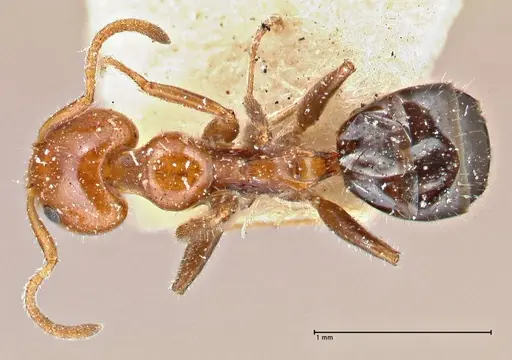
Literature
Loading...Loading products...