

Formica vinculans
- Scientific Name
- Formica vinculans
- Tribe
- Formicini
- Subfamily
- Formicinae
- Author
- Wheeler, 1913
- Distribution
- Found in 2 countries
Formica vinculans Overview
Formica vinculans is an ant species of the genus Formica. It is primarily documented in 2 countries , including Canada, United States of America. Detailed taxonomic data and occurrence records can be further explored via authoritative databases such as AntWeb or the Global Biodiversity Information Facility (GBIF).
Formica vinculans
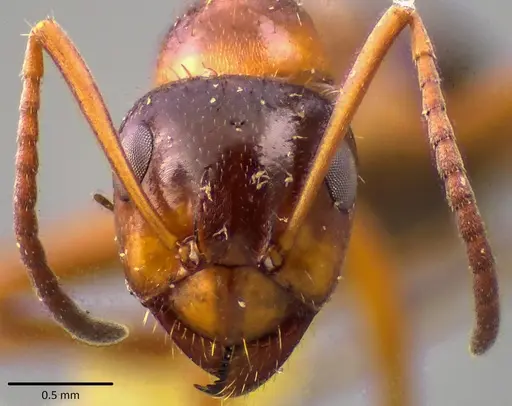
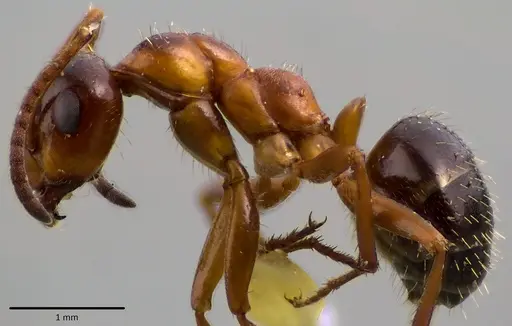
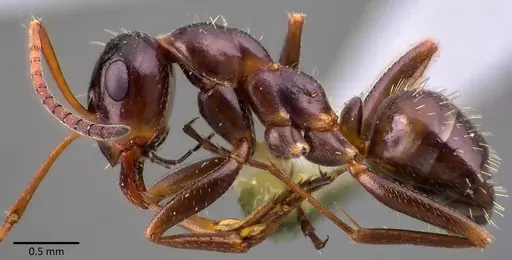
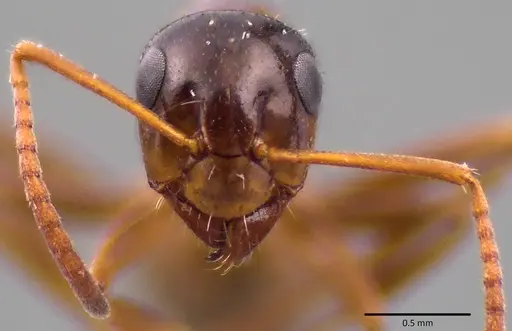
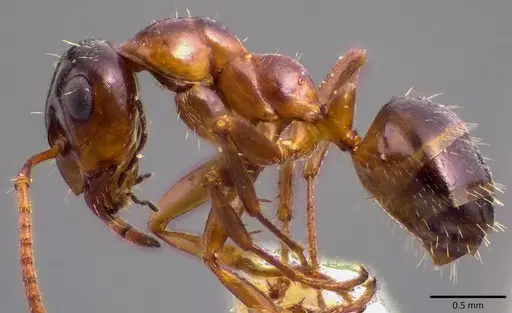
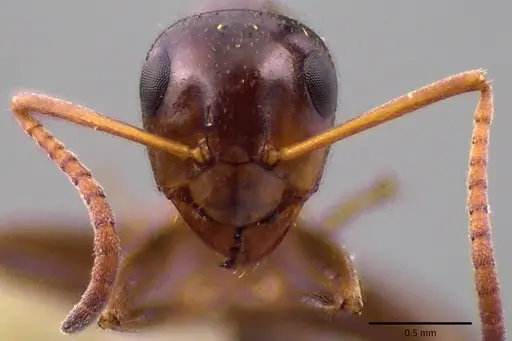
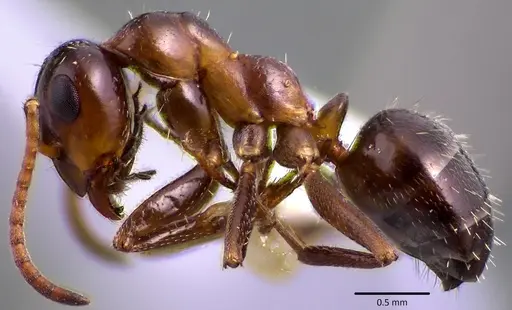
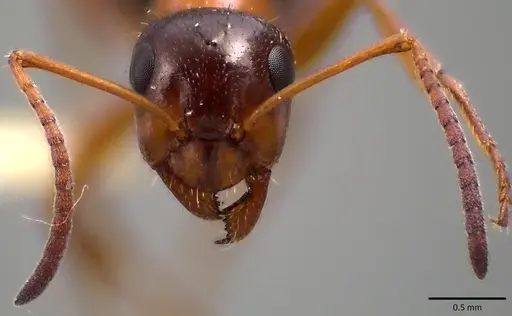
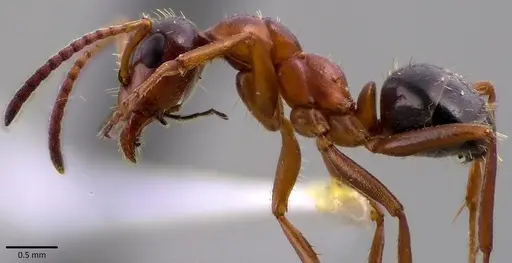
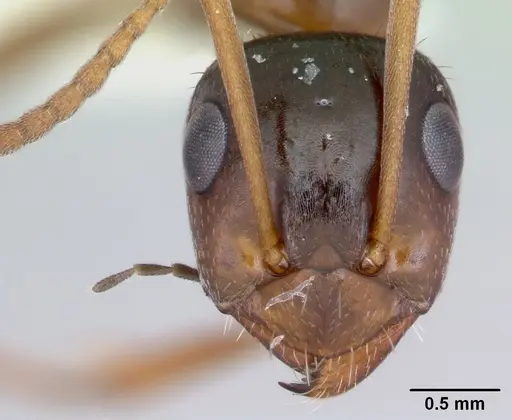
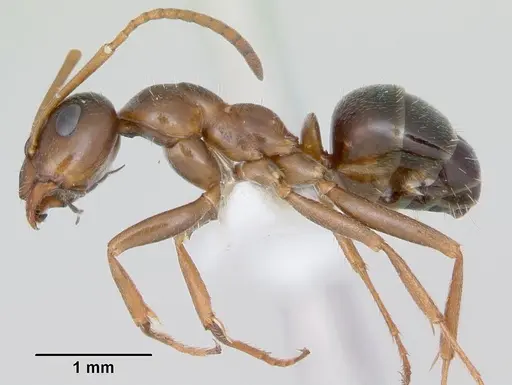
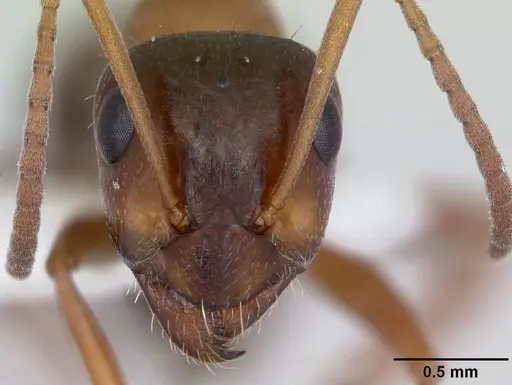
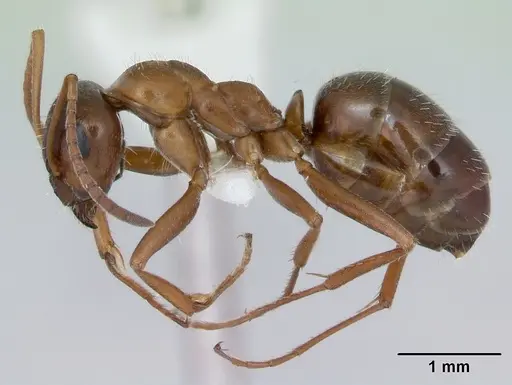
Formica vinculans is a small to medium-sized ant native to the eastern and central United States. Workers measure 3.5-5.6mm with a brown to dark brown body, typically having a paler alitrunk (middle body section) compared to the darker gaster (abdomen). They are fast-moving ants adapted to hot, dry, open habitats like prairies and meadows. This species forms small to medium-sized colonies and is known for its tolerance of high temperatures that would stop most other ants. F. vinculans serves as a host species for the slave-making ant Formica gynocrates and can occasionally be enslaved by them. They also serve as hosts for the parasitic fungus Laboulbenia formicarum.
Quick Summary
- Difficulty: Medium
- Origin & Habitat: Eastern and central United States (Michigan, Ohio, Illinois, Indiana, New York to Florida, west to Texas). Found in open fields, mowed areas, meadows, and prairie-like locations, always in open, sunny, dry areas [1][2][3].
- Colony Type: Single-queen colonies (monogyne). More populous than the similar F. neogagates. Workers can be enslaved by Formica gynocrates [1][3].
- Colony: Monogyne
- Founding: Claustral
- Size & Growth:
- Queen: Unconfirmed, estimated 6-8mm based on genus patterns
- Worker: 3.5-5.6mm [1][2]
- Colony: Small to medium, more populous than F. neogagates but colonies typically medium-sized with several to many workers [3][1]
- Growth: Moderate, estimated based on temperate Formica patterns
- Development: Estimated 6-8 weeks at optimal temperature based on typical Formica development (Development timeline not directly studied, estimate based on related Formica species)
- Antkeeping:
- Temperature: Keep at 20-24°C. These ants are adapted to high temperatures and can tolerate warmer conditions than most Formica, they actively forage when temperatures are too hot for other field ants [3].
- Humidity: Low to moderate, they inhabit dry, open fields and meadows. Keep nest substrate moderately dry, not humid. Provide some moisture but avoid damp conditions [3][1].
- Diapause: Yes, as a temperate species, they require a winter dormancy period. Nuptial flights occur in July, suggesting a typical annual cycle with hibernation over winter [3].
- Nesting: Prefers dry, open habitats. In captivity, a naturalistic setup with a dry nest area works well. They build shallow chambers close to the surface in the wild, with some galleries extending deeper (up to 18 inches). A Y-tong or plaster nest with dry conditions is suitable [3].
- Behavior: Workers are fast-moving and aggressive when their nest is disturbed, they display active alarm behavior. They forage on ground or pavement in open areas and are adapted to high temperatures, often climbing up off the ground when it's very hot. They build distinctive miniature cones or towers around plant bases at nest entrances. Escape risk is moderate, use standard formicarium barriers [1][3].
- Common Issues: colonies may fail if kept too humid, they prefer dry conditions, slave-making ants (F. gynocrates) may attack if kept nearby, keep separate, slow growth compared to tropical species may frustrate beginners, parasitic fungus Laboulbenia can infect colonies, monitor worker health, hibernation is required for successful colony development, must provide winter rest
Housing and Nest Setup
Formica vinculans prefers dry, open nesting conditions. In the wild, they build shallow chamber systems close to the soil surface with some galleries extending deeper. They create distinctive miniature cones or towers around plant bases at nest entrances, made of sand grains and plant debris. For captivity, a Y-tong (acrylic) or plaster nest works well with a dry to moderately dry substrate. Provide a temperature gradient so workers can choose their preferred warmth. Since they tolerate high temperatures, you can keep them warmer than many other Formica species. Outworld setup should be simple with easy access to food. Escape prevention is important though not as critical as with tiny ants, standard barriers are usually sufficient [3][1].
Feeding and Diet
Like most Formica species, F. vinculans is omnivorous with a preference for protein. In laboratory tests, they aggressively attacked and consumed monarch butterfly eggs and larvae, showing they are active predators. They likely feed on small insects and arthropods in the wild, along with honeydew from aphids and sweet secretions. Offer protein sources like small crickets, mealworms, or other small insects twice weekly. Sugar water or honey can be provided as a supplemental energy source. Their aggressive predation suggests they will readily accept live prey [4][1].
Temperature and Seasonal Care
These ants are notably heat-tolerant, they continue foraging at temperatures that cause most other field ants to stop. Keep the nest at 20-24°C, with the ability to go warmer. A heating cable on one side of the nest can create a gradient. As a temperate species, they require a winter dormancy period (diapause). Nuptial flights occur in July, so colonies should be cooled in fall (around October-November) and kept at 5-10°C for 3-4 months. Return them to normal temperatures in early spring. This hibernation period is essential for reproductive health and colony cycle [3].
Behavior and Defense
Workers are fast-moving and display aggressive alarm behavior when their nest is disturbed. They will readily attack threats and can deliver a moderate sting (typical for Formica). They forage actively even in hot conditions, running rapidly and climbing up off the ground to escape surface heat. In the wild, they sometimes face attacks from the slave-making ant Formica gynocrates, sometimes putting up active resistance with battles, other times being intimidated and fleeing with brood. When keeping this species, be aware of their potential to be enslaved if exposed to slave-making ants. Their speed and aggression make them active foragers but also means they can be quite defensive [3][1].
Colony Development
Colonies are more populous than the similar F. neogagates but remain small to medium-sized. Alate (winged) pupae appear in nests from mid-June to mid-July, with nuptial flights occurring from early to late July depending on temperature conditions. Flights begin when temperatures rise to around 22°C (72°F) in the morning and require bright sunlight. A single flight can involve anywhere from 14 to 600 males and females. After mating, new colonies are established through claustral founding, the queen seals herself in a chamber and raises the first workers alone on stored fat reserves. Growth is moderate, typical of temperate Formica species [3].
Frequently Asked Questions
How long does it take for Formica vinculans to produce first workers?
Estimated 6-8 weeks from egg to first worker at optimal temperature (around 22-24°C). This is based on typical Formica development patterns since this species' exact development time has not been directly studied.
What temperature do Formica vinculans need?
Keep them at 20-24°C. Unlike many ants, they tolerate and even prefer warmer conditions, they continue foraging when temperatures are too hot for other field ants. A temperature gradient allows workers to choose their preferred spot.
Do Formica vinculans need hibernation?
Yes, they require a winter dormancy period. As a temperate species native to the northern United States, they need 3-4 months of cold temperatures (5-10°C) in fall and winter. This is essential for their natural reproductive cycle since nuptial flights occur in July.
How big do Formica vinculans colonies get?
They form small to medium-sized colonies that are more populous than the similar F. neogagates but remain moderate in size, likely dozens to a few hundred workers at maturity.
What do Formica vinculans eat?
They are omnivorous with a protein preference. They will actively hunt small insects and arthropods. Offer small insects like crickets or mealworms as protein sources twice weekly, along with sugar water or honey for energy. They are aggressive predators even attacking monarch butterfly larvae.
Are Formica vinculans good for beginners?
They are moderate difficulty. They have specific humidity needs (prefer dry conditions), require hibernation, and can be defensive. However, they are not as challenging as some exotic species. Their heat tolerance and active foraging make them interesting to observe.
Can I keep multiple Formica vinculans queens together?
No, this species is monogyne (single-queen). They do not form multi-queen colonies. If you capture a queen during nuptial flights, she should be housed alone for claustral founding.
Why are my Formica vinculans dying?
Common causes include: too high humidity (they prefer dry conditions), improper hibernation, or stress from disturbance. They can also be affected by the parasitic fungus Laboulbenia formicarum. Ensure proper dry nest conditions and provide the required winter dormancy period.
When do Formica vinculans have nuptial flights?
Nuptial flights occur in July, typically from early to late month depending on temperature conditions. Flights begin when morning temperatures reach around 22°C (72°F) with bright sunlight. Males and females leave the nest in varying numbers, from 14 to 600+ per flight.
References

This caresheet is licensed under CC BY-SA 4.0 .
ANTWEB1041621
View on AntWeb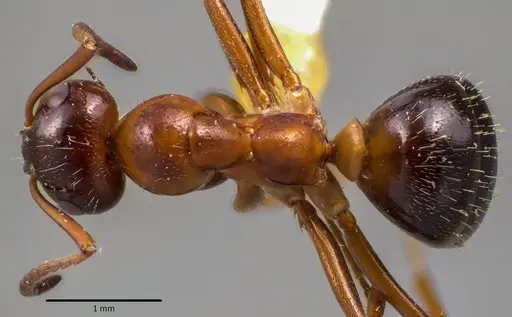
ANTWEB1041754
View on AntWeb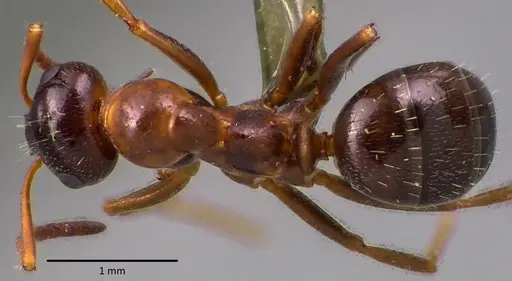
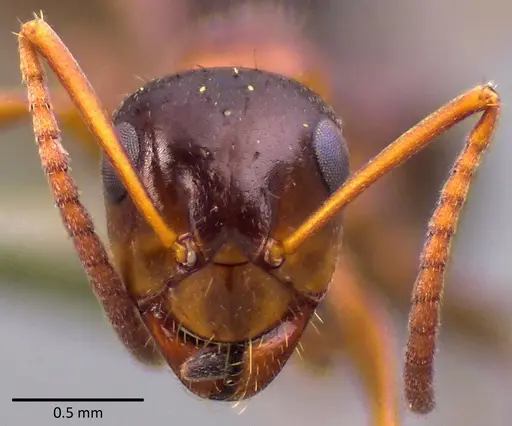
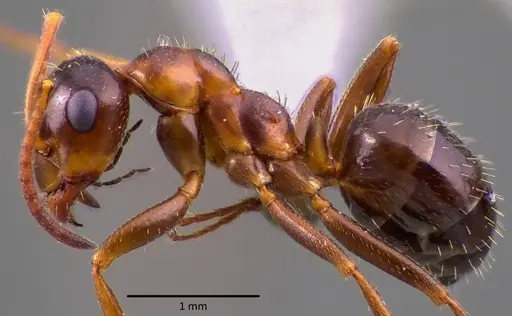
ANTWEB1041755
View on AntWeb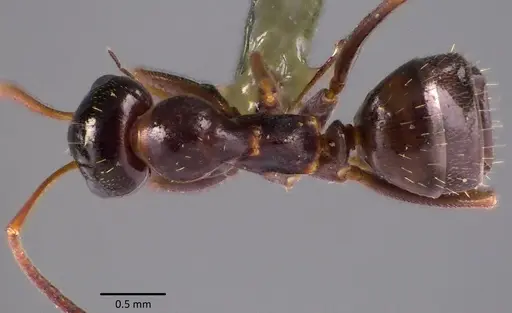
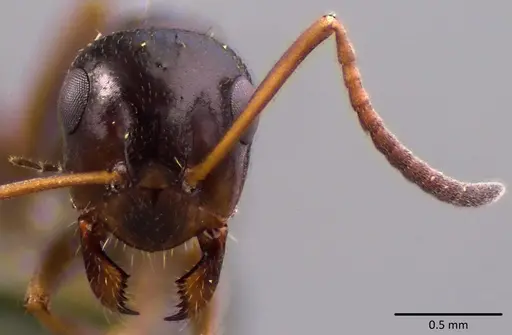
ANTWEB1041781
View on AntWeb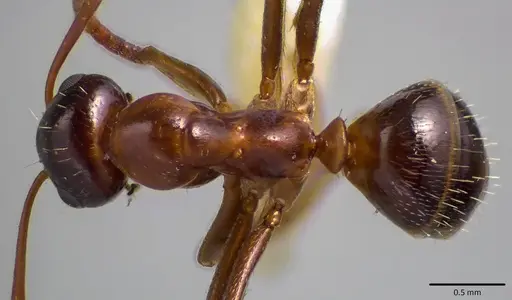
ANTWEB1041782
View on AntWeb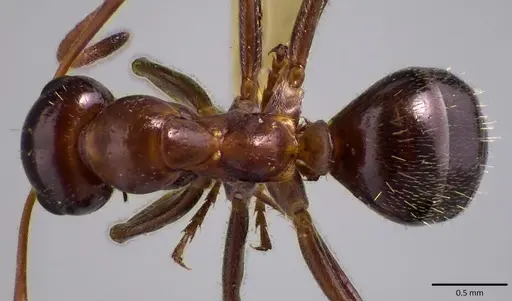
ANTWEB1041783
View on AntWeb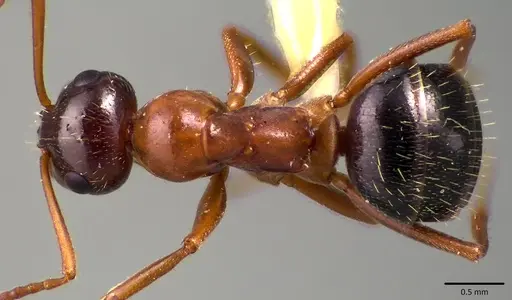
CASENT0172888
View on AntWeb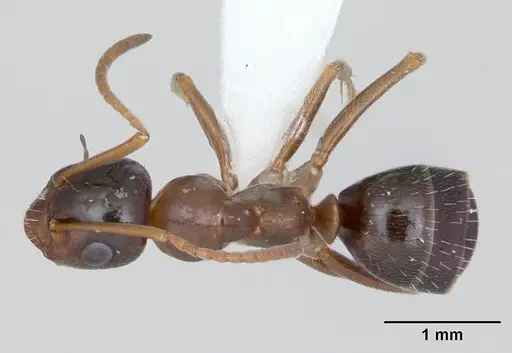
CASENT0172889
View on AntWeb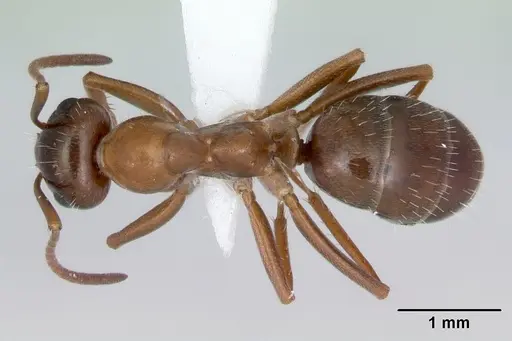
Literature
Loading...Loading products...