

Formica subnitens
- Scientific Name
- Formica subnitens
- Tribe
- Formicini
- Subfamily
- Formicinae
- Author
- Creighton, 1940
- Distribution
- Found in 2 countries
Formica subnitens Overview
Formica subnitens is an ant species of the genus Formica. It is primarily documented in 2 countries , including Canada, United States of America. Detailed taxonomic data and occurrence records can be further explored via authoritative databases such as AntWeb or the Global Biodiversity Information Facility (GBIF).
Formica subnitens
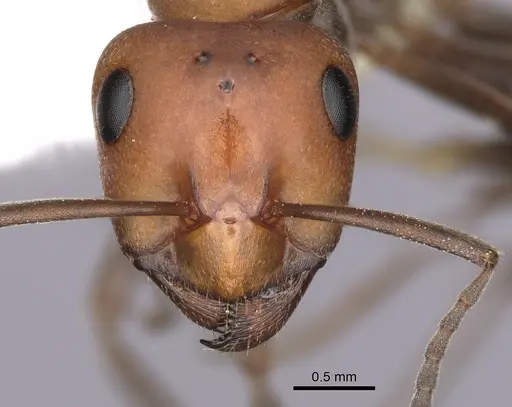
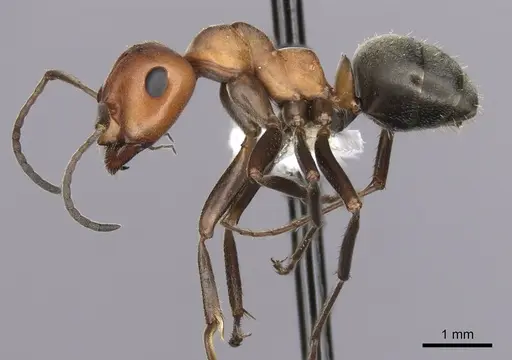
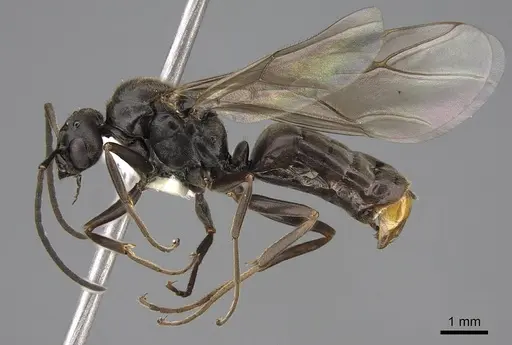
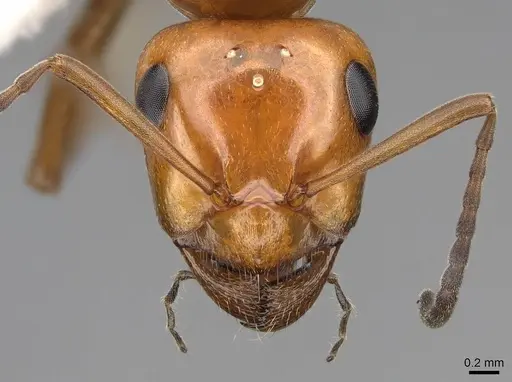
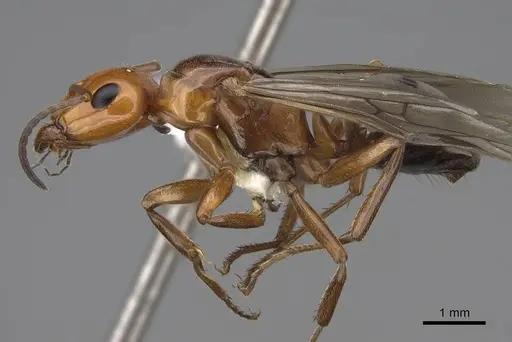
Formica subnitens is a medium to large ant native to western North America, belonging to the rufa group. Workers measure around 8-9mm with the characteristic reddish-brown to dark brown coloration of Formica ants. You can identify them by the erect hairs on the middle and hind tibiae appearing in two rows (fewer than 10 total) and the notably shiny clypeus and cheeks. These ants build nests in thatched mounds or under stones in open areas, with colonies known for their aggressive swarming defense and powerful formic acid spray. They inhabit grasslands to pinyon-cedar forests across elevations from 4,600 to 10,500 feet [1][2][3].
What makes F. subnitens stand out is its remarkable cold tolerance, it has the lowest recorded critical thermal minimum (-1.0°C) among North American ant species studied, meaning it can survive in surprisingly cold conditions [4]. This adaptation makes it well-suited to high-elevation and northern habitats. Colonies defend vigorously when disturbed, with workers rapidly relocating brood deeper into the nest while releasing formic acid [5].
Quick Summary
- Difficulty: Medium
- Origin & Habitat: Western North America, found in British Columbia, New Mexico, Nevada, Oregon, Colorado, North Dakota, and Wyoming. Inhabits grasslands to pinyon-cedar forests at elevations of 4,600-10,500 feet [1][2][3]
- Colony Type: Single-queen (monogyne) colonies typical for the rufa group
- Colony: Monogyne
- Founding: Claustral
- Size & Growth:
- Queen: 9-11mm (estimated from related rufa group species)
- Worker: 8-9mm [5]
- Colony: Several thousand workers (estimated based on related species)
- Growth: Moderate
- Development: 6-8 weeks (estimated from related Formica species at optimal temperature) (Development time depends on temperature, claustral founding means queens seal themselves in and raise first brood alone)
- Antkeeping:
- Temperature: Keep at room temperature (20-25°C). This species has excellent cold tolerance with a critical thermal minimum of -1.0°C, but they do well in standard ant-keeping temperatures [4]. A gentle gradient allowing cooler areas is beneficial.
- Humidity: Moderate humidity is suitable. Provide a moist nest chamber area with some drier areas for the ants to choose from. These ants are not overly humidity-sensitive.
- Diapause: Yes, requires a winter hibernation period. Based on their cold tolerance and northern distribution, colonies should be cooled to approximately 5-10°C for 3-4 months during winter [1]
- Nesting: Y-tong (AAC) nests or formicaria with chambers work well. Provide some substrate material they can use for thatch-like structures. They adapt well to acrylic nests but appreciate having some digging opportunities.
- Behavior: These ants are defensive and aggressive when their nest is disturbed. Workers will swarm out in large numbers, release formic acid, and may bite. They are active foragers and respond strongly to temperature changes, temperature most influences their daily activity patterns [6]. They quickly relocate brood to deeper parts of the nest when threatened [5]. Escape prevention should be good for this medium-to-large species, they are not tiny escape artists.
- Common Issues: Aggressive defense means handling requires care, they will spray formic acid and bite when threatened, Winter diapause is essential, skipping hibernation can weaken or kill colonies over time, Large colony size means they need significant space as they grow, Slow initial growth during claustral founding phase can concern beginners who overcheck the nest
Nest Preferences
In the wild, Formica subnitens builds thatched mounds or nests under stones in open areas. The thatching is often minimal, they may have just a thin disc of plant debris around the entrance or no superstructure at all [1]. The nest is begun under a stone or through soil excavation. They prefer locations devoid of cover, and the mounds are typically composed of soil and detritus rather than extensive thatch [1].
For captive care, a Y-tong (AAC) nest works well because it provides the dark, enclosed environment they prefer. You can also use a formicarium with a dirt chamber where they can dig and arrange debris. Adding some small pieces of dried grass or leaves allows them to create their own thatch-like structures, which they seem to appreciate. The nest should have a moisture section to keep the substrate slightly damp but not waterlogged.
Feeding and Diet
Like other Formica species, F. subnitens is omnivorous. They consume honeydew from aphids and scale insects, and they actively hunt insects and other small arthropods. In the wild, they are significant predators that can dominate their foraging areas.
In captivity, offer them a varied diet: sugar water or honey as an energy source, and protein-rich foods like mealworms, crickets, or other small insects. They typically accept most standard ant foods. Feed protein 2-3 times per week, and keep a sugar source available constantly. Remove uneaten prey after 24-48 hours to prevent mold issues. [3]
Temperature and Seasonal Care
This species handles temperature well across a range. They thrive at typical room temperature (20-25°C) and have excellent cold tolerance, their critical thermal minimum is -1.0°C, the lowest recorded among North American ant species studied [4]. This makes them well-suited to unheated rooms or cooler environments.
However, they do require a winter diapause period. During autumn, gradually reduce the temperature to around 5-10°C and maintain this for 3-4 months. This mimics their natural seasonal cycle and is essential for colony health. Keep them in a cool location like a garage or basement during this period, ensuring the nest doesn't freeze completely. Resume normal temperatures in spring to trigger renewed activity and brood development.
Behavior and Defense
Formica subnitens is known for its aggressive defensive behavior. When their nest is disturbed, thousands of workers swarm out rapidly. They produce an audible hum from the nest and emit a strong formic acid smell [5]. Workers quickly collect brood and carry them deeper into the nest during disturbance, this shows sophisticated emergency response.
They are not suitable for handling, and you should avoid disturbing the nest unnecessarily. When working with them, use caution and consider using smoke or gentle puffing to calm them before maintenance. Their formic acid spray can be irritating, so avoid getting it on your skin or in your eyes. This defensive nature also means they are excellent at deterring predators and can be kept securely in standard formicaria.
Frequently Asked Questions
Is Formica subnitens a good species for beginners?
Formica subnitens is a medium-difficulty species. They are more forgiving of temperature variations than many ants thanks to their cold tolerance, but they do require winter diapause and have aggressive defensive behavior. If you're comfortable with occasional formic acid spray and can provide a hibernation period, they are a rewarding species to keep.
How large do Formica subnitens colonies get?
Colonies can reach several thousand workers over several years. Related rufa group species are known for large, impressive colonies. Growth is moderate, expect 1-2 years to establish a solid colony, with significant growth in years 2-4.
What temperature range is best for Formica subnitens?
Keep them at 20-25°C (room temperature). They can tolerate temperatures down to near freezing and have excellent cold tolerance, but standard room temperature is ideal for activity and brood development [4]. A temperature gradient allowing them to choose their preferred zone is beneficial.
Do Formica subnitens need hibernation?
Yes, they require a winter diapause period. Reduce temperatures to 5-10°C for 3-4 months during winter. This is essential for colony health and mimics their natural seasonal cycle in western North America [1].
Can I keep multiple Formica subnitens queens together?
No, this species is monogyne (single-queen). Multiple unrelated queens will fight. Only introduce a single queen when starting a colony. If you find multiple queens in the wild, they will not form a cooperative multi-queen colony.
How long does it take for Formica subnitens to produce first workers?
Expect 6-8 weeks from egg to first worker (nanitic) at optimal temperature. This is typical for Formica species. The claustral queen seals herself in and raises the first brood alone using stored fat reserves.
What should I feed my Formica subnitens colony?
Offer a varied diet: sugar water or honey for carbohydrates, and protein sources like mealworms, crickets, or other small insects. Feed protein 2-3 times per week, and keep sugar available constantly. They are omnivorous and will accept most standard ant foods.
Are Formica subnitens aggressive?
Yes, they are very defensive and aggressive when their nest is threatened. They will swarm in large numbers and spray formic acid. This makes them fascinating to observe but challenging to handle. Keep escape prevention in mind during maintenance.
When should I move Formica subnitens to a formicarium?
Wait until the colony has at least 50-100 workers before moving to a larger formicarium. They do well in test tubes for founding, then can be moved to Y-tong or acrylic nests once the colony is established. They appreciate having some substrate to dig in.
References

This caresheet is licensed under CC BY-SA 4.0 .
CASENT0005394
View on AntWeb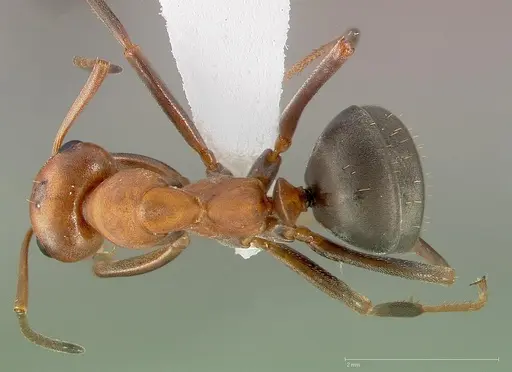
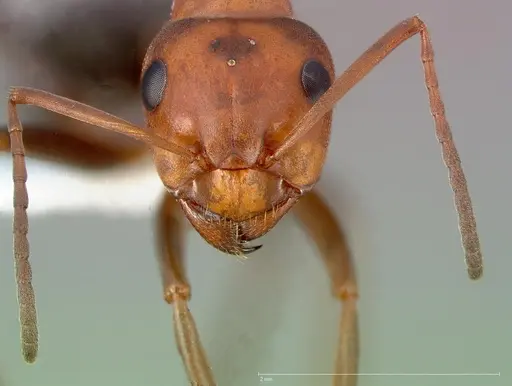
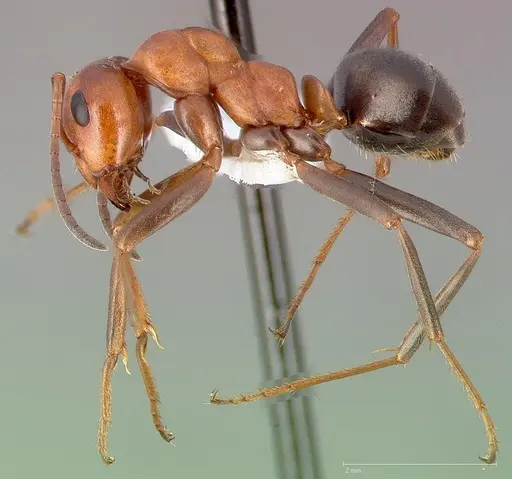
CASENT0280406
View on AntWeb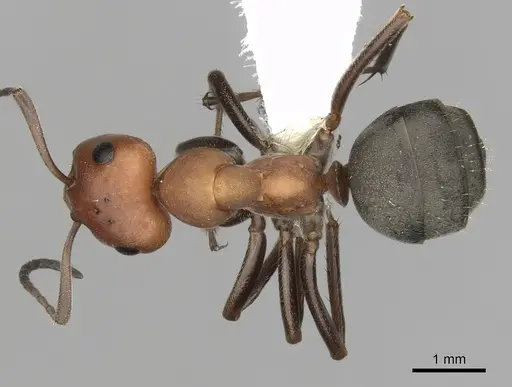
CASENT0843942
View on AntWeb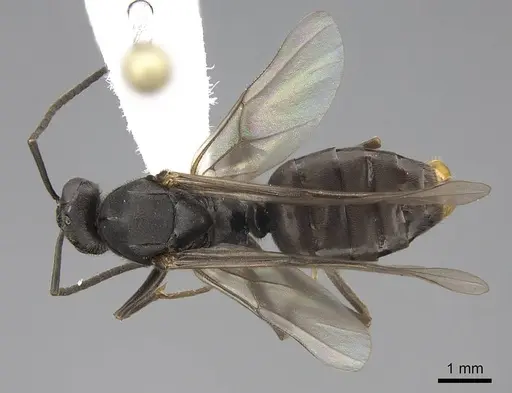
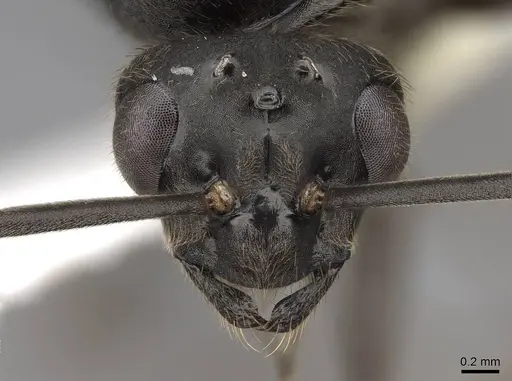
CASENT0843943
View on AntWeb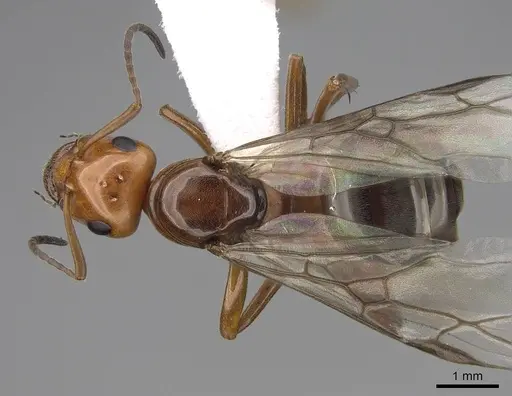
Literature
Loading...Loading products...