

Formica propinqua
- Scientific Name
- Formica propinqua
- Tribe
- Formicini
- Subfamily
- Formicinae
- Author
- Creighton, 1940
- Distribution
- Found in 1 countries
Formica propinqua Overview
Formica propinqua is an ant species of the genus Formica. It is primarily documented in 1 countries , including United States of America. Detailed taxonomic data and occurrence records can be further explored via authoritative databases such as AntWeb or the Global Biodiversity Information Facility (GBIF).
Formica propinqua
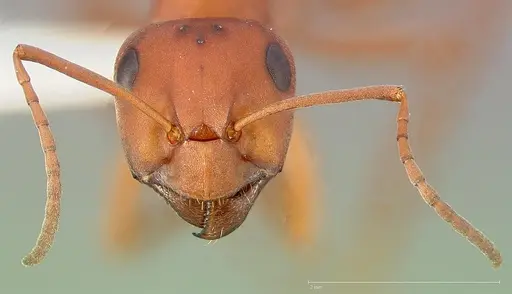
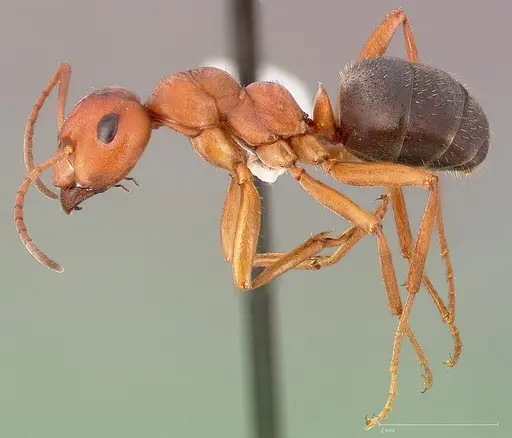
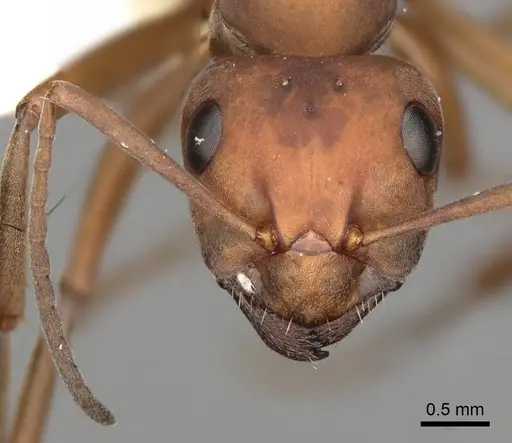
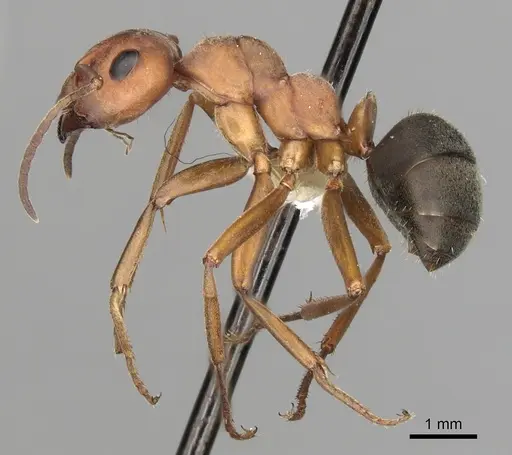
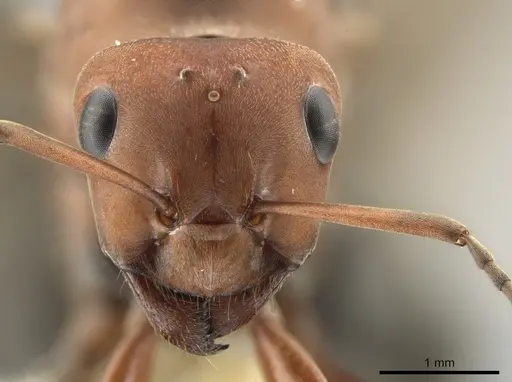
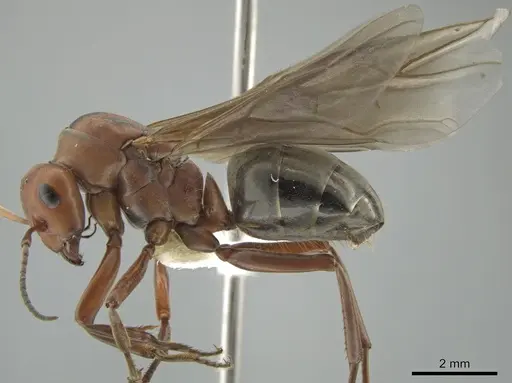
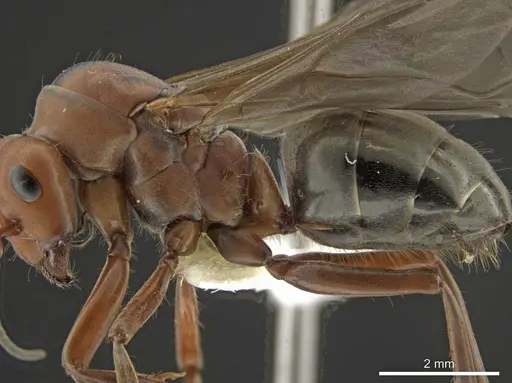
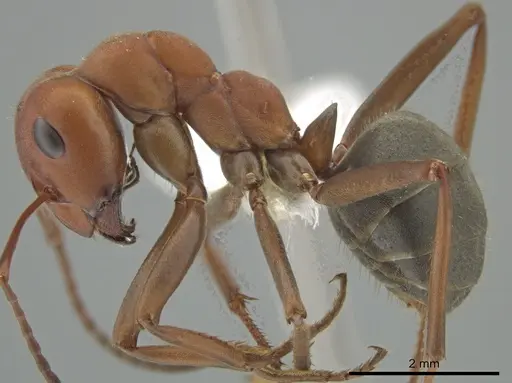
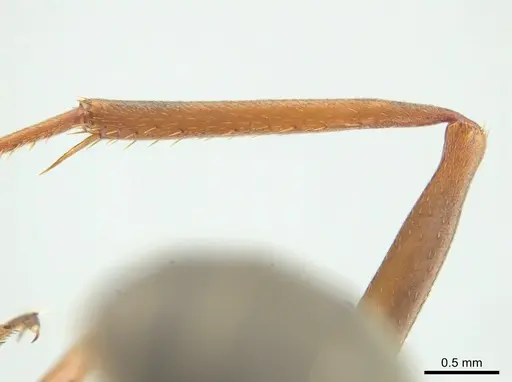
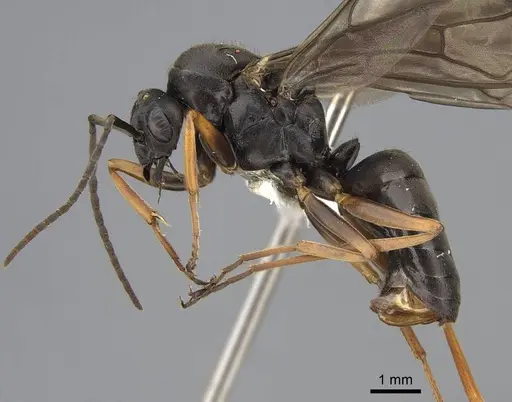
Formica propinqua is a medium-sized wood ant native to the western United States. Workers measure around 4-7mm and have a distinctive appearance with erect hairs on the head and mesosoma, but lacking hairs on the scapes and posterior lateral corners. They build characteristic thatched nests made of grass, twigs, and debris, typically built against or around dead stumps and logs in forested areas [1]. This species is behaviorally dominant in its ecosystem and forms mutualistic relationships with aphids, particularly Chaitophorus populicola on poplar trees [2][3]. Workers are aggressive defenders of their territory, they deliver annoying bites and quickly spray formic acid when threatened [1].
Quick Summary
- Difficulty: Medium
- Origin & Habitat: Western United States, primarily in the Rocky Mountain region and areas around Lake Tahoe. Found in forests at elevations between 3,900-7,800 feet, including Cool Desert, Pinyon-Juniper, and Coniferous Forest biomes [1].
- Colony Type: Polygyne (multiple queens) colonies are common in this species. Nests are typically large thatched structures built against or under dead stumps and logs [1].
- Colony: Polygyne
- Founding: Claustral
- Size & Growth:
- Queen: Estimated 7-9mm based on related Formica species
- Worker: 4-7mm [1]
- Colony: Large colonies with numerous workers, typical for dominant wood ants
- Growth: Moderate
- Development: Estimated 6-8 weeks based on typical Formica development at optimal temperature (Development time inferred from genus-level data, actual timeline may vary with temperature)
- Antkeeping:
- Temperature: Keep at room temperature (20-24°C) with a slight gradient. As a mountain species from higher elevations, they can tolerate cooler conditions than tropical ants [1].
- Humidity: Moderate humidity is acceptable. These ants naturally nest in areas with moderate to heavy cover and can handle varying moisture levels.
- Diapause: Yes, as a temperate species from higher elevations, they require a winter hibernation period. Keep colonies cool (around 5-10°C) for 3-4 months during winter.
- Nesting: Naturalistic setups work best, they build thatched nests in captivity similar to their wild behavior. Use a formicarium with chambers connected to an outworld, or provide materials for nest-building. They prefer nesting against or under objects like cork and driftwood.
- Behavior: Active and aggressive defenders of their territory. Workers are quick to bite and spray formic acid when the nest is disturbed. They are behaviorally dominant ants that actively forage in trees and on foliage, particularly tending aphids for honeydew [3]. Escape prevention is important but not critical, they are moderate-sized ants that cannot squeeze through standard barrier gaps.
- Common Issues: colonies can become aggressive and may bite handlers frequently, formic acid spraying can be irritating, use proper ventilation when working with the nest, large colony size requires significant space and resources, winter hibernation is required, improper diapause can kill colonies, aphid-tending behavior means they may ignore sugar water if honeydew is available
Nest Preferences and Housing
Formica propinqua naturally builds thatched nests against dead stumps, logs, and fallen trunks. The nest material consists of grass, twigs, and debris piled around and on top of the nesting site. In captivity, they do well in naturalistic setups where they can build similar structures. A formicarium with a digging area connected to an outworld works well, provide materials like small twigs, grass, or cork pieces that they can use for thatching. They prefer nesting in areas with moderate to heavy cover, so include some hiding spots in the outworld. These ants are not particularly prone to escaping, but standard barrier methods (fluon on test tube rims, barrier tape) should still be used. [1]
Feeding and Diet
Like other Formica species, F. propinqua is highly associated with aphids and derives significant nutrition from honeydew. In captivity, you should provide a varied diet including sugar sources (honey water, sugar water) and protein (insects like mealworms, crickets, fruit flies). They are known to tend Chaitophorus populicola aphids on poplar trees in the wild [2][4], so they will readily accept honeydew if available. Feed protein 2-3 times per week and keep sugar water available constantly. These ants are behaviorally dominant and will actively forage for aphids on foliage when given access to plants.
Temperature and Seasonal Care
Keep colonies at room temperature (20-24°C) with a slight thermal gradient. As a mountain species from elevations between 3,900-7,800 feet, they can tolerate cooler conditions than many other ants. A heating cable on one side of the nest can help create preferred temperatures if your room runs cold. During winter, they require a proper hibernation period, reduce temperature to 5-10°C and keep them there for 3-4 months. This diapause period is essential for colony health and reproduction. Do not skip hibernation as it can weaken or kill the colony over time. [1]
Behavior and Defense
Workers are numerous, active, and aggressive in defending their nest. They deliver annoying bites and are quick to spray formic acid into the air when threatened, this is their primary defense mechanism. When working with this species, use proper ventilation and avoid disturbing the nest unnecessarily. They are behaviorally dominant ants that actively forage in trees and on foliage, tending aphids for honeydew. Studies show that aphid removal significantly reduces their foraging activity, demonstrating how important this mutualistic relationship is to their success [3]. Colonies can become quite large, so ensure adequate space as the colony grows.
Colony Structure
This species is polygynous, meaning colonies typically have multiple queens working together. Polycaliy (multiple queens in one nest) is commonly observed in wild colonies [1]. This differs from many other Formica species that are monogyne. Multiple queens contribute to faster colony growth and larger colony sizes. When keeping this species, you may receive colonies with several queens already established. Do not attempt to separate queens as they coexist peacefully in established colonies.
References

This caresheet is licensed under CC BY-SA 4.0 .
CASENT0005283
View on AntWeb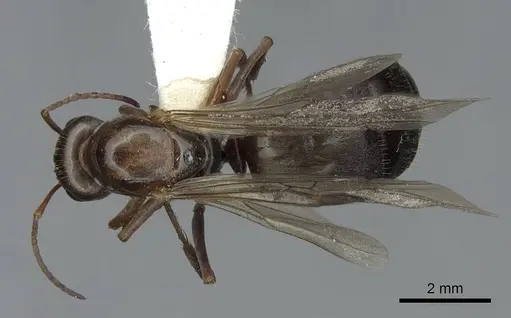
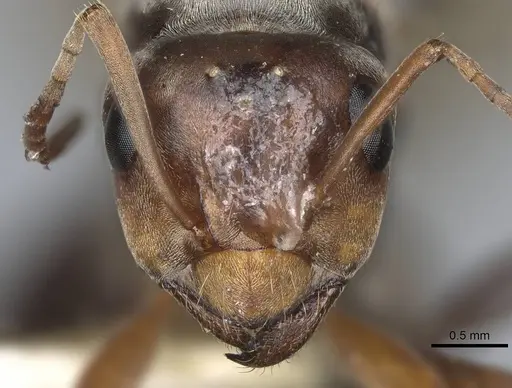
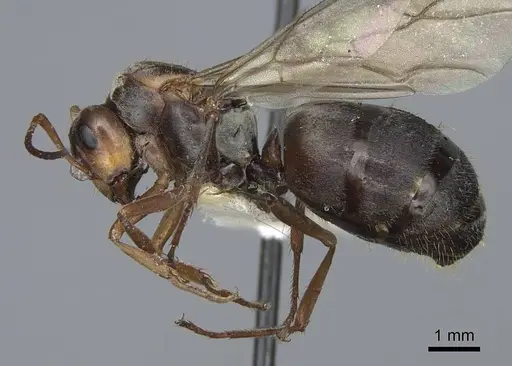
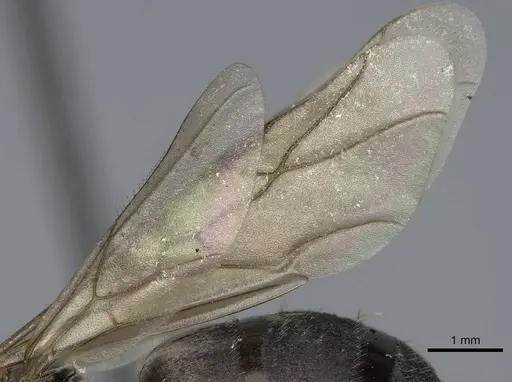
CASENT0005286
View on AntWeb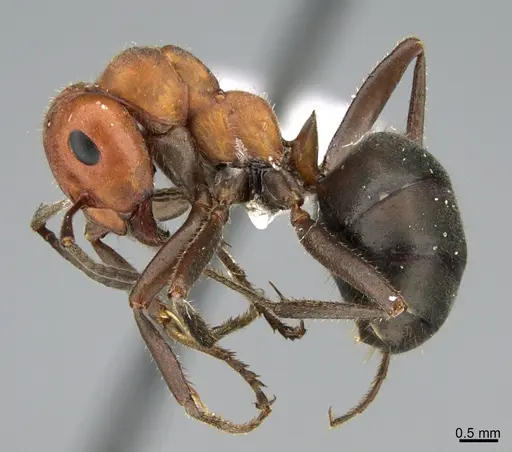
CASENT0005391
View on AntWeb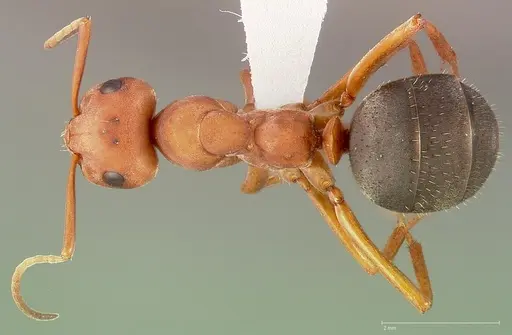
CASENT0280404
View on AntWeb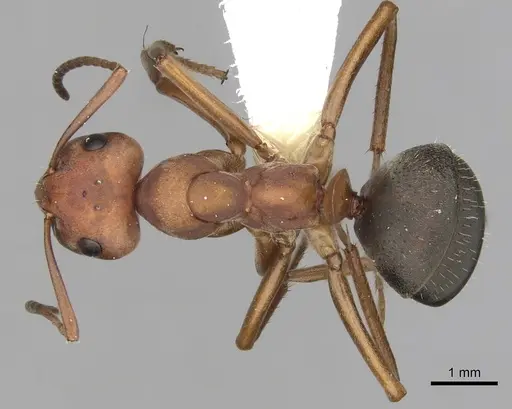
CASENT0648022
View on AntWeb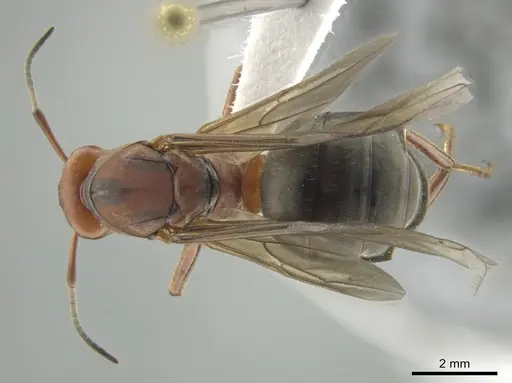
CASENT0649739
View on AntWeb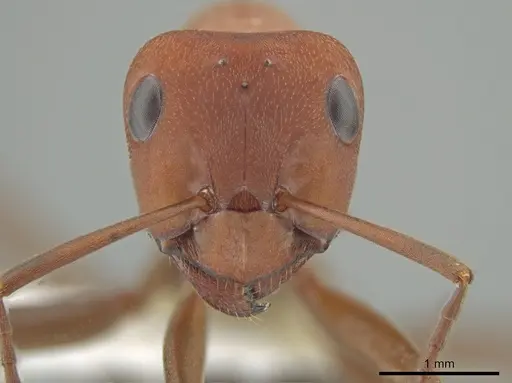
CASENT0843934
View on AntWeb
Literature
Loading...Loading products...