

Formica propatula
- Scientific Name
- Formica propatula
- Tribe
- Formicini
- Subfamily
- Formicinae
- Author
- Francoeur, 1973
- Distribution
- Found in 1 countries
Formica propatula Overview
Formica propatula is an ant species of the genus Formica. It is primarily documented in 1 countries , including Mexico. Detailed taxonomic data and occurrence records can be further explored via authoritative databases such as AntWeb or the Global Biodiversity Information Facility (GBIF).
Formica propatula
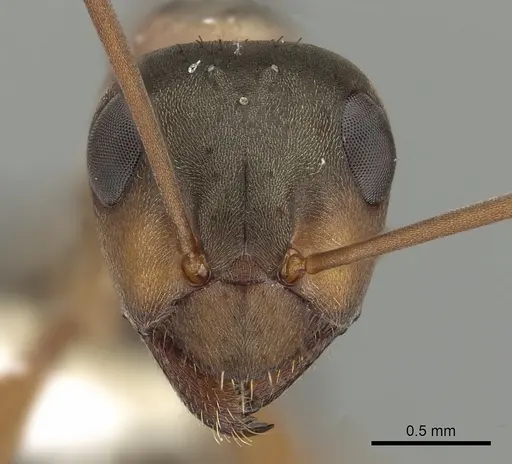
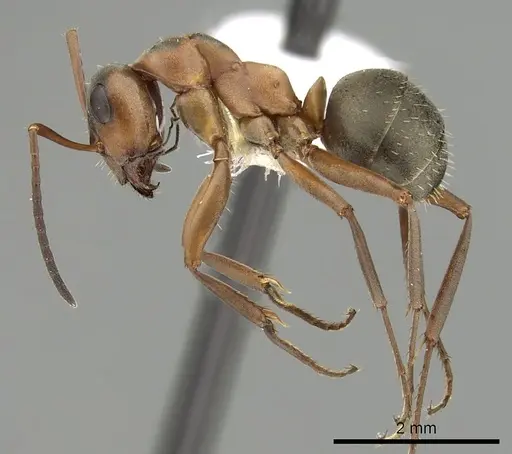
Formica propatula is a medium-sized ant species native to central Mexico. Workers are typically dark brown to black with lighter legs, and they measure around 5-7mm. This species is exclusively found in Mexico, particularly in highland areas like Hidalgo, Mexico State, Oaxaca, and surrounding regions [1][2]. They inhabit oak forests and agricultural areas, preferring cooler, moderately moist conditions around 16°C average temperature [2]. The species was described by Francoeur in 1973 based on specimens collected in Mexico [1].
Quick Summary
- Difficulty: Unknown, limited data available
- Origin & Habitat: Central Mexico (exclusively Mexican species), found in Hidalgo, Mexico State, Oaxaca, Guanajuato, Guerrero, Puebla, Tlaxcala, Mexico City, and Coahuila. Inhabits oak forests and agricultural land at elevations around 16°C average temperature with moderate precipitation [2][1].
- Colony Type: Unconfirmed, colony structure has not been studied. Most Formica species are single-queen (monogyne) colonies.
- Size & Growth:
- Queen: Estimated 8-10mm based on genus Formica patterns
- Worker: Estimated 5-7mm based on genus Formica patterns
- Colony: Unknown for this species, typical Formica colonies reach several thousand workers
- Growth: Unknown, likely moderate based on genus patterns
- Development: Estimated 6-8 weeks at optimal temperature based on related Formica species (Development time is unconfirmed for this specific species. Estimates based on typical Formica genus development patterns.)
- Antkeeping:
- Temperature: Keep around 18-22°C initially. Research shows workers develop relatively longer mesosoma in warmer environments, which may help them carry larger loads [3]. Avoid temperatures significantly above 25°C given their natural habitat in cool highland oak forests.
- Humidity: Moderate humidity, they naturally occur in oak forest environments with moderate precipitation (approximately 67.4 mm/cm²) [2]. Keep nest substrate moist but not waterlogged.
- Diapause: Likely required, this is a Mexican highland species that likely experiences cooler winters. Reduce temperature to around 10-15°C for 2-3 months during winter.
- Nesting: In nature they nest in soil under stones or in rotting wood in oak forest settings. In captivity, a naturalistic setup with soil substrate and flat stones or a plaster/acrylic nest with moisture chambers works well. Avoid overly dry conditions.
- Behavior: Behavior is not well-documented for this species. Based on typical Formica behavior, they are likely moderately aggressive when defending the nest and use chemical alarm signals. Workers are active foragers that likely hunt small invertebrates and tend aphids for honeydew. Escape prevention should be moderate, they are not tiny ants but standard Formica size.
- Common Issues: Limited species-specific information makes care recommendations uncertain, Temperature management is critical, they come from cool highland areas and may not tolerate heat, Humidity balance is important, too dry can kill brood, too wet can cause fungal issues, Wild-caught colonies may have parasites or diseases not yet documented, Diapause requirements are inferred, not confirmed, monitor colony response
Natural History and Distribution
Formica propatula is an exclusively Mexican ant species found throughout the central highlands. Records exist from Hidalgo, Mexico State, Mexico City, Puebla, Tlaxcala, Oaxaca, Guanajuato, Guerrero, and Coahuila [2]. They inhabit oak forest environments at moderate elevations, where temperatures average around 16°C with moderate precipitation. This species has also been found in agricultural land in Tlaxcala, suggesting some tolerance for disturbed habitats [2]. The species was described by André Francoeur in 1973 based on specimens collected in Mexico [1]. Research on morphological variation shows that worker size increases with temperature, and workers in warmer environments develop relatively longer mesosoma sections, which may help them carry larger prey items [3].
Housing and Nesting
In their natural oak forest habitat, Formica propatula nests in soil under stones or in decaying wood. For captive care, a naturalistic setup with a soil-based substrate works well. You can use a formicarium with soil chambers or a Y-tong style nest with moisture chambers to maintain appropriate humidity. Flat stones placed on top of the substrate can mimic their natural nesting sites. Keep the nest area consistently moist but avoid waterlogging, the substrate should feel damp but not soggy. Since this is a medium-sized Formica species, they need adequate tunnel width (at least 8-10mm) and chamber space as the colony grows.
Feeding and Diet
The specific diet of Formica propatula has not been documented, but like other Formica species, they likely are omnivorous. They probably hunt small invertebrates (especially soft-bodied prey like caterpillars, aphids, and small flies) and collect honeydew from aphids and scale insects. In captivity, offer a varied diet including small insects (fruit flies, small crickets, mealworms), sugar sources (honey water, sugar water), and protein. Feed protein prey 2-3 times per week and keep sugar water available constantly. Remove uneaten prey after 24 hours to prevent mold.
Temperature and Seasonal Care
Based on their natural habitat in cool Mexican highland oak forests, keep Formica propatula at temperatures between 18-22°C. Research indicates that temperature affects their morphology, warmer conditions produce workers with longer mesosoma that can carry larger loads [3]. However, avoid temperatures significantly above 25°C as this species is adapted to cooler conditions. During winter, provide a diapause period by reducing temperatures to 10-15°C for 2-3 months. This simulates their natural seasonal cycle in the Mexican highlands where winters are cooler. Monitor your colony's activity levels, if workers become sluggish, the temperature may be too low, if they avoid the heated areas, it may be too warm.
Colony Development
The exact development timeline for Formica propatula has not been documented. Based on typical Formica genus patterns, expect approximately 6-8 weeks from egg to first worker at optimal temperature (around 20°C). The first workers (nanitics) will be smaller than mature workers. Colony growth rate is likely moderate, Formica colonies typically reach several thousand workers over several years. Since this species has limited documentation, observe your colony's behavior and adjust care accordingly. If brood develops slowly, slightly increasing temperature within safe limits may help. If workers appear stressed, check humidity and temperature levels.
Frequently Asked Questions
How long does it take for Formica propatula to produce first workers?
The exact timeline is unconfirmed for this species. Based on typical Formica genus development, expect approximately 6-8 weeks from egg to first worker at optimal temperature around 20°C. This is an estimate since specific development data for F. propatula does not exist in scientific literature.
What temperature is best for Formica propatula?
Keep them around 18-22°C. This species comes from cool Mexican highland oak forests where average temperatures are around 16°C. Avoid temperatures above 25°C. A slight gradient allowing workers to choose their preferred temperature is ideal.
Do Formica propatula ants need hibernation?
Likely yes, this is a Mexican highland species that experiences cooler winters. Provide a diapause period of 2-3 months at reduced temperatures (10-15°C) during winter months. This is inferred from their natural habitat, not directly documented.
What do Formica propatula eat?
While not specifically documented, they likely eat small invertebrates and honeydew like other Formica species. Feed small insects (fruit flies, small crickets, mealworms), provide sugar water or honey constantly, and offer protein prey 2-3 times weekly.
How big do Formica propatula colonies get?
Colony size is unconfirmed for this species. Based on typical Formica genus patterns, colonies likely reach several thousand workers over several years.
Is Formica propatula good for beginners?
This species is not recommended for beginners due to limited species-specific care information. The lack of documented care guides means you will be relying on inferred information from related species. If you're experienced with Formica species and comfortable adapting care based on colony response, it can be kept.
Can I keep multiple Formica propatula queens together?
Colony structure is unconfirmed for this species. Most Formica species are single-queen (monogyne) colonies. Do not attempt to combine unrelated queens without research specific to this species.
What type of nest should I use for Formica propatula?
A naturalistic setup with soil substrate and flat stones works well, mimicking their natural oak forest nesting sites. Alternatively, a Y-tong or acrylic nest with moisture chambers can maintain appropriate humidity. Ensure adequate chamber size for colony growth.
Where is Formica propatula found in the wild?
This species is exclusively Mexican, found in central highland regions including Hidalgo, Mexico State, Oaxaca, Puebla, Tlaxcala, Guanajuato, Guerrero, and Coahuila. They inhabit oak forests and agricultural areas at moderate elevations with cool temperatures around 16°C.
References

This caresheet is licensed under CC BY-SA 4.0 .
CASENT0280352
View on AntWeb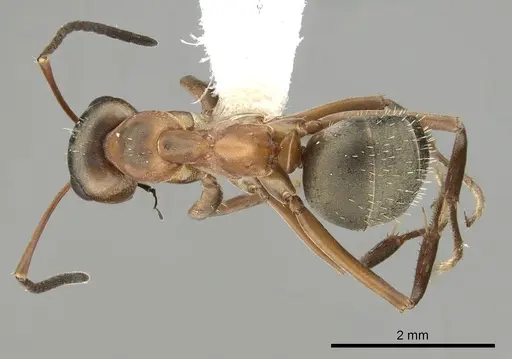
Literature
Loading...Loading products...