

Formica postoculata
- Scientific Name
- Formica postoculata
- Tribe
- Formicini
- Subfamily
- Formicinae
- Author
- Kennedy & Dennis, 1937
- Distribution
- Found in 1 countries
Formica postoculata Overview
Formica postoculata is an ant species of the genus Formica. It is primarily documented in 1 countries , including United States of America. Detailed taxonomic data and occurrence records can be further explored via authoritative databases such as AntWeb or the Global Biodiversity Information Facility (GBIF).
Formica postoculata
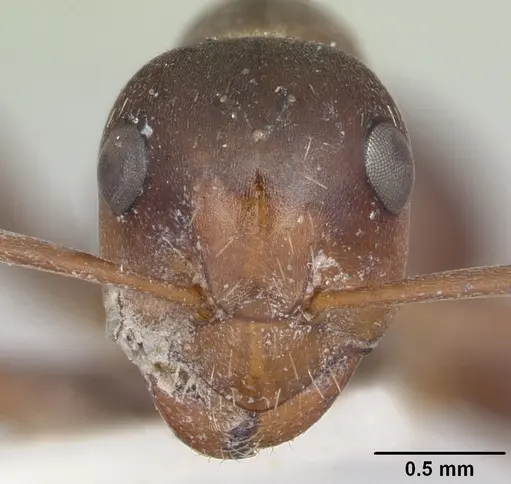
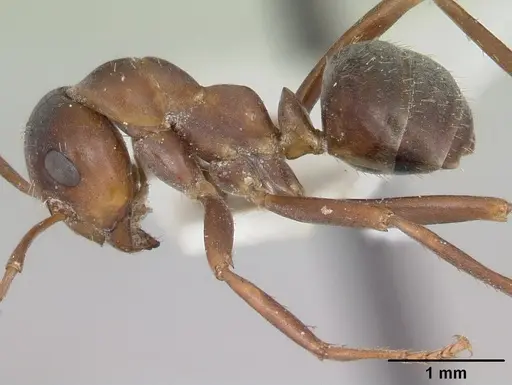
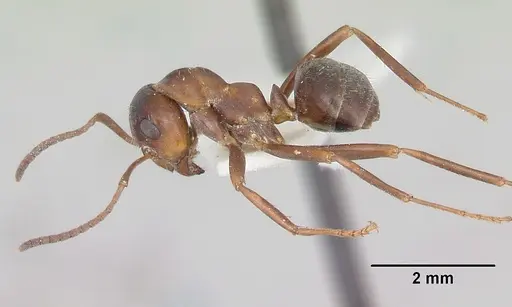
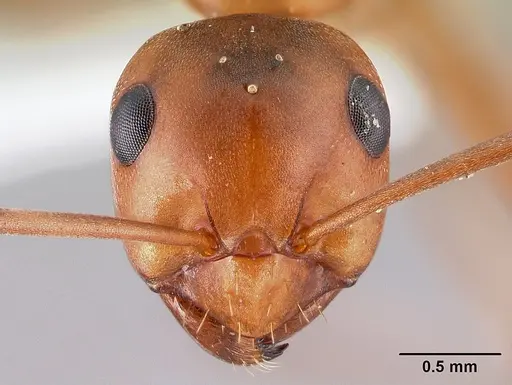
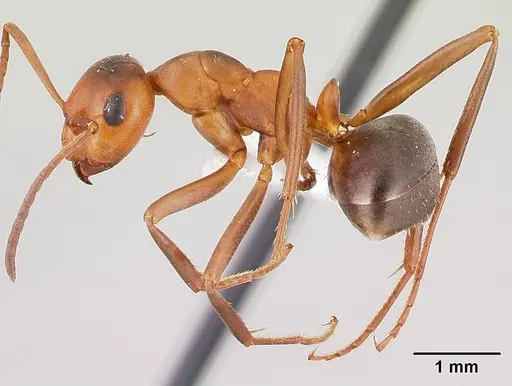
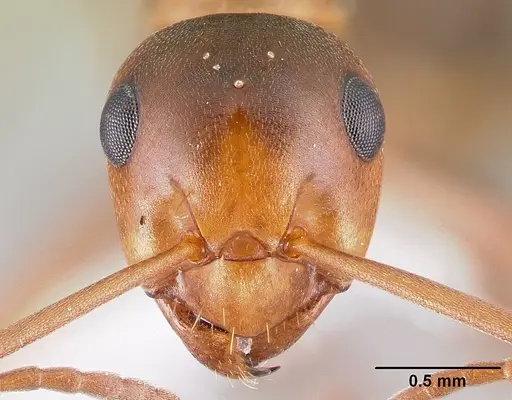
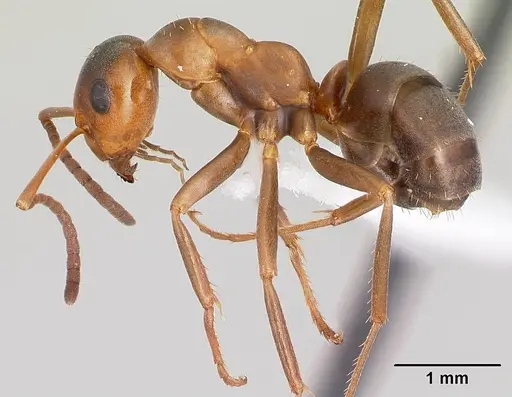
Formica postoculata is a small to medium-sized ant measuring 4.0-6.0mm with a reddish-brown to dark brown coloration [1]. Workers are identified by their smooth scape (antenna) lacking erect hairs except at the tip, and their tibiae having only a row of bristles on the underside. The head has several erect hairs on the upper surface, which helps distinguish it from similar species like Formica indianensis [2]. This species belongs to the Formica microgyna species group.
This ant is notable for being a likely temporary social parasite, meaning its queen invades colonies of other Formica species, kills or replaces the host queen, and uses the host workers to raise her own brood until the first workers emerge [2]. However, the specific host species remains unknown. The species is rarely collected and probably more common than records suggest [3].
Quick Summary
- Difficulty: Expert
- Origin & Habitat: Eastern United States, ranging from New York south to Florida and west to Michigan, Illinois, Missouri, and Texas [1]. Found in wooded areas, with the type location in Indiana described as a grassy pasture on a hilltop facing the Ohio River [3]. The nest was a thatch mound between two boulders [3].
- Colony Type: Likely temporary social parasite of other Formica species. Colony structure is unconfirmed but likely polygynous (multiple queens) during some phase due to parasitic founding behavior.
- Queen: Temporary parasitic
- Size & Growth:
- Queen: Unknown, queen has not been described [2]
- Worker: 4.0-6.0 mm [1]
- Colony: Unknown, rarely collected species
- Growth: Unknown
- Development: Unknown, development has not been studied (No direct data available. Based on typical Formica patterns, expect 6-10 weeks at optimal temperature, but this is an estimate.)
- Antkeeping:
- Temperature: Keep at room temperature around 20-24°C. No specific studies exist, but this aligns with temperate forest species from eastern North America.
- Humidity: Standard Formica requirements, moderate humidity around 50-60%. Provide a water tube but avoid overly damp conditions.
- Diapause: Yes, temperate species will need a winter rest period around 4-8°C for 3-4 months, typically from late fall to early spring.
- Nesting: Natural nesting: thatch mounds between boulders in wooded areas [3]. In captivity: standard formicarium with soil substrate works well. Provide a nesting area with moderate moisture.
- Behavior: Workers are active foragers. No specific aggression data available, but Formica species typically defend their nests and can spray formic acid when threatened. Escape risk is moderate, standard barriers recommended for ants in this size range. The temporary parasitic lifestyle means founding queens would need access to a host colony.
- Common Issues: temporary parasitic founding makes captive establishment extremely difficult, queens need to find and invade a host colony, host species is unknown, making it nearly impossible to provide appropriate host for parasitic founding, rare in the wild and rarely collected, so finding colonies is difficult, queen and male are undescribed, limiting understanding of reproductive behavior, slow colony growth typical of parasitic species
Species Identification and Range
Formica postoculata workers measure 4.0-6.0mm in body length and range in color from reddish-brown to dark brown [1]. The species is distinguished from similar Formica species by having several erect hairs on the dorsal surface of the head (more than 10), while lacking erect hairs on the propodeum and petiole. The tibiae lack erect hairs except for a row of bristles on the flexor surface [2].
The geographic range extends from New York south to Florida, west to Michigan, Illinois, Missouri, and Texas [1]. Specimens have been documented in Illinois, Iowa, Pennsylvania (Mt. Morris), and North Carolina's Coastal Plain [4][5][6]. In Indiana, it has been recorded from 9 counties but is considered occasional [1]. The species is likely more common than records indicate due to its cryptic habits and probable temporary parasitic lifestyle [3].
Biology and Parasitism
Formica postoculata is believed to be a temporary social parasite of other Formica species [2]. In temporary social parasitism, a newly mated queen invades an established colony of a host species. She kills or replaces the host queen and uses the host workers to raise her own brood until her first workers emerge. This strategy allows the parasitic queen to avoid the dangerous and energy-intensive process of founding a colony alone.
The specific host species for F. postoculata is currently unknown [2], which presents a significant challenge for anyone attempting to keep this species. The nest at the type location was described as a thatch mound between two boulders in a grassy pasture on a hilltop [3], suggesting it was using a host nest structure. The species is part of the Formica microgyna group, which contains several known social parasites, supporting the likelihood of parasitic behavior in this species.
Housing and Nesting
In nature, Formica postoculata nests in thatch mounds between boulders in wooded or grassy areas [3]. For captive care, provide a standard formicarium with soil substrate that allows for nest construction. The chamber should be kept at moderate humidity, damp but not waterlogged.
Since this species is likely a temporary social parasite, captive establishment is extremely challenging. A founding queen would need access to a host colony of another Formica species. Without an appropriate host, a lone queen or colony will not survive long-term. This makes F. postoculata essentially impossible to establish in captivity through normal means.
Use standard escape prevention appropriate for ants in the 4-6mm size range. A barrier of fluon on smooth surfaces or fine mesh on openings works well.
Seasonal Care and Overwintering
As a temperate species from the eastern United States, Formica postoculata requires a winter dormancy period. Provide 3-4 months of cold temperatures around 4-8°C from late fall to early spring. This mimics the natural seasonal cycle and is essential for colony health and reproduction.
During the active season (spring through fall), maintain room temperatures in the 20-24°C range. No specific heating is required if room temperature is within this range. Provide a constant water source via a test tube water reservoir.
Challenges for Antkeepers
Formica postoculata presents extreme challenges for antkeepers, possibly the most difficult of any Formica species to maintain. The primary challenge is its likely temporary parasitic lifestyle, queens require a host colony to establish successfully. Since the specific host species is unknown, providing an appropriate host is nearly impossible.
Additionally, this is a rarely collected species with limited documentation. Workers measure 4.0-6.0mm [1], but the queen and male remain undescribed [2]. Maximum colony size is unknown. The species has only been recorded from 9 counties in Indiana and occasional locations across its range [1].
For these reasons, F. postoculata is not recommended for antkeepers unless specifically obtained from a researcher or experienced keeper who has successfully established a colony with appropriate host species.
Frequently Asked Questions
Can I keep Formica postoculata in a test tube?
A test tube setup can work for a founding queen or small colony, but this species is essentially impossible to keep because it requires a host Formica colony to establish. A lone queen will not survive.
How long until first workers in Formica postoculata?
The development timeline has not been studied. Based on typical Formica patterns, expect 6-10 weeks from egg to worker at optimal temperature, but this is an estimate since no specific data exists for this species.
What does Formica postoculata eat?
No specific dietary studies exist. Based on typical Formica behavior, they likely forage for honeydew, small insects, and nectar. Offer sugar water/honey and small insects like fruit flies or pinhead crickets.
Are Formica postoculata good for beginners?
No. This species is extremely difficult to keep and is not recommended for any level of antkeeper. The parasitic founding requirement makes captive establishment nearly impossible.
Can I keep multiple queens together?
Colony structure is not well documented. As a likely temporary social parasite, the founding queen would need to invade an existing host colony rather than found a colony with other queens.
Do Formica postoculata need hibernation?
Yes. As a temperate species from the eastern United States, they require a winter rest period of 3-4 months at 4-8°C from late fall to early spring.
Why is Formica postoculata so rarely kept?
This species is a likely temporary social parasite, meaning its queen must invade and take over a host Formica colony to establish. Since the specific host species is unknown, captive establishment is nearly impossible. Additionally, the species is rarely collected in the wild.
How big do Formica postoculata colonies get?
Maximum colony size is unknown. As a likely social parasite, colonies may remain smaller than typical Formica species due to the parasitic founding constraints.
What is the host species for Formica postoculata?
The specific host species is currently unknown [2]. This is one of the main challenges preventing captive establishment of this species.
References

This caresheet is licensed under CC BY-SA 4.0 .
CASENT0103380
View on AntWeb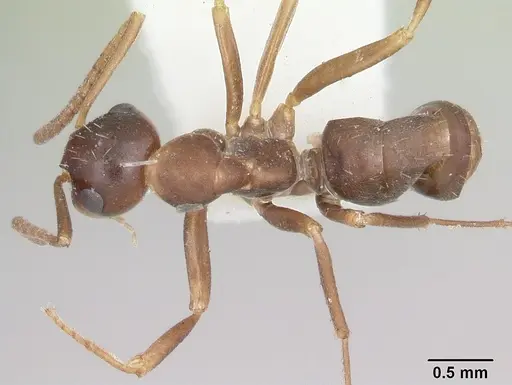
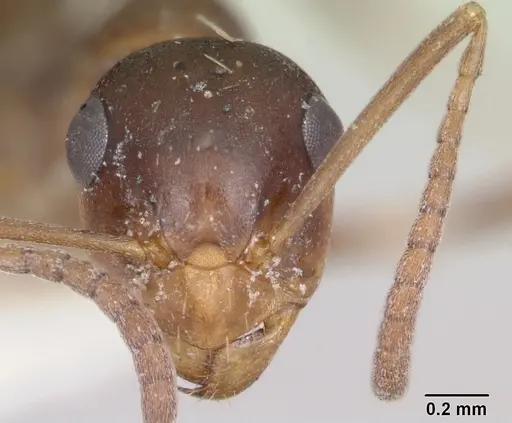
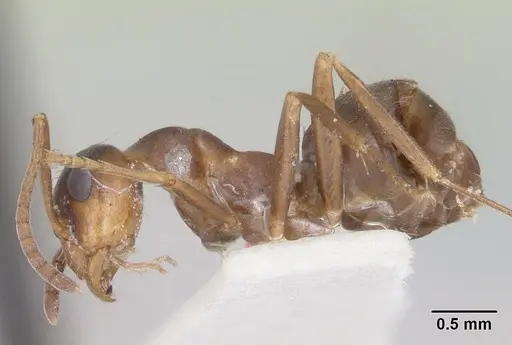
CASENT0105757
View on AntWeb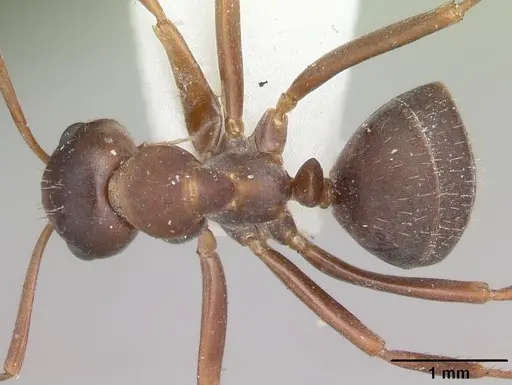
CASENT0179610
View on AntWeb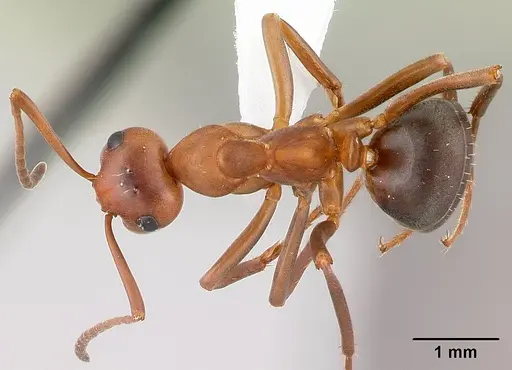
CASENT0179614
View on AntWeb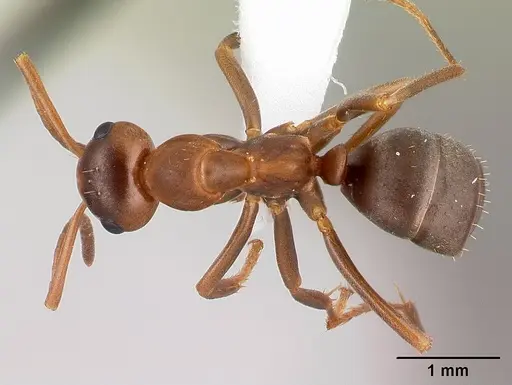
Literature
Loading...Loading products...