

Formica orangea
- Scientific Name
- Formica orangea
- Tribe
- Formicini
- Subfamily
- Formicinae
- Author
- Seifert & Schultz, 2009
- Distribution
- Found in 5 countries
Formica orangea Overview
Formica orangea is an ant species of the genus Formica. It is primarily documented in 5 countries , including Afghanistan, China, Kyrgyzstan. Detailed taxonomic data and occurrence records can be further explored via authoritative databases such as AntWeb or the Global Biodiversity Information Facility (GBIF).
Formica orangea
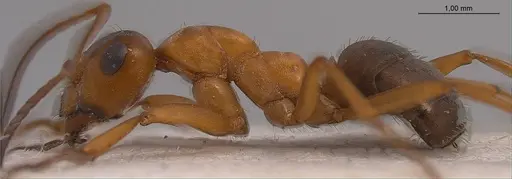
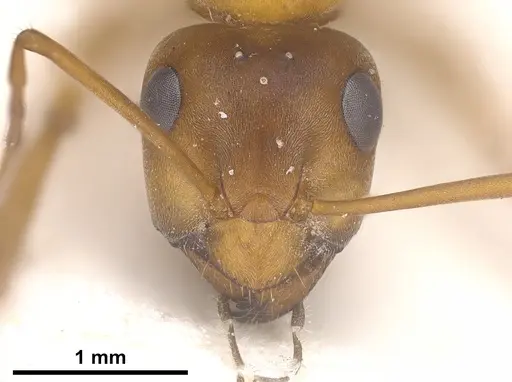
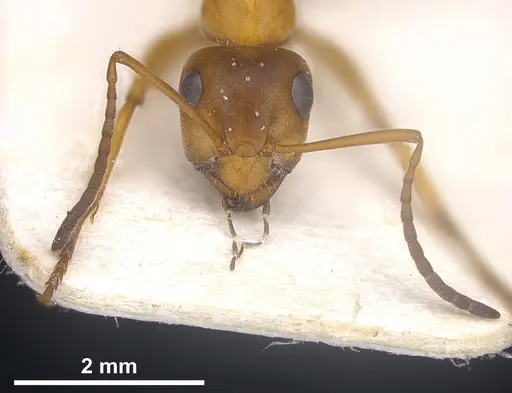
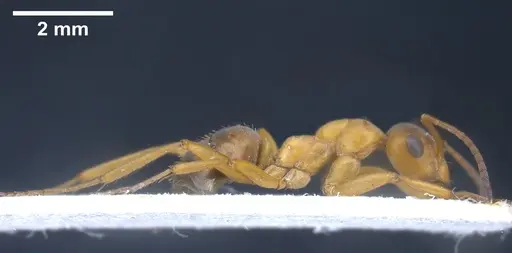
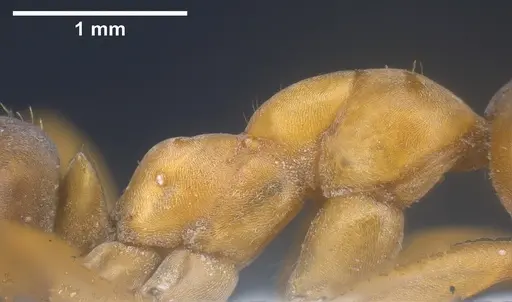
Formica orangea is a small to medium-sized ant belonging to the Formica rufibarbis group, first described in 2009. Workers measure around 1.3mm and display a distinctive bright orange-red coloration on the head, mesosoma (middle body section), legs, and petiole, while the abdomen (gaster) remains dark brown. This species is native to Central Asia, ranging from Iran and Afghanistan east through Kyrgyzstan and Uzbekistan to Mongolia, typically found at elevations between 400 and 2200 meters. It prefers dry steppe and semi-desert habitats near rivers or lakes, and often establishes nests in rural areas and gardens. The species is characterized by its short head, short antennae scapes, and dense silvery pubescence on the abdomen. These ants are foragers that likely tend honeydew-producing insects on trees.
Quick Summary
- Difficulty: Medium
- Origin & Habitat: Central Asia, from Iran to Mongolia, spanning Afghanistan, Kyrgyzstan, Uzbekistan. Found in dry steppe and semi-desert habitats near rivers or lakes at elevations of 400-2200m [1][2]. Nests in moderately dry sand with characteristic slanted nest entrances leading underground [1].
- Colony Type: Single-queen colonies (monogyne) based on typical Serviformica patterns. Colony size is not directly documented but likely reaches several hundred workers given the typical size of related Formica species.
- Colony: Monogyne
- Founding: Claustral
- Size & Growth:
- Queen: Not directly documented, estimated 7-9mm based on related Formica species in the rufibarbis group
- Worker: 1.3mm (CS 1.335 ± 0.137mm) [2]
- Colony: Not directly documented, estimated several hundred workers based on related species
- Growth: Moderate, inferred from typical Formica development patterns
- Development: 6-10 weeks at optimal temperature based on genus-level data for Formica species (Development time is estimated from related Formica rufibarbis group species, specific timing for F. orangea has not been directly studied)
- Antkeeping:
- Temperature: Keep at 20-26°C with a gentle gradient. This species comes from warm temperate to subtropical regions of Central Asia, so moderate warmth is beneficial for colony development [1].
- Humidity: Moderate, they prefer moderately dry nesting conditions. Keep substrate dry to slightly moist but not waterlogged. The species naturally nests in dry sand [1].
- Diapause: Likely required, Central Asian species typically need a winter rest period. Provide 3-4 months at 5-10°C during winter.
- Nesting: Best kept in dry, sandy substrates. A formicarium with sand or soil mix works well. The species naturally creates nests with slanted entrances in sand [1]. Provide a nest area with dry to moderately moist substrate.
- Behavior: These are active foragers that climb trees and vegetation to tend honeydew-producing insects. Workers are moderately aggressive when defending the nest but not particularly territorial. They are not known for being escape artists, their size is moderate, so standard barrier methods work well. They form moderate-sized colonies and are relatively peaceful toward keepers.
- Common Issues: colonies may be slow to establish initially, patience is needed during the founding stage, dry habitat requirements mean overwatering can cause mold and kill colonies, winter diapause is likely required, improper overwintering causes colony decline, limited availability in the antkeeping hobby means established colonies are rare, specific humidity needs are not well-documented, monitor colony response and adjust accordingly
Housing and Nest Setup
Formica orangea does well in formicariums with a sandy substrate. In the wild, they nest in moderately dry sand with characteristic slanted gateways leading underground, so replicate this with a dry to slightly moist sand-soil mix. A test tube setup can work for founding colonies, but you'll need to move them to a proper formicarium once the colony reaches 20-30 workers. These ants are moderate foragers and will readily explore above-ground areas. Use a standard outworld setup with a foraging area connected to the nest chamber. Because they come from dry habitats, ensure good ventilation to prevent excessive moisture buildup. [1]
Feeding and Diet
Like other Formica species, F. orangea is omnivorous. Workers forage on trees and likely tend trophobionts (aphids, scale insects, and other honeydew-producing insects) in the wild [1]. In captivity, offer sugar water or honey as an energy source, and protein-rich foods like small insects (fruit flies, small crickets, mealworms). They generally accept a standard ant diet. Feed protein 2-3 times per week and provide constant access to sugar water. Remove uneaten prey after 24-48 hours to prevent mold.
Temperature and Seasonal Care
Maintain temperatures between 20-26°C. This species comes from Central Asia's warm temperate to subtropical regions, so moderate warmth supports colony growth. A heating cable on one side of the nest creates a useful temperature gradient. During winter, provide a diapause (hibernation) period of 3-4 months at 5-10°C. This is essential for colony health, Central Asian species expect a cold period. Reduce feeding during diapause and keep the colony relatively undisturbed. Resume normal temperatures in spring to trigger renewed activity and brood production. [1][2]
Colony Development
As a Formica species, F. orangea is claustral, the queen seals herself in a chamber and raises the first workers alone using stored fat reserves. Founding colonies grow at a moderate pace. The first workers (nanitics) will be smaller than mature workers but will quickly be replaced by normally-sized workers as the colony expands. Expect 6-10 weeks from egg to first worker at optimal temperatures, though this is estimated from related species rather than directly documented. Colonies likely reach several hundred workers when mature. Be patient during the founding stage, these ants need time to establish. [1]
Behavior and Temperament
Workers are active foragers that will travel up into vegetation to tend honeydew-producing insects in the wild. They are moderately defensive around the nest but not unusually aggressive. This species is not known for being particularly territorial or for conducting raids on other ant colonies. Workers are relatively calm in captivity and can be observed readily. They are not strong climbers on smooth surfaces, so standard barrier methods prevent escape effectively. [1]
Frequently Asked Questions
How long does it take for Formica orangea to produce first workers?
Expect 6-10 weeks from egg to first worker at optimal temperatures around 22-26°C. This is estimated from related Formica species in the rufibarbis group, as specific development timing for F. orangea has not been directly studied.
What do Formica orangea ants eat?
They are omnivorous. Offer sugar water or honey for energy, and protein sources like small insects (fruit flies, small crickets, mealworms). In the wild, they forage on trees and tend honeydew-producing insects.
Do Formica orangea ants need hibernation?
Yes, a winter diapause is likely required. This species comes from Central Asia where winters are cold. Provide 3-4 months at 5-10°C during winter months for colony health.
What temperature is best for Formica orangea?
Keep them at 20-26°C with a gentle gradient. A heating cable on part of the nest allows workers to choose their preferred temperature. Avoid temperatures below 15°C except during hibernation.
Are Formica orangea good for beginners?
They are rated as medium difficulty. While not the most challenging species, their specific humidity needs (dry conditions) and hibernation requirements make them better suited for keepers with some experience. Their rarity in the hobby is also a consideration.
How big do Formica orangea colonies get?
Colony size is not directly documented, but based on related Formica species, colonies likely reach several hundred workers at maturity.
Can I keep multiple Formica orangea queens together?
This species is likely monogyne (single-queen colonies). Combining unrelated queens is not recommended as they would likely fight. Only keep one queen per colony.
Where is Formica orangea native to?
Central Asia, specifically Afghanistan, Kyrgyzstan, Uzbekistan, Iran, and Mongolia. They live in dry steppe and semi-desert habitats near rivers or lakes at elevations of 400-2200 meters.
References

This caresheet is licensed under CC BY-SA 4.0 .
ANTWEB1008418
View on AntWeb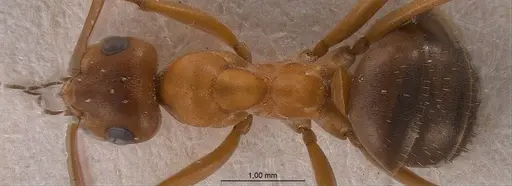
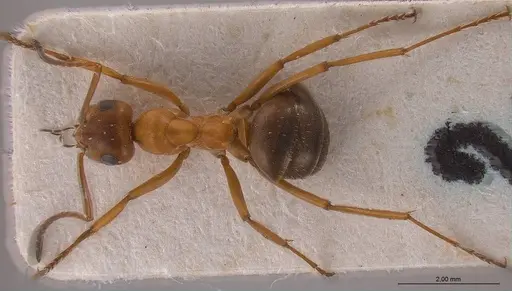
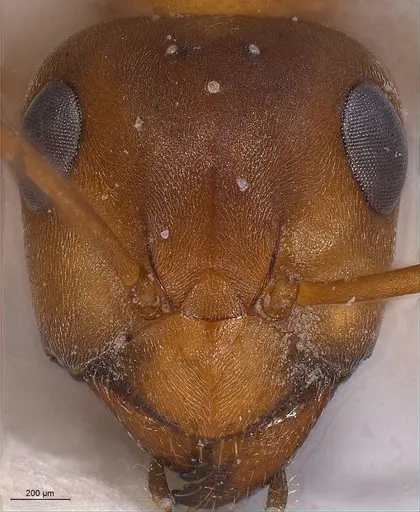
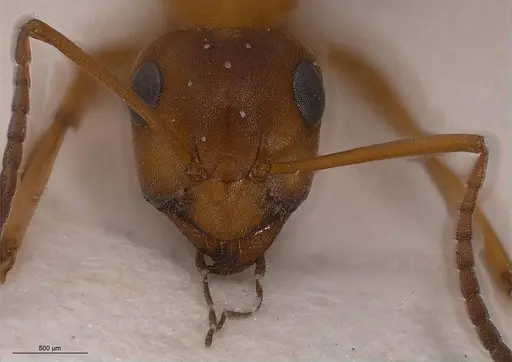
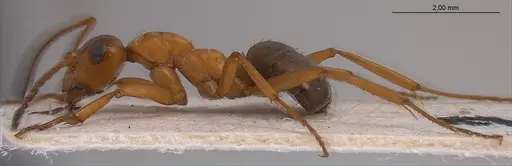
ANTWEB1041263
View on AntWeb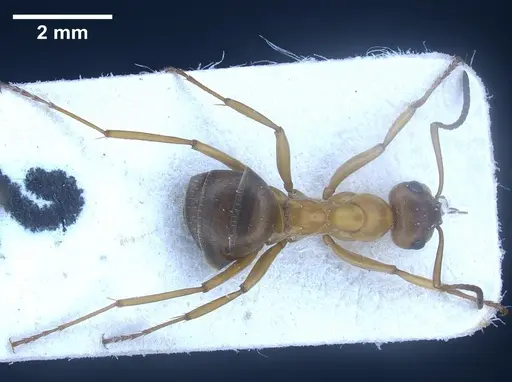
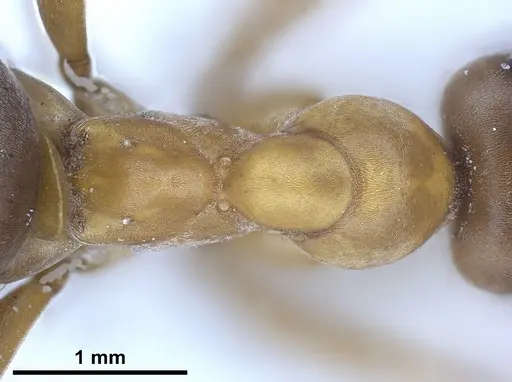
Literature
Loading...Loading products...