

Formica nevadensis
- Scientific Name
- Formica nevadensis
- Tribe
- Formicini
- Subfamily
- Formicinae
- Author
- Wheeler, 1904
- Distribution
- Found in 1 countries
Formica nevadensis Overview
Formica nevadensis is an ant species of the genus Formica. It is primarily documented in 1 countries , including United States of America. Detailed taxonomic data and occurrence records can be further explored via authoritative databases such as AntWeb or the Global Biodiversity Information Facility (GBIF).
Formica nevadensis
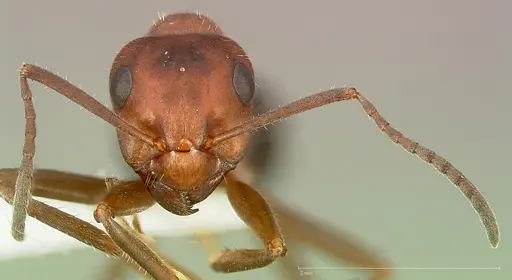
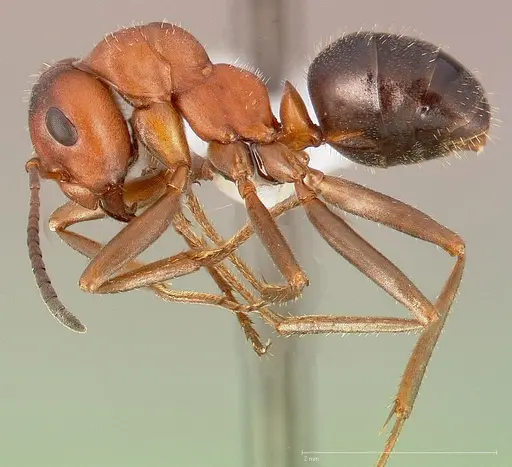
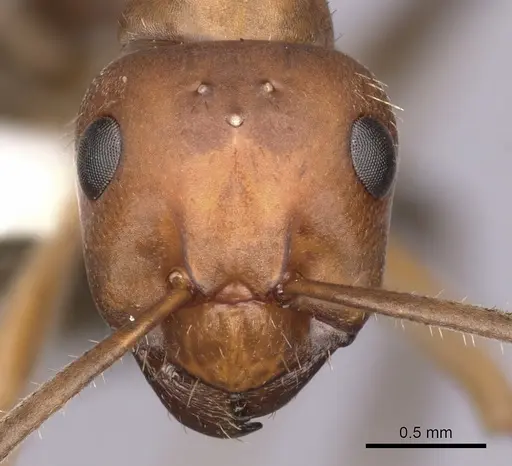
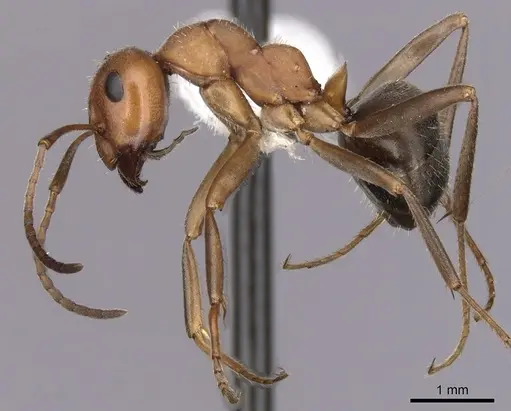
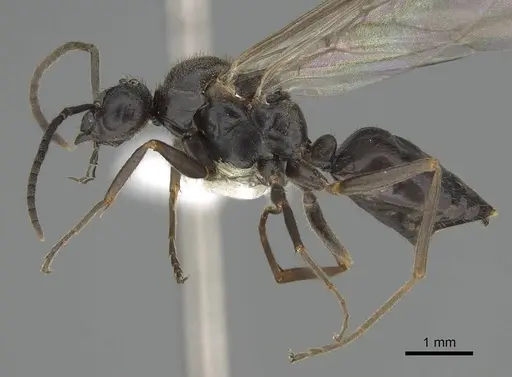
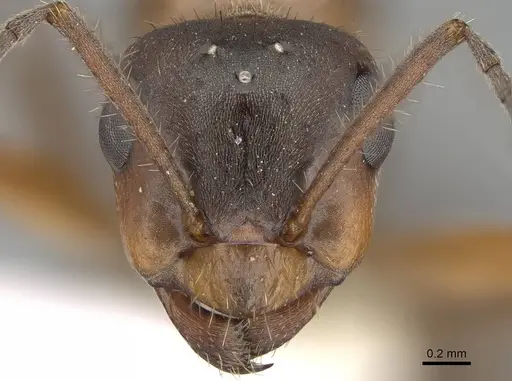
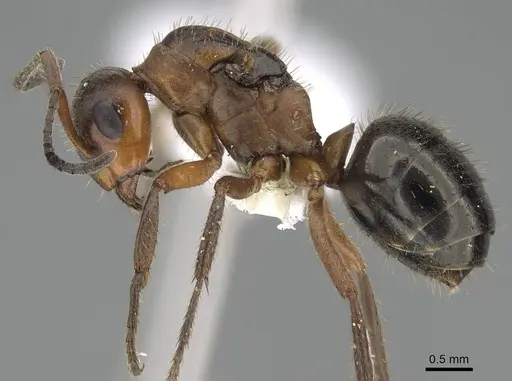
Formica nevadensis is a small, high-elevation ant native to the mountains of Nevada. Workers are typically dark brown to black with lighter appendages, measuring around 4-6mm. This species belongs to the microgyna group of Formica, known for their relatively small queen size compared to other Formica species. They build characteristic thatched nests, mounds of plant material and debris, typically positioned beside stones in coniferous forest areas at elevations between 6,800 and 10,400 feet [1].
This species is a temporary social parasite, meaning the queen invades a host colony of another Formica species, kills or displaces the host queen, and uses the host workers to raise her first brood. This parasitic lifestyle is why they have relatively small queens, they don't need the massive fat reserves of fully claustral species since they rely on host workers from the start [2].
Quick Summary
- Difficulty: Medium
- Origin & Habitat: Native to the western United States, specifically Nevada at high elevations (6,800-10,400 ft). Found in the Coniferous Forest Biome, nesting beside stones with thatched mounds [1].
- Colony Type: Temporary social parasite, queen invades host Formica species colony. Likely monogyne in established colonies (single queen per colony).
- Colony: Monogyne
- Queen: Socially parasitic, Temporary parasitic
- Size & Growth:
- Queen: Small for Formica, approximately 5-7mm (microgyna group characteristic) [2][1]
- Worker: 4-6mm [1]
- Colony: Unknown for this specific species, but microgyna group species typically form moderate-sized colonies
- Growth: Moderate, depends on host colony success
- Development: Unknown, development tied to host colony integration (First workers produced after queen integrates with host colony and raises brood using host workers)
- Antkeeping:
- Temperature: Keep cool, high elevation species. Aim for 18-22°C, avoiding overheating. Room temperature is likely appropriate for most keepers.
- Humidity: Moderate, they prefer dry to moderately moist conditions typical of mountain coniferous forests. Avoid overly damp setups.
- Diapause: Yes, high elevation species will require winter hibernation. Provide 3-4 months at 5-10°C during winter.
- Nesting: Naturalistic setups work well. They build thatched mounds in nature, so provide soil/substrate they can manipulate. Y-tong or plaster nests with some soil area for thatching behavior work well in captivity.
- Behavior: Workers are active foragers, documented foraging on bristlecone pine trees in the wild [1]. They are not particularly aggressive but will defend their nest. Like other Formica, they can spray formic acid as defense. Escape risk is moderate, standard barrier methods (Fluon) are sufficient. They are diurnal and actively forage during daylight hours.
- Common Issues: Finding a suitable host colony is the biggest challenge, they require a host Formica species to establish, High elevation species may struggle in warm, lowland conditions, keep cool, Colony establishment can be slow as the queen must integrate with host workers, Winter hibernation is essential, colonies that don't cool down may fail to thrive, Wild-caught colonies may have parasites, quarantine and monitor new colonies
Understanding Formica nevadensis as a Parasitic Species
Formica nevadensis is a temporary social parasite, which means its colony founding is fundamentally different from most common ant species. Unlike claustral ants where the queen seals herself in a chamber and raises her first workers alone, F. nevadensis queens must find and invade a colony of another Formica species to serve as hosts [2]. The invading queen kills or displaces the host queen and uses the existing host workers to raise her own brood. This is a rare and specialized lifestyle that presents unique challenges for antkeepers.
The microgyna group that F. nevadensis belongs to is characterized by smaller queen sizes compared to other Formica species. This makes biological sense, parasitic queens don't need massive fat reserves since they'll have host workers feeding them shortly after invasion. The small female size noted in historical literature [2] is a key identification feature for this species.
Housing and Nest Setup
Because this is a parasitic species requiring a host colony, keeping F. nevadensis successfully requires planning. You cannot simply set up a founding queen in a test tube, she needs a host colony to invade. In practice, most keepers obtain established colonies that have already integrated with host workers.
For established colonies, a naturalistic setup works best. These ants naturally build thatched mounds beside stones, so provide them with soil or a soil mixture they can manipulate. A formicarium with a dedicated soil area alongside a plaster or acrylic nest section gives them options. Keep the setup cool, high elevation Nevada means they're adapted to temperatures much lower than typical room temperature. Aim for 18-22°C and ensure good ventilation to prevent mold in the soil areas. [1]
Temperature and Seasonal Care
As a high-elevation species from Nevada's mountain ranges, F. nevadensis requires cool conditions and a distinct winter dormancy period. In their natural habitat at 6,800-10,400 feet elevation, they experience cold winters and mild summers. In captivity, keep them at 18-22°C during the active season, avoid placing their setup near heat sources or in warm rooms.
Winter hibernation is essential. Provide 3-4 months of cold conditions around 5-10°C during winter months. This aligns with their natural cycle and is likely important for colony health and reproduction. Reduce feeding during this period and ensure the colony is healthy going into hibernation, weak colonies may not survive the winter rest. [1]
Feeding and Diet
Like other Formica species, F. nevadensis workers are generalist foragers that collect honeydew from aphids and tendles, hunt small insects, and will accept sugar sources. In captivity, offer a mix of sugar water or honey as a constant energy source, and protein-rich foods like small insects (fruit flies, small crickets, mealworms) regularly.
Their arboreal foraging behavior documented in the wild (foraging on bristlecone pine) suggests they may particularly enjoy tree-dwelling prey and honeydew sources. Consider offering honeydew substitutes or aphid-tended setups if the colony shows strong interest in sugar sources. Feed protein 2-3 times per week and keep sugar available continuously. [1]
Behavior and Defense
Workers are active foragers, typically diurnal, searching for food both on the ground and in vegetation. Like all Formica, they can spray formic acid as a defense mechanism when threatened. While not particularly aggressive toward humans, they will vigorously defend their nest.
Escape prevention is straightforward with this species, they're not particularly small or agile escape artists. Standard barrier methods like Fluon on test tube rims or formicarium edges work well. They're not known for the kind of persistent escape attempts seen in some tiny species or those with major claustral founding drives. [1]
Frequently Asked Questions
Can I keep Formica nevadensis as a beginner antkeeper?
This species is not ideal for beginners due to its parasitic lifestyle. Unlike most ants you can start from a single queen, F. nevadensis requires a host colony to establish. You'll need to obtain an already-established colony with host workers, and finding a suitable host species adds complexity. Additionally, their high-elevation cold requirements and need for winter hibernation make them more challenging than typical ant species.
How do I start a Formica nevadensis colony?
You cannot start this species from a founding queen alone like you would with most ants. Because it's a temporary social parasite, the queen must invade and take over a host Formica colony. In practice, you'll need to obtain an already-integrated colony, one where the parasitic queen has successfully established with host workers. This typically requires purchasing from a specialized ant breeder who has accomplished the integration.
What do Formica nevadensis eat?
They are generalist feeders like other Formica species. Offer sugar water or honey as a constant energy source, and protein-rich foods like small insects (fruit flies, pinhead crickets, mealworms) 2-3 times per week. They may also accept other sweet liquids. Their documented foraging on pine trees suggests they may enjoy arboreal food sources.
What temperature do Formica nevadensis need?
Keep them cool, 18-22°C is ideal. This is a high-elevation species from Nevada mountains, so they're adapted to cooler conditions than typical room temperature. Avoid placing their setup near heaters or in warm rooms. Room temperature is often acceptable, but monitor for overheating signs.
Do Formica nevadensis need hibernation?
Yes, winter hibernation is essential. As a high-elevation species, they require 3-4 months of cold conditions around 5-10°C during winter. This aligns with their natural seasonal cycle at 6,800-10,400 feet elevation in Nevada. Reduce feeding during hibernation and ensure the colony is healthy before cooling down.
How big do Formica nevadensis colonies get?
Exact colony size data is not well-documented for this species, but microgyna group Formica typically form moderate-sized colonies. The presence of host workers (from the invaded colony) means colony size depends partly on successful integration. Expect colonies in the hundreds of workers range rather than the thousands seen in some Formica species.
What is a temporary social parasite?
A temporary social parasite is an ant species whose queen invades an established colony of another species, kills or displaces the host queen, and uses the host workers to raise her own brood. Once the parasite's first workers emerge, the colony becomes self-sustaining using only the parasite species. F. nevadensis is this type of parasite, the queen cannot found a colony alone [2].
What host species does Formica nevadensis use?
The specific host species is unknown and has not been documented in scientific literature [1]. Other Formica in the microgyna group typically parasitize related Formica species. In captivity, finding an appropriate host adds to the challenge of keeping this species.
References

This caresheet is licensed under CC BY-SA 4.0 .
CASENT0005388
View on AntWeb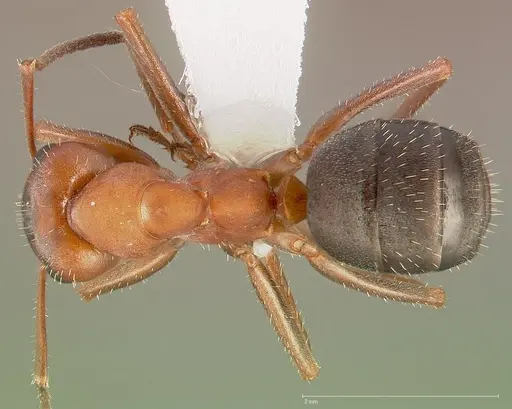
CASENT0280416
View on AntWeb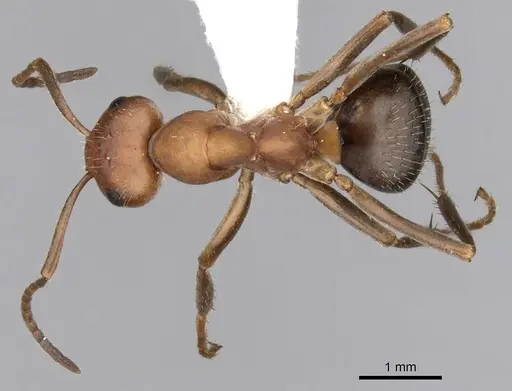
CASENT0843923
View on AntWeb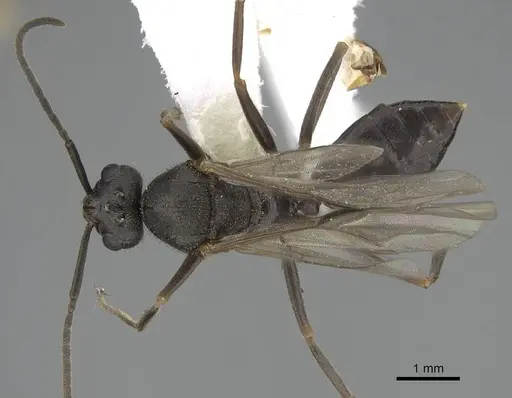
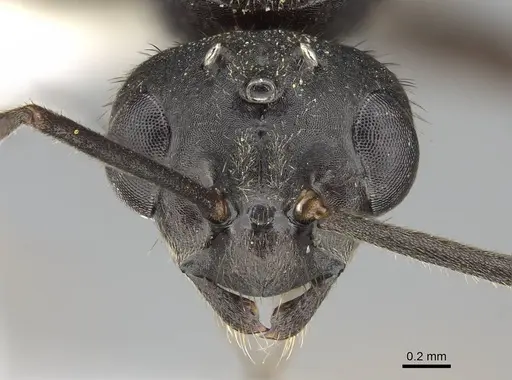
CASENT0843924
View on AntWeb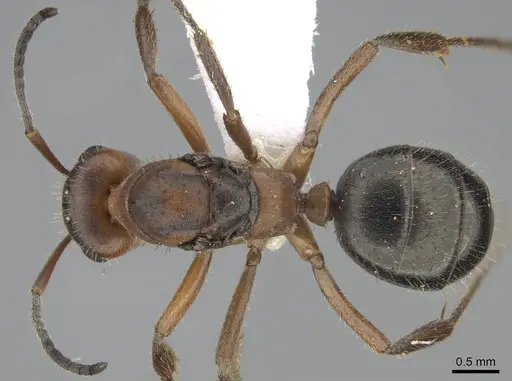
Literature
Loading...Loading products...