

Formica manchu
- Scientific Name
- Formica manchu
- Tribe
- Formicini
- Subfamily
- Formicinae
- Author
- Wheeler, 1929
- Distribution
- Found in 2 countries
Formica manchu Overview
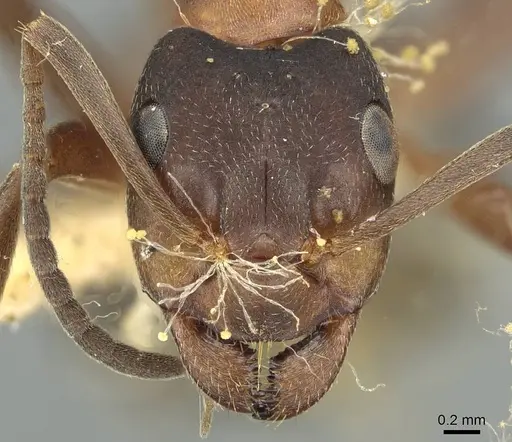
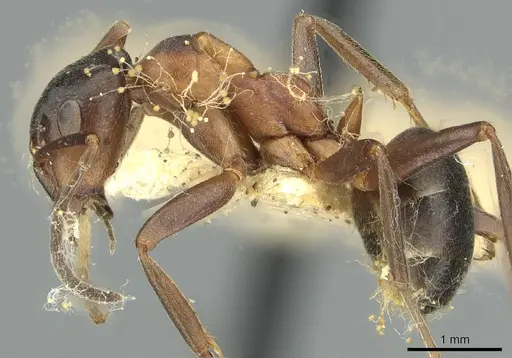
Formica manchu is an ant species of the genus Formica. It is primarily documented in 2 countries , including China, Mongolia. Detailed taxonomic data and occurrence records can be further explored via authoritative databases such as AntWeb or the Global Biodiversity Information Facility (GBIF).
Formica manchu
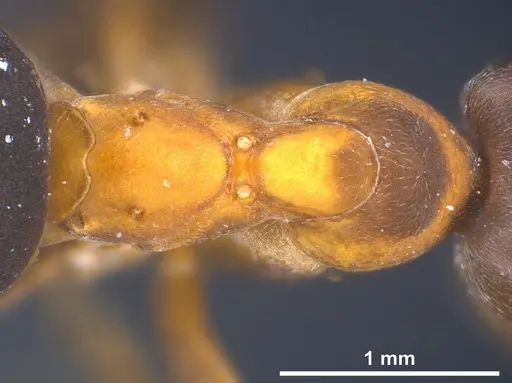
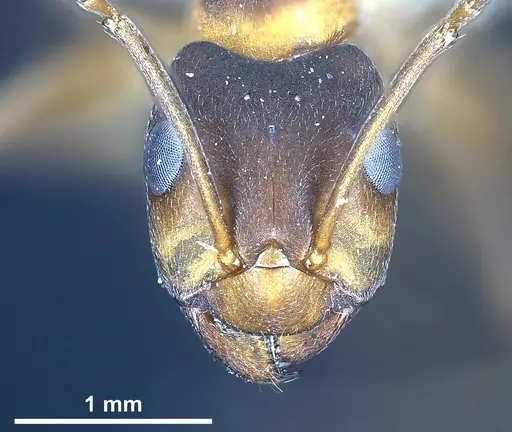
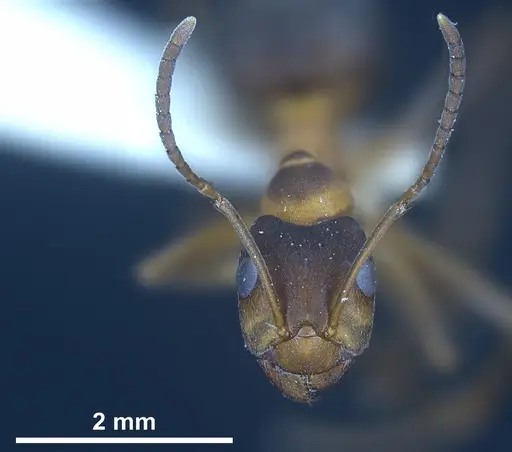
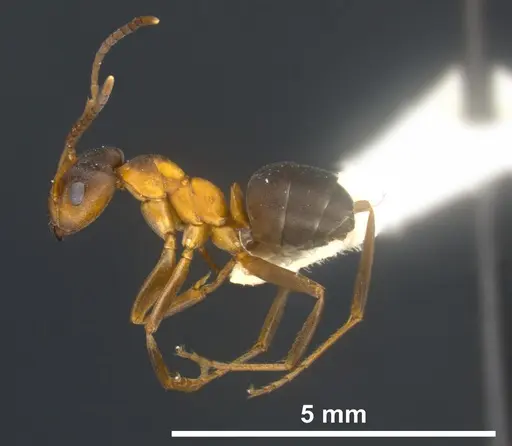
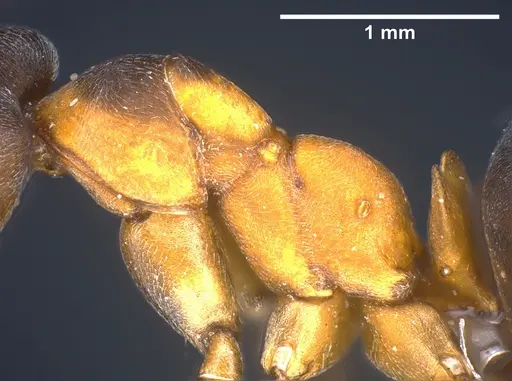
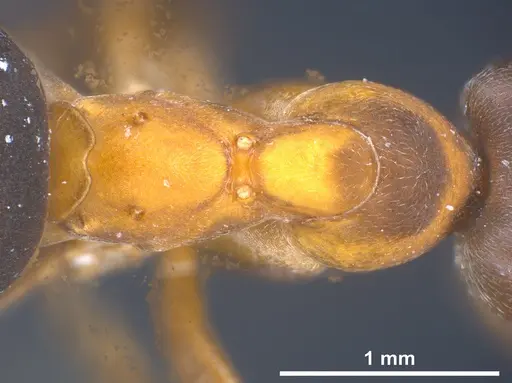
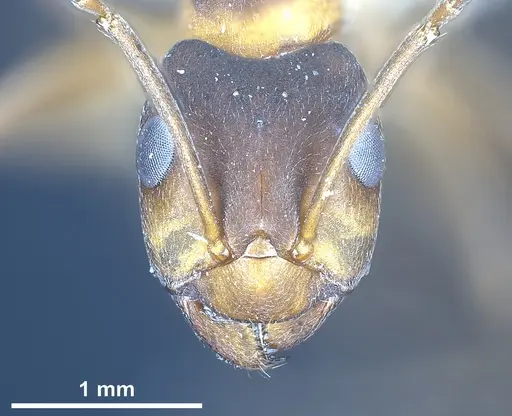
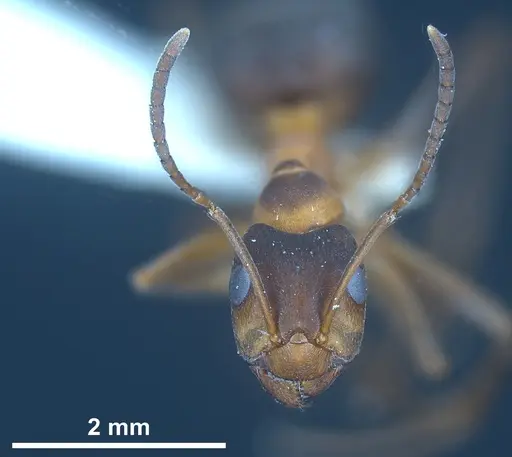
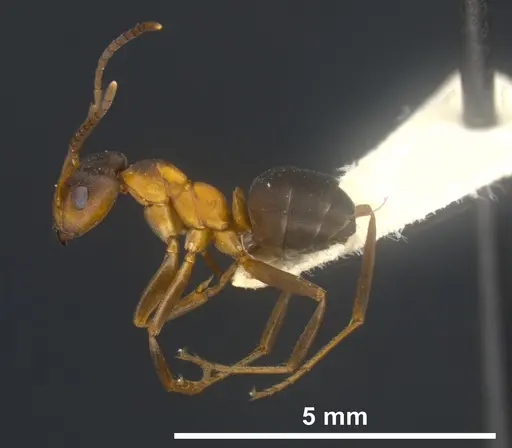
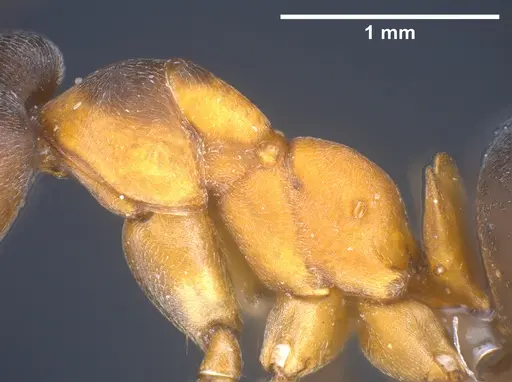
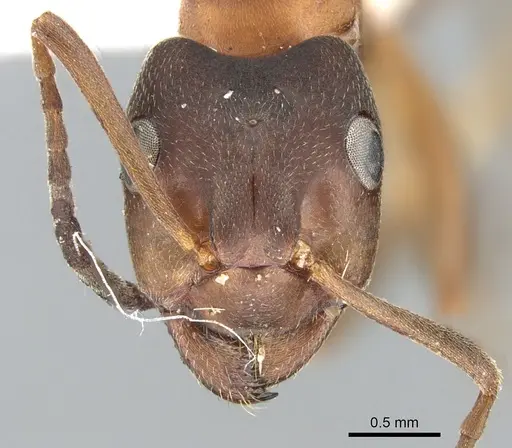
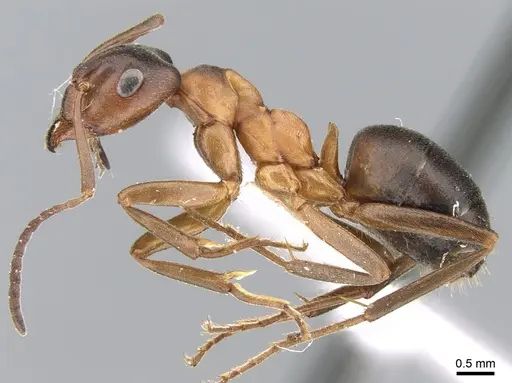
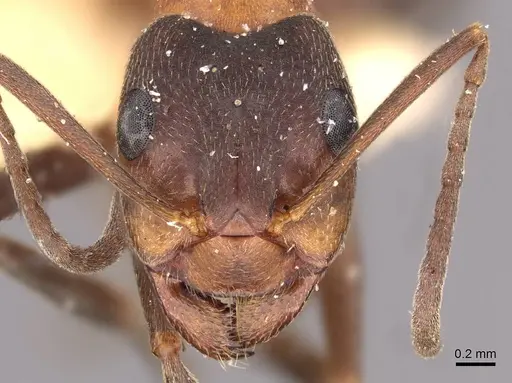
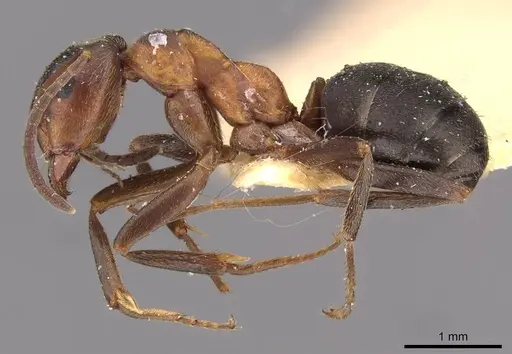
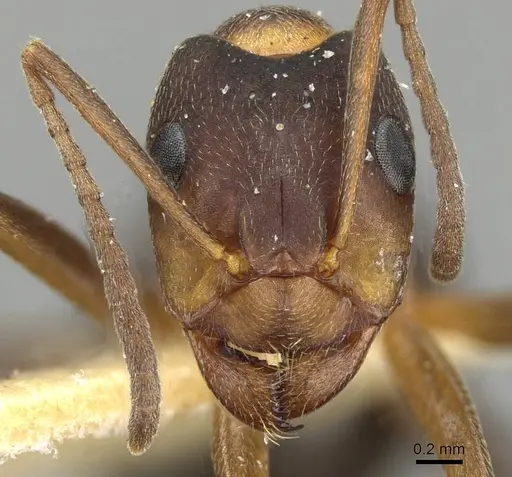
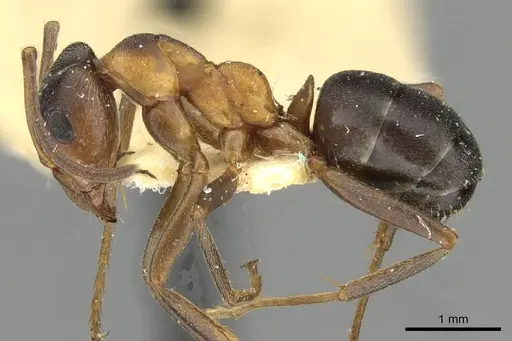
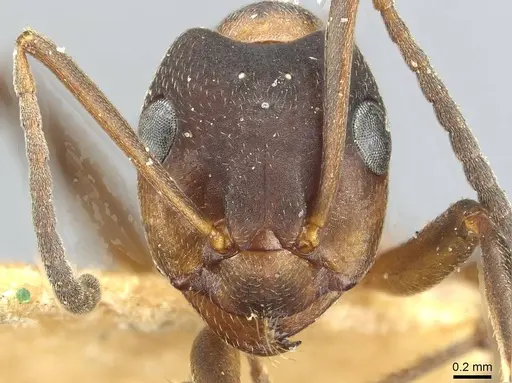
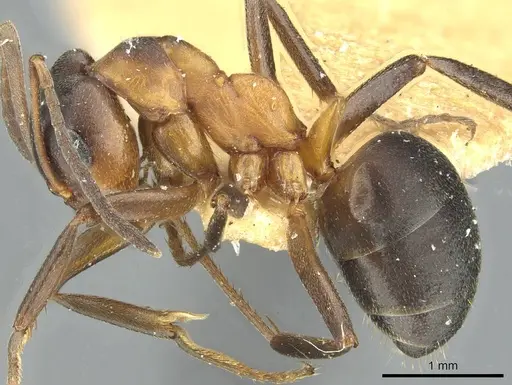
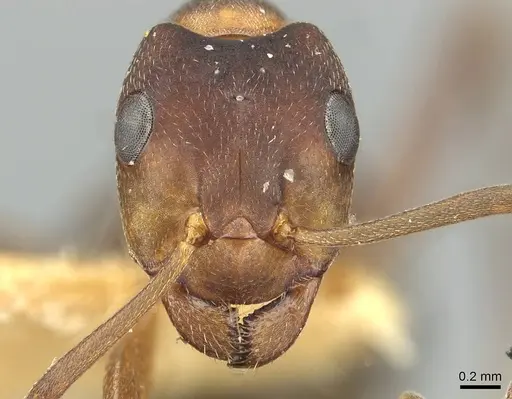
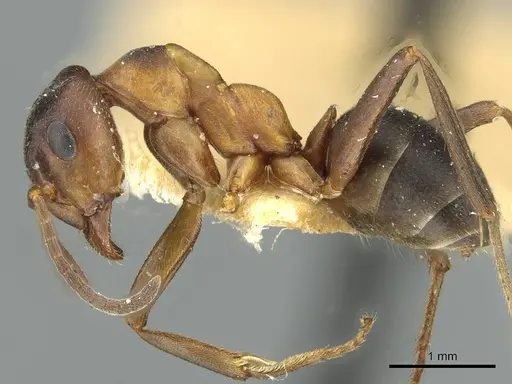
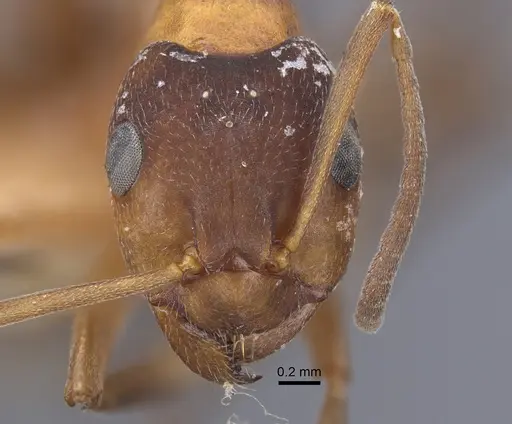
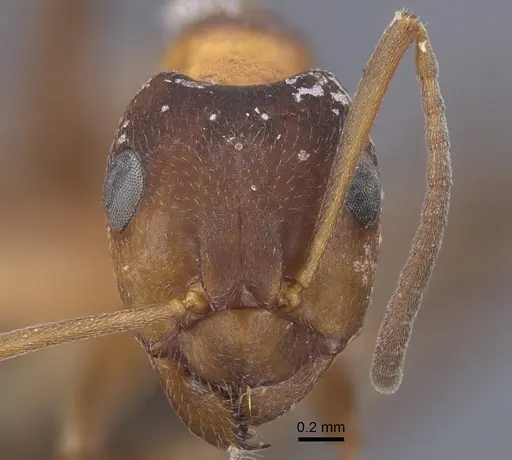
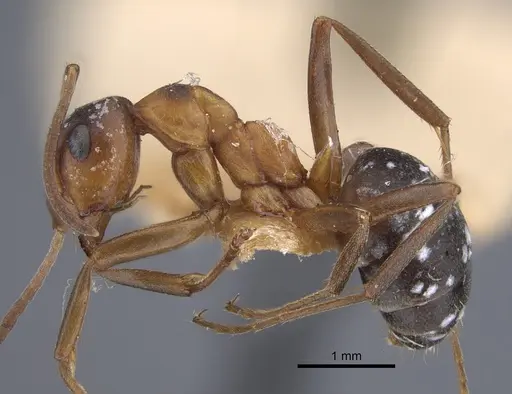
Formica manchu is a medium-sized ant belonging to the subgenus Coptoformica, native to the cold regions of East Siberia, Mongolia, northern China, and Tibet. Workers measure 4.5-5.5mm with a dark brown to black-brown body, featuring a distinctly narrowed head behind the eyes and a deep occipital excision typical of the exsecta group [1][2]. This species is one of the most abundant Coptoformica species in Siberia and Tibet, known for its remarkable cold tolerance that allows it to survive far north of the Reinig Line faunal divide [3]. As a Coptoformica species, F. manchu is likely a temporary social parasite that invades host colonies of other Formica species during colony founding, though the specific host remains unknown [4].
Quick Summary
- Difficulty: Medium
- Origin & Habitat: East Palaearctic region, from 96°E (Kansk, Siberia) to 130°E (Yakutsk) and from 36°N (Northern Tibet) to 62°N (Yakutsk). Found in grassy open habitats, both natural and grazed areas, from dry to fairly moist conditions. In Siberia it occupies clearings and margins of Larix Taiga forests, and in Mongolia it lives in forest-steppe habitats between 1500-2300m elevation [4][5][6].
- Colony Type: Forms both monodomous (single nest) and polydomous (multiple connected nests) colonies. Polydomous colonies sometimes merge, suggesting polycalic structure [4][5]. Likely a temporary social parasite requiring a host Formica species for colony founding.
- Queen: Temporary parasitic
- Size & Growth:
- Queen: Approximately 6.5mm (mean CS 1635 µm, max 1691 µm) [7]
- Worker: 4.5-5.5mm [1][2]
- Colony: Several hundred to a thousand workers per colony [1]
- Growth: Moderate, estimated based on typical Formica development patterns
- Development: Estimated 6-10 weeks based on typical Formica patterns at optimal temperature (around 20-24°C) (Development time inferred from genus-level data, specific measurements unavailable for this species)
- Antkeeping:
- Temperature: Keep at room temperature or slightly below (18-22°C). This is a cold-hardy species from Siberia and Tibet, so avoid overheating. Room temperature is typically suitable, with a slight gradient if possible [3].
- Humidity: Moderate humidity around 50-60%. Provide a water tube for drinking water. The species inhabits grassy open areas that are not extremely wet or dry [4].
- Diapause: Yes, requires hibernation. This is a cold-resistant species from Siberia and Tibet that naturally experiences harsh winters. Provide a winter rest period at 5-10°C for 3-4 months [3].
- Nesting: Large naturalistic setups work best given their natural nest size (20-100cm diameter). They build soil nests with small mounds of plant debris. A formicarium with spacious chambers or a large naturalistic setup with soil substrate is recommended. Nests should be near vegetation or provide access to foragin areas [8][5].
- Behavior: Active foragers that hunt various insects and tend aphid colonies for honeydew [8]. Workers are moderately aggressive when defending the nest but not particularly territorial. They are not escape artists, medium-sized ants that can be contained with standard formicarium barriers. Alates (winged reproductives) appear in nests from late June to late August [4].
- Common Issues: temporary parasitic founding is difficult, queens need a host colony to establish, making initial colony founding challenging, cold requirements mean overheating can be fatal, keep away from direct heat sources, large colony size requires spacious housing, cramped nests lead to stress and abandonment, hibernation is mandatory, skipping winter rest can weaken and kill colonies over time, polydomous colonies may try to expand to multiple nesting areas, requiring space for expansion
Housing and Nest Setup
Formica manchu requires more space than typical ant species due to their large natural colony sizes (nests reach 20-100cm diameter in the wild) [5]. A spacious formicarium with multiple chambers or a naturalistic setup with a soil substrate works best. They build nests in soil with small mounds made of plant debris, so a dirt-filled formicarium or hybrid setup mimics their natural conditions [8]. Since they form polydomous colonies in the wild, they may benefit from having multiple connected nesting areas. Provide a water tube and keep humidity at moderate levels (50-60%). Because they are cold-hardy, avoid placing the nest near heat sources that could overheat them.
Feeding and Diet
Like other Formica species, F. manchu is omnivorous with a preference for protein sources. Workers actively hunt various insects and also tend aphid colonies for honeydew [8]. In captivity, offer protein-rich foods such as small crickets, mealworms, fruit flies, and other small insects. Sugar sources like honey water or sugar water can be offered occasionally, though protein should form the bulk of their diet. Feed them 2-3 times per week, adjusting based on colony size and consumption. Always remove uneaten prey after 24-48 hours to prevent mold.
Temperature and Seasonal Care
This is a cold-hardy species from Siberia and Tibet, requiring cool to moderate temperatures. Keep them at 18-22°C, room temperature is typically ideal. They should never be overheated. During winter, they require a hibernation period of 3-4 months at 5-10°C, mimicking their natural cold climate [3]. This hibernation is essential for colony health and reproduction. In summer, normal room temperatures are fine. The species naturally inhabits high elevations and northern latitudes where temperatures remain cool even in summer.
Colony Founding and Reproduction
As a member of the Coptoformica subgenus, Formica manchu is likely a temporary social parasite. This means founding queens must invade a host colony of another Formica species, kill or replace the host queen, and use the host workers to raise their first brood [4]. This makes captive colony founding extremely difficult, you would need to provide a compatible host colony. Nuptial flights occur from late June to late August in the wild, when alates (winged reproductives) are observed in nests [4]. If you obtain a mated queen, success without a host colony is unlikely.
Behavior and Foraging
Formica manchu workers are active foragers that hunt insects and collect honeydew from aphids [8]. They are not particularly aggressive toward humans but will defend their nest vigorously. Workers are medium-sized (4.5-5.5mm) and can be contained with standard ant farm barriers. In the wild, colonies often form groups of multiple nests and can expand into polydomous structures [5]. They prefer open habitats with grass cover and typically nest in areas with some vegetation nearby.
Frequently Asked Questions
Is Formica manchu suitable for beginners?
No, this species is not recommended for beginners. The main challenge is their likely temporary parasitic founding behavior, queens need a host Formica colony to establish, which is extremely difficult to provide in captivity. Additionally, they require cold temperatures and a proper hibernation period. This species is best suited for experienced antkeepers who understand colony founding and can provide appropriate conditions.
How do I start a Formica manchu colony?
Starting a colony is very difficult. As a likely temporary social parasite, the queen needs to invade and take over a host Formica colony. Without a host, the founding queen will likely fail. If you obtain a dealate queen, you would need to introduce her to an established colony of a compatible host Formica species. This is complex and rarely successful. The better approach is to acquire an established colony with workers.
What temperature do Formica manchu ants need?
Keep them cool at 18-22°C. This is a cold-hardy species from Siberia and Tibet that can be damaged by overheating. Room temperature is typically ideal. Never place them near heat sources or in direct sunlight.
Do Formica manchu ants need hibernation?
Yes, hibernation is required. This species naturally lives in cold regions of Siberia and Tibet where winters are harsh. Provide a winter rest period of 3-4 months at 5-10°C. Skipping hibernation will weaken the colony over time and may eventually kill it.
How big do Formica manchu colonies get?
Colonies reach several hundred to around a thousand workers [1]. In the wild, their nests can be quite large, 20-100cm in diameter with mounds up to 70cm tall [5]. They form polydomous colonies with multiple connected nests.
What do Formica manchu ants eat?
They are omnivorous but prefer protein. Feed them small insects like crickets, mealworms, and fruit flies. They also forage for honeydew and will accept sugar water or honey occasionally. Protein should make up the majority of their diet.
When do Formica manchu alates appear?
Alates (winged reproductives) are produced from late June through late August in the wild [4]. If you have a mature colony, you may see winged ants appear during these months.
Can I keep multiple Formica manchu queens together?
The colony structure is flexible, they can form both monodomous (single nest) and polydomous (multiple connected nests) colonies [5]. However, introducing multiple unrelated founding queens is not recommended as it has not been studied. If you want multiple colonies, keep them in separate setups.
Where is Formica manchu naturally found?
This species lives in East Siberia, Mongolia, northern China (Manchuria), and Tibet. Its range extends from about 96°E to 130°E longitude and from 36°N to 62°N latitude. They inhabit grassy open areas in forest-steppe zones and can be found at elevations from 600m to over 3500m [2][7][6].
References

This caresheet is licensed under CC BY-SA 4.0 .
ANTWEB1041258
View on AntWeb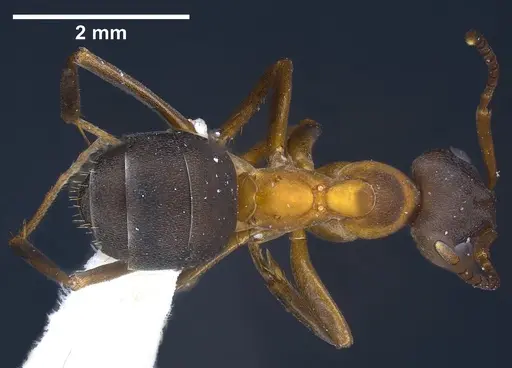
ANTWEB1041433
View on AntWeb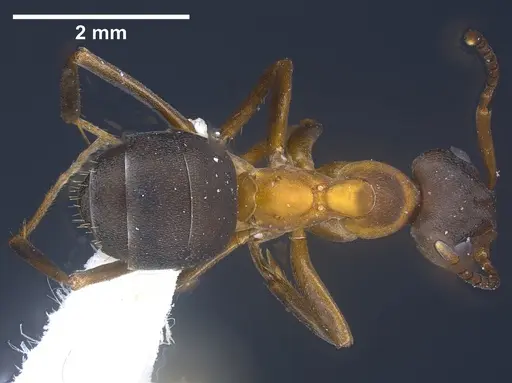
CASENT0906309
View on AntWeb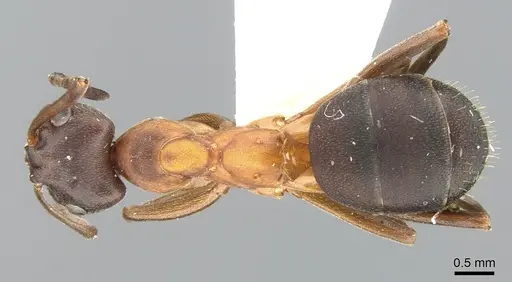
CASENT0907592
View on AntWeb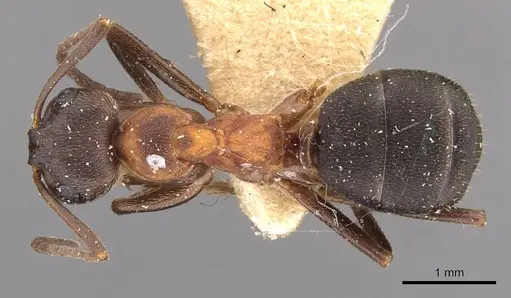
CASENT0911157
View on AntWeb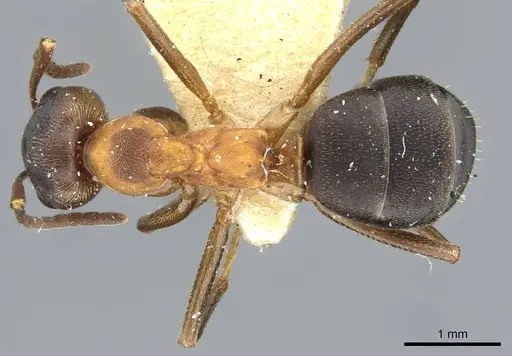
CASENT0912247
View on AntWeb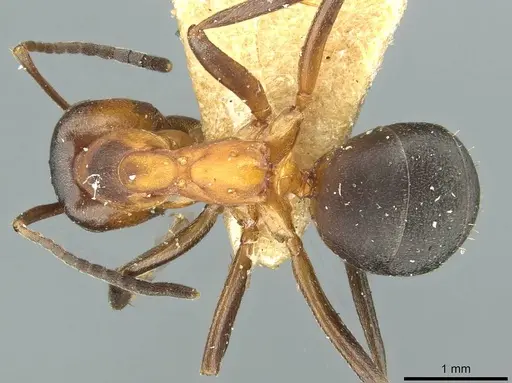
CASENT0913646
View on AntWeb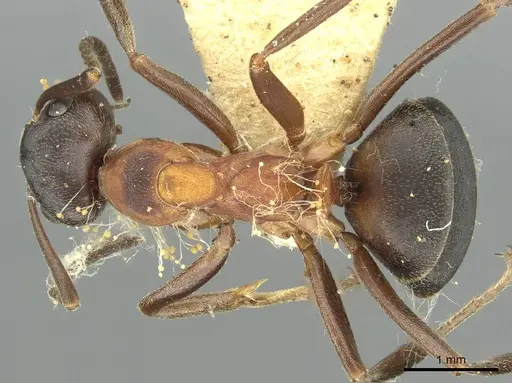
CASENT0913661
View on AntWeb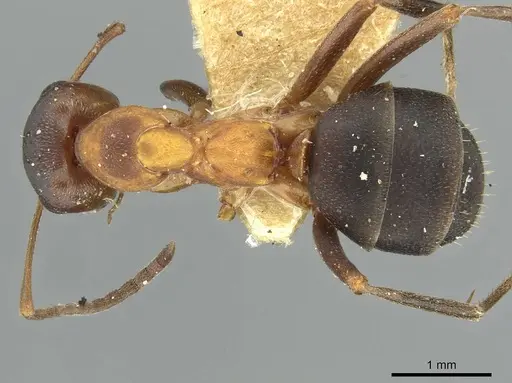
CASENT0917270
View on AntWeb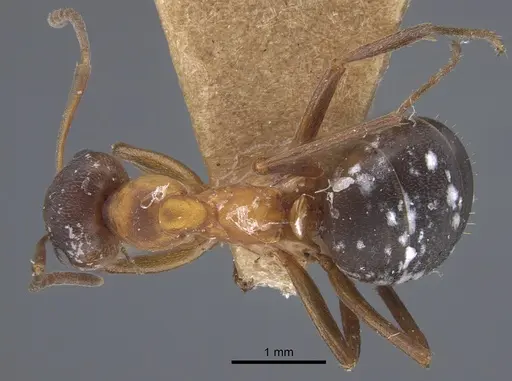
Literature
Loading...Loading products...