

Formica longipilosa
- Scientific Name
- Formica longipilosa
- Tribe
- Formicini
- Subfamily
- Formicinae
- Author
- Francoeur, 1973
- Distribution
- Found in 2 countries
Formica longipilosa Overview
Formica longipilosa is an ant species of the genus Formica. It is primarily documented in 2 countries , including Mexico, United States of America. Detailed taxonomic data and occurrence records can be further explored via authoritative databases such as AntWeb or the Global Biodiversity Information Facility (GBIF).
Formica longipilosa
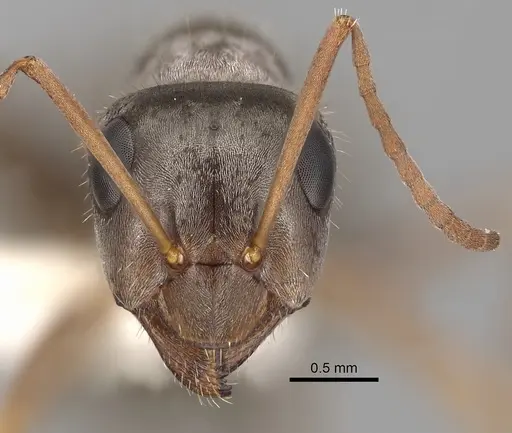
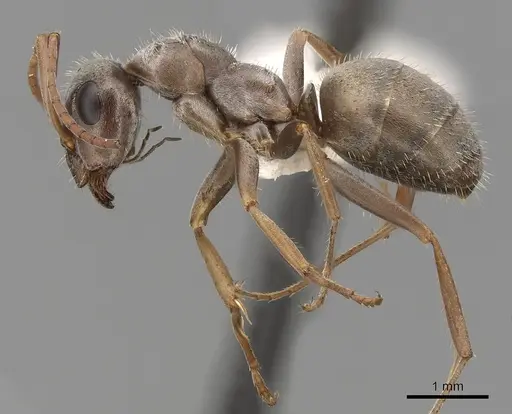
Formica longipilosa is a small to medium-sized ant species native to the United States. Workers are characterized by their distinctive long erect hairs covering the body, giving them a noticeably hairy appearance compared to many other Formica species. The body is typically dark with brownish tibiae, scapes, and mandibles. This species was described by Francoeur in 1973 and belongs to the Formica genus within the Formicinae subfamily. Little specific research exists on this species' biology in the scientific literature, so much of what we know comes from general Formica genus patterns and related species studies.
Quick Summary
- Difficulty: Medium
- Origin & Habitat: Native to the United States in the Nearctic region. Based on related Formica species, they likely inhabit open woodland areas, meadows, or forest edges where they nest in soil or under stones.
- Colony Type: Likely monogyne (single queen colonies) based on typical Formica patterns, though this has not been specifically documented for this species.
- Colony: Monogyne
- Founding: Claustral
- Size & Growth:
- Queen: Estimated 6-8mm based on Formica genus averages
- Worker: Estimated 4-6mm based on Formica genus averages
- Colony: Likely reaches several thousand workers based on typical Formica colony development
- Growth: Moderate, Formica species typically take several months to a year to establish first workers
- Development: Estimated 6-10 weeks at optimal temperature based on related Formica species (Development time varies with temperature, warmer conditions within acceptable range accelerate development)
- Antkeeping:
- Temperature: Keep at room temperature around 20-24°C. A slight temperature gradient allows ants to regulate their own conditions
- Humidity: Moderate humidity is suitable. Keep nest substrate slightly moist but not waterlogged. Formica species typically prefer conditions that aren't too dry or too wet
- Diapause: Yes, most Formica species require a winter dormancy period. Provide 3-4 months of cold temperatures around 5-10°C during winter months
- Nesting: In captivity, Formica species do well in test tube setups for founding colonies, then transition to formicariums with soil or plaster nests. They prefer nesting in material they can tunnel through
- Behavior: Workers are typically active foragers that search for food both on the ground and in low vegetation. Formica ants are generally not aggressive toward keepers but will defend their nest if threatened. Workers are medium-sized and relatively fast-moving. Escape prevention is important, use standard barrier methods like fluon on test tube rims
- Common Issues: colonies may fail if not given proper hibernation diapause, this is critical for long-term colony health, test tube flooding can drown colonies if water reservoirs are overfilled, wild-caught colonies may contain parasites that can devastate captive populations, slow initial growth causes some keepers to abandon colonies before they establish, queen death during founding is common, have backup plans if starting from wild-caught queens
Housing and Nest Setup
For founding colonies, a simple test tube setup works well. Fill a test tube about one-third with water, plug with a cotton ball, then add the queen. This provides humidity and a water source. Cover the tube with a dark cloth for the first few weeks to reduce stress. Once workers arrive (typically after several months), you can keep them in the test tube or transition to a small formicarium. For established colonies, formicariums with soil, sand, or plaster substrates work well. Formica ants prefer nesting material they can modify, they will dig tunnels in soil-based setups. Ensure the nest has both moist areas for brood and slightly drier areas for food storage. A small outworld area allows workers to forage and dispose of waste.
Feeding and Diet
Formica longipilosa, like most Formica species, is omnivorous. Workers collect honeydew from aphids and scale insects in nature, so sugar water or honey water makes an excellent energy source. They also need protein for brood development, offer small insects like fruit flies, pinhead crickets, or mealworms. Dead insects from pet stores work well too. Feed sugar water constantly (a small dish or soaked cotton ball) and offer protein prey 2-3 times per week. Remove uneaten prey after 24-48 hours to prevent mold. Fresh killed insects are preferred over dried, but frozen insects that have been thawed work adequately. Observe your colony's preferences, some colonies are more enthusiastic about certain prey items than others.
Temperature and Seasonal Care
Keep your colony at room temperature, ideally between 20-24°C. This range supports normal activity and brood development. A temperature gradient is beneficial, place a heating cable on one side of the nest so workers can choose their preferred temperature zone. Avoid temperatures above 28°C for extended periods. During winter (roughly November through February in the Northern Hemisphere), reduce temperatures to around 5-10°C to provide a proper diapause. This cold period is important for colony health and triggers reproductive cycles. Do not feed during diapause, the colony should be nearly dormant. Return to warm conditions gradually in spring. If your room temperature naturally drops in winter, you can use a refrigerator or cool basement for diapause.
Behavior and Observation
Workers are active foragers that will readily explore outworlds in search of food. They communicate through chemical trails and can recruit nestmates to good food sources. When threatened, they may bite and spray formic acid, this is their primary defense mechanism. The spray can irritate eyes and skin, so handle with care. Workers typically live for several years, while queens can live 10-15 years or more. The colony will grow slowly at first, a newly founded colony might take 6-12 months to produce the first workers (nanitics), which are smaller than mature workers. Be patient during this founding phase. Once established, growth accelerates as more workers can care for more brood simultaneously.
Frequently Asked Questions
How long does it take for Formica longipilosa to produce first workers?
Expect 6-12 months from founding to first workers. This varies with temperature, warmer conditions within the acceptable range speed development. The queen will lay eggs, and these develop through larval and pupal stages before emerging as workers. Be patient during this period and avoid disturbing the colony unnecessarily.
What temperature range is best for Formica longipilosa?
Keep them at 20-24°C for normal activity and brood development. A slight gradient allowing cooler and warmer areas is ideal. During winter diapause, they need cold temperatures around 5-10°C for 3-4 months.
Can I keep multiple Formica longipilosa queens together?
This species is likely monogyne (single queen), so combining unrelated queens is not recommended. In the wild, colonies typically have one founding queen. Multiple queens usually lead to fighting once workers develop. If you catch multiple queens, house them separately.
How often should I feed Formica longipilosa?
Provide sugar water (honey water or sugar water) constantly, check every few days and refresh as needed. Offer protein prey 2-3 times per week. Remove uneaten prey after 24-48 hours to prevent mold. Adjust based on colony size, larger colonies consume more food.
Do Formica longipilosa need hibernation?
Yes, a winter diapause is important for this species. Reduce temperatures to 5-10°C for 3-4 months during winter. This rest period supports colony health and triggers reproductive cycles. Without proper diapause, colonies may become stressed and have shorter lifespans.
When should I move my colony to a formicarium?
You can keep a founding colony in a test tube for many months or even a year or more. Move to a formicarium when the test tube becomes crowded or when you want to observe tunneling behavior. Make sure the formicarium has appropriate humidity and a connection to an outworld for foraging.
Are Formica longipilosa good for beginners?
This species is rated as medium difficulty. They are more forgiving than some exotic species but do require proper winter diapause. Beginners should be prepared for the long founding period (6-12 months to first workers) and the need for seasonal temperature cycling. They are rewarding once established.
Why is my Formica longipilosa colony dying?
Common causes include: improper humidity (too wet or too dry), lack of diapause, stress from disturbance during founding, parasites from wild-caught colonies, or queen death. Check temperature, humidity, and ensure you're providing appropriate food. If the colony was wild-caught, parasites are a common issue that often kills colonies in captivity.
How big do Formica longipilosa colonies get?
Mature colonies likely reach several thousand workers based on typical Formica genus patterns. Growth is slow for the first year or two, then accelerates as more workers can care for more brood. A well-established colony can be quite impressive with active foragers.

This caresheet is licensed under CC BY-SA 4.0 .
CASENT0005367
View on AntWeb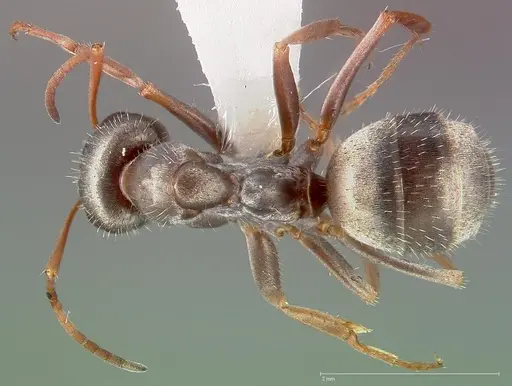
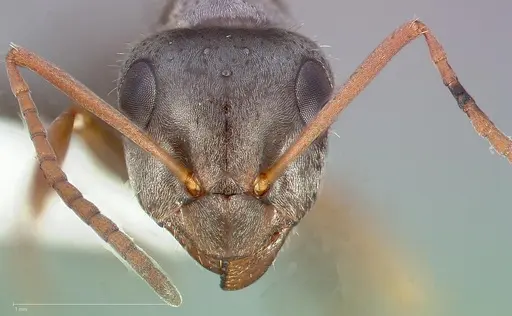
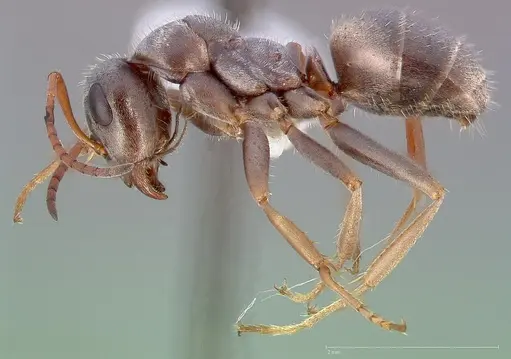
CASENT0280357
View on AntWeb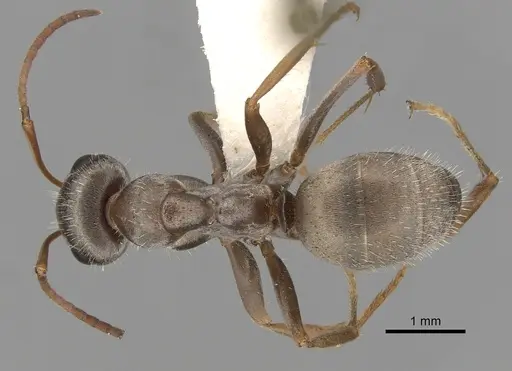
Literature
Loading...Loading products...