

Formica limata
- Scientific Name
- Formica limata
- Tribe
- Formicini
- Subfamily
- Formicinae
- Author
- Wheeler, 1913
- Distribution
- Found in 2 countries
Formica limata Overview
Formica limata is an ant species of the genus Formica. It is primarily documented in 2 countries , including Canada, United States of America. Detailed taxonomic data and occurrence records can be further explored via authoritative databases such as AntWeb or the Global Biodiversity Information Facility (GBIF).
Formica limata
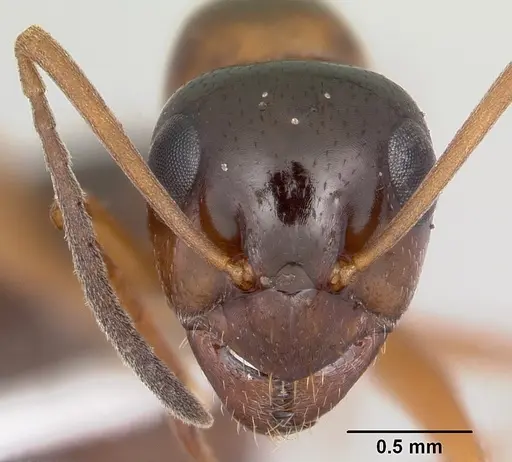
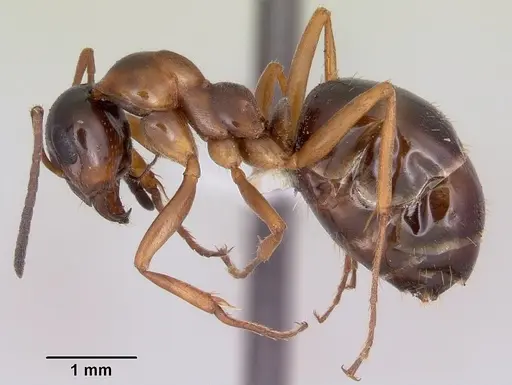
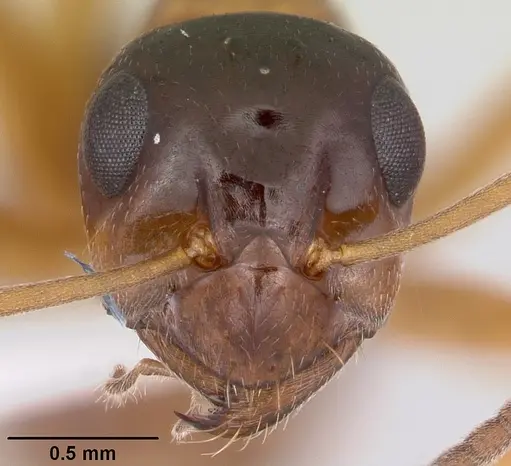
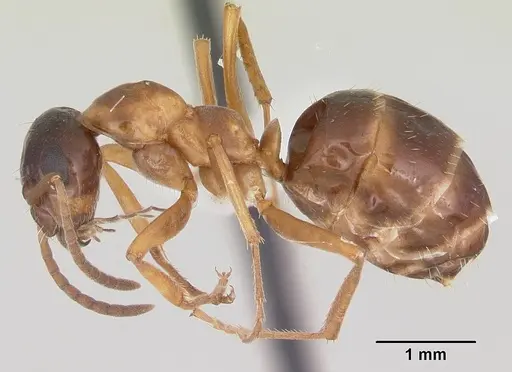
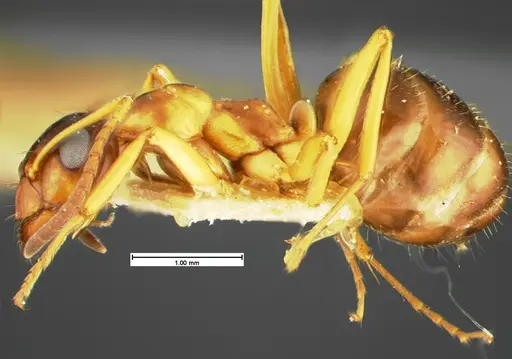
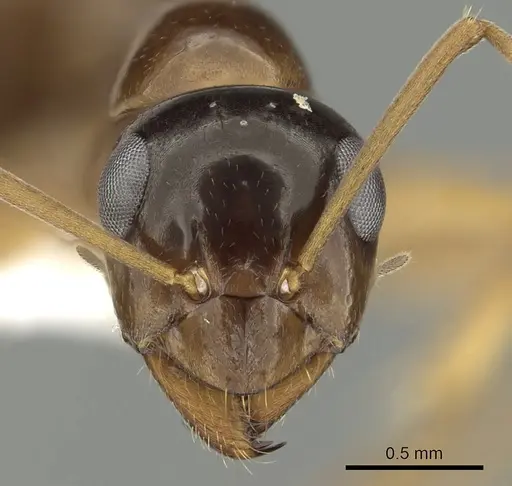
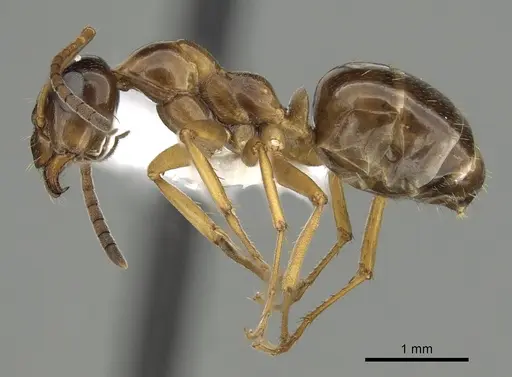
Formica limata is a small, glossy black ant native to western North America. Workers are slender with a smooth, shiny body and very few erect hairs, you might notice just one or two on the mesosoma (the middle body section). The scape (the antenna segment closest to the head) has no erect hairs except right at the tip. These ants are part of the neogagates group within Formica, which means they're related to other small, sleek Formica species. They nest under stones and logs in exposed areas, sometimes building small soil mounds, and even occasionally in caves. Colonies stay relatively small, and these ants are known for being timid and showing low aggression levels, they're not the bold foragers you might expect from some Formica species. In fact, they're so adaptable that they're absent from wildland areas but relatively common in urban environments, suggesting they do well around human structures.
Quick Summary
- Difficulty: Easy
- Origin & Habitat: Western North America, found from Montana and North Dakota south to California and east to New Mexico, also into Canada (Alberta, Saskatchewan) and Mexico. They live in meadows, grasslands, sagebrush areas, pinyon-juniper woodland, and ponderosa pine-riparian zones up to tree line [1][2][3].
- Colony Type: Small colonies with single queens, these are monogyne (one queen per colony) ants. Nest populations stay small throughout the year [1].
- Colony: Monogyne
- Founding: Claustral
- Size & Growth:
- Queen: Estimated 7-9mm based on genus patterns (no direct species measurement)
- Worker: 4-6mm based on genus patterns [2]
- Colony: Small colonies, likely under 500 workers based on field observations of small nest populations [1]
- Growth: Moderate, typical for Formica species
- Development: Estimated 6-8 weeks at optimal temperature based on genus patterns for temperate Formica species (Development likely follows typical Formica patterns with nanitics (first workers) emerging smaller than normal workers)
- Antkeeping:
- Temperature: Keep around 20-24°C, they're adaptable to temperate conditions and found from high-altitude meadows down to desert edge urban areas. A room-temperature setup works well for this species [1].
- Humidity: Moderate humidity, they naturally nest under stones in exposed areas, so they handle drier conditions better than many ants. Keep the nest substrate lightly moist, not wet. The cave nest record shows they can handle slightly more humid microclimates too [1].
- Diapause: Yes, as a temperate species, they need a winter rest period. Reduce temperature to around 10-15°C for 2-3 months during winter. This mimics their natural cycle in high-altitude and northern habitats [1].
- Nesting: They naturally nest under stones, logs, and occasionally in small soil mounds. In captivity, a Y-tong (acrylic) nest or test tube setup works well. Provide a shallow water reservoir and keep the nest relatively dry. They do fine in naturalistic setups with flat stones as cover too [1].
- Behavior: These ants are timid and docile, they show low levels of aggression compared to many Formica species. Workers are attracted to sweet baits like grape jelly and protein sources like tuna. They're not aggressive defenders and won't readily attack. However, being small ants (4-6mm), they can slip through small gaps, so escape prevention matters even though they're not known escape artists. They're also known to tend aphids for honeydew, so sugar water is likely accepted [4][1].
- Common Issues: small colony size means they develop slowly, don't expect rapid growth, timid nature means they may be outcompeted by more aggressive ants if housed in shared spaces, escape prevention is still important due to their small size, urban-adapted populations may not handle overly wild or naturalistic conditions as well, limited availability in the antkeeping hobby since they're not commonly collected
Housing and Nest Setup
Formica limata does well in standard antkeeping setups. A test tube setup works perfectly for founding colonies, use a standard test tube with a water reservoir sealed with a cotton plug. Once the colony reaches 20-30 workers, you can move them to a Y-tong (acrylic) nest or a naturalistic setup. For a naturalistic setup, use a container filled with soil (about 2-3 inches deep) and place flat stones or pieces of bark on top for cover. These ants naturally nest under stones, so they'll readily use this setup. Make sure the substrate stays lightly moist but never waterlogged. Since they're from exposed habitats, they don't need high humidity, a simple test tube water reservoir keeps things balanced. For the outworld (foraging area), a simple plastic container works fine. They readily accept protein foods like crushed insects and sweet liquids. Escape prevention is important, use fluon or a barrier spray around the rim, though they're not particularly aggressive escape artists like some Formica species [1].
Feeding and Diet
Like other Formica species, Formica limata is omnivorous with a preference for protein and sugar. Workers are attracted to baits like grape jelly and tuna in the wild, so you can offer similar foods in captivity. For protein, provide small insects like fruit flies, small mealworms, or cricket pieces. For sugars, offer sugar water, honey, or diluted honey water. They also have a mutualistic relationship with aphids in nature (specifically Rhopalosiphum nymphaeae), so they'll likely tend aphids if given the opportunity, this can be a great natural sugar source [4]. Feed protein 2-3 times per week, and keep a sugar source available at all times. Remove uneaten food after 24-48 hours to prevent mold. Since colonies stay relatively small, don't overfeed, a few small insects per feeding is plenty for a colony under 50 workers.
Temperature and Seasonal Care
Formica limata is a temperate species that needs a winter rest period (diapause). During the active season, keep them at room temperature (20-24°C), they're adaptable and found in everything from high-altitude meadows to warmer desert edges. No special heating is required unless your room runs particularly cold. In winter, reduce temperatures to around 10-15°C for 2-3 months. You can accomplish this by moving them to a cooler location like a basement or garage (as long as it stays above freezing). During this time, reduce feeding significantly, the colony will be less active and consume less. In late winter/early spring, gradually warm them back up and resume normal feeding. This cycle mimics their natural conditions and helps trigger reproductive behavior the following spring. The cave nesting record (80 feet from a cave entrance in New Mexico) shows they can handle varied microclimates, so they're fairly resilient once established [1].
Behavior and Colony Dynamics
These ants are notably timid compared to many Formica species, they show low levels of aggression and aren't aggressive defenders of their nest. This makes them easier to handle but also means they can be outcompeted by more aggressive ant species. Workers are active foragers but not particularly bold, they'll search for food methodically rather than rushing. Colonies stay relatively small throughout their lifecycle, which is important to understand when setting expectations. The colony structure is monogyne (single queen), with the queen founding the colony claustrally, she seals herself in a chamber and raises the first workers alone on her stored fat reserves. First workers (nanitics) will be smaller than normal workers. As the colony grows, you'll see more workers, but don't expect the massive colonies (thousands of workers) that some Formica species can reach. Their urban adaptability is interesting, they're absent from wildlands but common in urban sites, suggesting they do particularly well around human structures [5][1].
Frequently Asked Questions
How long does it take for Formica limata to produce first workers?
Expect first workers (nanitics) around 6-8 weeks after the queen lays eggs, assuming temperatures around 20-24°C. This is typical for temperate Formica species. The queen will stay claustrally sealed in her founding chamber until workers emerge.
Are Formica limata good for beginners?
Yes, they're considered an easy species to keep. They're docile, don't require elaborate heating or humidity control, and adapt well to captivity. The main things to remember are providing a winter rest period and not overfeeding. Their small colony size means growth is slow, so patience is key.
Can I keep multiple Formica limata queens together?
No, this is a monogyne (single-queen) species. Multiple unrelated queens will fight. Only keep one queen per colony. If you find multiple queens in the wild, they're likely separate colonies rather than a multi-queen colony.
What do Formica limata eat?
They accept a variety of foods: protein sources like small insects (fruit flies, mealworms, cricket pieces) and sweet liquids (sugar water, honey, diluted honey). They're also known to tend aphids for honeydew in the wild, so they'll likely accept aphid-produced honeydew if given the opportunity.
Do Formica limata need hibernation?
Yes, as a temperate species they need a winter rest period. Reduce temperatures to 10-15°C for 2-3 months during winter. This is essential for their health and helps trigger reproductive behavior in spring.
How big do Formica limata colonies get?
Colonies stay relatively small compared to many Formica species, likely under 500 workers in captivity. They're not known for the massive colony sizes some other Formica species reach. This makes them suitable for keepers who don't want enormous colonies.
When should I move Formica limata to a formicarium?
You can keep them in a test tube setup for the founding stage. Once the colony reaches 20-30 workers and you see them needing more space, move them to a Y-tong or naturalistic setup. They do well in either, a naturalistic setup with stones on soil mimics their natural nesting preferences.
Why are my Formica limata not foraging much?
This could be due to several factors: temperatures may be too low (they're less active below 20°C), they may be in diapause if it's winter, or they may simply not need food yet. Make sure you're offering appropriate foods (protein and sugar) and that the nest isn't too dry. Also remember they're naturally timid and less active than many ants.
References

This caresheet is licensed under CC BY-SA 4.0 .
CASENT0104868
View on AntWeb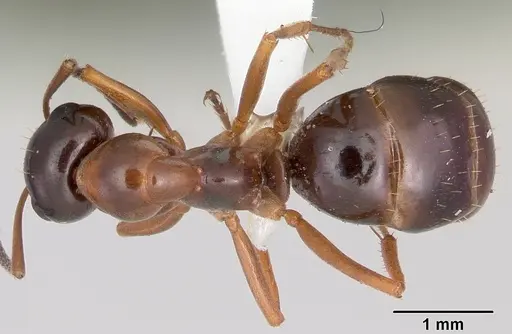
CASENT0104881
View on AntWeb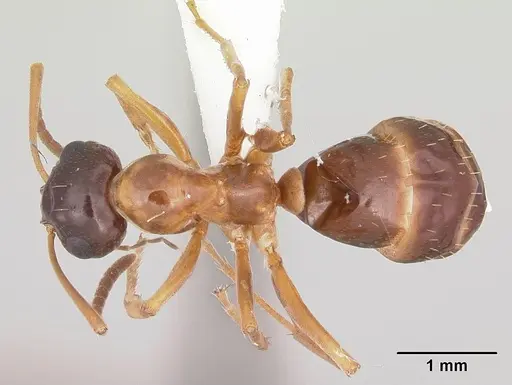
CASENT0105602
View on AntWeb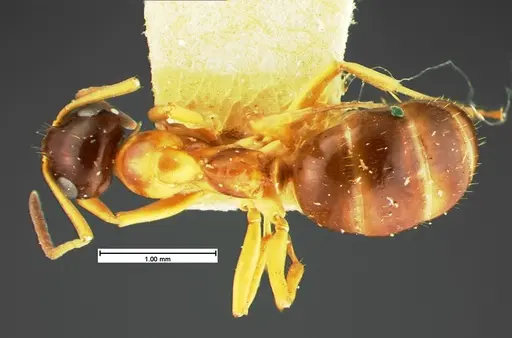
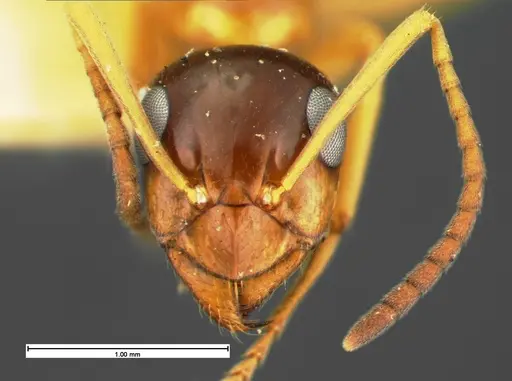
CASENT0280340
View on AntWeb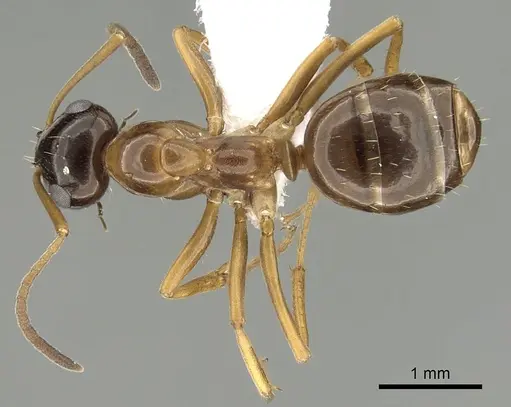
Literature
Loading...Loading products...