

Formica integroides
- Scientific Name
- Formica integroides
- Tribe
- Formicini
- Subfamily
- Formicinae
- Author
- Wheeler, 1913
- Common Name
- Western Mound Ant
- Distribution
- Found in 3 countries
Formica integroides Overview
Formica integroides (commonly known as the Western Mound Ant) is an ant species of the genus Formica. It is primarily documented in 3 countries , including Canada, Mexico, United States of America. Detailed taxonomic data and occurrence records can be further explored via authoritative databases such as AntWeb or the Global Biodiversity Information Facility (GBIF).
Formica integroides - "Western Mound Ant"
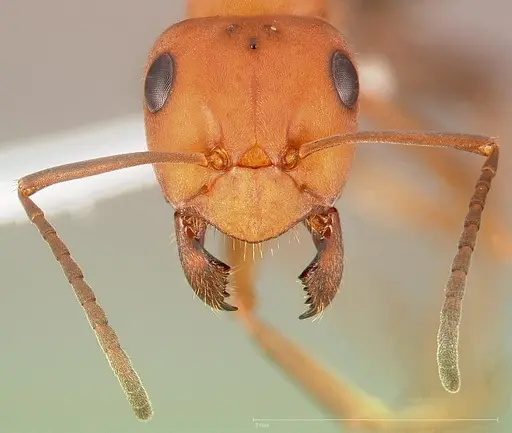
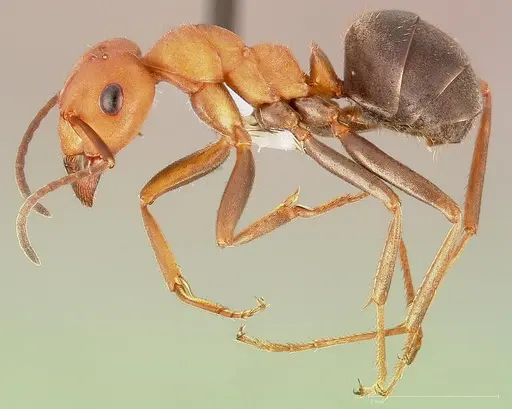
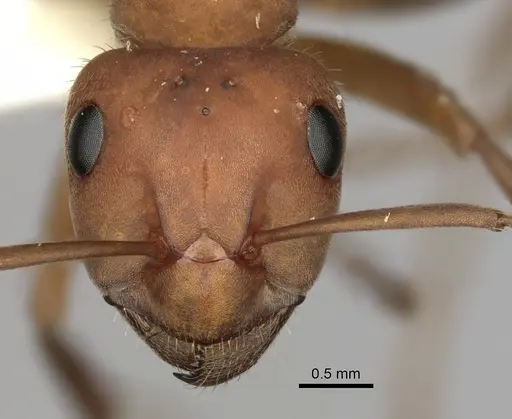
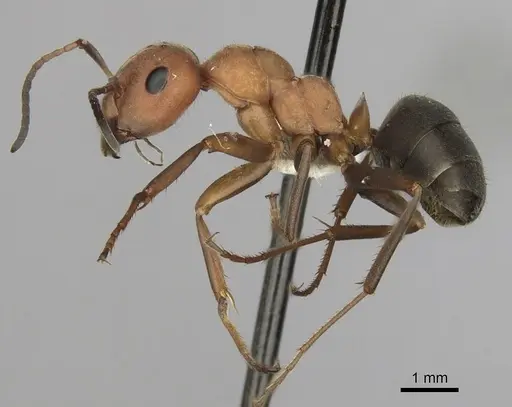
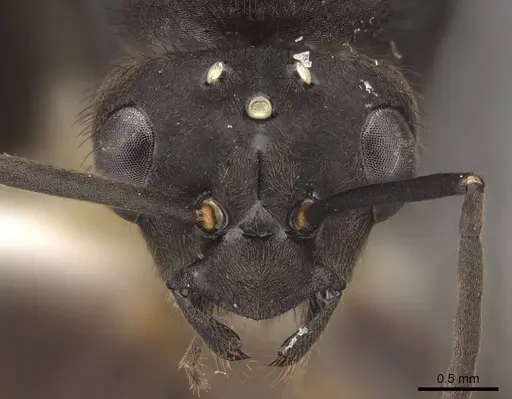
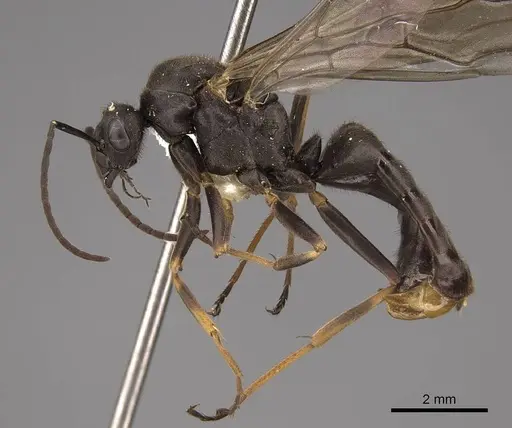
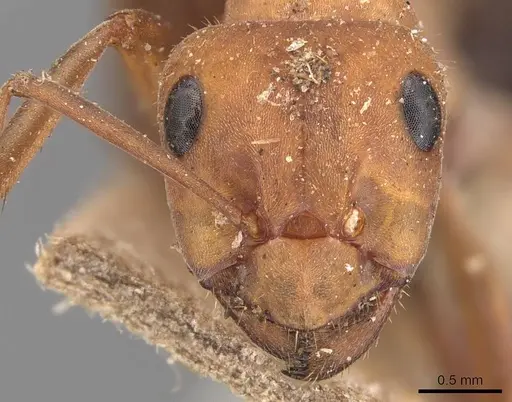
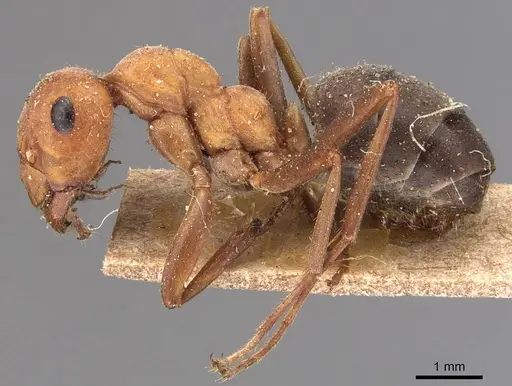
Formica integroides is a large, aggressive wood ant native to western North America, ranging from Canada through the United States to northern Mexico. Workers measure 4.5-10.5mm and display continuous size polymorphism, larger workers (8mm+) defend aphid colonies and resources while smaller workers handle general foraging and brood care. The species builds characteristic thatch nests in decaying stumps, often forming dome-shaped structures. They are behaviorally dominant ants, regularly winning competitive interactions with other Formica species and maintaining extensive trail networks for resource collection [1][2]. This is a diurnal species with well-developed vision (approximately 700 ommatidia) used for navigation and resource defense [3][4].
Quick Summary
- Difficulty: Medium
- Origin & Habitat: Western North America, Canada, United States, and northern Mexico (Baja California, Sonora). Inhabits coniferous forest biomes and open woodland areas, nesting in decaying stumps with extensive thatch construction [5].
- Colony Type: Polydomous, colonies maintain multiple connected nest sites. Colony structure involves continuous worker size polymorphism without distinct morphological castes. Workers are continuously distributed across the 4.5-10.5mm size range [6][2].
- Colony: Monogyne
- Founding: Claustral
- Size & Growth:
- Queen: Estimated 9-12mm based on genus patterns
- Worker: 4.5-10.5mm, continuously polymorphic [1]
- Colony: Large colonies, likely several thousand workers based on related rufa group species
- Growth: Moderate, seasonal size variation in workers driven by temperature and food availability during development [6]
- Development: Estimated 6-8 weeks at optimal temperature based on genus patterns (Development time inferred from related Formica species. Worker size is influenced by seasonal conditions during larval development [6].)
- Antkeeping:
- Temperature: Keep at room temperature (18-24°C). As a montane species from the Sierra Nevada and coniferous forests, they prefer cooler conditions than tropical ants. Provide a temperature gradient allowing workers to choose their preferred zone.
- Humidity: Moderate humidity (50-70%). These ants naturally nest in decaying wood which should remain slightly moist but not waterlogged. Mist the outworld occasionally and provide a water tube.
- Diapause: Yes, as a temperate species from high-elevation forests, colonies require a winter hibernation period. Reduce temperature to 5-10°C for 3-4 months during winter.
- Nesting: Best kept in a naturalistic setup with decaying wood or stump section for thatch-building behavior. Acrylic or plaster nests can work but should include areas for thatching material. They need space for polydomous structure, multiple connected chambers work well.
- Behavior: Highly aggressive and behaviorally dominant, they will defend resources vigorously and chase away competing ants. Large workers (8mm+) specialize in defending aphid colonies and resource patches while smaller workers handle general foraging. They use long-term trail networks and can form persistent foraging routes. Bites are annoying but not dangerous to humans. Escape prevention is important given their size and determination, standard barrier methods work well.
- Common Issues: colonies can become aggressive toward keepers, large workers deliver noticeable bites, polydomous nesting means they need more space than single-nest species, seasonal size variation may concern new keepers but is normal, worker sizes fluctuate with development conditions, dominant behavior means they may attack and kill other ant colonies if housed nearby, hibernation is essential, skipping winter rest can weaken colonies
Nest Preferences and Housing
Formica integroides naturally nests in decaying stumps and logs, building characteristic thatch structures around the nest entrance. In captivity, a naturalistic setup works best, provide a section of decaying wood or cork bark that the ants can incorporate into their nest. They will build thatch mounds similar to their wild colonies, so include dried grass, moss, or similar materials they can use. Acrylic nests with multiple chambers can work, but these ants prefer having a natural substrate to manipulate. The colony is polydomous, meaning they maintain multiple connected nest sites, provide enough space for at least 2-3 interconnected areas. A large outworld connected to the nest allows them to establish foraging trails and tend aphid colonies if provided. [2][5]
Feeding and Diet
These ants are generalist predators and honeydew collectors. In the wild, they forage for small prey, dead insects, and honeydew from aphids [2]. They form mutualistic relationships with multiple aphid species including Aphis farinosa, Rhopalosiphum nymphaeae, Aphis varians, and others [7]. In captivity, offer protein sources like small crickets, mealworms, fruit flies, and other small insects. Sugar water, honey, or sugar syrup should be available constantly, they will readily take sweet liquids. If you want to observe their natural behavior, you can include a small aphid colony on a plant in their outworld, the ants will tend them and collect honeydew. Feed protein 2-3 times per week and keep sugar water available at all times.
Temperature and Seasonal Care
As a montane species from the Sierra Nevada and coniferous forests of western North America, Formica integroides prefers cooler temperatures than many tropical ant species. Keep the nest area at room temperature (18-24°C), with a slight gradient if possible. They are diurnal and rely on vision for navigation, so provide appropriate lighting cycles. During winter, colonies require a hibernation period, reduce temperatures to 5-10°C for 3-4 months. This winter rest is essential for colony health and should not be skipped. In summer, they can tolerate warmer conditions but should be kept away from direct heat sources that could dry out their nest. [3][5]
Behavior and Colony Dynamics
This species displays remarkable behavioral complexity. Workers show continuous size polymorphism, smaller workers (4.5-8mm) handle general foraging and brood care, while larger workers (8mm+) specialize in defending resources and aphid colonies [1]. They are behaviorally dominant and will aggressively defend their territory against competing ants. Studies show they use a 'Tit-for-Tat' strategy when competing for resources, reciprocating the behavior of competitors [8]. They maintain long-term trail networks and can establish persistent foraging routes. Colonies are polydomous, maintaining multiple connected nest sites which allows them to expand their territory and access different resource areas. The bite is annoying but not dangerous, large workers can deliver a noticeable pinch.
Growth and Development
Worker size in Formica integroides is not determined by caste or age, but by seasonal environmental factors during development. Research shows that temperature and food supply during critical growth stages directly influence the final size of adult workers [6]. This means worker size distribution within a colony fluctuates throughout the year, more large workers are produced during favorable conditions. The colony grows moderately fast, with development from egg to worker taking approximately 6-8 weeks at optimal temperature based on related Formica species. Nanitic (first) workers will be smaller than subsequent workers, which is normal for the genus.
Frequently Asked Questions
Are Formica integroides good for beginners?
They are intermediate-level ants. While not as difficult as parasitic or highly specialized species, their large size, aggressive behavior, and specific hibernation requirements make them better suited for keepers with some experience. They are rewarding to keep but need proper winter休眠 care.
How long does it take for Formica integroides to produce first workers?
Expect first workers (nanitics) approximately 6-8 weeks after the queen lays eggs, at room temperature. Development time varies based on temperature, warmer conditions within their tolerance range speed development, while cooler temperatures slow it down.
Do Formica integroides need hibernation?
Yes, they require a winter rest period. Reduce temperatures to 5-10°C for 3-4 months during winter. This is essential for colony health and mimics their natural cycle in the montane forests of western North America.
Can I keep multiple Formica integroides queens together?
This species is typically monogyne (single queen). While colonies are polydomous (multiple nest sites), they do not have multiple functional queens. It is not recommended to introduce additional queens to an established colony.
What do Formica integroides eat?
They are generalist feeders. Offer small insects (crickets, mealworms, fruit flies) as protein 2-3 times per week. Keep sugar water, honey, or sugar syrup available constantly. They will also tend aphids if provided, collecting honeydew.
How big do Formica integroides colonies get?
Mature colonies can reach several thousand workers. They are polydomous, maintaining multiple connected nest sites, so they need more space than single-nest species.
When should I move Formica integroides to a formicarium?
Wait until the colony has at least 50-100 workers before moving to a larger setup. They can remain in a test tube setup for the founding stage, but their natural thatching behavior is best observed in a naturalistic setup with wood or cork.
Why do my Formica integroides workers vary so much in size?
This is completely normal. Workers show continuous size polymorphism (4.5-10.5mm) determined by seasonal conditions during development, not by caste or age. Size variation fluctuates throughout the year based on temperature and food availability.
Are Formica integroides aggressive?
Yes, they are highly aggressive and behaviorally dominant. They will defend resources aggressively and chase away competing ants. Large workers specialize in defense while smaller workers handle general tasks. Handle with care, they will bite if threatened.
References

This caresheet is licensed under CC BY-SA 4.0 .
CASENT0005387
View on AntWeb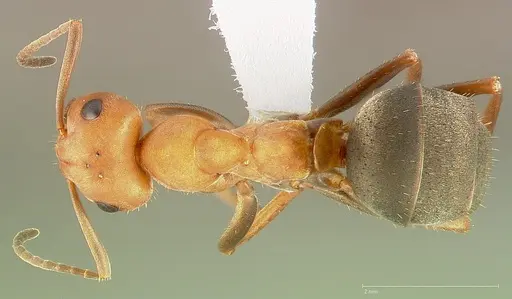
CASENT0218875
View on AntWeb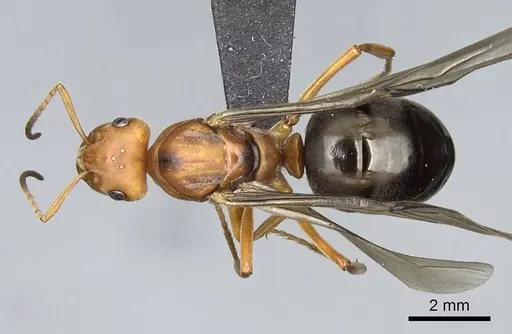
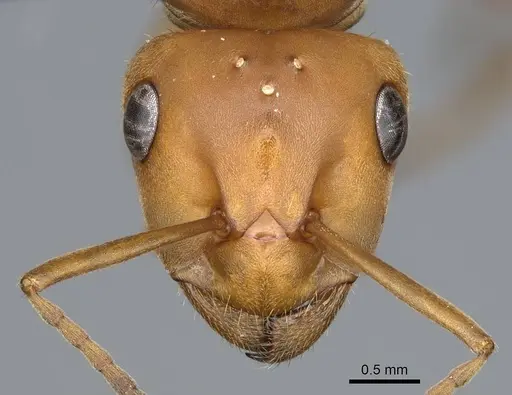
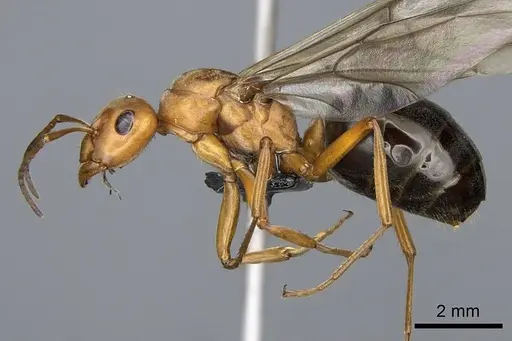
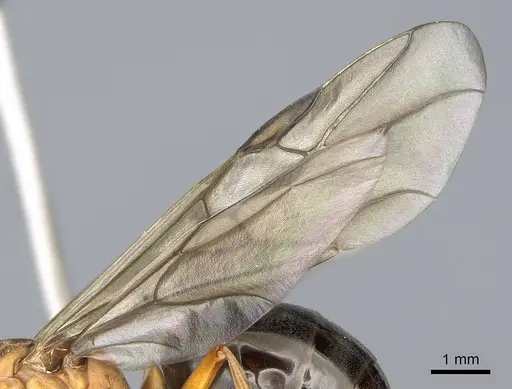
CASENT0218879
View on AntWeb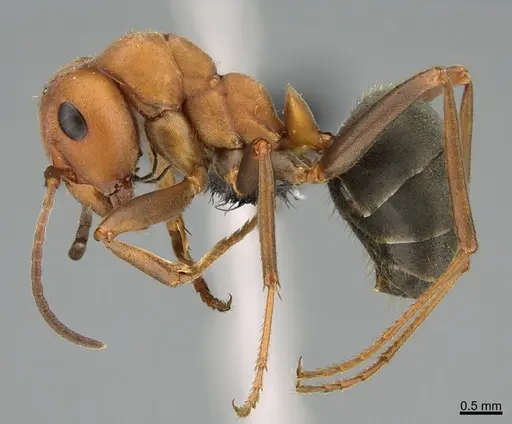
CASENT0280400
View on AntWeb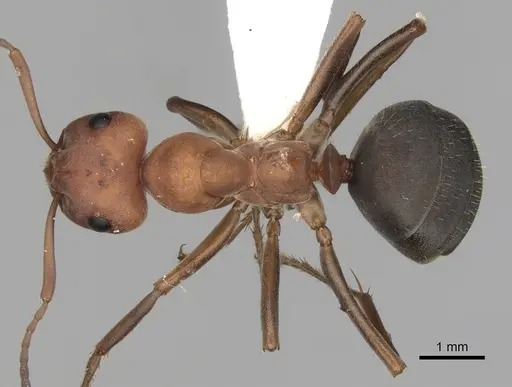
CASENT0843732
View on AntWeb
CASENT0905699
View on AntWeb
Literature
Loading...Loading products...