

Formica glauca
- Scientific Name
- Formica glauca
- Tribe
- Formicini
- Subfamily
- Formicinae
- Author
- Ruzsky, 1896
- Incertae Sedis
- in Genus
- Distribution
- Found in 3 countries
Formica glauca Overview
Formica glauca is an ant species of the genus Formica. It is primarily documented in 3 countries , including Germany, Russian Federation, Uzbekistan. Detailed taxonomic data and occurrence records can be further explored via authoritative databases such as AntWeb or the Global Biodiversity Information Facility (GBIF).
Formica glauca
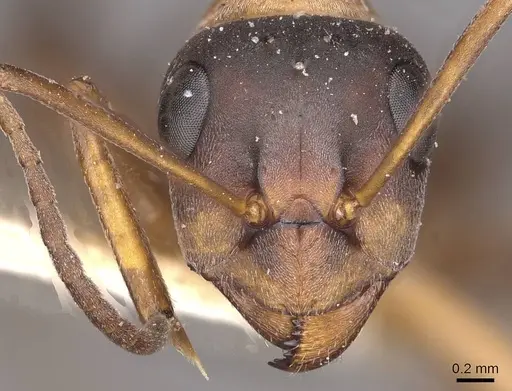
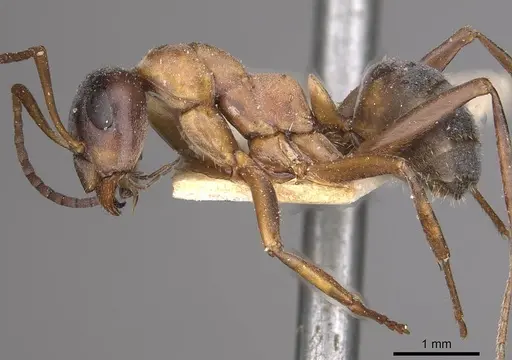
Formica glauca is a small to medium-sized ant belonging to the Formicinae subfamily. Workers measure around 4-6mm with a distinctive appearance featuring a reddish alitrunk (middle body section) and a darker abdomen. The body has a shining appearance, and unlike the similar F. cunicularia, this species typically has visible pronotal hairs. These ants are a steppe species native to the Palaearctic region, ranging from Bulgaria and Romania eastward through Russia, Central Asia, and China. They inhabit drier steppe and forest-steppe zones, preferring warm, well-heated biotopes like clearings, glades, and rocky slopes. The species was historically confused with F. cunicularia but is now recognized as a separate species due to its brighter coloration and the presence of pronotal hairs in areas where both species overlap.
Quick Summary
- Difficulty: Medium
- Origin & Habitat: Palaearctic region, found in Bulgaria, Iran, Poland, Romania, Ukraine, and across Russia from Eastern Europe to Baikal, Central Asia, and northwestern China. Inhabits steppe and forest-steppe zones at elevations of 1100-2750m [1][2][3]. Prefers drier, warmer habitats than the related F. cunicularia, typically nesting under stones in well-heated areas [4][5].
- Colony Type: Monogyne or oligogyne, colonies have either a single queen or a small number of queens (2-5). They are monodomous, meaning they maintain a single nest. Independent colony founding (queen establishes nest alone without host workers) [6].
- Colony: Monogyne, Oligogyne
- Founding: Claustral
- Size & Growth:
- Queen: Estimated 7-9mm based on genus patterns
- Worker: 4-6mm [7]
- Colony: Up to 1000 workers based on colony size range data [8]
- Growth: Moderate
- Development: Estimated 6-8 weeks based on typical Formica development at optimal temperature (Development time is inferred from related Formica species, specific data for F. glauca is not available)
- Antkeeping:
- Temperature: Keep at 22-26°C. This is a warmth-loving steppe species that prefers warmer conditions than many other Formica. Provide a temperature gradient so ants can choose their preferred warmth [4].
- Humidity: Low to moderate, prefer drier conditions typical of steppe habitats. Keep nest substrate moderately dry, not waterlogged. Avoid overly damp conditions that would suit forest-dwelling species.
- Diapause: Yes, as a temperate species from the Palaearctic region, colonies require a winter rest period. Provide hibernation at 5-10°C for 3-4 months during winter months.
- Nesting: Natural nesting: under stones in warm, sunny locations. In captivity, a dry formicarium or Y-tong nest works well. Provide a shallow water reservoir but keep the main nest area dry. They prefer compact chambers over large open spaces.
- Behavior: These are active foragers with moderate aggression. Workers are generalist feeders, collecting honeydew from aphids and hunting small insects. They are not particularly aggressive toward keepers but will defend their nest. Workers are medium-sized and can squeeze through standard escape barriers, though not as problematic as tiny ants. They are subdominant in ant communities, meaning they coexist with other species rather than dominating [8].
- Common Issues: colonies may fail if kept too damp, this is a dry-adapted steppe species, small colony size means slow growth, beginners may lose patience, species identification can be difficult, may be confused with F. cunicularia, hibernation failure can kill colonies if not provided proper winter rest, aphid-tending behavior means they may ignore other food if honeydew is available
Nest Preferences and Housing
In the wild, Formica glauca nests under stones in warm, well-heated locations typical of steppe habitats. They prefer dry to moderately moist soil conditions and are often found on south-facing slopes and rocky areas that absorb heat. For captive care, a dry formicarium or Y-tong nest works best. Provide a shallow water reservoir for humidity but keep the main nest chambers relatively dry. These ants do not need high humidity like forest-dwelling species. A temperature gradient is important, place a heating cable or mat on one side of the nest to create a warm zone around 26-28°C while allowing the other side to remain at room temperature. Use a standard test tube setup for founding colonies, transitioning to a formicarium once the colony reaches 50+ workers. [4][5][6]
Feeding and Diet
Formica glauca is a generalist feeder with a strong preference for honeydew from aphids. In the wild, they tend multiple aphid colonies including Aphis craccivora, Aphis fabae, Aphis galliiscabri, Brachycaudus tragopogonis, and Brachycaudus cardui [9]. They also forage for small insects and other protein sources. In captivity, offer sugar water or honey as a constant energy source, and provide protein foods like small crickets, mealworms, or fruit flies 2-3 times per week. They are not specialized predators, so any small insects work well. Unlike some Formica species, they do not have highly specialized foragers, all workers can collect and transport honeydew [8]. Keep sugar water available at all times and remove uneaten prey after 24 hours.
Temperature and Seasonal Care
As a steppe species from the Palaearctic region, Formica glauca requires warm conditions and a distinct winter rest period. Keep the nest at 22-26°C during the active season, with a warm spot around 26-28°C available. These ants prefer warmer, drier conditions than the related F. cunicularia, this reflects their adaptation to open steppe habitats. During summer, room temperature is often suitable, but you may need supplemental heating in cooler homes. In autumn, gradually reduce temperatures to initiate hibernation. Provide 3-4 months of winter rest at 5-10°C, typically from late October through February in the Northern Hemisphere. Place the colony in a cool basement, garage, or refrigerator during this period. Do not feed during hibernation but ensure the water tube has water. [4][1][6]
Behavior and Colony Dynamics
Formica glauca colonies are relatively small compared to some other Formica species, typically reaching 100-1000 workers [8]. They are considered subdominant in ant communities, meaning they coexist with other ant species rather than dominating territories. Workers are active foragers that patrol their territory searching for honeydew and small prey. Unlike some ants that specialize certain workers for specific tasks, F. glauca colonies have unspecialized foragers that both collect and transport honeydew [8]. Colonies can have either a single queen (monogyne) or a few queens (oligogyne). The species is not aggressive toward keepers but will readily defend the nest if threatened. Workers can spray formic acid as a defense mechanism, though this is not particularly painful to humans.
Identification and Similar Species
Formica glauca can be difficult to distinguish from the related F. cunicularia, with which it was previously classified as a subspecies. Key distinguishing features include: F. glauca has a brighter (more reddish) alitrunk and typically has visible pronotal hairs, while F. cunicularia is more somber-colored with pronotal hairs usually absent [10]. However, populations of F. cunicularia in western Europe may also show bright coloration and pronotal hairs, so identification in overlap zones requires care. The species is also similar to F. lusatica. Given the taxonomic confusion surrounding this species (some researchers consider it unidentifiable or potentially conspecific with F. cunicularia), some keepers may receive colonies that are actually F. cunicularia or hybrids when purchasing what is labeled as F. glauca.
Range and Distribution
Formica glauca has a wide distribution across the Palaearctic region. It is found in Eastern Europe (Bulgaria, Romania, Poland, Ukraine), across Russia from the European part through the Urals, Siberia, and to Baikal, the Caucasus, Turkey, Central Asia (Kazakhstan, Mongolia), and northwestern China [11][10][12]. The species is particularly common in steppe and forest-steppe zones, with the elevational range in China recorded as 1100-2750m [3]. In the west of its range, it overlaps with F. cunicularia, while in eastern areas it may be the dominant Formica species in steppe habitats. It is considered a characteristic species of the Turano-steppe zoogeographic complex [1].
Frequently Asked Questions
How long does it take for Formica glauca to raise first workers?
Based on typical Formica development, expect 6-8 weeks from egg to first worker at optimal temperature (around 24-26°C). This is an estimate as specific development data for F. glauca is not available. The first workers (nanitics) will be smaller than normal workers.
Do Formica glauca ants need hibernation?
Yes, as a temperate Palaearctic species, they require a winter rest period. Provide 3-4 months of hibernation at 5-10°C from late autumn through winter. This is essential for colony health and triggering reproductive cycles.
What do Formica glauca eat?
They are generalist feeders. Primary foods include sugar sources (honey water, sugar water) and protein (small insects like fruit flies, crickets, mealworms). They also readily collect honeydew from aphids, so if you keep aphids they will tend them.
Are Formica glauca good for beginners?
They are rated as medium difficulty. They are more forgiving than some tropical species because they can tolerate room temperature and have straightforward feeding requirements. However, their need for proper hibernation and preference for drier conditions may require some experience. The main challenges are slow colony growth and ensuring proper winter rest.
How big do Formica glauca colonies get?
Colonies typically reach 100-1000 workers [8]. This is smaller than some other Formica species like the red wood ants (F. rufa group) which can have thousands of workers. Growth is moderate, expect several years to reach maximum size.
Can I keep multiple Formica glauca queens together?
This species can be either monogyne (single queen) or oligogyne (a few queens, typically 2-5) in the wild [6]. However, combining unrelated foundress queens in captivity is not recommended as it often leads to fighting. If you have multiple founding queens, it's safer to house them separately.
What temperature do Formica glauca need?
Keep them at 22-26°C with a warm spot around 26-28°C available. They are a warmth-loving steppe species that prefers warmer, drier conditions than many other Formica. A temperature gradient allows them to regulate their own temperature.
What type of nest is best for Formica glauca?
A dry formicarium or Y-tong nest works well. They prefer relatively dry conditions typical of steppe habitats. Avoid overly humid setups. A test tube setup is suitable for founding colonies.
Why is my Formica glauca colony dying?
Common causes include: too much humidity (they prefer dry steppe conditions), improper hibernation, or lack of protein food. They are not difficult but do have specific needs. Also ensure you have the correct species, F. glauca is often confused with F. cunicularia.
Is Formica glauca a difficult species to keep?
Medium difficulty. The main considerations are providing proper warmth, ensuring dry nesting conditions, and giving a correct hibernation period. They are not as demanding as tropical species but require more seasonal management than some beginner ants.
Where is Formica glauca found in the wild?
Across the Palaearctic, from Bulgaria and Romania east through Russia to Baikal, Central Asia, and northwestern China. They inhabit steppe and forest-steppe zones, preferring warm, dry, well-heated areas like clearings and rocky slopes.
References

This caresheet is licensed under CC BY-SA 4.0 .
CASENT0911078
View on AntWeb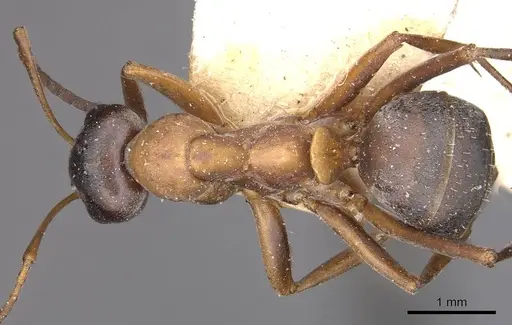
Literature
Loading...Loading products...