

Formica dakotensis
- Scientific Name
- Formica dakotensis
- Tribe
- Formicini
- Subfamily
- Formicinae
- Author
- Emery, 1893
- Common Name
- Dakota Mound Ant
- Distribution
- Found in 2 countries
Formica dakotensis Overview
Formica dakotensis (commonly known as the Dakota Mound Ant) is an ant species of the genus Formica. It is primarily documented in 2 countries , including Canada, United States of America. Detailed taxonomic data and occurrence records can be further explored via authoritative databases such as AntWeb or the Global Biodiversity Information Facility (GBIF).
Formica dakotensis - "Dakota Mound Ant"
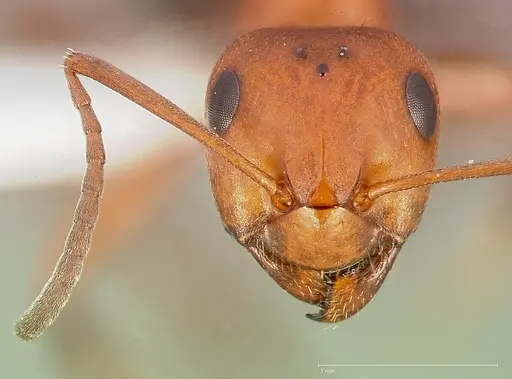
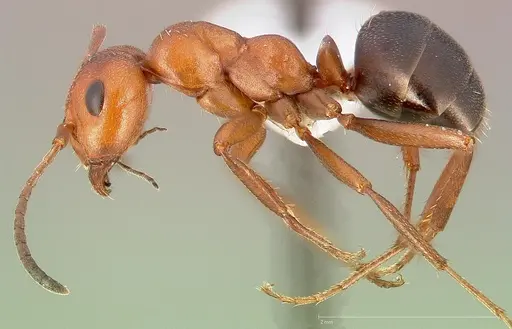
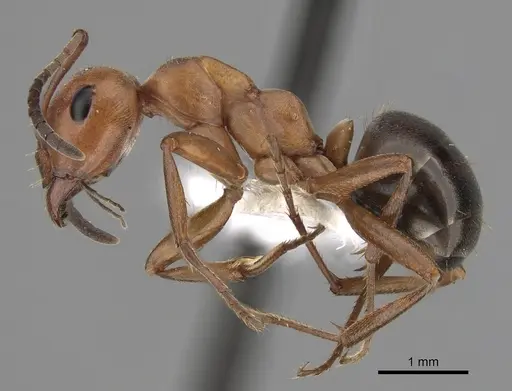
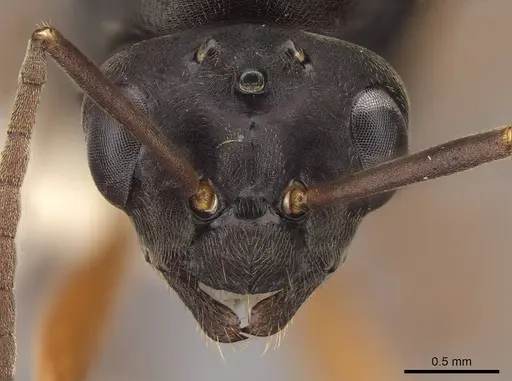
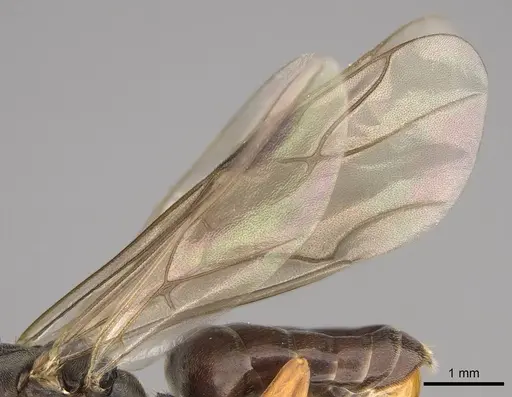
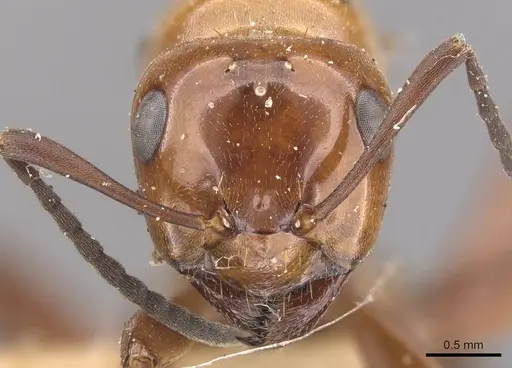
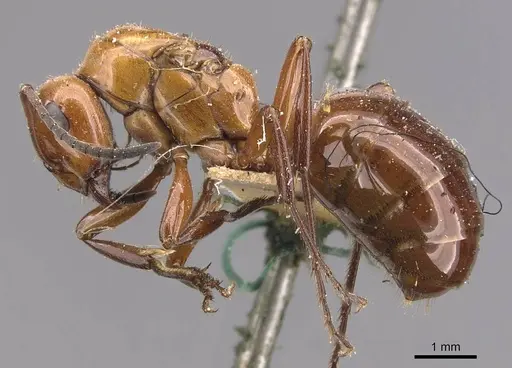
Formica dakotensis is a medium-sized ant measuring 4.5-7.0mm with a reddish-brown to dark brown coloration [1]. Workers have a distinctive thick petiolar scale with a flat or slightly concave apex and parallel-sided upper portion [2][3]. This species belongs to the rufa group and is known for building characteristic thatch mounds from grass and plant debris [3]. Found across central and western North America from Alberta and Saskatchewan south to Texas and Florida, they inhabit grasslands, prairie remnants, and boreal forest edges [1][4]. What makes F. dakotensis unusual is its dual lifestyle, it can found colonies independently OR use temporary social parasitism to invade nests of other Formica species, making it more flexible than obligate slave-makers [5].
Quick Summary
- Difficulty: Medium
- Origin & Habitat: Central and western North America, found in Alberta, Saskatchewan, Yukon, and widely across the US from New York to Florida and west to Texas. Inhabits grasslands, prairie remnants, boreal forest edges, and savannah areas with shrubs [1][4][6].
- Colony Type: Facultatively polygynous, can form single-queen colonies or multi-queen colonies. Queens can found nests independently (fully independent colonies are common) OR use temporary social parasitism to invade host colonies. Small queens enable parasitic founding [5][7].
- Colony: Optionally polygyne
- Queen: Socially parasitic, Temporary parasitic
- Size & Growth:
- Queen: Small, estimated 6-8mm based on rufa group patterns and 'very small queen size' noted in research [8]
- Worker: 4.5-7.0mm [1]
- Colony: Multiple mounds per colony, one Michigan colony had 11 mounds spread over 19x9 feet with workers numbering in thousands [9]. Estimated 1000-5000 workers for mature colonies.
- Growth: Moderate, brood develops late in spring (eggs June 3,larvae June 12,pupae June 16), with alates appearing late August [9].
- Development: 6-8 weeks estimated based on related Formica species at optimal temperatures (~25°C) (Brood development is notably late compared to other Formica, eggs appear in early June, first workers emerge by mid-July. Development occurs at typical Formica speeds once conditions warm.)
- Antkeeping:
- Temperature: Keep nest area at 22-26°C. They tolerate a range and can handle cooler conditions, workers emerged at temperatures as low as 50-53°F in the wild [3]. Provide a gentle gradient.
- Humidity: Moderate humidity, their natural mounds stay dry even when outer surfaces are wet. Keep substrate slightly moist but ensure good drainage. They avoid overly wet conditions.
- Diapause: Yes, requires winter hibernation. In temperate regions, colonies become inactive from late fall through early spring. Reduce temperature to 5-10°C during winter months [9].
- Nesting: Y-tong (AAC) or plaster nests work well. They naturally build thatch mounds, so a naturalistic setup with soil and plant material mimics their preferences. Acceptable humidity range: 50-70%.
- Behavior: Generally non-aggressive but will defend vigorously if disturbed. Workers bite hard and release a strong odor when threatened [3]. They are mound-builders and tend aphids for honeydew, smaller workers specialize in honeydew collection while larger workers handle nest-building and protein foraging [10]. Workers forage in files through tunnels or up tree trunks. Escape risk is moderate, use standard barrier methods.
- Common Issues: slow colony growth compared to other Formica, late brood development means slower establishment, social parasitism can complicate founding, if using wild-caught queens, they may need a host colony, mound-building behavior can be messy in captivity, debris may clog formicarium connections, aphid-tending dependency, colonies may struggle without consistent sugar sources, cold sensitivity during nuptial flights, alates need warm temperatures (75°F+) to fly, which can be difficult to replicate indoors
Nest Preferences and Mound Building
In the wild, Formica dakotensis builds characteristic thatch mounds from grass, leaves, and other plant debris. These mounds can reach 2-9 inches tall and often contain multiple interconnected domes spread over several feet [9]. The thatch keeps the interior dry even in wet conditions, pupae develop in the warm, dry mound chambers. Galleries extend underground among plant roots for several inches. For captive care, a Y-tong or plaster nest works well. Provide some loose nesting material or debris they can arrange, this satisfies their natural building instincts. They also nest under stones in some habitats, so a naturalistic setup with flat stones on soil is an option [11]. Keep the nest area at moderate humidity with a dry chamber area they can choose.
Feeding and Diet
Like other Formica species, F. dakotensis is highly dependent on aphid honeydew. Workers specialize by task, smaller workers tend aphids and collect honeydew while larger workers handle nest-building and protein foraging [10]. In captivity, provide constant sugar water or honey, and offer protein sources like mealworms, crickets, or other insects 1-2 times weekly. They will attend aphids if you keep aphid-infested plants near the nest. The honeydew collectors are significantly smaller than other workers, so ensure sugar feeders are accessible to all sizes. Avoid overfeeding protein, they prefer moderate amounts.
Temperature and Seasonal Care
Keep the nest at 22-26°C with a gentle gradient. They tolerate cooler temperatures better than many tropical species, workers in the wild emerged at 50-53°F [3]. However, for optimal brood development, aim for warm conditions. Winter diapause is required, reduce temperature to 5-10°C from late fall through early spring. This species has an unusually late brood development cycle compared to other Formica, eggs appear in early June, larvae by mid-June, and alates don't appear until late August [9]. This is linked to their potential parasitic lifestyle, by developing late, there are more potential host colonies to invade in autumn.
Colony Founding Strategies
Formica dakotensis has an unusual dual founding strategy. Queens can found colonies independently (fully independent colonies are common) OR use temporary social parasitism to invade established colonies of other Formica species like F. fusca, F. subsericea, and F. pallidefulva [5][11]. Their small queen size enables parasitic founding, they sneak into host colonies, kill or replace the host queen, and use the host workers to raise their first brood. Mixed colonies have been observed in the wild with both F. dakotensis and host species like F. subsericea [9]. For antkeepers, this means you can start a colony with a single claustrally-founding queen, but be aware that wild-caught queens may have parasitic tendencies.
Nuptial Flights and Reproduction
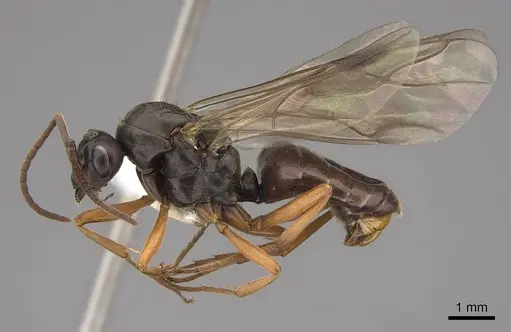
Nuptial flights occur much later than other Formica species, starting in early September and continuing through late September and even into October [9][3]. This is unusually late compared to F. obscuripes (June) and F. obscuriventris (July-August). Flights require warm temperatures, they don't begin below 75°F, with optimal flying at 78-88°F [3]. Males emerge first, followed by females. Mating occurs on vegetation near the nest. Females can mate multiple times, though queens typically mate once [12][13]. The late timing may be adaptive, by autumn there are more established host colonies available for parasitic founding. In captivity, replicating these late flights requires careful temperature control.
Task Partitioning and Colony Organization
This species shows remarkable task partitioning despite lacking distinct morphological worker subcastes. Workers specialize into three main groups: honeydew collectors (significantly smaller), nest builders, and protein foragers [10]. The size difference is significant, honeydew collectors have notably smaller head widths. Workers show high task fidelity over time, 98.6% of recaptured workers maintained their original task [10]. Mound-building species like F. dakotensis show even higher task fidelity than subterranean species. This organization means your colony will naturally divide labor, expect to see different-sized workers doing different jobs.
Frequently Asked Questions
How long does it take for Formica dakotensis to produce first workers?
Expect 6-8 weeks from egg to worker at optimal temperatures (22-26°C). However, their development is notably late in the season, eggs appear around June in established colonies, with first workers emerging by mid-July. Patience is key with this species.
Do Formica dakotensis ants need hibernation?
Yes, they require winter diapause. Reduce temperatures to 5-10°C from late fall through early spring. This is essential for colony health and aligns with their natural seasonal cycle.
What do Formica dakotensis eat?
They primarily need sugar sources (honey water, sugar water) constantly available, plus protein (insects like mealworms, crickets) 1-2 times weekly. They are aphid-tenders in the wild and rely heavily on honeydew.
Can I keep multiple Formica dakotensis queens together?
Yes, this species is facultatively polygynous, both single-queen and multi-queen colonies occur naturally. However, introducing unrelated queens to an established colony may trigger aggression. Start with one queen for simplicity.
What is the best nest type for Formica dakotensis?
Y-tong (AAC) or plaster nests work well. They naturally build thatch mounds, so a naturalistic setup with soil and plant debris also mimics their preferences. Keep humidity moderate with some dry areas available.
Are Formica dakotensis good for beginners?
They are medium difficulty. Their late development cycle and specific temperature requirements for nuptial flights make them slightly more challenging than beginner species. However, their flexible colony founding and general hardiness make them manageable for intermediate antkeepers.
Why are my Formica dakotensis alates not flying?
Temperature is likely the issue. Flights require at least 75°F and occur optimally at 78-88°F. They also need bright light and calm conditions, wind and fluctuating light disrupt flights. Ensure your setup reaches these temperatures.
How big do Formica dakotensis colonies get?
Mature colonies can reach several thousand workers. In the wild, colonies often build multiple mounds, one documented colony had 11 mounds spread over 19 feet. Expect 1-3 years to reach moderate size.
Do Formica dakotensis need a host colony to start?
No, while they can use temporary social parasitism, fully independent colonies are common. Your queen can found a colony claustrally without a host. However, wild-caught queens may have parasitic tendencies.
Why is my Formica dakotensis colony growing so slowly?
This is normal for the species. They have an unusually late brood development cycle compared to other Formica, eggs appear in early June, with alates not appearing until late August. Their growth rate is moderate, not fast.
References

This caresheet is licensed under CC BY-SA 4.0 .
CASENT0005385
View on AntWeb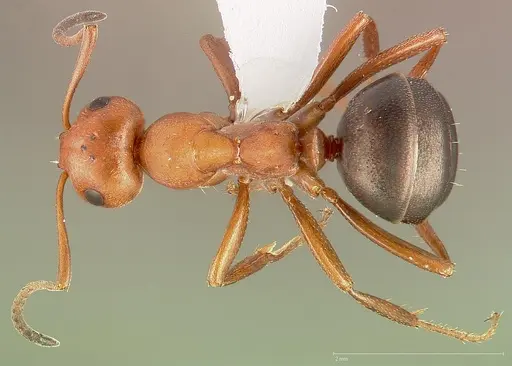
CASENT0102158
View on AntWeb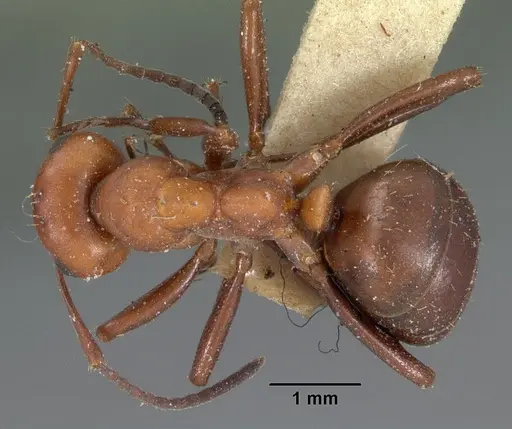
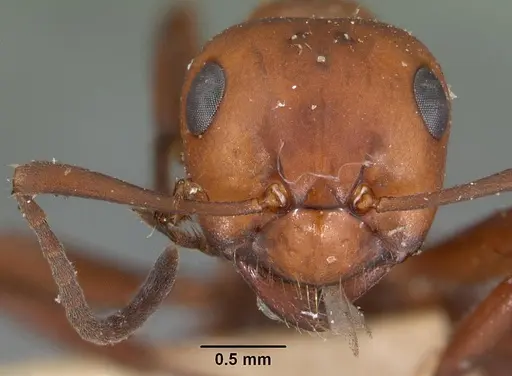
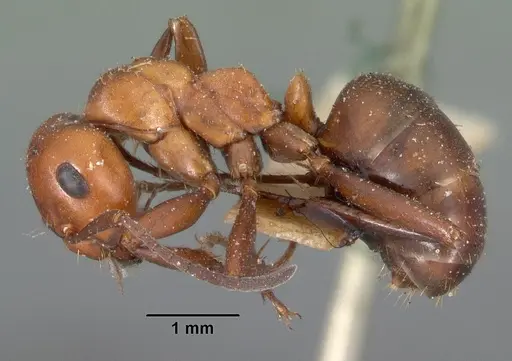
CASENT0280395
View on AntWeb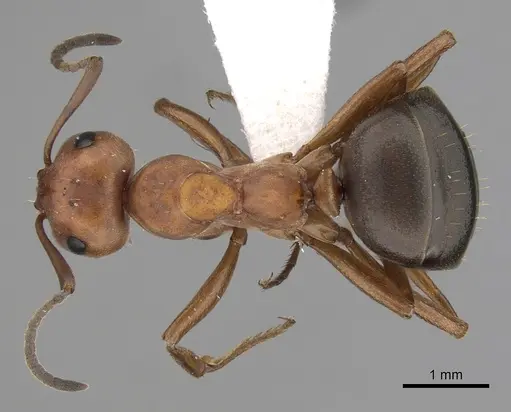
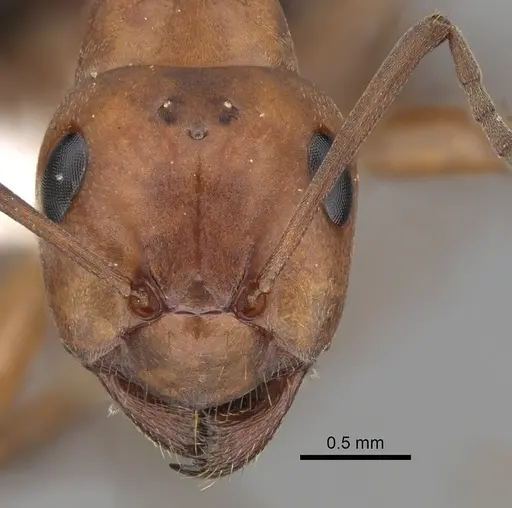
CASENT0843726
View on AntWeb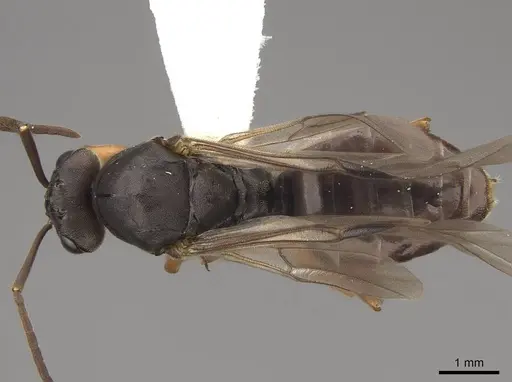
CASENT0905701
View on AntWeb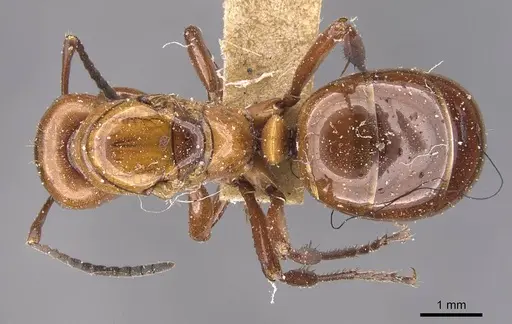
Literature
Loading...Loading products...