

Formica calviceps
- Scientific Name
- Formica calviceps
- Tribe
- Formicini
- Subfamily
- Formicinae
- Author
- Cole, 1954
- Distribution
- Found in 1 countries
Formica calviceps Overview
Formica calviceps is an ant species of the genus Formica. It is primarily documented in 1 countries , including United States of America. Detailed taxonomic data and occurrence records can be further explored via authoritative databases such as AntWeb or the Global Biodiversity Information Facility (GBIF).
Formica calviceps
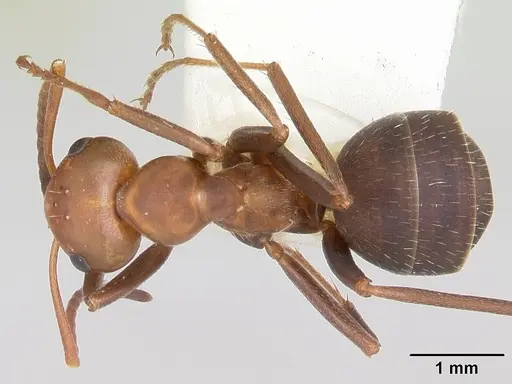
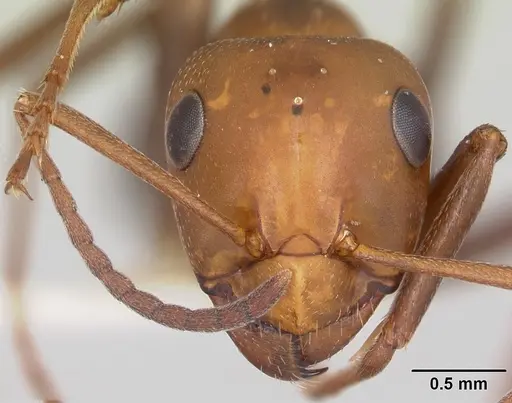
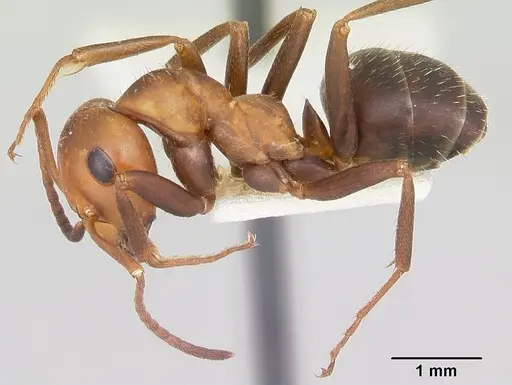
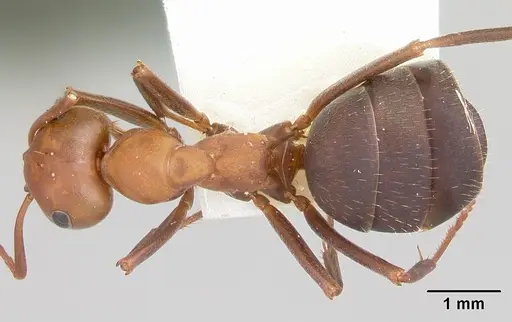
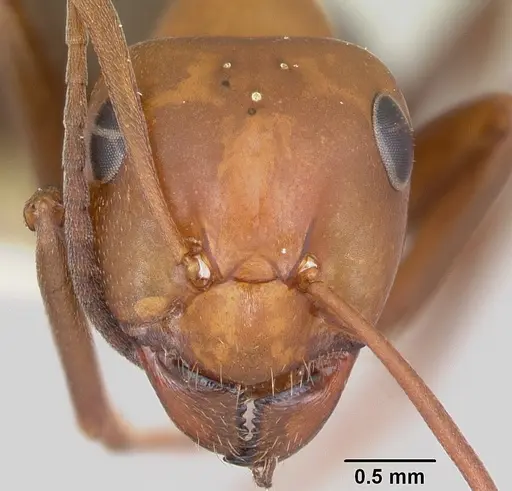
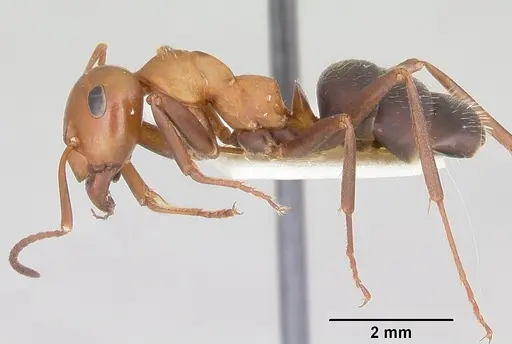
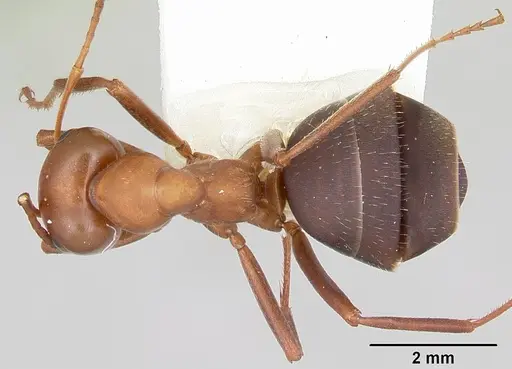
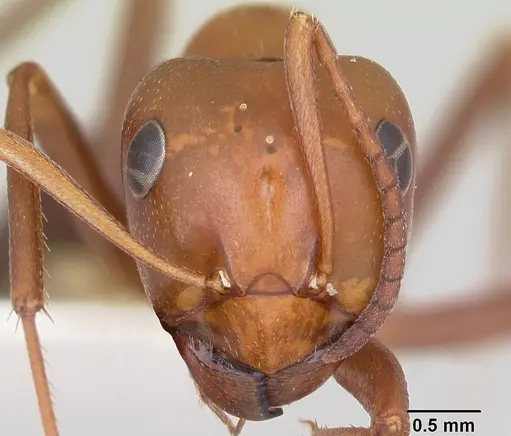
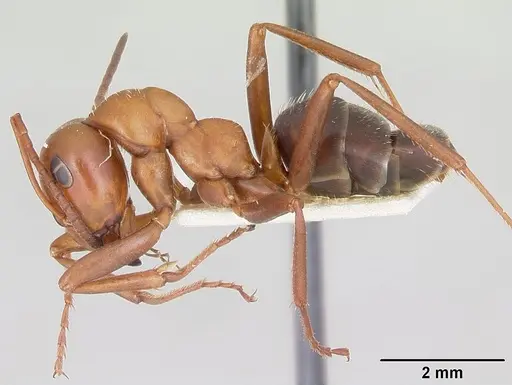
Formica calviceps is a North American ant species belonging to the rufa group, native to the southwestern United States and northern Mexico. Workers are typical Formica-sized, dark reddish-brown to black with the characteristic double row of erect hairs on the middle and hind tibiae that helps identify this species. They nest under stones in dry, grassy scrub oak habitats and build characteristic thatching mounds around their nest entrances. This species is part of a group known for their aggressive defense of the nest and ability to project formic acid when threatened. The rufa group ants are among the more recognizable Formica species due to their thatching behavior and larger colony sizes.
Quick Summary
- Difficulty: Medium
- Origin & Habitat: Southwestern United States (New Mexico) and northern Mexico, in scrub oak habitats in dry, grassy areas [1][2]
- Colony Type: Likely single-queen colonies based on typical rufa group patterns, though specific colony structure for this species is unconfirmed
- Colony: Monogyne
- Founding: Claustral
- Size & Growth:
- Queen: Estimated 9-13mm based on genus Formica patterns
- Worker: Estimated 5-9mm based on rufa group species
- Colony: Likely several thousand workers at maturity based on rufa group patterns
- Growth: Moderate
- Development: Estimated 6-8 weeks at optimal temperature based on related Formica species (Development time inferred from genus-level data, specific timeline for F. calviceps not directly studied)
- Antkeeping:
- Temperature: Keep at room temperature, roughly 20-25°C. They tolerate warmer conditions than many Formica due to their southwestern origin.
- Humidity: Prefers dry to moderate conditions, their natural habitat is dry and grassy. Avoid excessive moisture in the nest.
- Diapause: Yes, likely requires a winter rest period similar to other North American Formica species
- Nesting: Test tube setups work well for founding. Later colonies can be moved to formicariums with dry to moderately moist substrate. They thatch and prefer enclosed nest spaces.
- Behavior: Workers are active foragers and will aggressively defend the nest. They can project formic acid as a defense mechanism. Escape risk is moderate, standard Formica precautions apply but they are not particularly small or agile. They are diurnal and actively hunt for prey and tend aphids.
- Common Issues: colonies may fail if kept too humid, their dry habitat preference is strong, winter dormancy is likely required but timing and duration for this species is not well documented, slow initial colony growth during claustral founding phase can lead to overfeeding by impatient keepers, wild-caught colonies may have parasites or diseases that cause colony collapse in captivity
Nest Preferences and Housing
In the wild, Formica calviceps nests under stones surrounded by characteristic thatching material they collect and arrange around nest entrances. This thatching behavior helps regulate humidity and temperature within the nest chamber. For captive colonies, a test tube setup works well for the founding claustral queen, fill one test tube with water reservoir and cotton, then place the queen in an adjacent dry tube connected by tubing. Once the colony reaches 20-30 workers, you can transition to a small formicarium. These ants prefer dry to moderately moist conditions, so avoid overly damp substrates. A formicarium with a gypsum or plaster nest chamber works well, or you can use a naturalistic setup with a layer of dry soil and stones for them to thatch under. [1]
Feeding and Diet
Formica calviceps is a generalist forager like other rufa group species. Workers hunt for small insects and arthropods as protein sources, and they also tend aphids and other honeydew-producing insects for sugar. In captivity, offer protein sources like small crickets, mealworms, fruit flies, or other appropriately-sized insects twice weekly. Sugar can be provided through honey water or sugar water offered on a regular basis. Remove uneaten prey within 24-48 hours to prevent mold issues. During the founding phase, the claustral queen does not need food, she relies entirely on stored fat reserves to raise her first brood.
Temperature and Seasonal Care
As a species from the southwestern United States, Formica calviceps prefers warmer conditions than many temperate Formica species. Keep the nest area at roughly 20-25°C, which is comfortable room temperature for most keepers. They can tolerate brief periods of higher temperatures but avoid placing them in direct hot sunlight or near heat sources that could cause overheating. For winter dormancy, provide a cool period around 5-10°C for 2-3 months during winter months. This mimics their natural seasonal cycle in the southwestern mountains. Reduce feeding during the cool period and allow the colony to slow down naturally. [1]
Behavior and Defense
Workers of Formica calviceps are active foragers that will venture some distance from the nest to hunt and gather resources. Like all Formicinae, they can project formic acid as a defensive spray when threatened, this is their primary defense mechanism against predators and other ants. They are aggressive in defending their nest and will readily attack perceived threats. When keeping this species, be aware that they may spray formic acid if disturbed, though it poses minimal danger to humans. They are not particularly prone to escaping compared to smaller ant species, but standard barrier precautions (fluon on edges) are still recommended. Workers are diurnal, most active during daylight hours. [1]
References

This caresheet is licensed under CC BY-SA 4.0 .
Literature
Loading...Loading products...