

Formica bruni
- Scientific Name
- Formica bruni
- Tribe
- Formicini
- Subfamily
- Formicinae
- Author
- Kutter, 1967
- Distribution
- Found in 5 countries
Formica bruni Overview
Formica bruni is an ant species of the genus Formica. It is primarily documented in 5 countries , including Austria, Switzerland, France. Detailed taxonomic data and occurrence records can be further explored via authoritative databases such as AntWeb or the Global Biodiversity Information Facility (GBIF).
Formica bruni
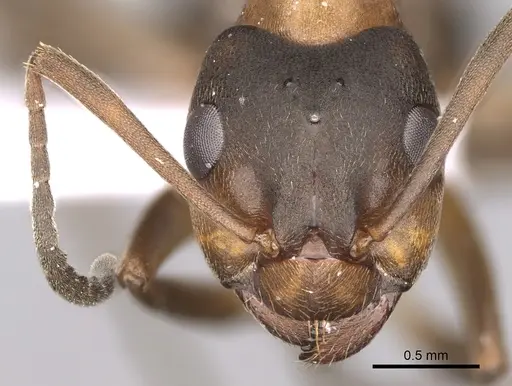
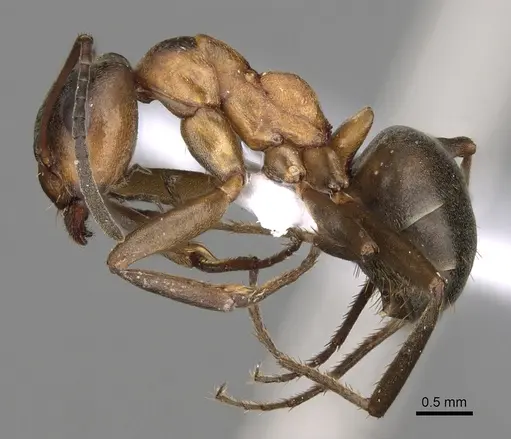
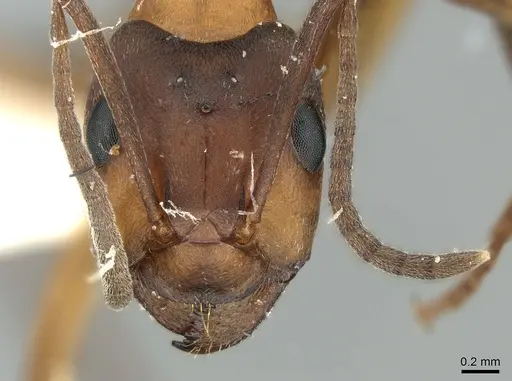
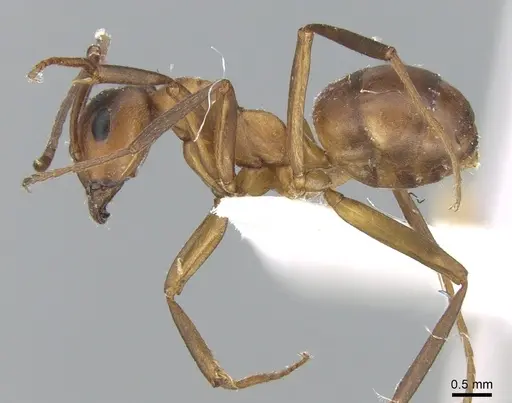
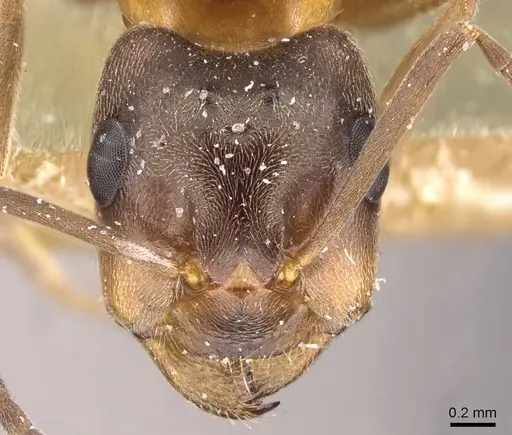
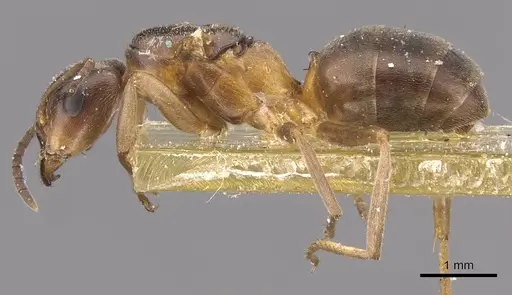
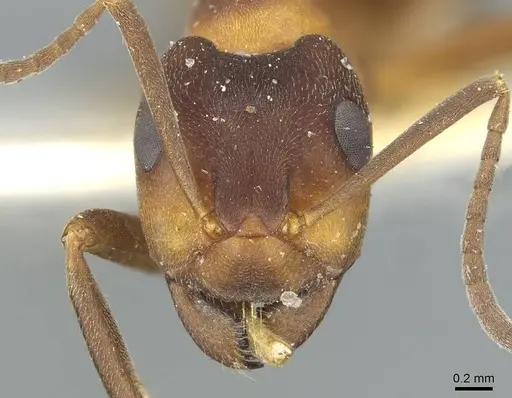
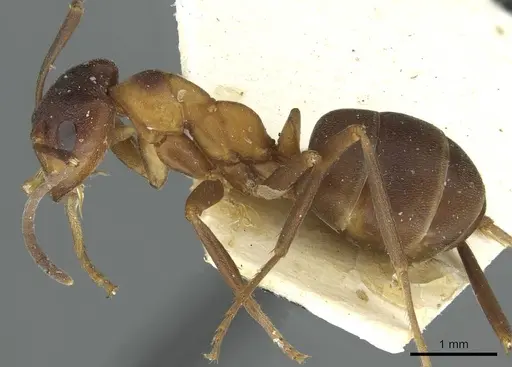
Formica bruni is a medium-sized ant belonging to the Coptoformica subgenus, known for its distinctive bicolored appearance. Workers have a yellowish to reddish head that gradually darkens toward the back, while the mesosoma is typically uniformly yellowish to reddish. They measure around 1.0-1.5mm in head length and build characteristic mounds from dry grasses and plant particles in warm, dry grasslands. This species is native to the mountains of central and southern Europe, with its distribution center in the French and Swiss Alps, though populations extend from Spain to Sweden and Greece [1]. F. bruni is a thermophilous species that thrives in oligotrophic (nutrient-poor) grasslands, particularly on limestone substrates at both low and high elevations. The species is primarily polygynous, forming large supercolonies with multiple nests and queens, which makes it unique among European ants [1].
Quick Summary
- Difficulty: Medium
- Origin & Habitat: Mountain grasslands of central and southern Europe (French/Swiss Alps distribution center), from Spain east to Austria and south to Greece. Found in thermophilous oligotrophic grasslands, xerothermous grasslands on limestone at lower elevations (370-1240m) and sunny south-exposed pastures at higher elevations (1380-2150m) [1][2].
- Colony Type: Primarily polygynous (multiple queens) with polycalic (multiple connected nests) colony structure. Large supercolonies documented with up to 250 nests spanning over 5600 square meters. Monogynous (single-queen) colonies are rare [1].
- Colony: Polygyne, Supercolonial
- Queen: Temporary parasitic
- Size & Growth:
- Queen: Queens: 4.3-4.5mm estimated from head length CL 1429±37μm [1].
- Worker: Workers: 4.0-4.8mm estimated from head length CL 1090-1484μm [1][3].
- Colony: Colonies can reach 47,000-51,000+ workers with dozens to hundreds of queens in large supercolonies [1].
- Growth: Moderate, workers develop in 50 days spring,40 days summer [1].
- Development: 6-8 weeks (40-50 days depending on season) [1]. (Development is seasonal: faster in summer (40 days) than spring (50 days). Males and new queens take 55-60 days to develop. Alates appear in nests around mid-July [1].)
- Antkeeping:
- Temperature: Keep at room temperature (18-24°C) with a warm, dry nesting area. This is a warmth-loving species from Mediterranean-climate grasslands, provide a gentle heat gradient if your room is cool. Avoid cold, damp conditions [1][3].
- Humidity: Low to moderate, prefer dry to semi-dry conditions. These ants naturally live in well-drained grasslands, not damp forests. Keep nest substrate moderately dry, not waterlogged. Provide a small water tube but avoid excessive moisture [1].
- Diapause: Yes, these ants are temperate species requiring winter hibernation. Provide a cold period at 5-10°C for 3-4 months (roughly November-February depending on your location). Reduce feeding and keep them in a cool, dark place during this period [1].
- Nesting: Use a dry, well-ventilated nest setup. Y-tong (AAC) or plaster nests work well, these ants prefer干燥 conditions. Provide a foraging area with access to sugar water and protein sources. They naturally build mounds from plant material, so include some dry grass or similar material in the outworld if possible [1][4].
- Behavior: Generally non-aggressive toward humans but defensive of their nest. Workers are active foragers that tend aphids and collect nectar. They are not known for stinging and pose no danger to keepers. Escape risk is moderate, use standard barriers but no special escape prevention needed for this medium-sized species. They form large colonies quickly through budding, so ensure adequate space as the colony grows [1][4].
- Common Issues: colonies often fail if kept too damp, these are grassland ants that prefer dry conditions, supercolony structure means they need lots of space, small nests will lead to stress or escape attempts, hibernation is essential, skipping winter rest can weaken or kill colonies over time, wild-caught colonies may be stressed from habitat loss, these are endangered in the wild so captive breeding is valuable, queen number confusion, this species is naturally polygynous, so finding multiple queens is normal, not a problem
Nest Preferences and Housing
Formica bruni naturally nests in dry grasslands and builds small mounds from dry grasses and plant particles. In captivity, provide a well-ventilated nest that stays relatively dry, Y-tong (AAC) or plaster nests work well. These ants are not picky about nest materials but need good drainage to prevent moisture buildup. The outworld should include a foraging area with a sugar water source and protein food. Because they form supercolonies in the wild, give them plenty of expansion space as the colony grows. A small water tube for humidity is sufficient, avoid creating damp conditions [1][4].
Feeding and Diet
Like other Formica species, F. bruni is omnivorous with a preference for sugar sources and protein. They practice trophobiosis, which means they tend aphids for honeydew, in captivity, offer sugar water (honey water or sugar syrup) as a constant food source. For protein, provide small insects like fruit flies, mealworms, or other appropriately-sized prey. They also visit flowers for nectar, so occasional sugar water offerings are beneficial. Feed protein 2-3 times per week and keep sugar water available at all times. Remove uneaten prey after 24 hours to prevent mold [1].
Temperature and Seasonal Care
These are warmth-loving ants from Mediterranean-climate regions. Keep them at room temperature (18-24°C) with a warm spot in the nest area if possible. They naturally occur at elevations up to 2150m in the Alps, so they can handle cooler temperatures than tropical ants but prefer warmth. During the active season (spring through fall), normal room temperature is fine. Winter requires a proper hibernation period, keep them at 5-10°C for 3-4 months in a dark, quiet location. Reduce feeding during hibernation and ensure the nest doesn't dry out completely. The colony will become active again in spring when temperatures rise [1][3].
Colony Structure and Behavior
F. bruni is primarily polygynous, meaning colonies naturally have multiple queens. This is unusual among many ant species and means you don't need to separate queens, multiple egg-layers coexist peacefully. They form polycalic colonies, meaning multiple nests connected together, which is why they need lots of space. Workers are medium-sized, active foragers that readily explore their environment. They are not particularly aggressive or territorial toward humans. The species is known for building small mounds of dry grass at nest entrances in the wild. Colonies grow quickly once established, with development taking 40-50 days per worker generation depending on temperature [1][4].
Conservation and Ethical Considerations
Formica bruni is considered threatened or endangered in several countries. In Germany, it is listed as threatened with extinction, and in Switzerland, it is severely threatened. In Austria (Lower Austria), it is critically endangered with only one known remaining population in the Wachau region. The primary threats are habitat loss from agricultural intensification and scrub encroachment. If you keep this species, you are helping with conservation, captive breeding programs are valuable for species survival. Never release captive colonies into the wild, especially outside their natural range, as this could cause ecological problems [1][6][7].
Frequently Asked Questions
Is Formica bruni good for beginners?
This species is rated as medium difficulty. While not the hardest ant to keep, it has specific requirements: they need dry conditions, proper hibernation, and lots of space for their supercolony structure. They are also endangered in the wild, so ethical sourcing is important. Beginners should consider easier species first, but experienced antkeepers will find this a rewarding species to maintain [1][6].
How long does it take for Formica bruni to produce first workers?
Development from egg to worker takes approximately 6-8 weeks (40-50 days) depending on temperature. Summer development is faster (around 40 days) than spring development (around 50 days). Males and new queens take slightly longer, about 55-60 days to develop [1].
Can I keep multiple Formica bruni queens together?
Yes, this species is naturally polygynous, meaning colonies have multiple queens. Unlike many ant species where queens fight, F. bruni queens coexist peacefully. Multiple egg-layers in one colony is normal and actually helps the colony grow faster. You don't need to separate queens [1].
What temperature do Formica bruni ants need?
Keep them at room temperature (18-24°C) with a warm, dry nesting area. They are warmth-loving species from Mediterranean grasslands. A slight temperature gradient is beneficial, provide a warm spot around 24°C and a cooler area around 18°C for the ants to choose between [1][3].
Do Formica bruni need hibernation?
Yes, these are temperate species requiring winter hibernation. Provide a cold period at 5-10°C for 3-4 months (roughly November through February). Reduce feeding during this time and keep them in a dark, quiet location. Skipping hibernation can weaken or eventually kill the colony [1].
How big do Formica bruni colonies get?
Colonies can become very large, documented supercolonies have up to 50,000 workers and hundreds of queens. In captivity, healthy colonies can reach several thousand workers. They need plenty of space to accommodate their polycalic (multi-nest) structure [1].
What do Formica bruni eat?
They are omnivorous. Provide sugar water (honey or sugar syrup) constantly as an energy source. For protein, offer small insects like fruit flies, pinhead crickets, or mealworms 2-3 times per week. They also will take nectar from flowers if available. Remove uneaten food promptly to prevent mold [1].
Why is my Formica bruni colony dying?
Common causes include: too much moisture (they prefer dry conditions), lack of hibernation, insufficient space for their growing colony, or poor nutrition. Check that the nest is well-ventilated and not damp. Ensure hibernation is provided in winter. If the colony is stressed, try moving to a larger setup with better ventilation [1].
References

This caresheet is licensed under CC BY-SA 4.0 .
CASENT0906072
View on AntWeb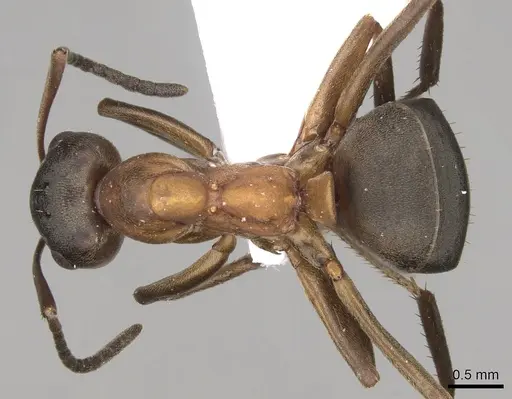
CASENT0906305
View on AntWeb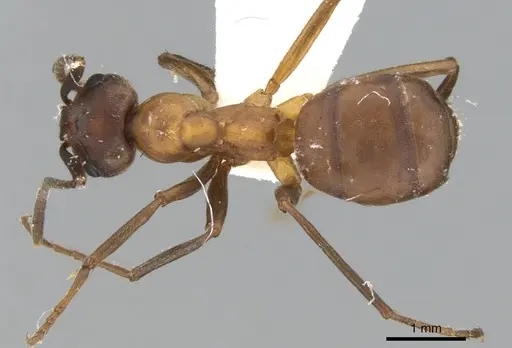
CASENT0907579
View on AntWeb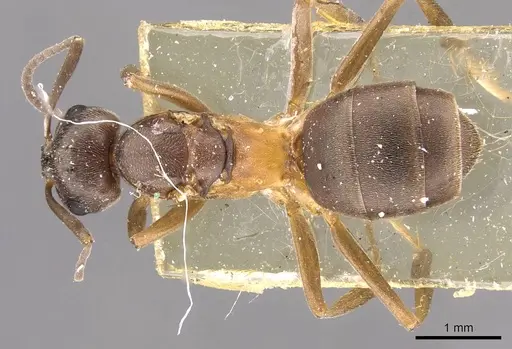
CASENT0912242
View on AntWeb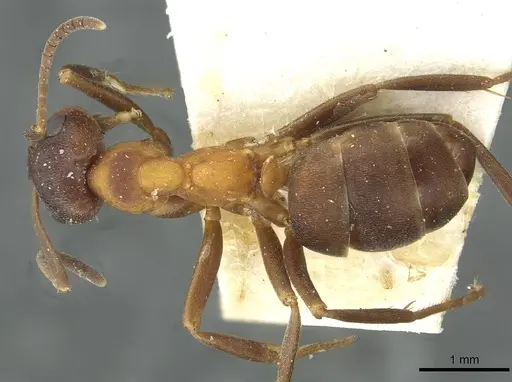
Literature
Loading...Loading products...