

Formica browni
- Scientific Name
- Formica browni
- Tribe
- Formicini
- Subfamily
- Formicinae
- Author
- Francoeur, 1973
- Distribution
- Found in 1 countries
Formica browni Overview
Formica browni is an ant species of the genus Formica. It is primarily documented in 1 countries , including Mexico. Detailed taxonomic data and occurrence records can be further explored via authoritative databases such as AntWeb or the Global Biodiversity Information Facility (GBIF).
Formica browni
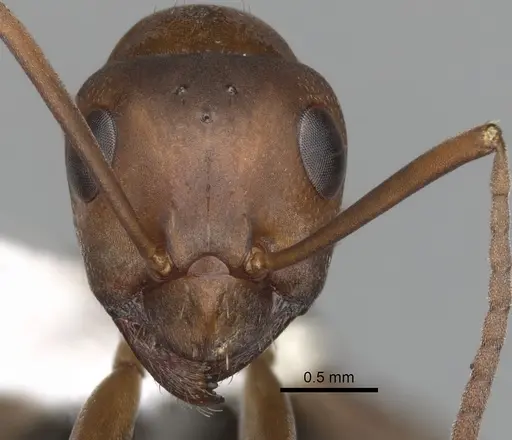
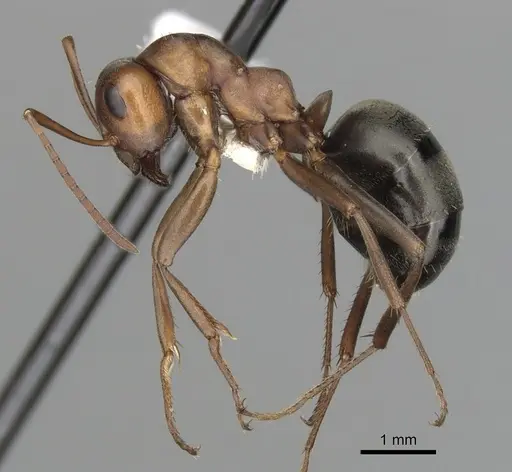
Formica browni is a small to medium-sized ant native to central Mexico, found in the highlands of Distrito Federal, México, Puebla, and Veracruz states [1]. Workers are typically dark with lighter appendages, characteristic of many Formica species. This is a rarely encountered species in the antkeeping hobby, with limited documented information about its behavior and colony structure. Research has shown that temperature influences their morphology, workers developing in warmer environments develop relatively longer legs, thoraxes, and antennae [2], suggesting they are adapted to specific temperature ranges in their highland habitat.
Quick Summary
- Difficulty: Medium
- Origin & Habitat: Central Mexico (highland regions of Distrito Federal, México, Puebla, and Veracruz) [1]. Found in high-elevation areas with moderate temperatures.
- Colony Type: Unconfirmed colony structure. Most Formica species are single-queen (monogyne) colonies, but F. browni specific structure has not been documented.
- Founding: Claustral
- Size & Growth:
- Queen: Estimated 7-9mm based on typical Formica queen size range
- Worker: Estimated 4-6mm based on typical Formica worker size range
- Colony: Unknown, no colony size data available for this species
- Growth: Moderate, inferred from genus patterns
- Development: Estimated 6-8 weeks based on typical Formica development at optimal temperature (Development time inferred from related Formica species. Temperature affects morphology [2], suggesting brood development is temperature-sensitive.)
- Antkeeping:
- Temperature: Keep at 20-24°C. The species shows temperature-dependent morphological variation [2], indicating they do best in stable, moderate temperatures rather than extremes. Avoid temperatures above 28°C.
- Humidity: Moderate humidity around 50-60%. Being from highland Mexico, they prefer drier conditions than tropical species. Allow the nest to partially dry between water additions.
- Diapause: Likely required. Most temperate Formica species need a winter rest period. Provide 3-4 months at 5-10°C during winter.
- Nesting: Use a dry to moderately humid nest. Formica browni likely nests in soil or under stones in the wild. Test tubes work well for founding, and acrylic or ytong nests work for established colonies. Avoid overly damp conditions.
- Behavior: Formica browni workers are active foragers, typical of the genus. They likely tend honeydew-producing insects and collect small insects for protein. Workers are moderately aggressive when defending the nest but not particularly large or dangerous. Escape risk is moderate, use standard barrier methods. The species is not well-documented in captivity.
- Common Issues: limited availability, this is a rarely kept species with few documented breeding attempts, temperature sensitivity, morphological variation linked to temperature [2] means improper temps may affect brood development, no specific care documentation, most advice is inferred from genus patterns rather than species-specific research, hibernation requirements unclear, while likely needed, exact diapause duration is unknown, wild-caught colonies may be difficult to find as the species has a limited range in central Mexico
Origin and Natural Habitat
Formica browni is endemic to central Mexico, specifically found in the highland regions of Distrito Federal (now Ciudad de México), México state, Puebla, and Veracruz [1]. These areas feature moderate elevations with temperate climates. The original description was published by Francoeur in 1973 [1]. In their natural habitat, these ants likely nest in soil or under stones in areas with moderate temperature and humidity. The research showing temperature-dependent morphological variation [2] indicates they are adapted to specific thermal conditions in their highland environment.
Temperature and Environmental Needs
This species shows temperature-driven morphological plasticity, workers developing in warmer conditions have longer legs, thoraxes, and antennae [2]. This suggests they are sensitive to temperature during development and do best in stable, moderate conditions. Keep the nest at 20-24°C, avoiding both extreme heat and cold. A slight temperature gradient allows workers to choose their preferred zone. During winter, provide a diapause period of 3-4 months at 5-10°C, which is typical for temperate Formica species. This species is not a tropical ant and should not be kept warm year-round.
Feeding and Diet
Like other Formica species, F. browni likely has an omnivorous diet. They probably tend honeydew-producing aphids and scale insects, and supplement their diet with small insects and arthropods for protein. Offer sugar water or honey water as a constant energy source. For protein, provide small insects like fruit flies, small crickets, or mealworms. Feed protein 2-3 times per week, and ensure sugar sources are always available. Remove uneaten prey after 24-48 hours to prevent mold.
Nesting and Colony Setup
For founding colonies, use a standard test tube setup with a water reservoir. Keep the setup relatively dry, these are not high-humidity ants. Once the colony reaches 20-30 workers, you can move them to a small acrylic or ytong nest. Provide a foraging area with access to sugar water and protein prey. Because this species is not well-documented in captivity, start with conditions typical for Formica: moderate humidity, stable temperature, and appropriate-sized chambers. The species' small to medium size means escape prevention should be moderate, standard barriers work well.
Colony Development and Growth
The founding queen will seal herself in a claustral chamber (typical for Formica) and raise the first brood alone using stored fat reserves. First workers (nanitics) will be smaller than mature workers. Development from egg to worker is estimated at 6-8 weeks based on related Formica species, but this has not been specifically documented for F. browni. Growth rate is moderate. Colonies likely remain relatively small compared to some Formica species, but exact maximum colony size is unknown. Be patient with founding colonies, they are slow to establish and sensitive to disturbance.
Frequently Asked Questions
How long does it take for Formica browni to produce first workers?
Estimated 6-8 weeks from egg to worker at optimal temperature (20-24°C). This is based on typical Formica development patterns since species-specific data is not available.
What temperature should I keep Formica browni at?
Keep them at 20-24°C. This species shows temperature-dependent morphological variation [2], so stable moderate temperatures are important for proper development.
Does Formica browni need hibernation?
Likely yes. Most temperate Formica species require a winter diapause. Provide 3-4 months at 5-10°C during winter months.
Can I keep multiple queens together?
Not recommended without documented evidence. While some Formica species can be polygynous, colony structure for F. browni has not been studied. It is safest to found colonies with single queens.
What do Formica browni eat?
Like other Formica species, they likely eat honeydew from aphids and small insects for protein. Offer sugar water or honey water constantly, and provide small insects 2-3 times per week.
Is Formica browni good for beginners?
This species is not well-documented in the antkeeping hobby and is considered intermediate in difficulty. Limited availability and lack of species-specific care information make it challenging for complete beginners.
How big do Formica browni colonies get?
Unknown, no colony size data exists for this species. Based on related Formica species, colonies likely reach several hundred workers but probably not the large supercolonies some Formica species can form.
When should I move my colony to a formicarium?
Move to a larger nest once the colony reaches 20-30 workers and the test tube becomes crowded. Formica browni prefers moderately dry conditions, so choose a nest that allows humidity control.
References

This caresheet is licensed under CC BY-SA 4.0 .
CASENT0280368
View on AntWeb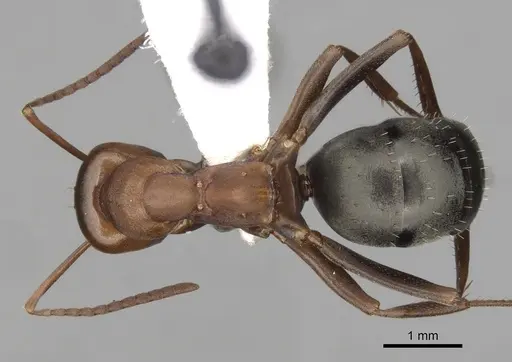
Literature
Loading...Loading products...