

Formica anatolica
- Scientific Name
- Formica anatolica
- Tribe
- Formicini
- Subfamily
- Formicinae
- Author
- Seifert & Schultz, 2009
- Distribution
- Found in 1 countries
Formica anatolica Overview
Formica anatolica is an ant species of the genus Formica. It is primarily documented in 1 countries , including Türkiye. Detailed taxonomic data and occurrence records can be further explored via authoritative databases such as AntWeb or the Global Biodiversity Information Facility (GBIF).
Formica anatolica
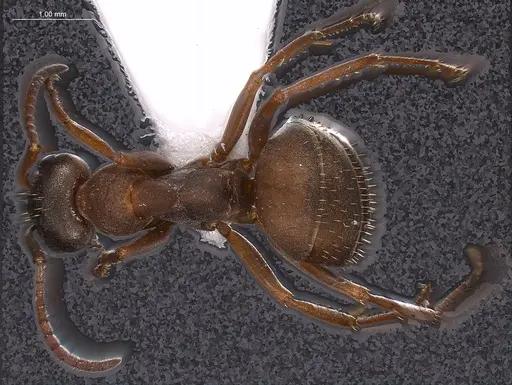
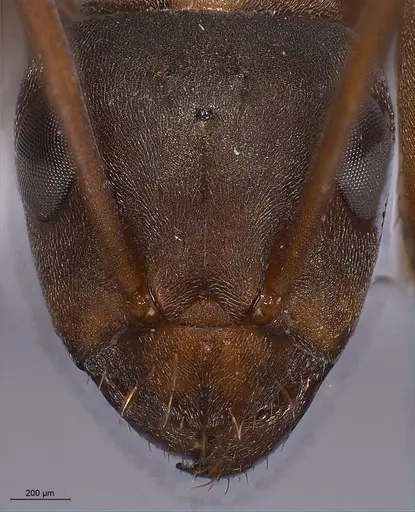
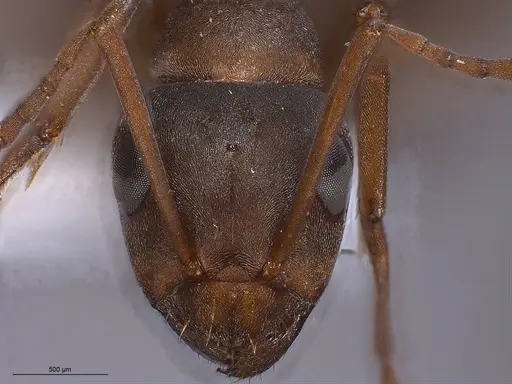
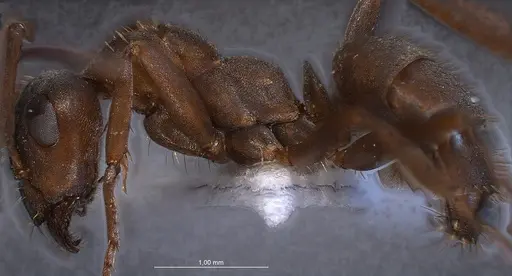
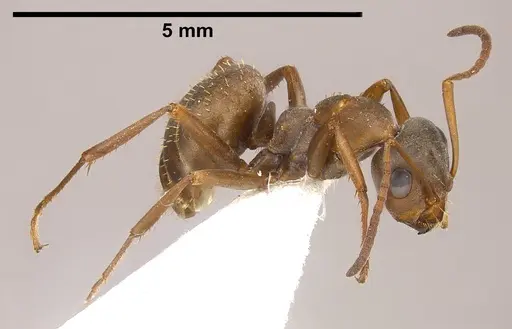
Formica anatolica is a large, striking ant species endemic to the Taurus Mountains in south-central Turkey. Workers measure around 1.4mm in head width, making them a medium-sized Formica species. They have a distinctive appearance with dark brown to black coloring on the gaster, posterior head, and legs, contrasting sharply with reddish-brown coloration on the mesosoma and front of the head. The most distinguishing feature is the presence of setae (bristles) on the underside of the head, the only species in the rufibarbis group with this trait. They have notably large eyes and a very wide petiole (the narrow waist connecting the thorax and gaster). These ants live in mountainous woodland at elevations between 1300-1900m, typically in forests with fir, juniper, and oak trees.
Quick Summary
- Difficulty: Medium
- Origin & Habitat: Endemic to the Taurus Mountains (Toros Daglari) in south-central Anatolia, Turkey. Found at high elevations (1300-1900m) in woodland stands with Abies (fir), Juniperus (juniper), Quercus (oak), and other deciduous trees, sometimes mixed with grassland patches [1][2].
- Colony Type: Likely single-queen colonies based on typical Formica rufibarbis group patterns. No specific study on colony structure for this species.
- Colony: Monogyne
- Founding: Claustral
- Size & Growth:
- Queen: Not documented in available literature, likely 9-12mm based on related Formica species
- Worker: 1.2-1.6mm head width (CS 1422 ± 178 µm) [2]
- Colony: Not directly documented, likely several thousand workers based on typical Formica colony sizes
- Growth: Moderate, estimated 6-10 weeks from egg to first worker based on related Formica species
- Development: 6-10 weeks (estimated based on related Formica species at optimal temperature) (Development time estimated from genus-level data, not directly studied for this species)
- Antkeeping:
- Temperature: Keep at 20-24°C. The high-elevation mountain habitat suggests they prefer cooler conditions than lowland species. A slight temperature gradient allows workers to regulate their body temperature.
- Humidity: Moderate humidity (50-60%). The woodland habitat suggests they prefer somewhat damp conditions but not wet. Keep nest substrate lightly moist but allow some drying between waterings.
- Diapause: Yes, likely required. Given their mountain habitat in Turkey with cold winters, colonies should be hibernated at 5-10°C for 3-4 months (October-February).
- Nesting: Y-tong (AAC) or plaster nests work well. The species prefers narrow chambers typical of Formica nesting. Provide a water tube for humidity. Avoid overly wet conditions that can cause mold.
- Behavior: Formica ants are typically active foragers with moderate aggression. Workers are quick-moving and will defend the nest if threatened. They are not known to be particularly aggressive toward keepers but will spray formic acid when disturbed. Escape risk is moderate, standard formicarium barriers are sufficient. They forage actively and will collect both protein (insects) and sugar sources.
- Common Issues: High elevation origin means they need cooler temperatures, overheating can kill colonies, Mountain species likely requires proper hibernation, skipping diapause may weaken or kill the colony, Limited availability as a species, may be difficult to acquire, Not well-studied in captivity, care recommendations are estimates from related species, Wild colonies may be sensitive to habitat disturbance given their narrow range
Natural History and Distribution
Formica anatolica is one of the more recently described Formica species, formally named in 2009 by Seifert and Schultz. It is endemic to a remarkably small range, only found in the Taurus Mountains (Toros Daglari) of south-central Anatolia, Turkey. This makes it one of the most restricted Formica species in terms of distribution. The species lives at high elevations between 1300 and 1900 meters, in woodland areas dominated by fir (Abies), juniper (Juniperus), and oak (Quercus) trees. The habitat is often interspersed with grassland patches. This mountain forest environment means the ants experience cool, relatively humid conditions with distinct seasons. The specific habitat requirements likely explain why this species has such a limited distribution, it is only found where these precise conditions exist [1][2].
Identification and Appearance
This is a distinctive species that can be recognized by several unique features within the Formica rufibarbis group. Workers are relatively large (about 1.4mm head width) with a notably wide petiole, the narrow waist connecting the mesosoma to the gaster. The most diagnostic feature is the presence of setae (bristles) on the underside of the head (gular setae), which no other species in the rufibarbis group has. They have large eyes compared to related species and relatively short antennae scapes. The coloration is striking: the gaster (rear body section) is always dark brown to black, the legs and posterior of the head are also dark brown, while the mesosoma and front of the head are reddish-brown. This creates a high-contrast appearance that makes them stand out among Formica species. The gaster also has dense silvery pubescence (fine hairs) giving it a slightly glossy appearance [1][2].
Housing and Nest Setup
Formica anatolica can be kept in standard formicarium setups. Y-tong (AAC) nests or plaster nests work well for this species. The chambers should be appropriately sized, not too large, as these ants prefer somewhat cozy spaces. Provide a water tube or moisture reservoir to maintain humidity. The nest should be kept in a location with stable temperatures, ideally 20-24°C. Avoid placing the nest in direct sunlight or near heat sources that could cause overheating. For the outworld (foraging area), provide space for workers to hunt and collect food. Standard escape prevention measures are sufficient, these are not particularly small ants, so standard barriers work fine. Keep the nest moderately humid with substrate that feels lightly moist but never waterlogged.
Feeding and Diet
Like other Formica species, Formica anatolica is omnivorous. They will readily accept protein sources such as small insects (fruit flies, small crickets, mealworms) and will also collect sugar sources like honey water or sugar water. In the wild, they likely forage for honeydew from aphids and other small invertebrates. Feed protein 2-3 times per week, and provide a constant sugar water source. Remove uneaten prey after 24-48 hours to prevent mold. Fresh water should always be available. These are active foragers, so they will readily explore and exploit food sources in their outworld.
Temperature and Seasonal Care
Given their high-elevation mountain habitat in Turkey, Formica anatolica prefers cooler temperatures than many common ant species. Keep the nest at 20-24°C, with a slight gradient if possible so workers can choose their preferred temperature. This species almost certainly requires a winter hibernation period. In their natural habitat, temperatures drop significantly during winter months at 1300-1900m elevation. From October through February, reduce temperature to 5-10°C to allow the colony to enter dormancy. This diapause period is essential for colony health and likely triggers reproductive cycles in spring. Do not skip hibernation as it can weaken or kill the colony over time.
Colony Development
The colony development timeline for Formica anatolica has not been specifically studied. Based on related Formica species and typical genus patterns, expect 6-10 weeks from egg to first worker (nanitic) at optimal temperatures around 22°C. The founding queen will seal herself in a claustral chamber and live off stored fat reserves until her first workers emerge, she will not leave to forage during this time. Once the first workers (nanitics) emerge, they are typically smaller than normal workers and will begin foraging to support the growing colony. Growth rate is moderate, colonies likely reach several thousand workers over several years. Be patient with this species, as Formica colonies typically develop more slowly than many Myrmicinae species.
Frequently Asked Questions
How long does it take for Formica anatolica to produce first workers?
Expect 6-10 weeks from egg to first worker at optimal temperatures around 22°C. This is estimated from related Formica species, as specific development data for F. anatolica is not available. Be patient during the founding phase, the queen will seal herself in and raise her first brood alone.
Do Formica anatolica ants need hibernation?
Yes, hibernation is likely required. Given their mountain habitat at 1300-1900m elevation in Turkey, they experience cold winters. Keep the colony at 5-10°C from October to February. Skipping hibernation can weaken or kill the colony over time.
What temperature should I keep Formica anatolica at?
Keep the nest at 20-24°C. The high-elevation mountain origin means they prefer cooler conditions than many common ant species. Avoid overheating, temperatures above 28°C can be harmful.
Are Formica anatolica good for beginners?
This species is rated as medium difficulty. While not the hardest species, it has specific requirements (cooler temperatures, likely hibernation) and may be difficult to acquire since it is endemic to a small region in Turkey. Beginners may want to start with more common Formica species first.
What do Formica anatolica ants eat?
They are omnivorous like most Formica species. Feed small insects (fruit flies, small crickets, mealworms) 2-3 times per week as protein. Provide constant access to sugar water or honey water. They will also collect honeydew from aphids if available.
How big do Formica anatolica colonies get?
Colony size is not directly documented, but based on typical Formica sizes, colonies likely reach several thousand workers over several years. Growth is moderate, expect 1-2 years to reach 100 workers, several years for a mature colony.
Can I keep multiple Formica anatolica queens together?
This is not recommended. Based on typical Formica rufibarbis group patterns, this species likely forms single-queen colonies. Combining unrelated queens has not been studied and could result in fighting.
Where is Formica anatolica found in the wild?
Formica anatolica is endemic to the Taurus Mountains (Toros Daglari) in south-central Anatolia, Turkey. It is only found at elevations between 1300-1900m in woodland forests with fir, juniper, and oak trees. This extremely limited distribution makes it one of the most restricted Formica species.
References

This caresheet is licensed under CC BY-SA 4.0 .
ANTWEB1008386
View on AntWeb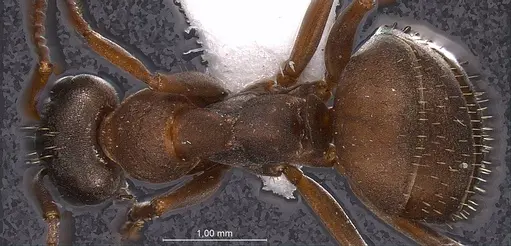
Literature
Loading...Loading products...