

Forelius rufus
- Scientific Name
- Forelius rufus
- Tribe
- Leptomyrmecini
- Subfamily
- Dolichoderinae
- Author
- Gallardo, 1916
- Distribution
- Found in 2 countries
Forelius rufus Overview
Forelius rufus is an ant species of the genus Forelius. It is primarily documented in 2 countries , including Argentina, Brazil. Detailed taxonomic data and occurrence records can be further explored via authoritative databases such as AntWeb or the Global Biodiversity Information Facility (GBIF).
Forelius rufus
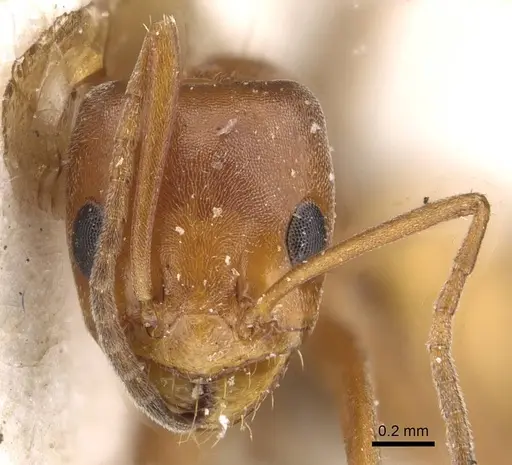
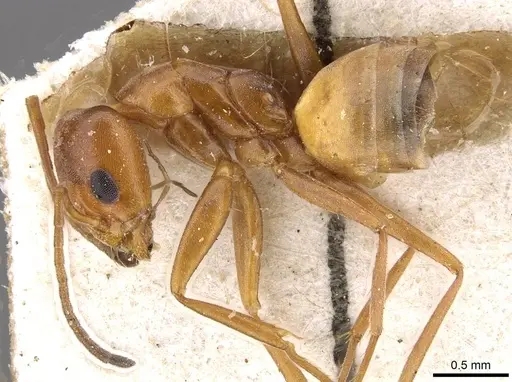
Forelius rufus is a small ant species native to the Neotropical region, specifically found in Argentina and Bolivia [1]. Workers are modest in size and typically display reddish-brown to brown coloration, characteristic of the Forelius genus within the Dolichoderinae subfamily. The genus Forelius is known for small, fast-moving ants that often nest in soil or under stones in warm, dry to semi-arid habitats. This species was originally described by Gallardo in 1916,with queens and males later described by Santschi in 1922 [1]. As a Dolichoderine ant, they possess a gland that produces defensive chemicals, though they are not considered particularly aggressive toward keepers.
Quick Summary
- Difficulty: Easy
- Origin & Habitat: Forelius rufus is found in the Neotropical region of South America, specifically Argentina and Bolivia [1]. The species was collected from locations in Jujuy province at elevations around Pucabamba and Santa Catalina [2]. Based on typical Forelius habitat preferences, they likely inhabit dry to semi-arid areas with sparse vegetation, nesting in soil or beneath stones in warm, sunny locations.
- Colony Type: Monogyne, single queen colonies are typical for this genus. The colony type structure appears to follow the standard Forelius pattern of single-queen colonies.
- Colony: Monogyne
- Founding: Claustral
- Size & Growth:
- Queen: Estimated 5-7mm based on genus patterns, specific measurements not documented for this species
- Worker: Estimated 2-4mm based on genus patterns, specific measurements not documented for this species
- Colony: Likely moderate, typical Forelius colonies reach several hundred workers based on genus patterns
- Growth: Moderate, based on typical Dolichoderine development patterns
- Development: Estimated 6-8 weeks at optimal warm temperatures, based on related Dolichoderine species patterns (Development time is estimated from genus-level data since specific studies on F. rufus are not available. Warm temperatures around 24-28°C will accelerate development.)
- Antkeeping:
- Temperature: Keep at 24-28°C (warm room temperature to slightly elevated). These are warm-climate ants from Argentina and Bolivia that prefer stable, warm conditions. A heating cable on one side of the nest can create a gentle gradient if room temperature falls below 24°C.
- Humidity: Low to moderate, prefer drier conditions typical of their arid to semi-arid natural habitat. Keep nest substrate moderately dry, with a small water reservoir for drinking. Avoid excessive moisture which can cause mold problems.
- Diapause: Likely minimal or no true diapause, as tropical/subtropical ants from Argentina, they probably do not require a hibernation period. However, a slight reduction in temperature during winter months (down to around 18-20°C) may be beneficial.
- Nesting: Natural nesting occurs in soil or under stones in warm, sunny locations. In captivity, standard test tube setups work well for founding colonies. For established colonies, a Y-tong (AAC) nest or plaster formicarium with dry to moderately moist conditions works best. Avoid overly humid setups.
- Behavior: Forelius ants are active foragers with workers quickly discovering and exploiting food sources. They are not particularly aggressive but will defend the nest if threatened. Workers are small and fast-moving, which means escape prevention is important, they can slip through small gaps. They typically feed on honeydew, small insects, and sugar sources. The colony will likely show increased activity at warmer temperatures and may become less active during cooler periods.
- Common Issues: escape prevention is critical due to their small size, use fine mesh barriers and check all lid seals, dry conditions are preferred, overwatering can cause mold and kill colonies, wild-caught colonies may have parasites that are difficult to detect, slow founding phase can cause keepers to overfeed or disturb the queen unnecessarily, temperature drops below 20°C may slow or stop brood development
Housing and Nest Setup
Forelius rufus can be housed in standard ant keeping setups. For founding colonies, a simple test tube setup with a water reservoir (cotton ball at one end) works well. The queen will seal herself into a chamber and raise the first workers (nanitics) without leaving the nest. Once the colony reaches 20-30 workers, you can consider moving them to a formicarium. A Y-tong (AAC) nest or plaster formicarium with narrow chambers suits their small size. Keep the nest relatively dry, these ants come from warm, semi-arid regions and prefer lower humidity than many tropical species. A small water tube or gel water reservoir should be provided for drinking. Use escape prevention measures including fine mesh and barrier tape, as workers are small and can slip through tiny gaps. [1]
Feeding and Diet
Like most Dolichoderine ants, Forelius rufus is omnivorous with a preference for sugar sources. Offer sugar water, honey, or diluted maple syrup as a constant food source. For protein, provide small insects such as fruit flies, small mealworms, or cricket pieces. They are active foragers and will quickly discover food. Feed protein 2-3 times per week, removing any uneaten prey after 24 hours. A constant sugar source should be available. Fresh killed insects are generally better accepted than live prey for smaller colonies, though established colonies will readily take live prey.
Temperature and Seasonal Care
These ants come from the warm regions of Argentina and Bolivia, so they prefer temperatures in the 24-28°C range. Room temperature (around 22-24°C) is acceptable, but warmer conditions will increase activity and speed up brood development. A heating cable on one side of the nest can provide additional warmth if needed. Unlike temperate species, they do not require a true hibernation period. During winter, you can reduce temperatures slightly to around 18-20°C, which may slow colony activity but is not harmful. Avoid temperatures below 15°C for extended periods. Maintain stable temperatures, sudden drops or drafts can stress the colony. [1]
Colony Development and Growth
A newly mated queen will dig a small chamber and seal herself in (claustral founding). She will lay eggs and raise the first workers using her stored fat reserves. The first workers (nanitics) are typically smaller than normal workers. Development from egg to worker takes an estimated 6-8 weeks at optimal temperatures, based on related Dolichoderine species. Growth rate is moderate, the colony will expand gradually over several months. Once established, colonies can grow to several hundred workers. Be patient during the founding phase, disturbing the queen or checking too frequently can cause her to abandon or eat her brood.
Behavior and Temperament
Forelius rufus workers are small, fast-moving ants that are active foragers. They are not particularly aggressive and rarely bite, making them manageable for keepers. However, they are defensive of their nest and will attack threats. Workers communicate using chemical trails and will quickly recruit nestmates to food sources. The colony typically shows a clear activity pattern, with more foraging during warmer periods. Workers have a mettle gland (characteristic of Dolichoderinae) that produces defensive chemicals, though this is not a significant concern for keepers. Observe your colony's activity patterns to understand their daily rhythms and adjust feeding schedules accordingly. [1]
Frequently Asked Questions
How long does it take for Forelius rufus to have first workers?
Based on typical Dolichoderine development, expect first workers (nanitics) approximately 6-8 weeks after the queen lays eggs, at optimal warm temperatures around 26°C. Cooler temperatures will slow development.
What do Forelius rufus ants eat?
They are omnivorous with a preference for sugar. Offer sugar water, honey, or maple syrup constantly. For protein, provide small insects like fruit flies, small mealworms, or cricket pieces 2-3 times per week.
What temperature should I keep Forelius rufus at?
Keep them warm, around 24-28°C. Room temperature (22-24°C) is acceptable. Use a heating cable on one side of the nest if your room is cooler. Avoid temperatures below 15°C.
Are Forelius rufus good for beginners?
Yes, they are considered an easy species to keep. They are forgiving of minor care mistakes, don't require hibernation, and are not aggressive. Their small size does require good escape prevention.
How big do Forelius rufus colonies get?
Based on genus patterns, colonies likely reach several hundred workers. Exact maximum size is not documented, but expect moderate colony sizes over time.
Do Forelius rufus need hibernation?
No, they do not require true hibernation. As subtropical/tropical ants from Argentina and Bolivia, they prefer year-round warmth. A slight temperature reduction in winter (to around 18-20°C) is optional but not necessary.
What humidity do Forelius rufus need?
Keep them relatively dry, these are arid habitat ants. Maintain low to moderate humidity in the nest. Avoid overly damp conditions which can cause mold problems.
When should I move Forelius rufus to a formicarium?
Move them once the colony reaches 20-30 workers in a test tube. Make sure the formicarium has appropriately sized chambers for their small worker size.
Can I keep multiple Forelius rufus queens together?
This species is monogyne (single queen). Combining unrelated queens is not recommended as they will likely fight. Only keep one queen per colony.
References

This caresheet is licensed under CC BY-SA 4.0 .
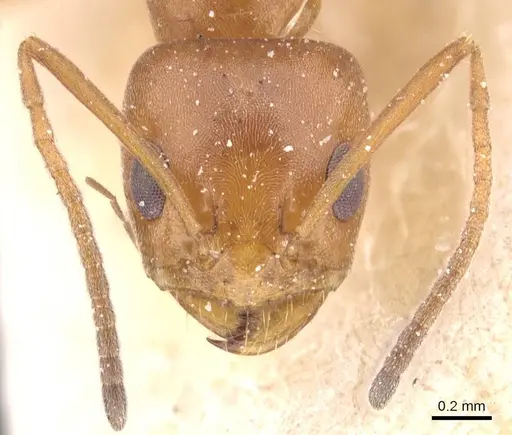
CASENT0909723
View on AntWeb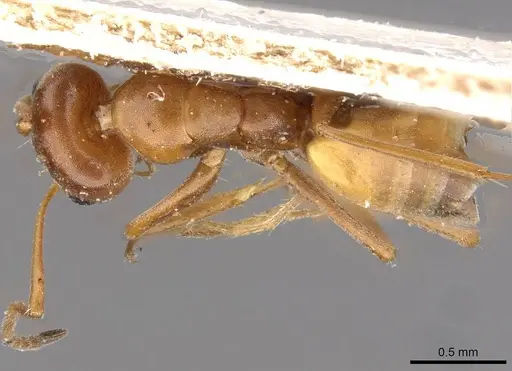
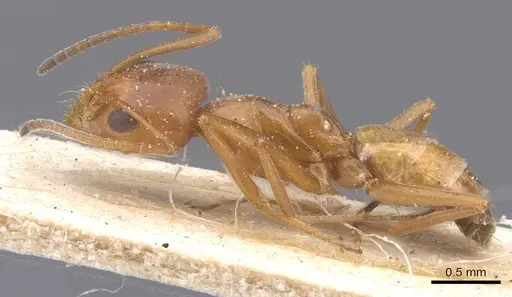
CASENT0911555
View on AntWeb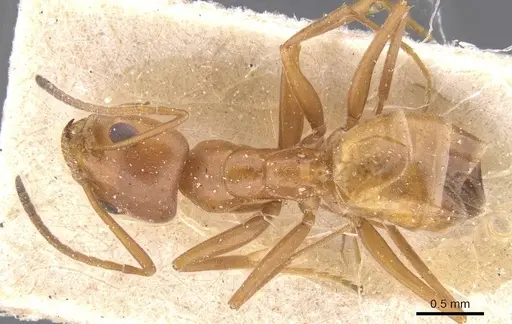
Literature
Loading...Loading products...