

Forelius rubriceps
- Scientific Name
- Forelius rubriceps
- Tribe
- Leptomyrmecini
- Subfamily
- Dolichoderinae
- Author
- Gallardo, 1916
- Distribution
- Found in 1 countries
Forelius rubriceps Overview
Forelius rubriceps is an ant species of the genus Forelius. It is primarily documented in 1 countries , including Argentina. Detailed taxonomic data and occurrence records can be further explored via authoritative databases such as AntWeb or the Global Biodiversity Information Facility (GBIF).
Forelius rubriceps
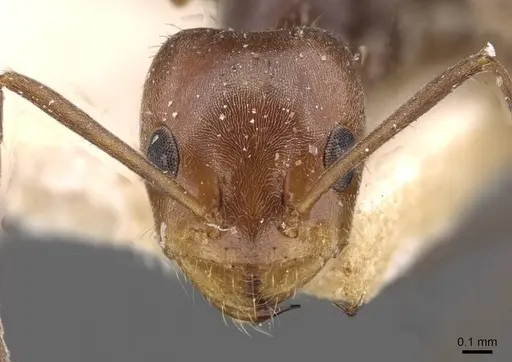
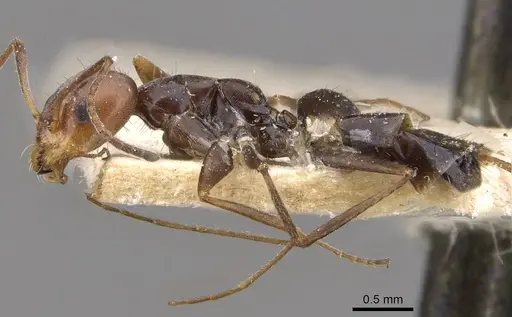
Forelius rubriceps is a small Dolichoderinae ant species native to Argentina, first described by Gallardo in 1916 [1]. Workers are small ants with the characteristic reddish head that gives the species its name ('rubriceps' means red-headed). The genus Forelius belongs to the tribe Leptomyrmecini and is part of the Dolichoderinae subfamily, which includes more familiar ants like the Argentine ant. These ants are found in the Neotropical region, specifically recorded from Argentina's Caldenal district and other central Argentine locations [2][3]. As a Dolichoderinae species, they likely have the typical colony structure of this group, though specific details for this species remain unconfirmed.
Quick Summary
- Difficulty: Unknown, species has minimal documentation
- Origin & Habitat: Native to central Argentina, specifically the Caldenal district and surrounding areas. Found in arid to semi-arid forest habitats typical of the region [2][3][1].
- Colony Type: Unconfirmed. Based on genus-level patterns for Forelius, likely forms moderate-sized colonies. Dolichoderinae typically have single-queen (monogyne) colonies, though this specific species has not been studied.
- Size & Growth:
- Queen: Unknown, no specific measurements available for this species. Related Forelius species typically have queens around 5-7mm.
- Worker: Unknown, no specific measurements available. Based on genus patterns, workers are likely 2-4mm.
- Colony: Unknown, no colony size data available for this species.
- Growth: Unknown, no development data exists for this species.
- Development: Unconfirmed, no direct observations. Based on typical Dolichoderinae development patterns, estimate 6-10 weeks at warm temperatures (24-28°C), but this is a rough guess. (Development timeline is unconfirmed for this species. Related Dolichoderinae species in similar habitats typically develop in 6-10 weeks under optimal conditions.)
- Antkeeping:
- Temperature: Based on Argentine habitat: aim for 22-28°C, with a warm zone around 26°C. They are adapted to temperate-warm conditions in central Argentina. A heating cable on one side of the nest can provide a gradient.
- Humidity: Based on arid Caldenal habitat: keep substrate moderately dry to slightly moist. Allow portions of the nest to dry out between waterings. Avoid overly damp conditions.
- Diapause: Likely required, Argentine ants in temperate regions typically need a winter rest period. Expect 2-3 months at 10-15°C during Southern Hemisphere winter (roughly May-August in the Southern Hemisphere, or adjust to match your local winter).
- Nesting: In nature, they nest in soil under stones in arid forest clearings. In captivity, standard test tubes work well for founding colonies. For established colonies, a Y-tong or plaster nest with some dry areas works. They likely prefer tight, enclosed chambers.
- Behavior: Behavior is unconfirmed for this specific species. Based on genus patterns, they are likely moderate foragers with typical Dolichoderine non-aggressive temperament. Escape risk is moderate, their small size means use standard barriers but they are not extreme escape artists like some tiny Myrmicinae. No sting is reported for this genus.
- Common Issues: this species has minimal documentation, care recommendations are largely inferred from genus and habitat, no specific colony size data exists, growth expectations are uncertain, hibernation requirements are inferred, not confirmed, founding behavior (claustral vs semi-claustral) is unconfirmed for this species, no documented diet preferences, start with sugar water and small protein sources
Nest Preferences
In their natural habitat in central Argentina, Forelius rubriceps nests in soil under stones in the Caldenal district, an arid to semi-arid forest region [2]. The nesting microhabitat appears to be under surface cover rather than deep underground. For captive care, standard test tube setups work well for founding colonies. For established colonies, a Y-tong or plaster nest provides the enclosed chambers these ants prefer. Based on their likely preference for drier conditions, ensure the nest has areas that can dry out between waterings. Avoid overly humid or waterlogged substrates.
Feeding and Diet
Diet preferences are not documented for this specific species. As a Dolichoderinae ant, they likely have the typical diet of this subfamily: honeydew from aphids and scale insects, plus small insects for protein. In captivity, offer sugar water or honey water as a constant energy source. For protein, offer small prey items like fruit flies, pinhead crickets, or mealworm pieces. Start with modest offerings and observe acceptance. Remove uneaten protein within 24-48 hours to prevent mold. Given the lack of species-specific data, be prepared to experiment with different food types.
Temperature and Seasonal Care
Forelius rubriceps comes from central Argentina, a region with distinct seasons and moderate temperature ranges. Aim for a warm season temperature of 22-28°C, with a preferred zone around 24-26°C. A heating cable on one side of the nest creates a gradient allowing the ants to self-regulate. For winter, provide a diapause period of 2-3 months at 10-15°C. Since Argentina's seasons are opposite to the Northern Hemisphere, adjust timing to match your local winter if keeping in the Northern Hemisphere. During diapause, reduce food offerings and keep the colony in a cool, dark location.
Behavior and Colony Dynamics
Specific behavioral observations for Forelius rubriceps are not documented in scientific literature. Based on genus-level patterns for other Forelius species, they likely exhibit typical Dolichoderinae behaviors: moderate foraging activity, non-aggressive colony defense, and standard worker-queen social structure. Workers are likely polymorphic (varying in size). The escape risk appears moderate, their small size requires standard barriers like Fluon, but they are not known extreme escape artists. Monitor colony growth and adjust care as you learn more about this species' specific needs.
Frequently Asked Questions
How long does it take for Forelius rubriceps to produce first workers?
The egg-to-worker timeline is unconfirmed for this species. Based on typical Dolichoderinae development, expect 6-10 weeks at optimal warm temperatures (24-28°C). This is a rough estimate, actual timing may vary.
What do Forelius rubriceps ants eat?
Diet is not specifically documented. Based on genus patterns, offer sugar water or honey water as a constant energy source, plus small protein prey like fruit flies or small crickets. Remove uneaten food promptly.
Do Forelius rubriceps ants need hibernation?
Likely yes, they come from temperate Argentina with distinct seasons. Provide 2-3 months at 10-15°C during winter. Adjust timing to match your local winter.
Can I keep multiple Forelius rubriceps queens together?
Colony structure is unconfirmed for this species. Based on typical Dolichoderinae patterns, they likely form single-queen colonies. Do not combine unrelated foundress queens without documented evidence they can co-found.
What temperature is best for Forelius rubriceps?
Aim for 22-28°C with a preferred zone around 24-26°C. A temperature gradient allows self-regulation. A heating cable on part of the nest can provide warmth.
Are Forelius rubriceps good for beginners?
Difficulty level is unknown due to minimal documentation. This species is not recommended as a first ant, there is insufficient care information available. Consider starting with better-documented species like Lasius or Camponotus.
How big do Forelius rubriceps colonies get?
Colony size is unconfirmed. Based on genus patterns, expect moderate colonies of several hundred workers. No specific maximum is documented.
When should I move Forelius rubriceps to a formicarium?
Move from test tube to a proper nest when the colony reaches roughly 30-50 workers and the test tube shows signs of crowding or mold. Ensure the new nest matches their preference for drier conditions.
Why is my Forelius rubriceps colony declining?
Without species-specific data, common causes include: incorrect humidity (too wet), temperature stress, poor nutrition, or disease. Review basic ant husbandry and adjust gradually. Consider that this poorly-documented species may have needs not yet understood.
References

This caresheet is licensed under CC BY-SA 4.0 .
CASENT0909715
View on AntWeb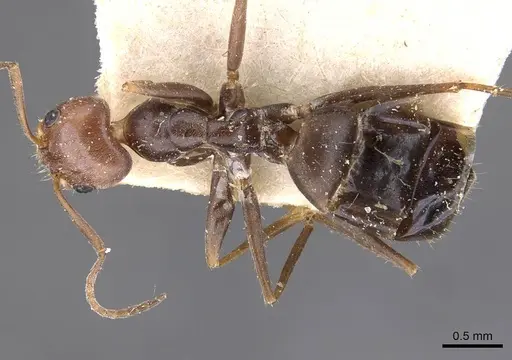
Literature
Loading...Loading products...