

Forelius nigriventris
- Scientific Name
- Forelius nigriventris
- Tribe
- Leptomyrmecini
- Subfamily
- Dolichoderinae
- Author
- Forel, 1912
- Distribution
- Found in 3 countries
Forelius nigriventris Overview
Forelius nigriventris is an ant species of the genus Forelius. It is primarily documented in 3 countries , including Argentina, Bolivia, Plurinational State of. Detailed taxonomic data and occurrence records can be further explored via authoritative databases such as AntWeb or the Global Biodiversity Information Facility (GBIF).
Forelius nigriventris
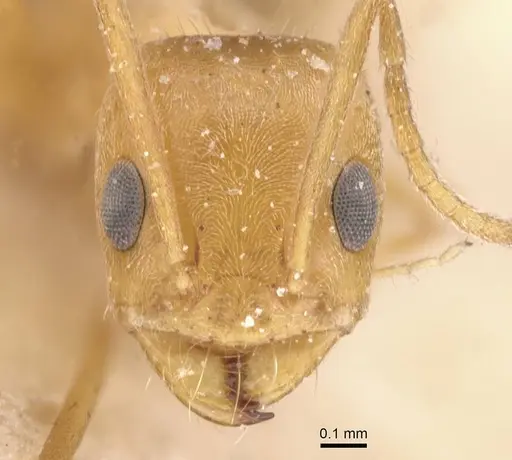
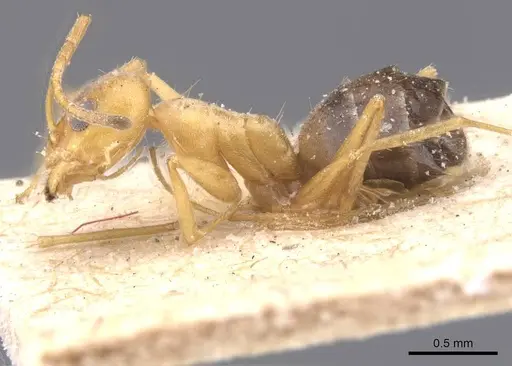
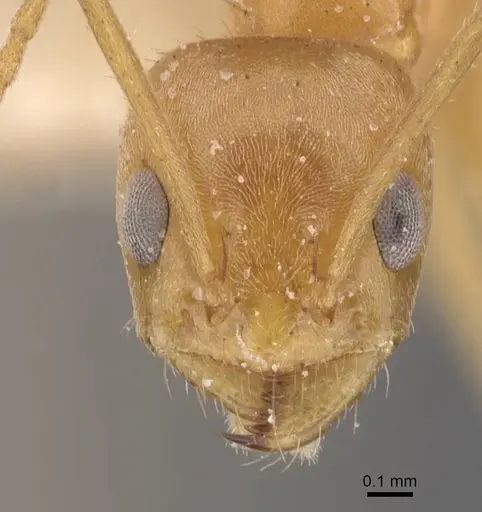
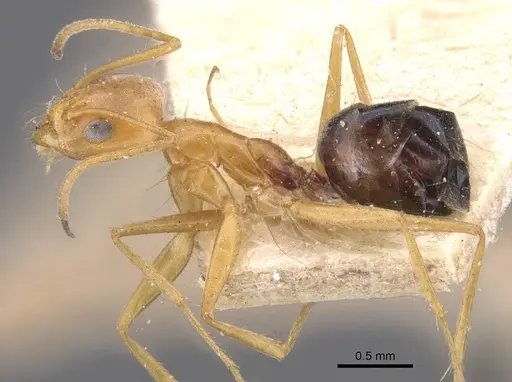
Forelius nigriventris is a small dolichoderine ant native to the Neotropical region of South America, found in Argentina, Bolivia, and Paraguay. Workers measure 2.5-3.6mm and have the typical slender build of their genus, with a dark abdomen contrasting against a lighter mesosoma. This species is a confirmed thermophile, being one of the few ant species that remains active when soil surface temperatures exceed 38°C, conditions that cause most other ant species to retreat to cooler microhabitats. They are most abundant during the wet season and virtually absent during dry periods, indicating a strong dependence on moisture. A notable behavior is their role as seed predators, specifically targeting elaiosomes (fat-rich seed appendages) in a mass recruitment system where 4-32 workers respond to food discoveries.
Quick Summary
- Difficulty: Easy
- Origin & Habitat: Neotropical region, Argentina, Bolivia, and Paraguay. In the wild, they inhabit the Argentine Chaco and surrounding dry forest ecosystems, where they forage on the ground surface and are most active during the hot, wet summer months.
- Colony Type: Colony structure is unconfirmed. No published data on queen number or colony size in wild colonies.
- Size & Growth:
- Queen: Estimated 5-7mm based on genus patterns, not directly measured in literature
- Worker: 2.5-3.6mm [1]
- Colony: Unknown, no published colony size data
- Growth: Moderate, inferred from typical dolichoderine development
- Development: Estimated 6-10 weeks based on related Dolichoderinae species at optimal temperature (Development timeline is not directly studied for this species, estimate based on genus-level data for similar tropical ants)
- Antkeeping:
- Temperature: Very warm conditions required, keep nest area at 28-32°C, with access to areas reaching 35°C+ if possible. This species naturally tolerates extreme heat above 38°C [2][1].
- Humidity: Moderate to high humidity preferred. They are most active during wet seasons and nearly absent in dry periods [2]. Keep substrate consistently moist but not waterlogged.
- Diapause: Likely minimal or no true diapause, being a tropical/subtropical species from the Argentine Chaco, they probably remain active year-round with reduced activity in cooler months. Exact requirements unconfirmed.
- Nesting: Natural nesting habits are not well documented. Based on genus patterns and their ground-foraging behavior, they likely nest in soil or under stones in shaded locations. In captivity, a standard test tube setup or acrylic nest works well. Provide a moisture source and avoid excessive heat that could dry out the nest.
- Behavior: Forelius nigriventris is a ground-foraging ant with a confirmed predatory and seed-eating diet. They use mass recruitment, sending 4-32 workers to newly discovered food sources [1]. They are aggressive competitors at food baits, achieving a dominance index of nearly 65% when active [1]. Workers are fast-moving and will readily exploit protein-rich foods. Escape risk is moderate due to their small size, standard barrier methods like fluon on test tube rims should suffice. They are not known to sting and pose no danger to keepers.
- Common Issues: dry conditions cause colony decline, they are nearly absent in dry seasons in the wild [2], cold temperatures will reduce activity significantly, they are adapted to extreme heat [2], small colony size means slow population growth, patience required during founding, mass recruitment can lead to escape attempts when food is introduced, limited availability in the antkeeping hobby, this is not a commonly kept species
Temperature and Heating
This species is a confirmed extreme thermophile. In the wild, Forelius nigriventris remains active when soil surface temperatures exceed 38°C, conditions so hot that few other ant species can compete with them [2]. This makes them one of the most heat-tolerant ants in their ecosystem. For captive care, you should provide a temperature gradient with a warm zone reaching 32-35°C, and ensure the nest area stays consistently warm. A small heating cable or heat mat on one side of the formicarium can achieve this. Room temperature alone (around 20-24°C) may be too cool for optimal activity. Watch for increased worker activity and foraging when temperatures are elevated. However, avoid direct heat that could dry out test tube water reservoirs, place heating under or to the side of the nest rather than directly on it.
Feeding and Diet
Forelius nigriventris has a documented predatory and seed-eating diet. They are confirmed predators of elaiosomes, the fat-rich appendages on seeds that attract ants for seed dispersal [1]. They use mass recruitment, sending 4-32 workers to food discoveries. In captivity, offer protein sources such as small insects (fruit flies, pinhead crickets, mealworms), and they will likely accept seeds with elaiosomes if available. They also likely consume honeydew from aphids, so sugar water or honey water can be offered as a supplemental energy source. Feed protein 2-3 times per week, and keep a constant sugar water supply. Their dominance index of nearly 65% in the wild indicates they are aggressive foragers and will readily compete for food.
Seasonal Activity and Moisture
Field studies reveal a strong seasonal pattern in this species' activity. They are virtually absent from foraging sites during the dry season but become abundant during the wet season, constituting up to 41% of ants captured at some sites in wet periods [2]. This indicates they require consistent moisture to remain active. In captivity, maintain humid conditions in the outworld and nest area. The substrate or test tube water reservoir should never fully dry out. During what would be the dry season (roughly May-September in their native range), you might reduce feeding frequency slightly but should not allow the nest to dry out completely. This is not a species that tolerates dry conditions well.
Colony Establishment and Growth
Because this species is not commonly kept in the antkeeping hobby, established care protocols are limited. Queens have not been directly described in size but are estimated at 5-7mm based on genus patterns. The founding behavior is unconfirmed, likely claustral (queen seals herself in and raises first workers alone) based on typical Dolichoderinae patterns, but this has not been documented. Expect slow growth during the founding phase, as with most small ant species. Once established, colonies likely grow at a moderate rate. Workers are small (2.5-3.6mm) and nanitics will be even smaller. Be patient during the first few months as the colony establishes its first worker cohort. [1]
Frequently Asked Questions
How long does it take for Forelius nigriventris to produce first workers?
The exact development timeline is unconfirmed for this species. Based on related Dolichoderinae ants, expect approximately 6-10 weeks from egg to worker at optimal warm temperatures. The first workers (nanitics) will be smaller than mature workers.
What temperature do Forelius nigriventris ants need?
They need very warm conditions, this is a confirmed thermophile that remains active at temperatures exceeding 38°C in the wild. Keep the nest area at 28-32°C with a warm zone reaching 32-35°C. Standard room temperature is likely too cool for optimal activity.
What do Forelius nigriventris eat?
They are confirmed predators that eat small insects and are known seed predators, specifically targeting elaiosomes (fat-rich seed appendages). In captivity, offer small protein sources like fruit flies, pinhead crickets, or mealworms. They will also likely accept sugar water or honey as an energy source.
Are Forelius nigriventris good for beginners?
They are rated as easy difficulty due to their hardy nature and straightforward feeding requirements. However, they are not commonly available in the antkeeping hobby. Their heat requirements are higher than many beginner species, which may require additional equipment.
Do Forelius nigriventris need hibernation?
Likely no true hibernation is required. As a tropical/subtropical species from the Argentine Chaco, they probably remain active year-round with reduced activity in cooler months. Maintain warm conditions year-round.
How big do Forelius nigriventris colonies get?
The maximum colony size is unknown, no published data exists on wild colony sizes for this species. Based on their small worker size and the related genus Forelius, colonies likely reach several hundred workers at most.
Can I keep multiple Forelius nigriventris queens together?
The colony structure (single-queen vs multi-queen) has not been documented in scientific literature. Until more information is available, it is not recommended to combine unrelated foundress queens.
Why are my Forelius nigriventris not very active?
The most likely cause is temperatures being too cool. This species is adapted to extreme heat and will be sluggish below 26°C. Check that your heating setup is providing adequate warmth. Dry conditions can also reduce activity.
When are Forelius nigriventris most active?
They are most active during the hot, wet summer months in their native range. In captivity, they will be most active when temperatures are elevated (above 30°C) and humidity is maintained. They virtually disappear during dry periods in the wild.
References

This caresheet is licensed under CC BY-SA 4.0 .
CASENT0173738
View on AntWeb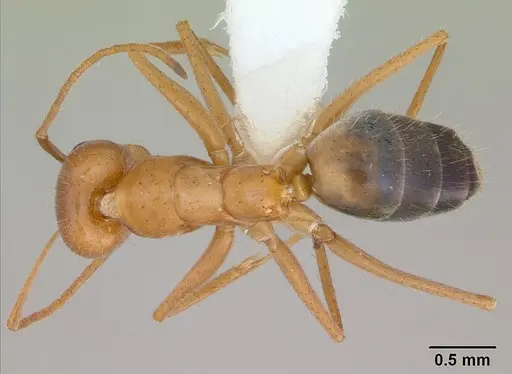
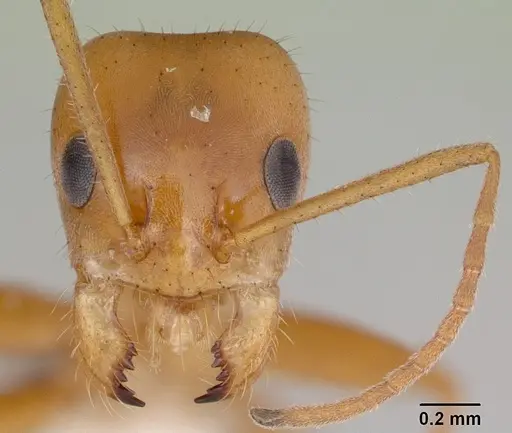
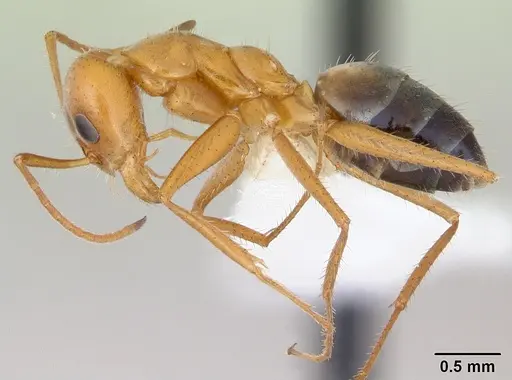
CASENT0249694
View on AntWeb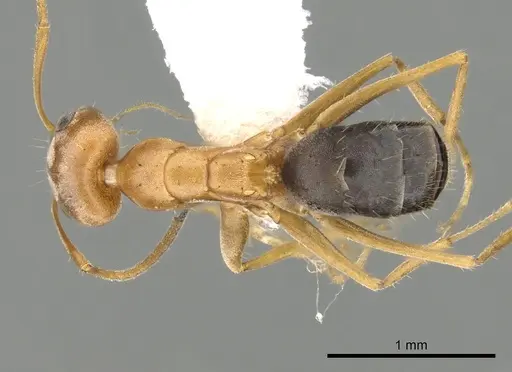
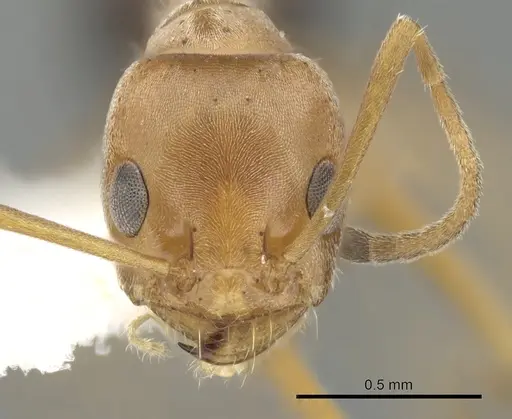
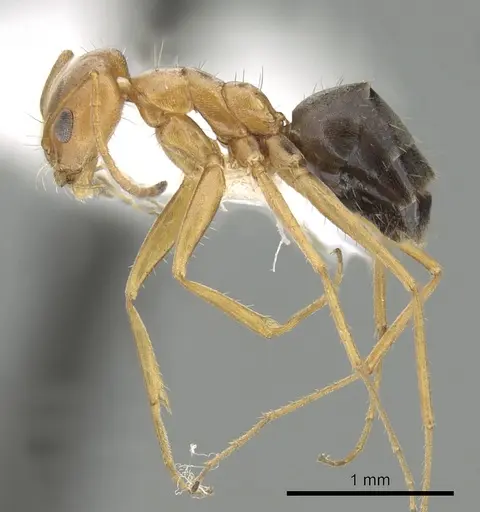
CASENT0841238
View on AntWeb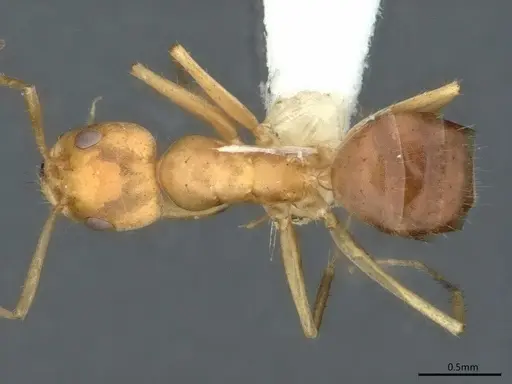
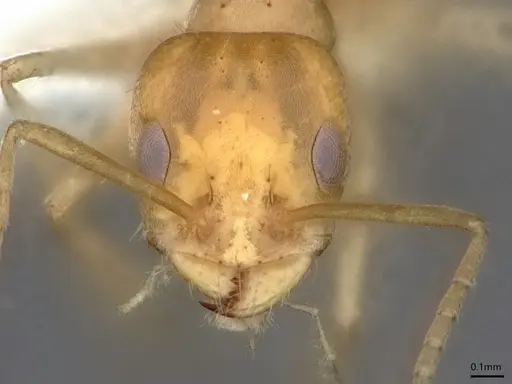
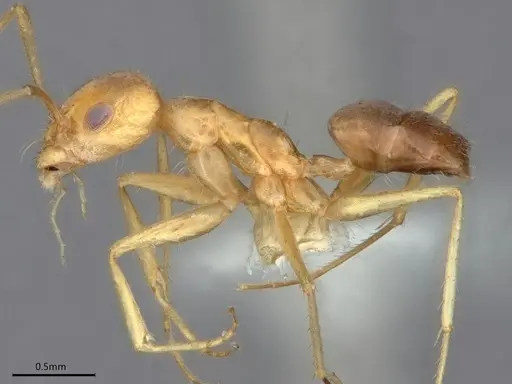
CASENT0909722
View on AntWeb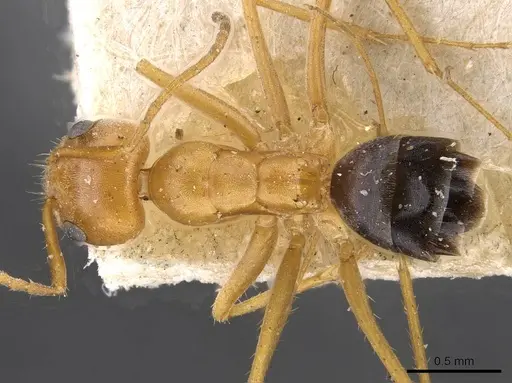
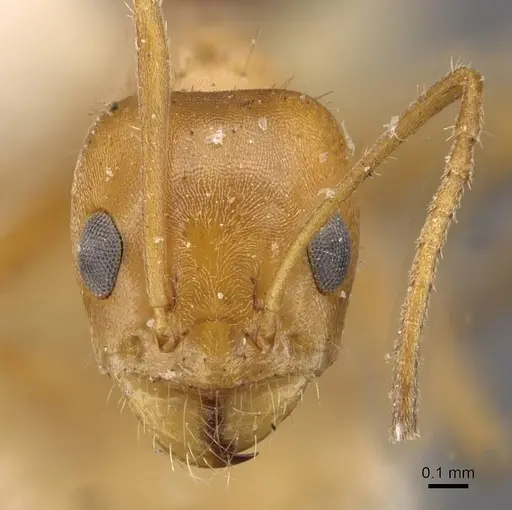
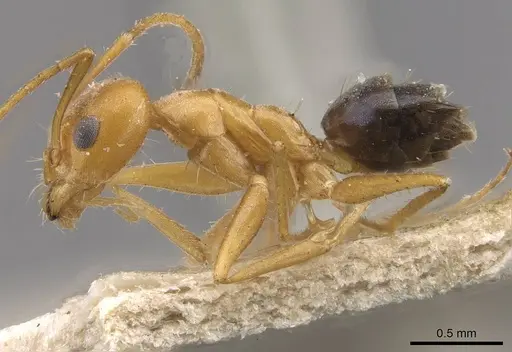
CASENT0911553
View on AntWeb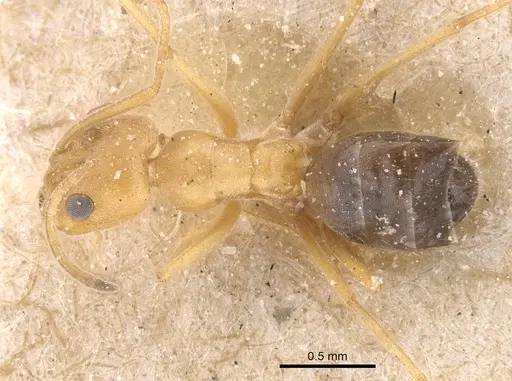
CASENT0911554
View on AntWeb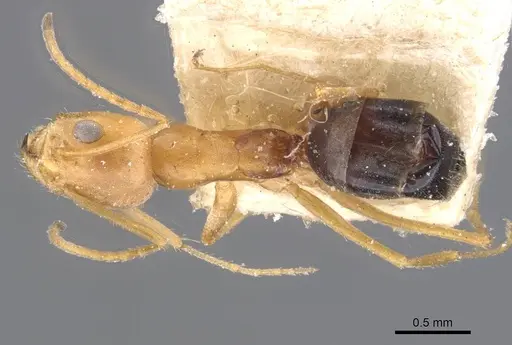
Literature
Loading...Loading products...