

Forelius damiani
- Scientific Name
- Forelius damiani
- Tribe
- Leptomyrmecini
- Subfamily
- Dolichoderinae
- Author
- Guerrero & Fernández, 2008
- Distribution
- Found in 7 countries
Forelius damiani Overview
Forelius damiani is an ant species of the genus Forelius. It is primarily documented in 7 countries , including Colombia, Costa Rica, Guatemala. Detailed taxonomic data and occurrence records can be further explored via authoritative databases such as AntWeb or the Global Biodiversity Information Facility (GBIF).
Forelius damiani
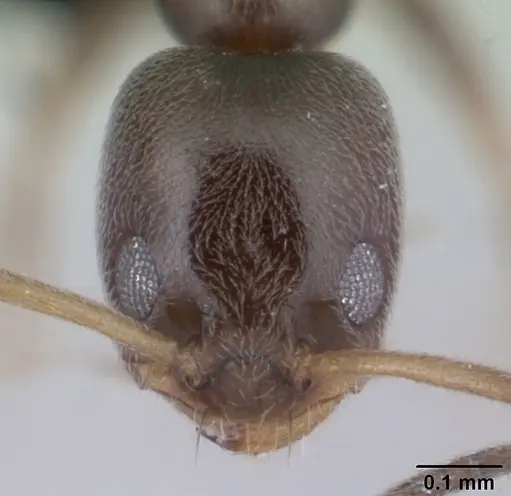
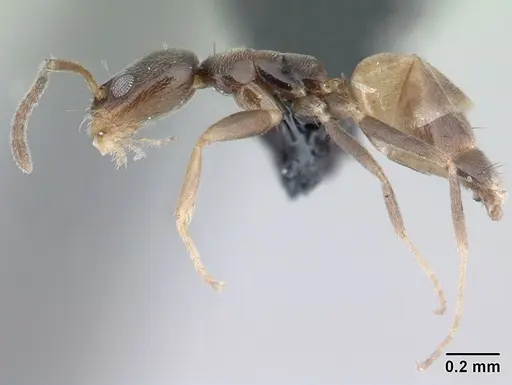
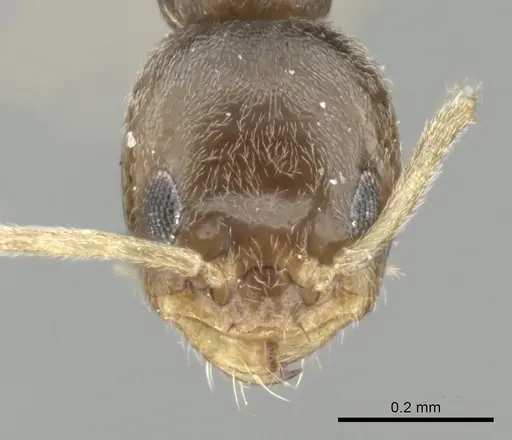
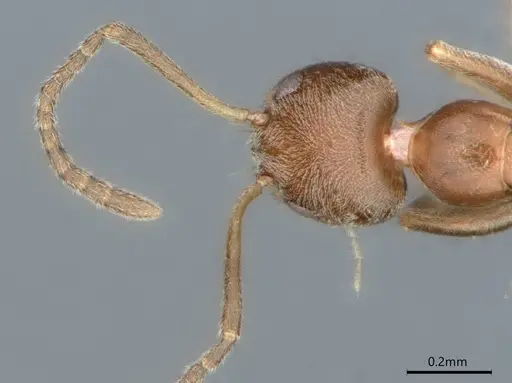
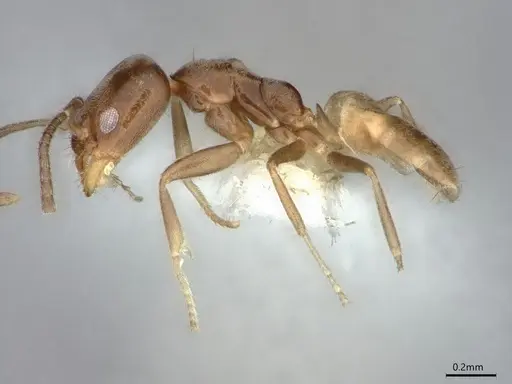
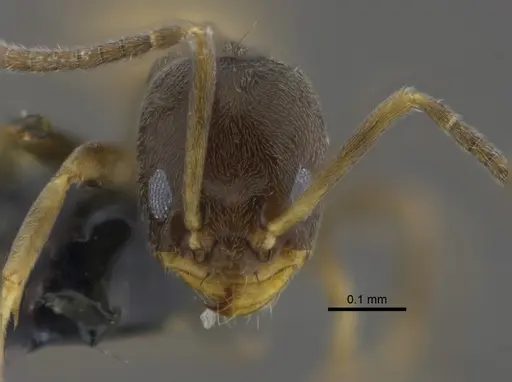
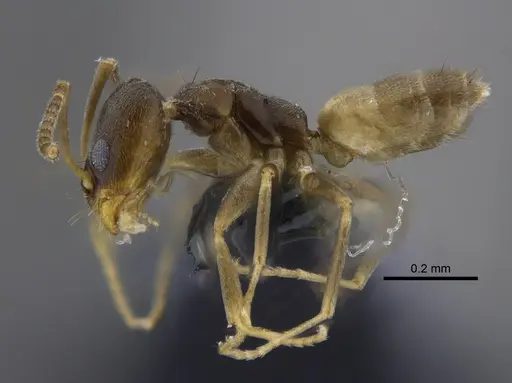
Forelius damiani is a tiny ant species native to the Americas, ranging from Colombia and Venezuela northward through Central America into the southern United States (Texas). Workers measure just 1.4-1.68 mm in total length, making them one of the smaller ant species you'll encounter. They have a distinctive appearance with a dark brown head and mesosoma contrasting against a lighter brown gaster, legs, and antennae. The species was formally described in 2008 from specimens collected in the dry forests of Colombia's Sierra Nevada de Santa Marta, named in honor of ant collector Damian Ramírez. These ants are ground-dwelling omnivores typically found in open, dry habitats with sparse vegetation like roadsides and pastures, where they forage in large numbers.
Quick Summary
- Difficulty: Easy
- Origin & Habitat: Native to the Americas, from Colombia and Venezuela through Central America to the southern United States (Texas). Found in lowland dry forests, scrub vegetation, and open areas with bare soil or sparse vegetation like roadsides and pastures, from sea level to 650m elevation [1][2].
- Colony Type: Colony structure is not well documented. Based on the related genus patterns and the fact that 150 workers were captured in a single pitfall trap, colonies likely contain over 100 workers [1]. The genus Forelius is not known to be polygynous (multi-queen), so single-queen colonies are probable.
- Colony: Monogyne
- Founding: Claustral
- Size & Growth:
- Queen: Not documented in primary literature, genus estimate would be approximately 4-5mm based on related Dolichoderinae
- Worker: 1.40-1.68 mm [1]
- Colony: Likely over 100 workers based on capture data [1]
- Growth: Unknown, likely moderate to fast for a small Dolichoderine
- Development: Estimated 6-8 weeks at warm temperatures based on typical Dolichoderine development patterns (Development time is not directly studied for this species. Estimates based on genus-level patterns for small tropical/subtropical ants.)
- Antkeeping:
- Temperature: Keep at 22-28°C. This species naturally occurs in warm tropical dry forests and can tolerate higher temperatures. A heating cable on one side of the nest creates a gradient they can choose from [1].
- Humidity: Low to moderate. These ants come from dry forest and scrub environments, keep the nest substrate moderately dry, similar to their natural dry forest habitat. Allow areas to dry out completely between waterings.
- Diapause: Unknown. Based on their tropical/subtropical origin from lowland dry forests, they likely do not require a true hibernation. However, they may slow down during cooler winter months if your room temperature drops.
- Nesting: These are ground-nesting ants that prefer dry conditions. A Y-tong (AAC) nest or plaster nest works well. They do well in naturalistic setups with dry substrate. Avoid overly humid conditions that can cause mold and kill the colony.
- Behavior: Forelius damiani is a ground-dwelling ant that forages in large numbers. They are not aggressive and lack a functional stinger, making them safe to handle. Workers are active foragers, searching for sweet liquids, small insects, and other protein sources. Their tiny size (under 2mm) means they can easily escape through small gaps, excellent escape prevention is essential. They are adapted to dry, open habitats and will do best in setups that mimic these conditions.
- Common Issues: escape prevention is critical, they are tiny (under 2mm) and can squeeze through the smallest gaps, overly humid conditions can kill colonies, they come from dry forests and need well-ventilated nests, small colony size at founding means patience is required, they start with very few workers, wild-caught colonies may have parasites that can devastate captive colonies, test tube setups must have proper escape barriers, cotton can compress and create escape routes
Housing and Nest Setup
Forelius damiani is a small ground-nesting ant that thrives in dry conditions. A Y-tong (AAC) nest or plaster formicarium works well for this species. The chambers should be appropriately scaled to their tiny size, these ants are only about 1.5mm long, so standard formicarium chambers are fine but ensure there are no large gaps in any barrier system. Because they come from dry tropical forests and scrub habitats, keep the nest relatively dry with good ventilation. A naturalistic setup with a dry soil substrate can also work well. Test tube setups are suitable for founding colonies, use a small water reservoir with a cotton barrier, but ensure the cotton is packed tightly as these tiny ants can work their way through loose cotton. Escape prevention is absolutely critical due to their minute size. [1]
Feeding and Diet
Like most Dolichoderine ants, Forelius damiani is an omnivore that accepts both sugar sources and protein. Offer sugar water, honey, or diluted maple syrup as a constant carbohydrate source. For protein, provide small insects like fruit flies, small mealworms, or other tiny arthropods. They are ground-dwelling omnivores in their natural habitat, foraging for sweet honeydew from aphids and small insects. Feed them every 2-3 days, removing any uneaten prey after 24 hours to prevent mold. A constant sugar source should be available between protein feedings. Their small size means even tiny prey items are appropriate, don't offer prey that is larger than their workers.
Temperature and Humidity
Keep Forelius damiani warm, ideally between 22-28°C. Their natural habitat in tropical dry forests of Colombia and Central America is warm year-round. A heating cable placed on one side of the nest creates a temperature gradient that allows the ants to regulate their own temperature by moving between warmer and cooler areas. Humidity should be low to moderate, these ants are adapted to dry conditions and can die in overly humid environments. Allow the nest substrate to dry out between waterings. Good ventilation is essential to prevent mold growth, which can quickly kill small colonies. Avoid placing the nest in damp areas of your home. [1]
Behavior and Colony Dynamics
Forelius damiani is a calm, non-aggressive ant species that forages in groups. Workers are active and will readily explore their outworld searching for food. They do not have a functional stinger, so they pose no sting threat to keepers. Colonies appear to grow to around 100+ workers based on field capture data, though the exact maximum colony size is unknown. The species is ground-dwelling and prefers open areas with bare soil or sparse vegetation, in captivity, they will readily use any outworld space provided. Their tiny size makes them excellent escape artists, so double-check all barrier connections and use fine mesh on any ventilation openings. Queens are likely claustral founders that seal themselves in a chamber and raise the first brood alone, living off stored fat reserves until nanitic workers emerge. [1]
Seasonal Care
Based on their tropical/subtropical origin in lowland dry forests, Forelius damiani likely does not require a true hibernation period. However, if your room temperature drops significantly during winter months, you may notice reduced activity. There is no documented diapause requirement for this species. Simply maintain their normal warm temperatures year-round (22-28°C) and they should remain active. If you do experience cooler winters, do not be alarmed if the colony is less active, this is a normal response to cooler temperatures and they will resume normal activity when warmed again. Do not attempt to force them into hibernation as this is not part of their natural behavior. [1]
Finding and Acquiring
Forelius damiani is not commonly kept in the ant hobby, which makes finding a colony somewhat challenging. The species ranges from Colombia northward through Costa Rica, Guatemala, Mexico, and into Texas, USA. In the United States, they have been found in Texas. They are typically collected in open areas like roadsides and pastures, in Costa Rica, they have been collected in grassy areas around buildings. If you are in their range and want to find them, look in dry, open areas with bare soil patches. They are ground-dwelling and likely nest in soil or under objects like stones in their natural habitat. Always check local regulations before collecting any ant species from the wild. [1][2]
Frequently Asked Questions
How long does it take for Forelius damiani to produce first workers?
The exact development time is not documented for this species. Based on typical Dolichoderine development patterns, expect approximately 6-8 weeks from egg to first worker at warm temperatures (around 25°C). Be patient during the founding phase, claustral queens seal themselves in and raise their first brood alone.
What size colony does Forelius damiani reach?
Based on field data showing 150 workers captured in a single pitfall trap, colonies likely reach 100-500 workers. The exact maximum is unknown, but they are not among the largest ant species.
What temperature do Forelius damiani need?
Keep them warm at 22-28°C. They naturally occur in tropical dry forests and can tolerate higher temperatures. A heating cable on part of the nest creates a gradient they can use to regulate their own temperature.
Are Forelius damiani good for beginners?
Yes, they are considered easy to keep due to their simple care requirements. They are not aggressive, don't sting, and have straightforward temperature and humidity needs. The main challenge is their tiny size requiring excellent escape prevention.
What do Forelius damiani eat?
They are omnivores. Offer sugar water, honey, or maple syrup as a constant carbohydrate source. For protein, provide small insects like fruit flies, small mealworms, or other tiny arthropods. Feed protein every 2-3 days and keep sugar available at all times.
Do Forelius damiani need hibernation?
No, they do not require hibernation. As tropical/subtropical ants from lowland dry forests, they are active year-round at warm temperatures. They may become less active if temperatures drop significantly, but this is not a true diapause.
Can I keep multiple Forelius damiani queens together?
This has not been documented. Based on typical Forelius genus patterns, they are likely monogyne (single queen). It is not recommended to combine unrelated foundress queens as this is not their natural colony structure.
When should I move Forelius damiani to a formicarium?
Keep them in a test tube setup for the founding phase. Once the colony reaches around 30-50 workers and you see they are active and healthy, you can move them to a proper formicarium. Make sure any new nest is appropriately sized for their tiny workers and maintains dry conditions.
Where is Forelius damiani found in the wild?
They range from Colombia and Venezuela northward through Costa Rica, Guatemala, and Mexico into the southern United States (Texas). They live in lowland dry forests and scrub vegetation, from sea level to 650m elevation. They prefer open areas with bare soil or sparse vegetation, commonly found along roadsides and in pastures.
Why is my Forelius damiani colony dying?
The most common causes are: overly humid conditions (they need dry nests), escape (they are tiny and will find any gap), and poor escape prevention. Also check that temperatures are warm enough (22-28°C). Wild-caught colonies may carry parasites that can kill them in captivity. Ensure good ventilation while maintaining dry conditions.
References

This caresheet is licensed under CC BY-SA 4.0 .
CASENT0178238
View on AntWeb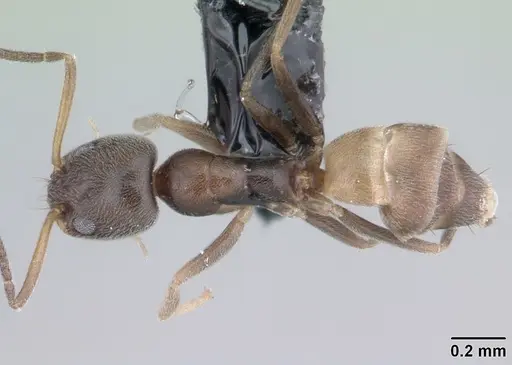
CASENT0249698
View on AntWeb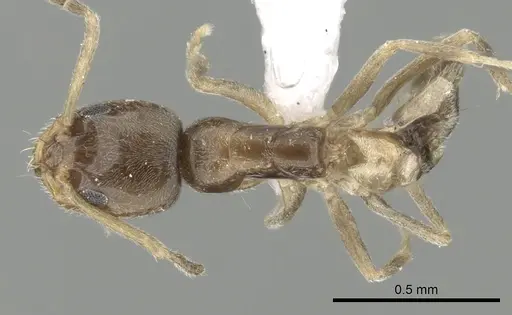
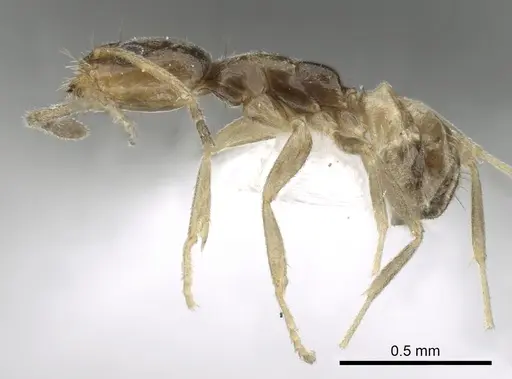
CASENT0841241
View on AntWeb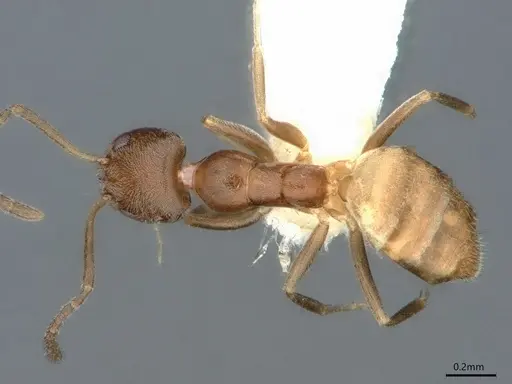
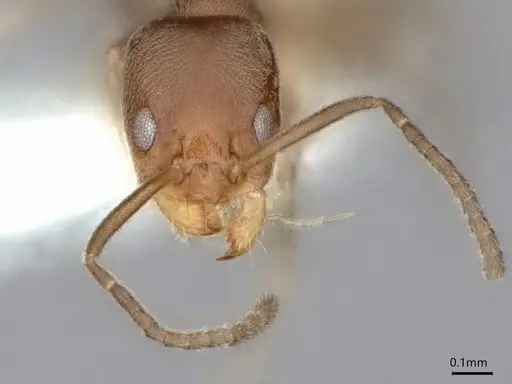
CBUMAGENT41880
View on AntWeb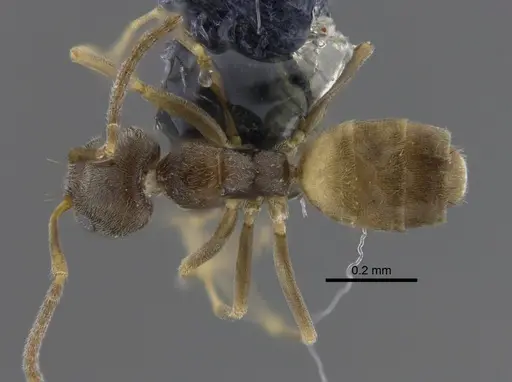
Literature
Loading...Loading products...