

Forelius breviscapus
- Scientific Name
- Forelius breviscapus
- Tribe
- Leptomyrmecini
- Subfamily
- Dolichoderinae
- Author
- Forel, 1914
- Distribution
- Found in 1 countries
Forelius breviscapus Overview
Forelius breviscapus is an ant species of the genus Forelius. It is primarily documented in 1 countries , including Argentina. Detailed taxonomic data and occurrence records can be further explored via authoritative databases such as AntWeb or the Global Biodiversity Information Facility (GBIF).
Forelius breviscapus
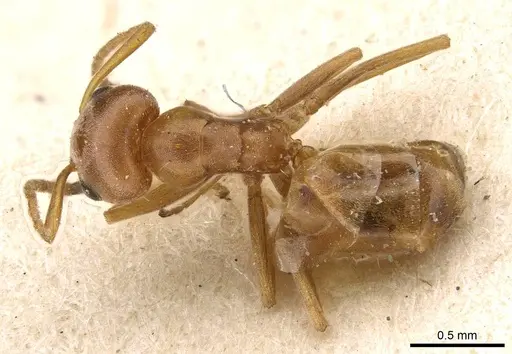
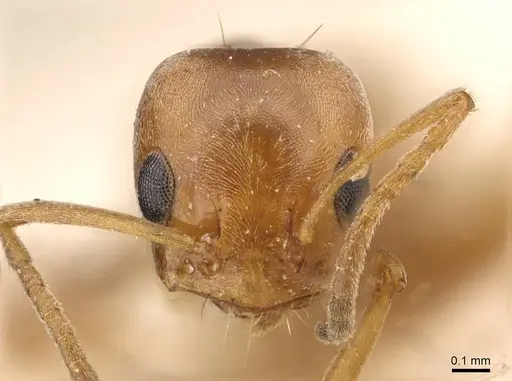
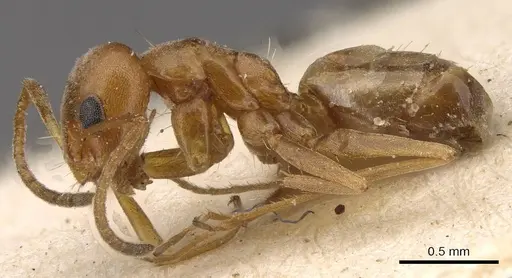
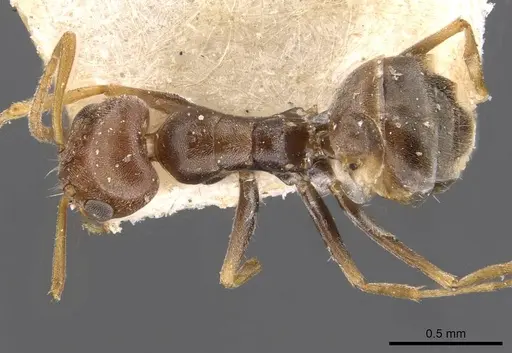
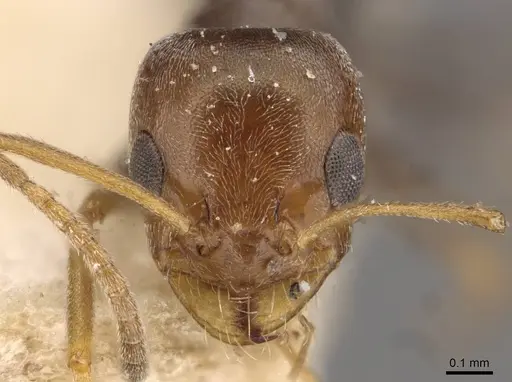
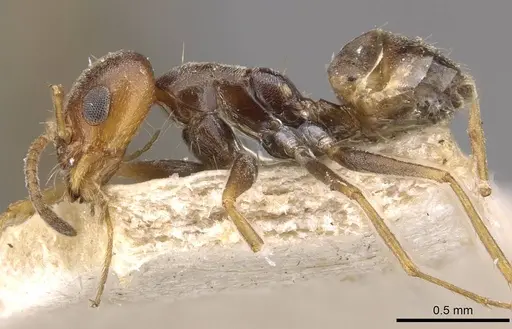
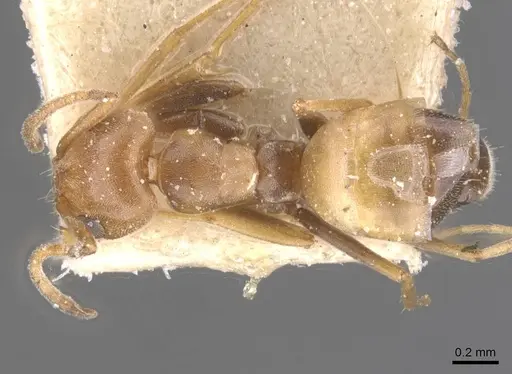
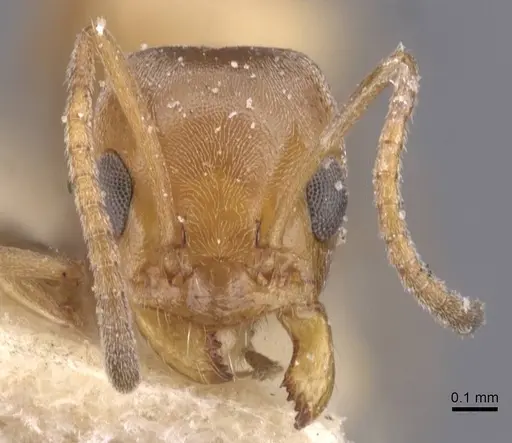
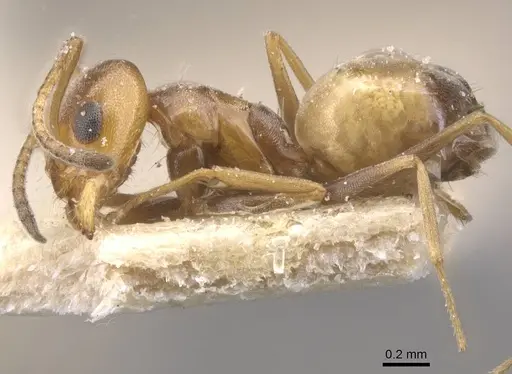
Forelius breviscapus is a small Dolichoderinae ant native to Argentina. Workers are typically dark brown to black, measuring around 2-3mm. This species belongs to the genus Forelius, which are known for being aggressive, dominant ants that thrive in hot climates. They are assigned to the functional group Dominant Dolichoderinae/Hot Climate Specialists (DD/HCS), indicating they are highly competitive in warm, open habitats [1]. The species has been recorded across multiple Argentine provinces including Santa Fe, Entre Ríos, Corrientes, and La Pampa [1][2]. These ants are fast-moving foragers that establish colonies in soil or under stones in warm, often干燥地区.
Quick Summary
- Difficulty: Easy
- Origin & Habitat: Argentina, found in the Neotropical region, specifically recorded in Santa Fe, Entre Ríos, Corrientes, and La Pampa provinces. They inhabit the Caldenal district and Mesopotamian region of Argentina, typically in warm, open areas with dry to moderately humid conditions [1][3][2].
- Colony Type: Likely polygynous (multi-queen) based on genus patterns, Forelius species typically form colonies with multiple queens. The Hot Climate Specialists group often exhibits polygynous colony structures.
- Colony: Polygyne
- Founding: Claustral
- Size & Growth:
- Queen: Estimated 4-5mm based on genus Forelius patterns
- Worker: Estimated 2-3mm based on genus patterns
- Colony: Likely moderate, several hundred workers based on typical Forelius colony sizes
- Growth: Moderate to fast, warm-climate species typically develop quickly
- Development: Estimated 6-8 weeks at optimal warm temperatures based on related Dolichoderinae species (Development likely faster due to hot climate specialization, expect relatively quick colony growth in warm conditions)
- Antkeeping:
- Temperature: Warm conditions preferred, aim for 24-30°C. Being a Hot Climate Specialist, they thrive in temperatures that might kill temperate species. Provide a temperature gradient allowing workers to choose their preferred warmth [1].
- Humidity: Low to moderate, these are hot climate specialists adapted to drier conditions. Keep nest substrate moderately moist but allow drying periods. Avoid constant saturation.
- Diapause: Likely minimal or no true diapause, being from subtropical Argentina, they may slow down in cooler months but probably don't require extended hibernation like temperate species.
- Nesting: Natural nesting: soil nests and under stones in warm, open areas. In captivity, a Y-tong (AAC) nest, plaster nest, or naturalistic setup with dry to moderately moist substrate works well. They prefer compact chambers over large open spaces.
- Behavior: Forelius breviscapus is a Dominant Dolichoderinae species, meaning they are aggressive and competitive. Workers are fast-moving and active foragers. They likely defend their nest vigorously and may outcompete other ant species. Escape risk is moderate due to their small size, use standard barrier precautions. They likely forage individually rather than in large raiding parties.
- Common Issues: escape prevention, small size means they can slip through small gaps, overheating risk, while they like warmth, direct heat sources can dry out the nest too quickly, colonies may be aggressive toward other ant species if housed nearby, wild-caught colonies may have parasites that affect survival in captivity, moderate growth rate means patience is needed during founding phase
Housing and Nest Setup
Forelius breviscapus can be housed in various setups that maintain warm, moderately dry conditions. A Y-tong (AAC) nest works well, these provide the dark, compact chambers that Forelius species prefer. Plaster nests are also suitable, as they allow you to control humidity levels while maintaining stable temperatures. For the founding colony, a standard test tube setup with a water reservoir works during the initial claustral phase. Once workers emerge, you can transition to a formicarium. Because they are small ants, ensure all connections between the outworld and nest are secure, these ants can squeeze through surprisingly small gaps. Provide a shallow water source in the outworld and offer a heat source on one side of the nest to create a temperature gradient. [1][2]
Feeding and Diet
Like most Dolichoderinae ants, Forelius breviscapus is omnivorous with a preference for sugary liquids. Offer sugar water, honey, or diluted maple syrup as a constant energy source. For protein, provide small insects such as fruit flies, small crickets, or mealworms. Being a dominant species in hot climates, they are likely aggressive foragers that will exploit various food sources. Feed protein 2-3 times per week, and keep sugar water available at all times. Remove uneaten prey after 24-48 hours to prevent mold. In the wild, they likely tend aphids or collect honeydew from planthoppers, so sugar sources are particularly important for colony energy. [1]
Temperature and Seasonal Care
Being assigned to the Hot Climate Specialists (DD/HCS) functional group, Forelius breviscapus clearly prefers warm conditions [1]. Maintain nest temperatures between 24-30°C for optimal brood development. A heating cable or heating mat on one side of the nest creates the gradient they need to regulate their body temperature. These ants are from subtropical Argentina, so they likely don't require a true winter diapause. In cooler months (winter), you can reduce temperatures slightly to around 18-22°C to slow activity, but don't cool them dramatically like you would temperate species. The key is avoiding cold stress, temperatures below 15°C for extended periods are likely harmful.
Behavior and Colony Dynamics
Forelius breviscapus belongs to a functional group known for being aggressive and dominant in their ecosystem [1]. Workers are small but fast-moving and will vigorously defend their nest. If you keep multiple colonies or other ant species, ensure they cannot access each other, Forelius species are competitive and may attack weaker colonies. Colonies are likely polygynous (multi-queen), which means they can support larger colony sizes than single-queen species. The colony will likely grow to several hundred workers over time. Workers forage individually rather than in groups, searching for sugar sources and small prey. Their small size (around 2-3mm) makes them capable of escaping through tiny gaps, so use fluon or other barriers on the outworld rim.
Frequently Asked Questions
How long does it take for Forelius breviscapus to produce first workers?
Based on related Dolichoderinae species, expect first workers (nanitics) around 6-8 weeks after the queen lays eggs, assuming warm temperatures (around 26-28°C). Cooler temperatures will slow development significantly.
What temperature should I keep Forelius breviscapus at?
Keep them warm, aim for 24-30°C in the nest area. Being Hot Climate Specialists, they thrive in temperatures that would be too warm for many temperate ant species. A slight temperature gradient allows workers to choose their preferred warmth.
Can I keep multiple queens together in one colony?
Forelius species are typically polygynous (multi-queen), so multiple queens can likely coexist in a single colony. However, introducing unrelated queens to an established colony may result in aggression. If you want to start a colony with multiple foundresses, introduce them together at the founding stage.
How big do Forelius breviscapus colonies get?
Based on typical Forelius species, colonies likely reach several hundred workers. Being a dominant species in hot climates, they can support moderately large colonies.
Do Forelius breviscapus need hibernation?
Probably not, being from subtropical Argentina, they don't require a true winter diapause. You may reduce temperatures slightly in winter months (to around 18-22°C) to slow activity, but avoid cold temperatures below 15°C.
What should I feed Forelius breviscapus?
Offer sugar water, honey, or maple syrup as a constant energy source. For protein, provide small insects like fruit flies, small crickets, or mealworms 2-3 times per week. Remove uneaten food promptly to prevent mold.
Are Forelius breviscapus good for beginners?
Yes, they are considered easy to keep due to their tolerance of varying conditions, relatively fast growth, and straightforward feeding requirements. Their warmth requirements are straightforward (just keep them warm), and they are not picky eaters.
When should I move Forelius breviscapus from a test tube to a formicarium?
Move them once the colony reaches around 20-30 workers and the test tube is becoming crowded. Make sure the formicarium has appropriate humidity and temperature conditions before transferring.
Why are my Forelius breviscapus dying?
Common causes include: temperatures too cold (below 20°C), excessive humidity causing mold, escape through small gaps, or stress from disturbance during the founding phase. Check that temperatures are in the warm range (24-30°C) and that the nest isn't too wet.
References

This caresheet is licensed under CC BY-SA 4.0 .
Literature
Loading...Loading products...