

Eurhopalothrix zipacna
- Scientific Name
- Eurhopalothrix zipacna
- Tribe
- Attini
- Subfamily
- Myrmicinae
- Author
- Longino, 2013
- Distribution
- Found in 3 countries
Eurhopalothrix zipacna Overview
Eurhopalothrix zipacna is an ant species of the genus Eurhopalothrix. It is primarily documented in 3 countries , including Guatemala, Honduras, Mexico. Detailed taxonomic data and occurrence records can be further explored via authoritative databases such as AntWeb or the Global Biodiversity Information Facility (GBIF).
Eurhopalothrix zipacna
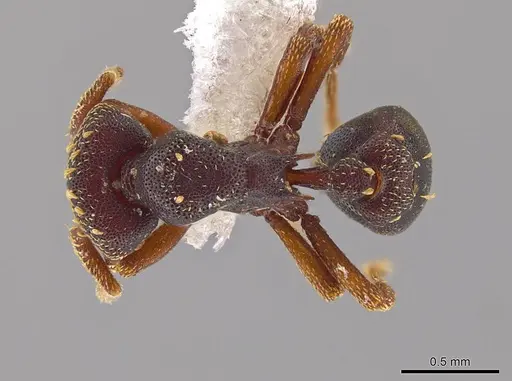
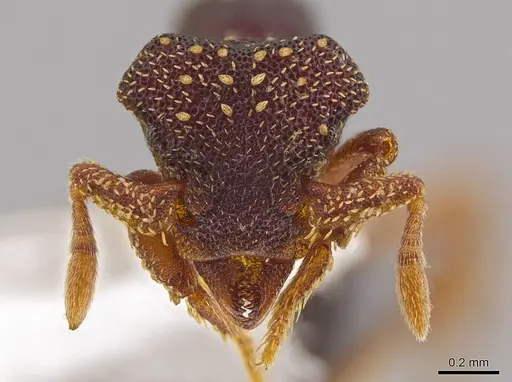
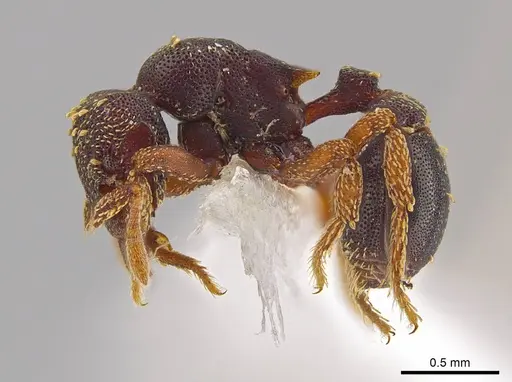
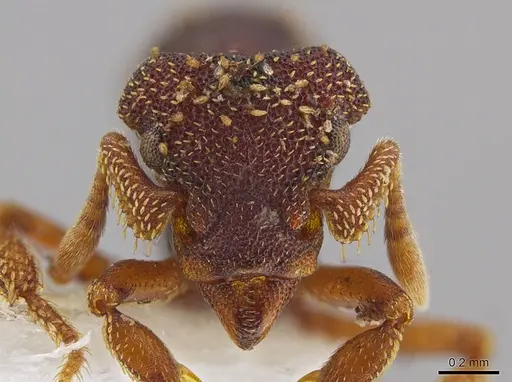
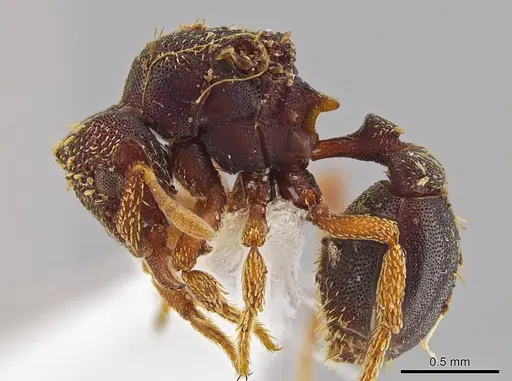
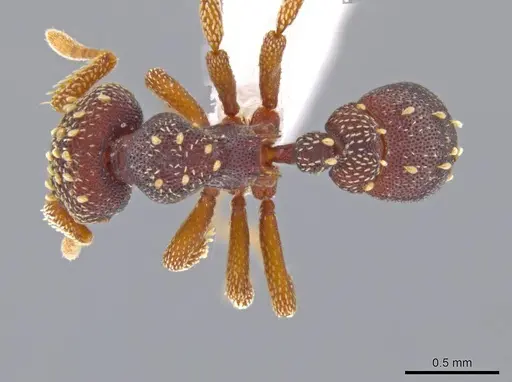
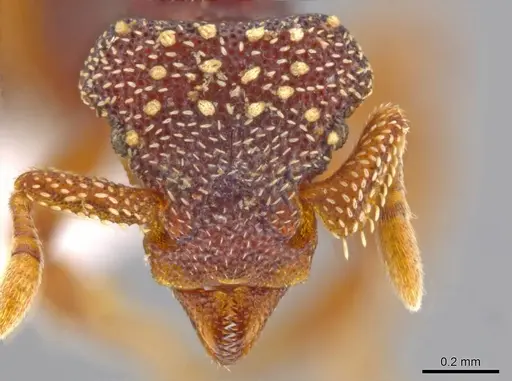
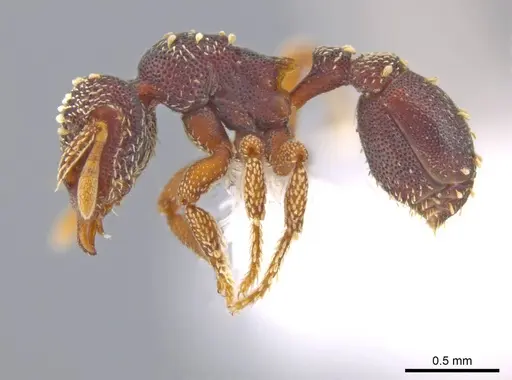
Eurhopalothrix zipacna is an extremely small ant species from the cloud forests of Guatemala and Honduras. Workers measure just 0.78-0.85mm, making them among the tiniest ants you can keep [1]. They have a distinctive appearance with 18 specialized spatulate (spoon-shaped) setae on their face and 3 pairs on their promesonotum, plus a dark brown coloration [1]. The genus Eurhopalothrix is characterized by 7-segmented antennae and triangular mandibles [2]. These ants are predators that hunt in tropical leaf litter using stealth or sit-and-wait techniques [2]. A fascinating trait: specimens are often coated with a thin layer of clay, especially on the face, which provides camouflage, the specialized setae help hold this clay layer in place [2].
Quick Summary
- Difficulty: Expert
- Origin & Habitat: Guatemala and Honduras, mature mesophyll cloud forest at 1290-1430m elevation [1][2]. In the wild, they live in sifted leaf litter and rotten wood from the forest floor [1].
- Colony Type: Colony structure is unconfirmed. Only known from a handful of specimens in the wild [1].
- Size & Growth:
- Queen: 0.86mm (single queen measured) [1]
- Worker: 0.78-0.85mm [1]
- Colony: Unknown, workers are rare in quantitative samples (3-7% of samples), suggesting small colonies [1]
- Growth: Unknown, estimated Slow based on tiny size and typical Attini patterns
- Development: Estimated 6-10 weeks based on related Attini leaf litter ants, no direct data available (Development time is unconfirmed for this species. Small ant species typically develop faster than larger ones, but the cool cloud forest habitat may slow development.)
- Antkeeping:
- Temperature: Keep around 20-24°C. This species comes from cool cloud forests at high elevation (1290-1430m), so avoid overheating. Room temperature or a slight gradient is appropriate.
- Humidity: High humidity required, think damp cloud forest floor. Keep the nest substrate consistently moist but not waterlogged. Provide a water tube for drinking access.
- Diapause: Unknown, cloud forest species may not have a strong diapause requirement, but a slight cool period during winter months may be beneficial.
- Nesting: Naturalistic setup with moist soil/leaf litter works best. These ants live in forest floor litter and would thrive in a terrarium-style setup with sifted soil, rotting wood pieces, and leaf litter. A Y-tong or plaster nest with small chambers can work if kept very humid.
- Behavior: Very shy and non-aggressive. Workers forage singly using sit-and-wait predation, they don't chase prey but wait for it to come close [2]. Escape risk is extremely high due to their tiny size, they can squeeze through the smallest gaps. Use fine mesh barriers and excellent seal on any openings. They are not defensive and unlikely to sting.
- Common Issues: escape prevention is critical, they are tiny and will find any gap, wild-caught colonies are extremely rare and difficult to obtain, slow growth means colonies take a long time to establish, high humidity requirements can lead to mold problems if not managed, predatory diet means you need a constant supply of live micro-prey
Housing and Nest Setup
Eurhopalothrix zipacna requires a naturalistic setup to thrive. In the wild, they live in sifted leaf litter and rotting wood on the forest floor [1]. A small terrarium or naturalistic formicarium works best, fill it with moist sifted soil, small pieces of rotting wood, and leaf litter. Keep the substrate consistently damp but not waterlogged. Because they are so tiny, any nest chambers must be very small. A Y-tong nest with the smallest available chambers can work if you maintain high humidity, but a naturalistic setup more closely matches their natural environment. Always provide a water tube, these small ants need easy access to drinking water.
Feeding and Diet
Eurhopalothrix zipacna is a predator that uses stealth or sit-and-wait techniques in tropical leaf litter [2]. In captivity, you must feed live micro-prey. Ideal foods include springtails, tiny soil mites, small fruit flies, and other micro-arthropods that are small enough for these tiny ants to tackle. They are unlikely to accept sugar water or honey, their hunting behavior suggests they are obligate predators. Feed small prey items every few days, removing any uneaten prey to prevent mold. The key is offering prey that matches their tiny size, even a fruit fly may be too large for them to handle.
Temperature and Humidity
This species comes from cool cloud forests at 1290-1430m elevation in Guatemala and Honduras [1]. Keep temperatures in the range of 20-24°C, avoid overheating as they are adapted to cooler conditions. High humidity is essential. The forest floor in cloud forests is constantly damp, so your setup should mimic this. Mist regularly and keep the substrate moist. However, ensure some ventilation to prevent stagnant air, which leads to mold. A water tube should always be available for drinking. These ants are not tolerant of dry conditions.
Behavior and Temperament
These ants are extremely shy and non-aggressive. Workers forage singly through leaf litter using sit-and-wait predation, they don't actively chase prey but wait for it to come within striking range [2]. This reflects their cryptic lifestyle. They are not defensive and unlikely to sting humans. The most important behavioral note: their tiny size makes them exceptional escape artists. Even the smallest gaps in your setup will allow them to escape. Use fine mesh (at least 0.5mm or finer), ensure all lids fit tightly, and consider using fluon on any surfaces they might climb. Never underestimate how small 0.8mm ants are, they can squeeze through gaps you cannot see.
Finding and Acquiring Colonies
Eurhopalothrix zipacna is one of the rarest ants in the antkeeping hobby. In the wild, workers are found in only 3-7% of quantitative litter samples, making them exceptionally difficult to locate [1]. They are collected using specialized mass extraction techniques (Winkler sampling) that sift leaf litter to extract tiny arthropods [2]. If you ever find a colony, it will likely be a small one with just a few dozen workers. There are no commercial sources for this species, any colony in captivity would almost certainly be wild-caught. This makes them an expert-only species that most keepers will never have the opportunity to keep.
Frequently Asked Questions
How long does it take for Eurhopalothrix zipacna to develop from egg to worker?
The exact development time is unconfirmed, but based on related Attini leaf litter ants, estimate 6-10 weeks from egg to first worker at optimal temperature (around 20-24°C).
Can I keep Eurhopalothrix zipacna in a test tube?
A test tube is too large for these tiny ants. They need a naturalistic setup with very small chambers or a well-planted terrarium with moist leaf litter substrate.
What do Eurhopalothrix zipacna eat?
They are predators that hunt micro-prey. Feed live springtails, tiny soil mites, fruit flies, and other micro-arthropods. They are unlikely to accept sugar sources.
Are Eurhopalothrix zipacna good for beginners?
No. This is an expert-only species due to their tiny size, specific humidity needs, predatory diet, and the extreme difficulty of acquiring a colony.
How big do Eurhopalothrix zipacna colonies get?
Unknown, but likely small, probably under 100 workers. They are rare in the wild and occur in only 3-7% of litter samples.
Do Eurhopalothrix zipacna need hibernation?
Diapause requirements are unconfirmed. They come from cloud forests where temperatures are cool year-round, so a slight winter cool period may be beneficial but is not required.
Why are my Eurhopalothrix zipacna escaping?
Their tiny size (under 1mm) makes them exceptional escape artists. Use fine mesh barriers, ensure tight-fitting lids, and apply fluon to prevent climbing. Check for any gaps you cannot even see.
Can I keep multiple queens together?
Colony structure is unconfirmed for this species. Do not attempt combining unrelated queens, this has not been documented and would likely result in fighting.
References

This caresheet is licensed under CC BY-SA 4.0 .
Literature
Loading...Loading products...