

Eurhopalothrix xibalba
- Scientific Name
- Eurhopalothrix xibalba
- Tribe
- Attini
- Subfamily
- Myrmicinae
- Author
- Longino, 2013
- Distribution
- Found in 5 countries
Eurhopalothrix xibalba Overview
Eurhopalothrix xibalba is an ant species of the genus Eurhopalothrix. It is primarily documented in 5 countries , including Costa Rica, Honduras, Mexico. Detailed taxonomic data and occurrence records can be further explored via authoritative databases such as AntWeb or the Global Biodiversity Information Facility (GBIF).
Eurhopalothrix xibalba
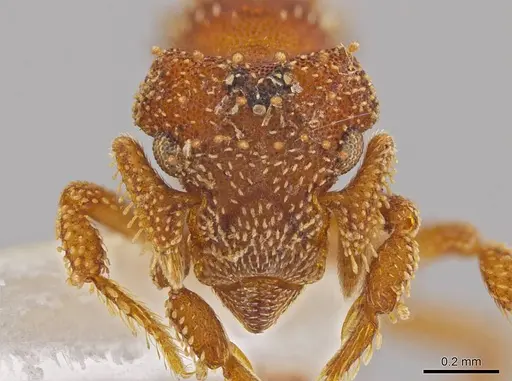
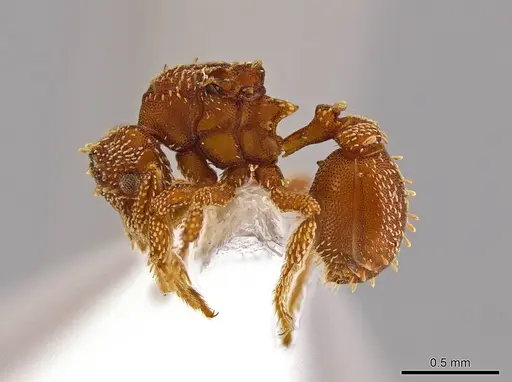
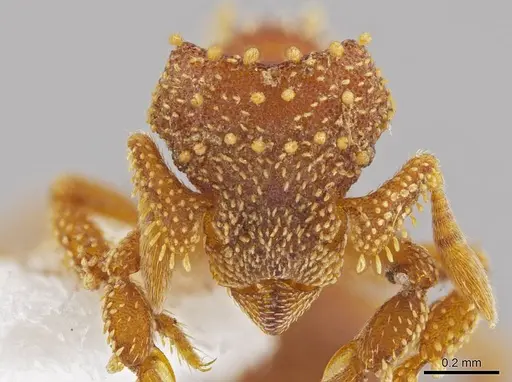
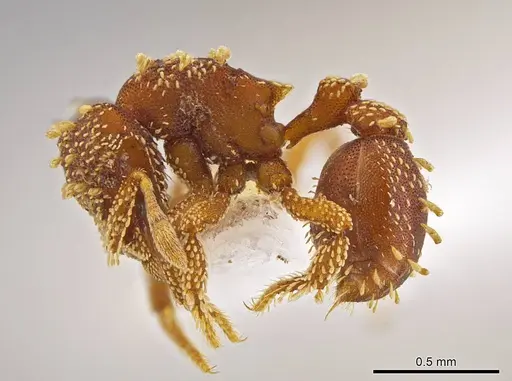
Eurhopalothrix xibalba is a tiny predatory ant found across Central America, from Honduras down to Costa Rica and now confirmed in Colombia. Workers measure just 0.57-0.66mm, making them among the smallest ants you can keep [1]. They inhabit mature wet forests across a huge elevation range, from near sea level up to 1700m [1]. The genus Eurhopalothrix is characterized by 7-segmented antennae and distinctive triangular mandibles with a double row of teeth [2]. These ants are remarkable for their clay-coating behavior, workers deliberately cover themselves with a thin layer of clay, which acts as camouflage and helps them ambush prey in leaf litter [2]. Their specialized spatulate setae help them acquire and adhere to this clay layer [2].
Quick Summary
- Difficulty: Expert
- Origin & Habitat: Central America (Honduras to Costa Rica, now Colombia) in mature wet forest from sea level to 1700m elevation. Found in sifted leaf litter and rotten wood samples [1][3].
- Colony Type: Colony structure is unconfirmed. Workers occur in very low densities in the wild, found in less than 10% of litter samples, occasionally reaching 40% [2]. Likely single-queen based on typical genus patterns.
- Size & Growth:
- Queen: 0.67-0.68mm [4], estimated from description
- Worker: 0.57-0.66mm [1]
- Colony: Unknown, likely small colonies based on low density in the wild
- Growth: Unknown, likely slow given small colony sizes
- Development: Unconfirmed, no direct development data exists. Based on related small Myrmicinae and their tropical distribution, estimate 6-10 weeks at warm temperatures. (No published development timeline exists for this species. Related Eurhopalothrix species suggest slow growth.)
- Antkeeping:
- Temperature: Keep around 22-26°C. This is a lowland-to-montane tropical species that tolerates a range from warm lowland to cooler highland conditions. A gentle gradient allows workers to self-regulate.
- Humidity: High humidity is essential, these are wet forest ants. Keep substrate consistently moist but not waterlogged. Think damp forest floor conditions.
- Diapause: Unknown, being a tropical species, they likely do not require true hibernation but may slow down during cooler periods.
- Nesting: Naturalistic setup works best, they nest in leaf litter and rotting wood in the wild. A thin layer of substrate with small hiding spots (cork, leaf litter, small wood pieces) mimics their natural environment. Test tubes with cotton and a small water reservoir can work if provided with a moist foraging area.
- Behavior: Extremely cryptic and secretive. These are sit-and-wait predators in tropical leaf litter, using their clay camouflage to ambush tiny prey [2]. Workers are slow-moving and rarely seen foraging openly. They are not aggressive and pose no threat to keepers. Escape prevention is critical, at under 1mm, they can squeeze through the tiniest gaps. Use fine mesh and tight-fitting barriers.
- Common Issues: escape prevention is critical, they are tiny enough to squeeze through standard barrier gaps, very low density in the wild makes finding colonies difficult, slow growth and small colony sizes mean patience is essential, high humidity requirements can lead to mold if ventilation is poor, no established captive breeding protocols, this is an advanced species
Housing and Setup
Eurhopalothrix xibalba requires a naturalistic setup that mimics their leaf litter habitat. A small container with a thin layer of moist substrate (coco fiber, peat, or a mix) works well. Add small hiding spots like pieces of cork, dead leaves, or small rotting wood fragments. These ants are extremely small, a standard test tube setup with a moist cotton ball can work, but you must connect it to a naturalistic foraging area. The key is providing high humidity while allowing some ventilation to prevent mold. Use a small water reservoir or mist regularly to maintain moisture. Because they are sit-and-wait predators, include plenty of small structures where they can hide and ambush prey. [1][2]
Feeding and Diet
In the wild, E. xibalba is a predator that uses stealth or sit-and-wait techniques to capture tiny prey in leaf litter [2]. In captivity, you must provide small live prey, these are not ants that will accept commercial ant food. Offer very small prey items like springtails, booklice (psocids), tiny fruit fly larvae, or other micro-arthropods. Because they are so small, even standard fruit flies may be too large. Observe their hunting behavior, they will ambush prey that walks past their hiding spot rather than actively foraging. Sugar sources are unlikely to be accepted given their predatory nature. Feed small prey items every few days, removing any uneaten prey after 24 hours to prevent mold.
Temperature and Humidity
Being a wet forest species from Central America, E. xibalba needs warm and humid conditions. Aim for temperatures in the 22-26°C range. They can tolerate cooler conditions given their wide elevation range in the wild (sea level to 1700m), but growth will be faster at warmer temperatures. Humidity is critical, keep the substrate consistently moist but not waterlogged. The substrate should feel damp to the touch. A small water reservoir connected to the nest area helps maintain humidity through evaporation. Avoid both stagnant air (causes mold) and excessive airflow (causes drying). A balance of ventilation and humidity is essential. [1]
Behavior and Temperament
This is an extremely cryptic species. Workers are rarely seen openly foraging, they hide in leaf litter and wait for prey to walk past, then ambush it [2]. Their distinctive clay coating provides camouflage, making them nearly invisible against the forest floor [2]. They are not aggressive and have no sting. Their small size means they are easily overlooked or crushed during colony maintenance. Handle with extreme care. They are not suitable for keepers who want active, visible ants, these are a observe-the-subtleties species. Their unique hunting strategy and camouflage make them fascinating to watch, but you need patience.
Colony Establishment
Establishing a colony of E. xibalba is challenging. They occur in very low densities in the wild, found in less than 10% of litter samples, occasionally reaching 40% [3]. This means wild colonies are difficult to find and collect. If you obtain a queen or colony, expect slow growth. There are no established captive breeding protocols for this species, making it an expert-level project. Queens should be housed in a small setup with moist substrate and left undisturbed. Once workers emerge, they will need constant access to tiny live prey. Do not expect rapid colony growth, these are likely slow-growing ants that produce small colonies.
Frequently Asked Questions
Can I keep Eurhopalothrix xibalba in a test tube?
Yes, but with modifications. A standard test tube with a water reservoir can work as a founding setup, but connect it to a naturalistic foraging area with moist substrate. The key is maintaining high humidity while providing space for their sit-and-wait hunting behavior.
How long until first workers with Eurhopalothrix xibalba?
Unknown, no development data exists for this species. Based on related small Myrmicinae and their tropical distribution, expect 6-10 weeks from egg to worker at warm temperatures (24-26°C). Growth is likely slow.
What do Eurhopalothrix xibalba eat?
Tiny live prey. They are predators that ambush micro-arthropods in leaf litter. Offer springtails, booklice, tiny fruit fly larvae, or other micro-arthropods. Standard ant food is unlikely to be accepted. Prey must be very small, these ants are under 1mm.
Are Eurhopalothrix xibalba good for beginners?
No. This is an expert-level species. They are extremely small, require high humidity, need constant access to tiny live prey, have no established captive protocols, and escape prevention is critical. They are best suited for experienced antkeepers interested in unusual species.
How big do Eurhopalothrix xibalba colonies get?
Unknown. Based on their low density in the wild and the genus typical patterns, colonies likely remain small, probably under 100 workers. They are not a species that produces large colonies.
Can I keep multiple queens together?
Not recommended. Combining unrelated queens of this species has not been documented. Based on typical genus patterns, they likely found colonies singly. Do not attempt pleometrosis without research.
Do Eurhopalothrix xibalba need hibernation?
Unlikely. Being a tropical species from Central America, they probably do not require true hibernation. They may slow down during cooler periods, but a full diapause is probably not necessary.
Why are my Eurhopalothrix xibalba dying?
Common causes include: escape through tiny gaps (they are less than 1mm), mold from poor ventilation or overwatering, starvation due to lack of tiny prey, and disturbance during founding. Ensure excellent escape prevention, maintain humidity without flooding, and provide constant small live prey.
What makes Eurhopalothrix xibalba special?
Their unique clay-coating behavior. Workers deliberately cover themselves with a layer of clay that functions as camouflage, helping them ambush prey [2]. Their specialized spatulate setae help them acquire and hold this clay layer. Combined with their sit-and-wait hunting strategy, this makes them one of the most unusual ants in the hobby.
References

This caresheet is licensed under CC BY-SA 4.0 .
CASENT0629216
View on AntWeb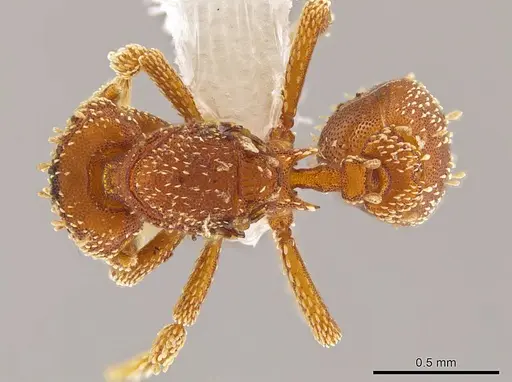
INB0003665110
View on AntWeb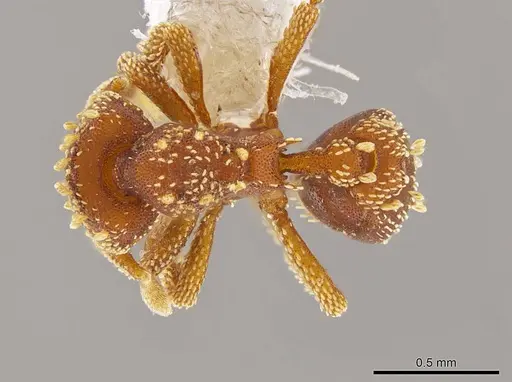
Literature
Loading...Loading products...