

Eurhopalothrix sepultura
- Scientific Name
- Eurhopalothrix sepultura
- Tribe
- Attini
- Subfamily
- Myrmicinae
- Author
- Longino, 2013
- Distribution
- Found in 1 countries
Eurhopalothrix sepultura Overview
Eurhopalothrix sepultura is an ant species of the genus Eurhopalothrix. It is primarily documented in 1 countries , including Mexico. Detailed taxonomic data and occurrence records can be further explored via authoritative databases such as AntWeb or the Global Biodiversity Information Facility (GBIF).
Eurhopalothrix sepultura
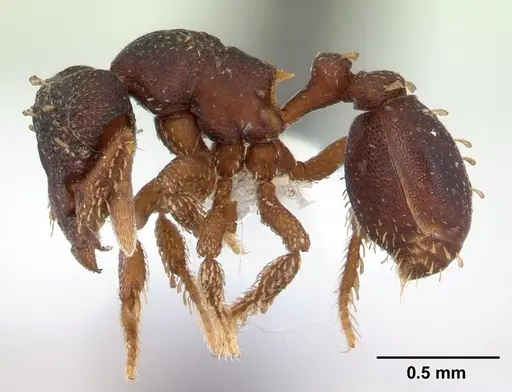
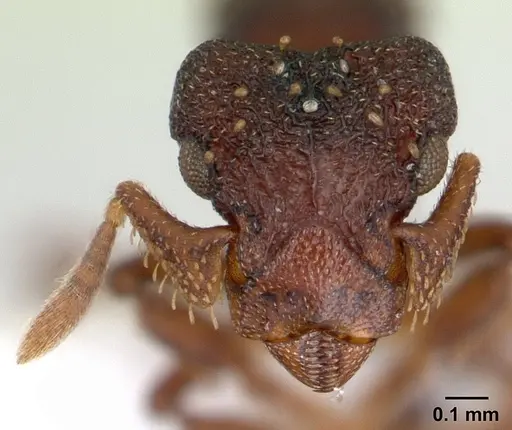
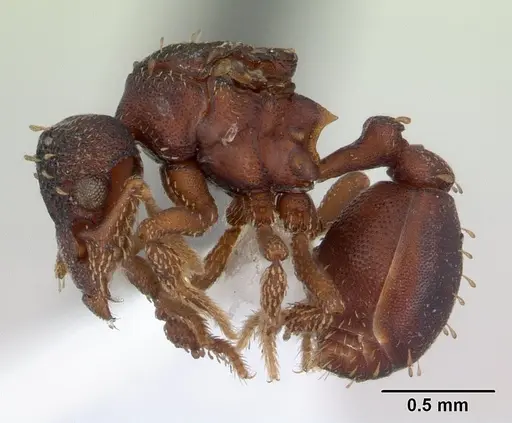
Eurhopalothrix sepultura is a tiny, reddish-brown ant species native to the cloud forests of Chiapas, Mexico. Workers measure just 0.68-0.71mm in head width, making them among the smaller ants you'll encounter [1]. The species was only described in 2013 by Longino, named after the La Sepultura Biosphere Reserve where it was discovered [1]. These ants inhabit montane forests at 1300-1800m elevation, living in sifted leaf litter and rotten wood extracted using specialized sampling techniques [1]. What makes them fascinating is their clay-coated camouflage, workers are often covered in a thin layer of clay that helps them blend into their environment, and their specialized spatulate body hairs help them maintain this covering [2]. As predators, they use stealth or sit-and-wait techniques to capture prey in the leaf litter layer [2].
Quick Summary
- Difficulty: Expert
- Origin & Habitat: Sierra Madre de Chiapas, Mexico, cloud forests and montane Liquidambar, oak, and pine forests at 1300-1800m elevation [1][3]
- Colony Type: Colony structure is unconfirmed, this is a recently described species with limited field data. Based on genus patterns, likely single-queen colonies [2].
- Size & Growth:
- Queen: 0.73mm head width [1], estimated from the single known queen measurement
- Worker: 0.68-0.71mm head width [1]
- Colony: Unknown, these ants occur in only 9-15% of leaf litter samples, suggesting small colonies [1]
- Growth: Unknown, no development data available for this species
- Development: Unknown, no direct measurements exist. Based on typical Attini leaf litter ant patterns, estimate 8-12 weeks at optimal temperature (This is a recently described species with no published development data. Estimates are speculative.)
- Antkeeping:
- Temperature: Keep cool, they come from cloud forests at 1300-1800m elevation where temperatures are mild year-round. Aim for 18-22°C, avoiding warmth above 25°C [1]
- Humidity: High humidity is essential, these are leaf litter ants from cloud forests. Keep the substrate consistently moist but not waterlogged. Think damp forest floor conditions [2]
- Diapause: Unknown, no specific research on overwintering requirements. Given their high-elevation cloud forest origin, they likely experience cooler temperatures seasonally and may benefit from a cool period around 15-18°C during winter months
- Nesting: Y-tong (AAC) nests or plaster nests work well for these tiny ants. They need tight chambers scaled to their minute size. A naturalistic setup with damp leaf litter and small passages mimics their natural leaf litter habitat [2][3]
- Behavior: These ants are extremely cryptic and secretive. Workers are tiny, slow-moving, and rely on camouflage rather than aggression. They are predators using sit-and-wait hunting techniques in leaf litter [2]. Escape prevention is critical, their minute size means they can squeeze through gaps that larger ants cannot. They are not aggressive and rarely sting. Activity level is low, expect slow-moving workers that spend most of their time foraging quietly in the substrate [2].
- Common Issues: escape prevention is critical, their tiny size means they can slip through standard barrier setups, no established husbandry guidelines exist, this is a recently described species with virtually no captive care literature, slow growth and small colony sizes make them prone to collapse from minor environmental changes, humidity control is challenging, too dry causes mortality, too wet promotes mold, wild-caught colonies may be nearly impossible to establish due to their cryptic nature and specific habitat requirements
Why This Species Is Challenging
Eurhopalothrix sepultura is not a beginner-friendly ant. This species was only described in 2013,meaning there is virtually no captive husbandry literature or established care protocols [1]. They are among the smallest ants in the Myrmicinae subfamily, with workers measuring just 0.68-0.71mm, smaller than many springtails they likely prey upon [1]. Their natural habitat is very specific: cloud forests at 1300-1800m elevation in the Sierra Madre de Chiapas, where conditions are cool, humid, and stable year-round [1]. These ants occur in only 9-15% of leaf litter samples, suggesting wild colonies are small and localized [1]. The combination of their minute size, specific environmental requirements, and complete lack of captive care research makes them suitable only for expert antkeepers willing to experiment and document their findings [1][2].
Housing and Nest Setup
For these tiny ants, you will need a carefully scaled setup. Y-tong (AAC) nests or plaster nests with very small chambers work best, standard formicarium chambers are far too large for them [3]. The nest should be kept consistently humid but with some variation so ants can choose their preferred microclimate. A naturalistic setup with a layer of damp sifted leaf litter on top of a plaster or Y-tong nest can help replicate their natural environment [2]. Given their clay-coated camouflage behavior in the wild, providing some fine soil or clay particles in the outworld may help them feel more secure [2]. Escape prevention must be excellent, their tiny size means standard Fluon barriers may need multiple applications, and any gap larger than 0.5mm risks escape. Use fine mesh on all ventilation holes and ensure all connections are sealed tightly.
Temperature and Humidity Management
Keep these ants cool, they come from cloud forests where temperatures remain mild year-round. Aim for 18-22°C in the nest area, avoiding any temperatures above 25°C [1]. A slight temperature gradient allows workers to regulate their body temperature by moving between chambers. Humidity is critical: maintain substrate moisture at damp-forest-floor levels. The substrate should feel consistently moist but never waterlogged. These ants are adapted to the constantly humid conditions of cloud forest leaf litter, and drying out quickly leads to colony loss [2]. Consider using a water reservoir in the nest setup to maintain humidity stability over time.
Feeding and Diet
In the wild, Eurhopalothrix species are predators using stealth or sit-and-wait techniques to capture small prey in leaf litter [2]. In captivity, you should offer small live prey appropriate to their tiny size. Live springtails (collembola) are the most realistic prey item, these are similar in size to their natural prey and can be cultured continuously. Other small live prey like booklice (psocids), minute soil mites, or newly hatched pinhead crickets may be accepted, but success is uncertain. Sugar sources are unlikely to be accepted, these are specialized predators, not sugar-feeding ants. Do not rely on honey or sugar water. Feed small prey items 2-3 times per week, removing any uneaten prey after 24 hours to prevent mold issues.
Understanding Their Unique Biology
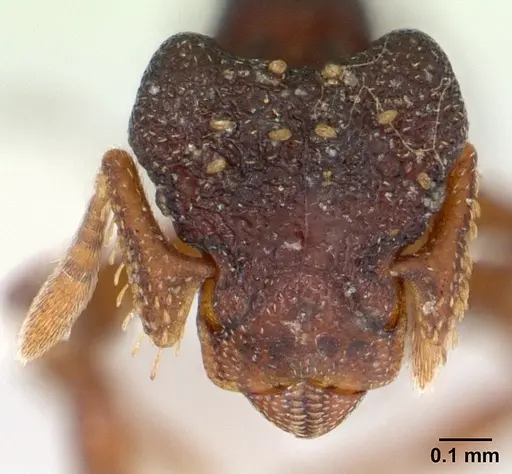
One of the most fascinating aspects of Eurhopalothrix sepultura is their clay-coated camouflage. Workers are often found with a thin layer of clay particles adhered to their bodies, particularly on the face [2]. This camouflage is maintained by their specialized spatulate (spoon-shaped) body hairs, which help acquire and retain clay particles [2]. This makes them incredibly difficult to spot in leaf litter samples, they essentially disappear against the soil background. Their mandibles have a unique double tooth row: an outer row of 10 teeth and an inner row of 3 longer needle-shaped teeth, likely adapted for grasping small prey [1]. The genus Eurhopalothrix is characterized by 7-segmented antennae and triangular mandibles [2]. These are highly specialized predators that have evolved unique adaptations for life in the competitive leaf litter environment.
Frequently Asked Questions
Is Eurhopalothrix sepultura a good ant for beginners?
No. This species is not recommended for beginners. It was only described in 2013 and has virtually no captive husbandry literature. Their tiny size, specific humidity requirements, and status as a recently described species make them suitable only for expert antkeepers willing to experiment and document their results.
How long does it take for Eurhopalothrix sepultura to produce first workers?
The egg-to-worker timeline is unknown, no development data exists for this recently described species. Based on typical Attini leaf litter ant patterns, estimate 8-12 weeks at optimal temperature, but this is purely speculative.
What do Eurhopalothrix sepultura ants eat?
They are predators that use sit-and-wait hunting techniques in leaf litter. Feed them small live prey, primarily live springtails (collembola). Other small live prey like booklice or minute soil mites may be accepted. Sugar sources are unlikely to be accepted, these are specialized predators, not sugar-feeding ants.
What temperature do Eurhopalothrix sepultura ants need?
Keep them cool at 18-22°C. They come from cloud forests at 1300-1800m elevation in Chiapas, Mexico, where temperatures are mild year-round. Avoid temperatures above 25°C.
How big do Eurhopalothrix sepultura colonies get?
Colony size is unknown. They occur in only 9-15% of leaf litter samples, suggesting wild colonies are small and localized. No published colony size data exists for this species.
Can I keep multiple Eurhopalothrix sepultura queens together?
This has not been studied. Colony structure (monogyne vs polygyne) has not been documented for this species. Do not attempt combining unrelated queens, there is no data on whether they will tolerate multi-queen arrangements.
What is the best nest type for Eurhopalothrix sepultura?
Y-tong (AAC) nests or plaster nests with very small chambers scaled to their minute size. A naturalistic setup with damp leaf litter on top works well. Standard formicarium chambers are too large.
Why are these ants so hard to find in the wild?
They are cryptically colored and coated with clay particles that serve as camouflage. Their specialized spatulate body hairs help them adhere this clay layer, making them nearly invisible against soil and leaf litter backgrounds [2].
Do Eurhopalothrix sepultura ants need hibernation?
This is unknown. Given their high-elevation cloud forest origin, they likely experience seasonal temperature changes and may benefit from a cool period around 15-18°C during winter months, but this has not been studied.
References

This caresheet is licensed under CC BY-SA 4.0 .
CASENT0603545
View on AntWeb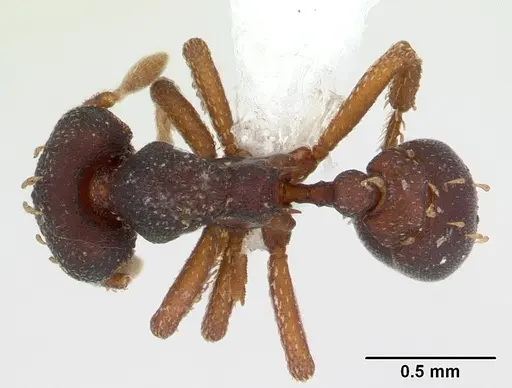
CASENT0603550
View on AntWeb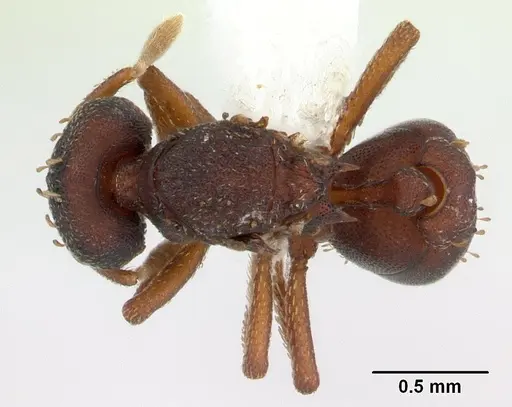
Literature
Loading...Loading products...