

Eurhopalothrix semicapillum
- Scientific Name
- Eurhopalothrix semicapillum
- Tribe
- Attini
- Subfamily
- Myrmicinae
- Author
- Longino, 2013
- Distribution
- Found in 1 countries
Eurhopalothrix semicapillum Overview
Eurhopalothrix semicapillum is an ant species of the genus Eurhopalothrix. It is primarily documented in 1 countries , including Costa Rica. Detailed taxonomic data and occurrence records can be further explored via authoritative databases such as AntWeb or the Global Biodiversity Information Facility (GBIF).
Eurhopalothrix semicapillum
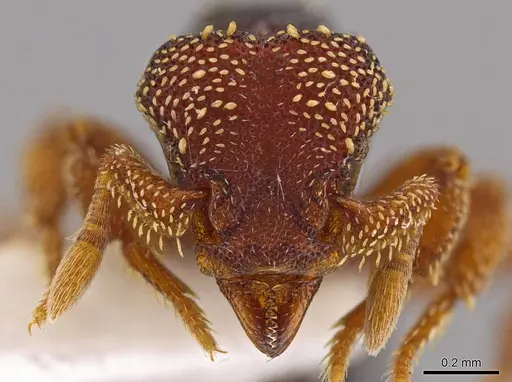
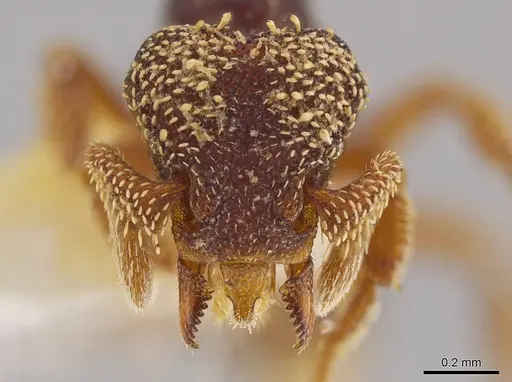
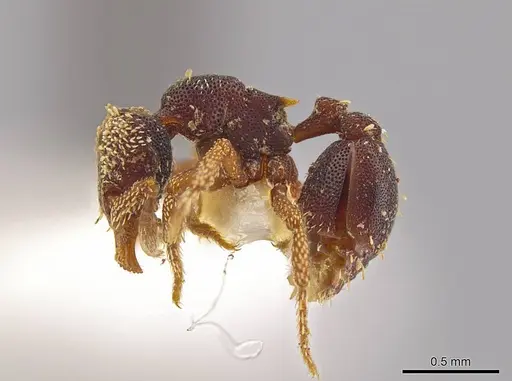
Eurhopalothrix semicapillum is a minute predatory ant species from the rainforests of Costa Rica. Workers measure just 0.61-0.71mm in head width, making them one of the smaller ant species you can keep. They belong to the tribe Attini and are specialized leaf-litter predators that hunt using stealth and sit-and-wait techniques [1]. Their most distinctive feature is the layer of clay coating their body, this camouflage helps them blend into their forest floor environment, making them nearly invisible as they patrol for tiny prey [1]. The species was formally described by Longino in 2013 and is found exclusively in Costa Rica's mature wet forests at elevations between 500-1500m [2].
Quick Summary
- Difficulty: Expert
- Origin & Habitat: Costa Rica, mature wet forest and lower cloud forest habitats at 500-1500m elevation, most common around 1100m. Found in sifted leaf litter and rotten wood from the forest floor [2][3].
- Colony Type: Colony structure is unconfirmed. Workers occur in low densities in the wild (
- Size & Growth:
- Queen: Approximately 0.67mm head width [2], estimated from paratype data
- Worker: 0.61-0.71mm head width (about 1.2-1.4mm total length) [2]
- Colony: Unknown, likely small colonies based on typical leaf-litter ant patterns
- Growth: Unknown, likely slow to moderate given their small size and specialized predatory lifestyle
- Development: Unconfirmed, no direct development data exists. Based on similar tiny tropical Myrmicinae, estimate 4-8 weeks at optimal temperature. (Development timeline has not been directly studied. This is an estimate based on related species patterns.)
- Antkeeping:
- Temperature: Keep at 22-26°C, they come from tropical mid-elevation forests in Costa Rica where temperatures are warm year-round. A gentle gradient allows them to self-regulate.
- Humidity: High humidity is essential, these ants live in damp forest floor litter. Keep the nest substrate consistently moist but not waterlogged. Aim for 75-85% relative humidity in the nest area.
- Diapause: No, as a tropical species from Costa Rica, they do not require hibernation. Maintain warm conditions year-round.
- Nesting: These are leaf-litter ants that naturally nest in rotting wood and dense leaf litter. In captivity, they do well in naturalistic setups with moist substrate (coco fiber, soil mixes) or small acrylic nests with tight chambers scaled to their tiny size. They need tight spaces, avoid large open chambers.
- Behavior: These ants are shy and non-aggressive. They are predators that hunt tiny arthropods in leaf litter using sit-and-wait techniques [1]. Workers are slow-moving and secretive, spending most of their time hidden in the substrate. They are not defensive and unlikely to bite or sting. ESCAPE PREVENTION IS CRITICAL, at only 1.2-1.4mm, they can squeeze through the tiniest gaps. You must use fine mesh (at least 0.5mm) and seal all openings thoroughly.
- Common Issues: escape prevention is critical, they are tiny enough to squeeze through standard mesh and gaps in equipment, slow growth means colonies develop very gradually and beginners may lose patience, specialized diet, they are predators that need live tiny prey, not standard ant foods, wild-caught colonies may have parasites that are difficult to detect in such small ants, maintaining consistent high humidity is challenging but essential for this species
Housing and Setup
Eurhopalothrix semicapillum requires a setup scaled to their minute size. A small acrylic nest with narrow chambers (2-3mm wide passages) works well, or you can use a naturalistic terrarium-style setup with moist coco fiber and leaf litter substrate. The key is tight spaces, these tiny ants feel exposed in large chambers and may not thrive. For the outworld, keep it small and simple. Escape prevention cannot be overstated: use fine mesh (0.5mm or smaller), seal all edges with silicone, and check connections regularly. Even small gaps that you wouldn't notice with larger ants will allow escapes. [1][3]
Feeding and Diet
This is a specialized predator. In the wild, they hunt tiny arthropods in leaf litter using sit-and-wait techniques [1]. In captivity, their primary food should be live tiny prey: springtails, micro- mites, fruit fly larvae, and other minute arthropods. They are unlikely to accept sugar water or honey, these are not scavengers but active predators. Feed small prey items every 2-3 days, adjusting based on consumption. Remove uneaten prey to prevent mold. Do not expect them to eat standard ant foods like mealworms or cricket pieces, their mouthparts and hunting style are specialized for much smaller prey.
Temperature and Humidity
Maintain temperatures between 22-26°C. They come from Costa Rican mid-elevation forests where conditions are warm and consistently humid. Room temperature within this range is acceptable, otherwise use a very gentle heat source on one side of the nest. Humidity is critical: keep the nest substrate consistently moist (like a wrung-out sponge) and maintain 75-85% relative humidity. Use a water reservoir in the nest or mist regularly, but avoid standing water. Good ventilation helps prevent mold while maintaining humidity. [2]
Behavior and Observation
These are shy, secretive ants that spend most of their time hidden in the nest substrate. Workers move slowly and carefully through leaf litter, using their clay coating as camouflage [1]. They are not defensive and will not bite or sting humans, their small size means even if they could sting, it would be imperceptible. Observation is part of the challenge and reward of keeping this species: you won't see dramatic foraging raids like larger ants. Instead, you'll watch patient, deliberate hunting in the substrate. Colonies will be small and slow-growing, making this a species for patient keepers who enjoy observing subtle behaviors.
Acquiring a Colony
This species is not commonly available in the antkeeping hobby. If you find a colony, it will likely be wild-caught from Costa Rica (though collection may be regulated). Quarantine and observe carefully, wild-caught colonies of tiny leaf-litter ants often harbor parasites that can wipe out the colony. There's also the ethical consideration of collecting from the wild. This is an expert-level species not suitable for beginners, and availability is extremely limited.
Frequently Asked Questions
How long does it take for Eurhopalothrix semicapillum to produce first workers?
The egg-to-worker timeline is unconfirmed for this species. Based on similar tiny tropical Myrmicinae, expect approximately 4-8 weeks at optimal temperature (22-26°C). However, this is an estimate, no direct development data exists for this species.
Can I keep Eurhopalothrix semicapillum in a test tube setup?
Test tubes can work but require modification, standard test tube chambers are too large for these tiny ants. Use small containers with tight chambers scaled to their 1.2-1.4mm size. A small acrylic nest or naturalistic setup with fine substrate works better.
What do Eurhopalothrix semicapillum ants eat?
They are specialized predators that need live tiny prey. Feed springtails, micro-mites, fruit fly larvae, and other minute arthropods. They do not accept sugar sources or standard ant foods, their hunting style is specialized for tiny prey in leaf litter.
Are Eurhopalothrix semicapillum good for beginners?
No, this is an expert-level species. They require specialized prey foods, excellent escape prevention due to their tiny size, and careful humidity control. Growth is slow and colonies remain small. They are also rarely available in the hobby.
Do Eurhopalothrix semicapillum need hibernation?
No, as a tropical species from Costa Rica, they do not require hibernation or winter cooling. Keep them warm year-round at 22-26°C.
How big do Eurhopalothrix semicapillum colonies get?
Colony size is not documented in scientific literature. Based on typical leaf-litter ant patterns, colonies likely remain small, probably dozens to low hundreds of workers. They are not large colony builders.
Why are my Eurhopalothrix semicapillum dying?
Common causes include: escape through tiny gaps (check your mesh and seals), improper humidity (too dry kills them quickly), lack of appropriate live prey (they will not survive on sugar or standard foods), and stress from too-large enclosures. These are delicate specialists that require precise conditions.
When should I move Eurhopalothrix semicapillum to a formicarium?
Move them only when the test tube or initial setup becomes overcrowded. For this species, that may take a very long time given their slow growth and small colony sizes. A small acrylic nest or naturalistic setup works best.
Can I keep multiple queens together?
Colony structure is unconfirmed for this species. Combining unrelated queens has not been documented and is not recommended. Do not attempt pleometrosis (multiple queen founding) without specific knowledge of this species' behavior.
References

This caresheet is licensed under CC BY-SA 4.0 .
CASENT0639343
View on AntWeb

CASENT0639366
View on AntWeb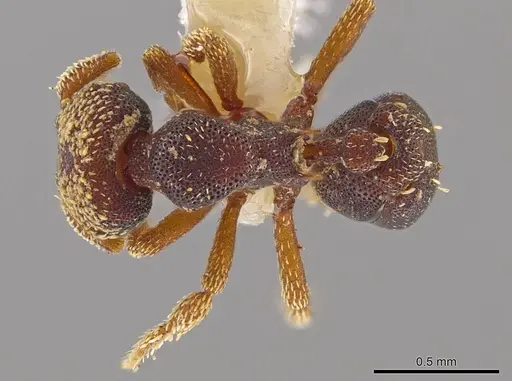
Literature
Loading...Loading products...