

Eurhopalothrix schmidti
- Scientific Name
- Eurhopalothrix schmidti
- Tribe
- Attini
- Subfamily
- Myrmicinae
- Author
- Menozzi, 1936
- Distribution
- Found in 2 countries
Eurhopalothrix schmidti Overview
Eurhopalothrix schmidti is an ant species of the genus Eurhopalothrix. It is primarily documented in 2 countries , including Costa Rica, Panama. Detailed taxonomic data and occurrence records can be further explored via authoritative databases such as AntWeb or the Global Biodiversity Information Facility (GBIF).
Eurhopalothrix schmidti
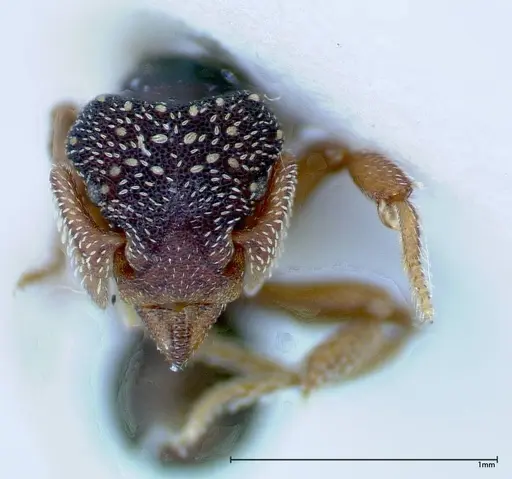
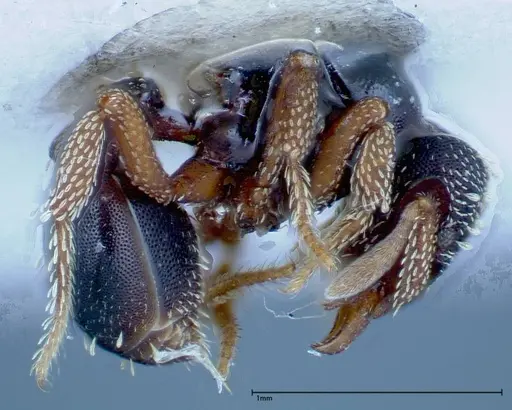
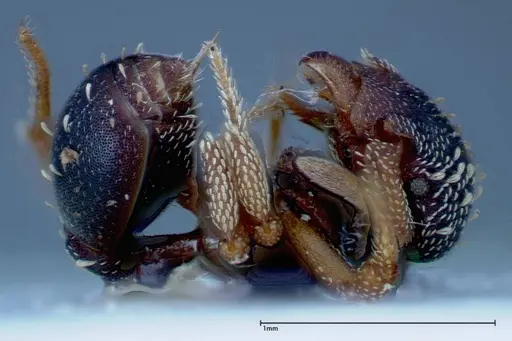
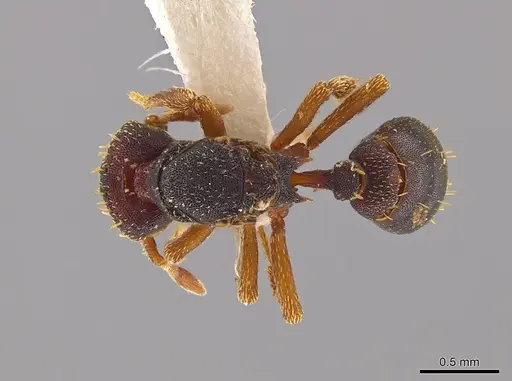
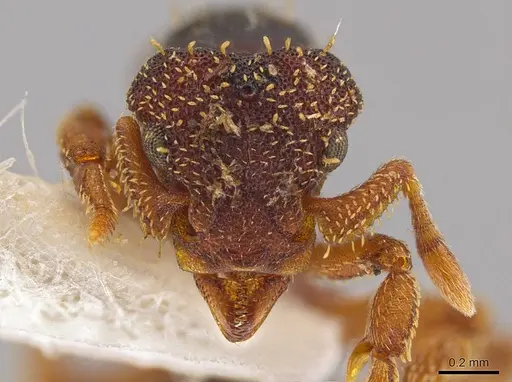
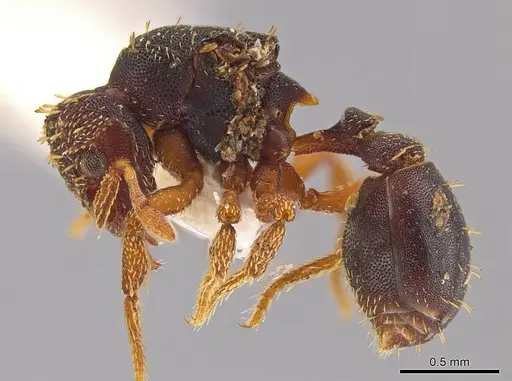
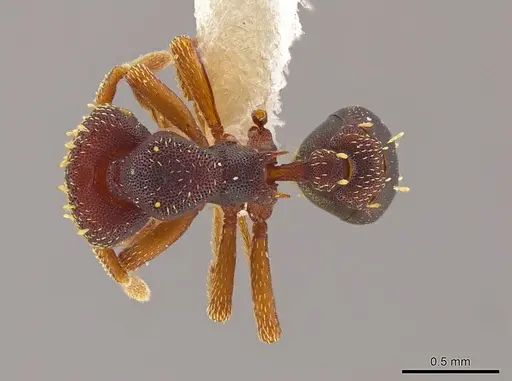
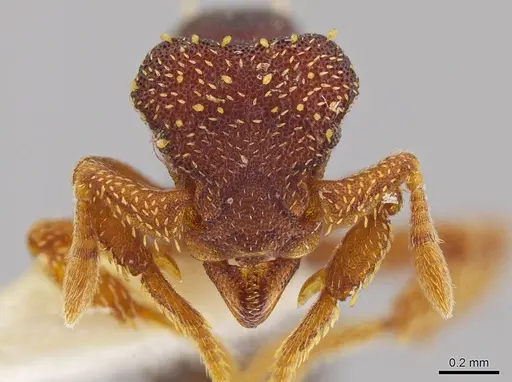
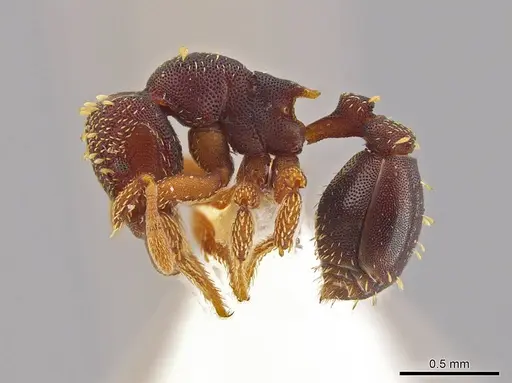
Eurhopalothrix schmidti is a tiny myrmicine ant native to Central America, measuring just 0.75-0.80mm for workers and around 0.78mm for queens [1]. These ants are dark brown with a distinctive feature: their bodies are often coated with a thin layer of clay that functions as camouflage, helping them blend into their forest floor environment [2]. Their genus is characterized by 7-segmented antennae and triangular mandibles [2].
What makes these ants fascinating is their hunting strategy, they are predators in tropical leaf litter that rely on stealth or sit-and-wait techniques rather than active pursuit [2]. They inhabit moist to wet montane forests at elevations of 1100-1670 meters, where they live among sifted litter and rotting wood on the forest floor [1].
Quick Summary
- Difficulty: Hard
- Origin & Habitat: Native to Central America, Costa Rica, Nicaragua, Panama, and recently documented in Colombia. They inhabit moist to wet montane forests at 1100-1670m elevation [1][3]. In Costa Rica, they were originally collected in the Central Valley near San José, though that area is now developed. Recent collections come from Winkler samples of sifted litter and rotten wood from the forest floor [1].
- Colony Type: Colony structure is unconfirmed. Workers occur in low densities in the wild (
- Size & Growth:
- Queen: 0.78mm head width (HW),0.76mm head length (HL) [1]
- Worker: 0.75-0.80mm head width (HW),0.71-0.77mm head length (HL) [1]
- Colony: Unknown, likely small colonies based on litter-dwelling habits and low worker density in samples [2]
- Growth: Unknown, no development data available
- Development: Unknown, no direct measurements available. Based on related tiny Myrmicinae and their small size, expect development to be relatively fast, possibly 4-8 weeks at optimal temperature, but this is an estimate. (No published data on egg-to-worker development timeline. Small litter-dwelling ants typically have faster development than larger species.)
- Antkeeping:
- Temperature: Keep at room temperature around 20-24°C. These ants come from moist montane forests at higher elevations, so they prefer cooler, stable conditions rather than warmth. Avoid temperatures above 28°C.
- Humidity: High humidity is essential, think damp forest floor. Keep the nest substrate consistently moist but not waterlogged. Provide a water source and ensure good ventilation to prevent mold while maintaining humidity.
- Diapause: Unknown, no data on overwintering requirements. Given their montane forest origin in Central America, they may not require a true diapause but may reduce activity during cooler periods.
- Nesting: Naturalistic setup with moist substrate works best. They nest in rotting wood and leaf litter in the wild, so a setup with sifted forest floor material, small chambers, and good moisture retention is ideal. Y-tong or plaster nests with small passages scaled to their tiny size can work.
- Behavior: These ants are cryptic, slow-moving predators that rely on stealth rather than active hunting [2]. They are not aggressive and will avoid confrontation. Their tiny size (under 1mm) makes them excellent escape artists, escape prevention must be excellent, using fine mesh barriers and tight-fitting lids. Workers are coated with clay that can rub off on surfaces, which is normal camouflage behavior. They are skittish and may flee when disturbed.
- Common Issues: escape prevention is critical due to their very small size, they can squeeze through the tiniest gaps, high humidity requirements can lead to mold problems if ventilation is inadequate, slow growth and small colony sizes mean colonies develop slowly and may appear stagnant for months, no published care guidelines exist, this is an advanced species for experienced keepers, wild-caught colonies may have parasites or fail to adapt to captive conditions
Housing and Nest Setup
Eurhopalothrix schmidti requires a naturalistic setup that mimics their forest floor habitat. These tiny ants measure less than 1mm, so all passages and chambers must be scaled accordingly, tight spaces that would be too small for larger ants are perfect for this species. A setup with moist substrate made from sifted forest floor material works well, as it replicates their natural environment of rotting wood and leaf litter. Alternatively, a Y-tong (AAC) nest or plaster nest with small chambers can work, provided you maintain high humidity. The nest should have a water reservoir to keep the substrate consistently moist. Because of their tiny size, use fine mesh barriers and ensure all connections are sealed, these ants can escape through gaps invisible to the human eye. [1][2]
Feeding and Diet
In the wild, Eurhopalothrix schmidti is a predator that uses stealth or sit-and-wait techniques to capture small prey in tropical leaf litter [2]. In captivity, you should offer small live prey appropriate to their tiny size, micro-arthropods like springtails, tiny fruit fly larvae, and other micro-prey are ideal. They are unlikely to accept sugar water or honey due to their predatory nature. Feed small prey items every few days, removing any uneaten prey to prevent mold. Do not overfeed, small portions are better than large ones. Acceptance of novel prey items may require experimentation.
Temperature and Humidity
These ants come from moist to wet montane forests at elevations of 1100-1670m in Central America [1]. They prefer cooler temperatures than many tropical ants, aim for room temperature around 20-24°C, avoiding temperatures above 28°C. High humidity is critical. Keep the nest substrate consistently moist but not waterlogged, the substrate should feel damp to the touch. Provide a water source and ensure adequate ventilation to prevent both stagnation and drying. A gentle gradient allowing workers to choose their preferred moisture level is ideal. Monitor for mold, which can be problematic in high-humidity setups.
Behavior and Temperament
Eurhopalothrix schmidti is a cryptic, non-aggressive species that relies on camouflage rather than confrontation. Workers are often found coated with a thin layer of clay that functions as camouflage, this is normal behavior and may leave faint marks on surfaces they walk on [2]. They move slowly and deliberately, using sit-and-wait hunting strategies rather than active pursuit. When disturbed, they are more likely to flee than to defend. They are not known to sting and pose no danger to keepers. Their tiny size makes them excellent escape artists, always use excellent escape prevention with fine mesh barriers and tight-fitting lids.
Colony Development
This species remains poorly studied in captivity, and no published development timeline or colony size data exists. In the wild, workers occur in fewer than 10% of quantitative litter samples, occasionally reaching densities up to 40% [2]. This suggests colonies are relatively small and produce limited numbers of workers. Based on their small size and litter-dwelling habits, expect slow but steady colony growth. Colonies may appear stagnant for extended periods before producing new workers. Patience is essential, small litter-dwelling ants often take months to show visible progress. Do not overfeed or disturb the colony in an attempt to speed growth.
Frequently Asked Questions
Can I keep Eurhopalothrix schmidti in a test tube?
A test tube setup can work for founding colonies, but due to their small size and high humidity needs, you must ensure the water reservoir is appropriate and the cotton is properly secured. However, a naturalistic setup with moist substrate is more suitable for established colonies. Test tubes are best for temporary housing or founding, plan to transfer to a more elaborate setup as the colony grows.
How long until first workers in Eurhopalothrix schmidti?
The egg-to-worker timeline is unconfirmed, no published data exists for this species. Based on their tiny size and related Myrmicinae patterns, expect approximately 4-8 weeks at optimal temperature, but this is an estimate. Small litter-dwelling ants often develop relatively quickly once the colony is established.
Are Eurhopalothrix schmidti good for beginners?
No. This is an advanced species not recommended for beginners. They require high humidity, excellent escape prevention due to their tiny size, and have specific dietary needs as predators. No published captive care guidelines exist, and colony development is slow. This species is best suited for experienced antkeepers willing to experiment and document their findings.
What do Eurhopalothrix schmidti eat?
They are predators that hunt small arthropods in leaf litter. In captivity, feed small live prey like springtails, micro-arthropods, and tiny fruit fly larvae. They are unlikely to accept sugar sources. Remove uneaten prey to prevent mold.
What temperature do Eurhopalothrix schmidti need?
Keep them at room temperature around 20-24°C. They come from moist montane forests and prefer cooler, stable conditions. Avoid temperatures above 28°C. A gentle temperature gradient allows workers to choose their preferred spot.
Why are my Eurhopalothrix schmidti escaping?
Their tiny size (under 1mm) makes them excellent escape artists. Use fine mesh barriers on all openings, ensure all connections are sealed, and check for gaps invisible to the naked eye. Even standard ant keeping barriers may not contain them, use the finest mesh available.
How big do Eurhopalothrix schmidti colonies get?
Colony size is unknown. In the wild, workers occur in low densities in litter samples (under 10%, occasionally up to 40%), suggesting small colonies. Expect relatively modest colony sizes compared to larger ant species.
Do Eurhopalothrix schmidti need hibernation?
Diapause requirements are unknown. Given their origin in Central American montane forests, they likely do not require a true hibernation but may reduce activity during cooler periods. Maintain stable conditions year-round.
Can I keep multiple queens together?
Colony structure is unconfirmed, no data exists on whether this species is single-queen or multi-queen. Combining unrelated queens is not recommended due to lack of documented success. Do not attempt pleometrosis without research specific to this species.
References

This caresheet is licensed under CC BY-SA 4.0 .
Literature
Loading...Loading products...