

Eurhopalothrix philippina
- Scientific Name
- Eurhopalothrix philippina
- Tribe
- Attini
- Subfamily
- Myrmicinae
- Author
- Brown & Kempf, 1960
- Distribution
- Found in 1 countries
Eurhopalothrix philippina Overview
Eurhopalothrix philippina is an ant species of the genus Eurhopalothrix. It is primarily documented in 1 countries , including Philippines. Detailed taxonomic data and occurrence records can be further explored via authoritative databases such as AntWeb or the Global Biodiversity Information Facility (GBIF).
Eurhopalothrix philippina
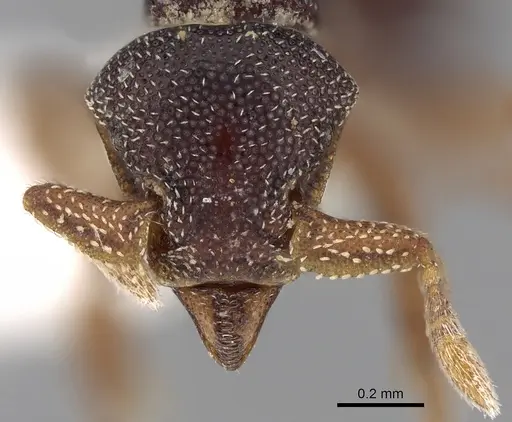
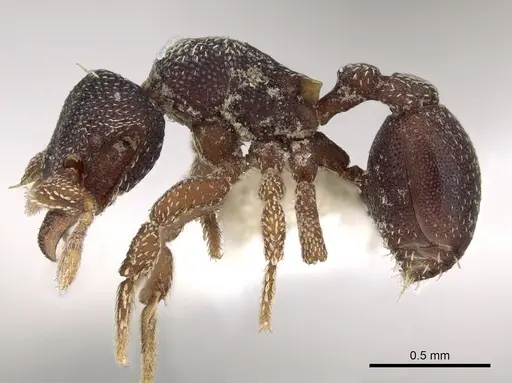
Eurhopalothrix philippina is a tiny, cryptic ant species native to the Philippines, specifically found on Negros Island and Mindanao Island. Workers measure just 2.8-3.0mm and are easily recognized by their oddly-shaped head with a distinctive pentagonal outline and occipital lobes. They have a deep reddish-brown coloration with lighter antennae and legs, and notably reduced body hair compared to many other ant species [1]. This species is part of the tribe Attini (fungus-growing ants), though Eurhopalothrix is considered a 'higher Attini' that has lost the ability to cultivate fungus and instead feeds on other small invertebrates . They are leaf-litter dwellers, found in the forest floor layer at elevations around 600 meters.
Quick Summary
- Difficulty: Hard
- Origin & Habitat: Philippines (Negros Island, Mindanao Island), found in leaf litter at approximately 600m elevation in the Cuernos de Negros Mountains [1][2]. This is a tropical forest habitat with high humidity.
- Colony Type: Likely monogyne (single queen) based on typical genus patterns. Colony size is small, likely under 100 workers given their tiny size and cryptic lifestyle.
- Colony: Monogyne
- Founding: Claustral
- Size & Growth:
- Queen: Undescribed in detail, but likely 4-5mm based on genus patterns
- Worker: 2.8-3.0mm [1]
- Colony: Likely under 100 workers based on similar cryptic leaf-litter ants
- Growth: Slow, unknown development timeline, but small colonies typically grow slowly
- Development: Unknown, no direct data available. Based on similar tiny Myrmicinae, estimate 6-10 weeks at warm tropical temperatures (No specific development studies exist for this species. Temperature-dependent inference from related species suggests several months to first workers.)
- Antkeeping:
- Temperature: Keep warm at 24-28°C. As a tropical species from the Philippines, they need stable warmth year-round
- Humidity: High humidity is essential, they live in leaf litter where conditions are constantly damp. Keep nest substrate consistently moist but not waterlogged. Aim for 70-85% humidity
- Diapause: No, this is a tropical species that does not enter hibernation. Keep temperatures stable year-round
- Nesting: These tiny ants need very small-scale setups. Tight test tubes with cotton-plugged water reservoirs work well, or small acrylic nests with fine chambers. They do best in naturalistic setups with leaf litter and small crevices. Avoid large, open spaces
- Behavior: Eurhopalothrix philippina is a cryptic, slow-moving leaf-litter ant. They are not aggressive and rarely venture into the open. Workers forage individually through the substrate and leaf litter layer, searching for small prey. Their tiny size makes them excellent escape artists, they can squeeze through remarkably small gaps. They are primarily nocturnal, with activity peaks during night hours as confirmed by pitfall trap collections [3]. They are not known to sting and pose no danger to keepers.
- Common Issues: tiny size means escapes are likely without fine mesh barriers, high humidity requirements can lead to mold if ventilation is poor, slow growth tests keeper patience, colonies develop very slowly, tropical species cannot tolerate cool temperatures or temperature swings, leaf-litter setup can be difficult to maintain in captivity, substrate must stay damp but not rotting
Housing and Setup
Housing Eurhopalothrix philippina requires attention to their tiny size and cryptic nature. Use test tubes with small diameters or mini acrylic nests with tight-fitting chambers. The chambers should be scaled to their 3mm size, avoid tall, open spaces that make them feel exposed. A naturalistic setup with a thin layer of damp leaf litter or coconut fiber works well, simulating their natural forest floor habitat. Because they are escape artists, use fine mesh on any ventilation holes and ensure all connections are sealed. A small outworld area for feeding is sufficient, they don't need large foraging spaces.
Feeding and Diet
As members of the tribe Attini, these ants have evolved away from fungus farming and are now predatory on small invertebrates. Feed them tiny live prey such as springtails, fruit flies, and small pinhead crickets. They will accept most small arthropods. Offer protein-rich foods 2-3 times per week, removing any uneaten prey within 24 hours to prevent mold. Sugar sources are not typically accepted by this genus, they are obligate predators. Fresh water should always be available.
Temperature and Humidity
Keep your colony at 24-28°C year-round, this tropical species cannot tolerate cool temperatures. Use a heating cable on one side of the nest to create a gentle gradient if your room temperature is below 24°C. Place the heating on top of the nest, not underneath, to prevent excessive drying. Humidity should be high (70-85%), the nest substrate should feel damp to the touch. Mist occasionally but rely on water reservoirs in test tubes for consistent moisture. Good ventilation is essential to prevent mold while maintaining humidity.
Handling and Temperament
These ants are completely harmless, they are too small to sting and are not aggressive. They move slowly and deliberately through their environment. The main challenge for keepers is their tiny size, which makes them difficult to see and easy to accidentally lose. When cleaning or moving colonies, work slowly and carefully. They are not defensive of their nest and will not attack handlers. Observation is the main appeal of this species, watching their deliberate, cryptic foraging behavior is fascinating.
Colony Dynamics
Eurhopalothrix colonies remain small throughout their lives, typically containing fewer than 100 workers. This is typical for cryptic leaf-litter species that live in fragmented microhabitats. Queens are likely claustral founders who seal themselves in a small chamber and raise the first workers alone on stored fat reserves. Growth is slow, expect several months from founding to first workers, and years to reach mature colony size. The slow growth rate requires patience from keepers.
Frequently Asked Questions
How long does it take for Eurhopalothrix philippina to produce first workers?
The exact timeline is unknown, but based on similar tiny Myrmicinae, expect 6-10 months from founding to first workers. Growth is very slow, this is not a species for impatient keepers.
What do Eurhopalothrix philippina ants eat?
They are predators that eat small live invertebrates. Feed them springtails, fruit flies, tiny crickets, and other small arthropods. They do not accept sugar or honey. Remove uneaten prey within 24 hours.
Are Eurhopalothrix philippina ants dangerous?
No, they are completely harmless. They are too small to sting and are not aggressive. They pose no danger to humans or pets.
Do Eurhopalothrix philippina ants need hibernation?
No, they are tropical ants from the Philippines and do not hibernate. Keep them warm year-round at 24-28°C.
How big do Eurhopalothrix philippina colonies get?
Colonies remain small, likely under 100 workers at maturity. This is typical for cryptic leaf-litter species.
Why are my Eurhopalothrix philippina ants escaping?
Their tiny 3mm size allows them to squeeze through very small gaps. Use fine mesh (at least 0.5mm or smaller), seal all connections, and check for any gaps in your setup regularly.
Can I keep Eurhopalothrix philippina with other ants?
No, mixing ant species is not recommended. This species is small, slow-moving, and could be easily outcompeted or killed by other ants.
Is Eurhopalothrix philippina good for beginners?
No, this is an expert-level species. Their tiny size, high humidity needs, slow growth, and escape-prone nature make them challenging even for experienced keepers.
Where is Eurhopalothrix philippina found in the wild?
They are native to the Philippines, specifically found on Negros Island and Mindanao Island. They live in leaf litter in tropical forests at around 600m elevation.
References

This caresheet is licensed under CC BY-SA 4.0 .
CASENT0280776
View on AntWeb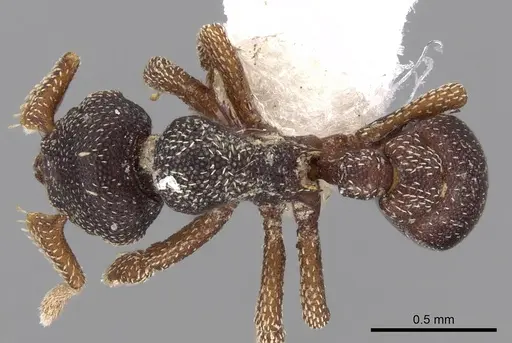
Literature
Loading...Loading products...