

Eurhopalothrix oscillum
- Scientific Name
- Eurhopalothrix oscillum
- Tribe
- Attini
- Subfamily
- Myrmicinae
- Author
- Longino, 2013
- Distribution
- Found in 3 countries
Eurhopalothrix oscillum Overview
Eurhopalothrix oscillum is an ant species of the genus Eurhopalothrix. It is primarily documented in 3 countries , including Costa Rica, Honduras, Nicaragua. Detailed taxonomic data and occurrence records can be further explored via authoritative databases such as AntWeb or the Global Biodiversity Information Facility (GBIF).
Eurhopalothrix oscillum
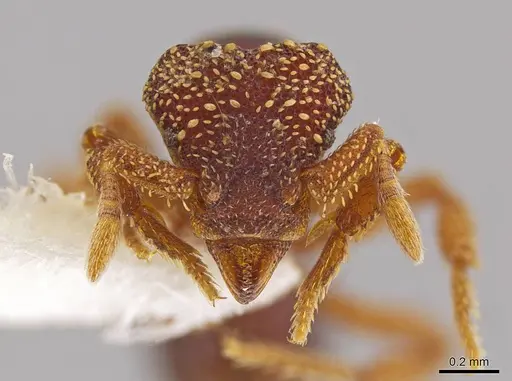
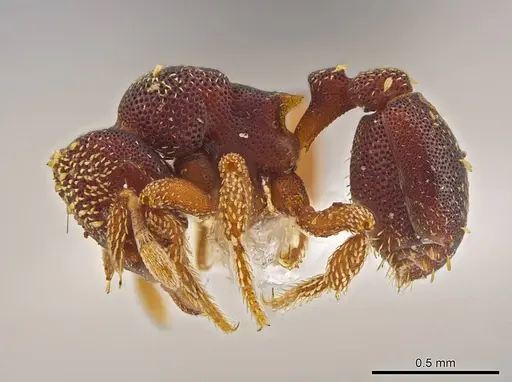
Eurhopalothrix oscillum is a tiny cryptic predator ant from the leaf litter of Central American rainforests. Workers measure just 0.67-0.70mm in head width, making them among the smallest ants you can keep [1]. They have a distinctive dark brown coloration and specialized spatulate setae covering their face, these stiff, spoon-shaped hairs help them acquire and hold a layer of clay dust that functions as natural camouflage [2]. The genus Eurhopalothrix is characterized by 7-segmented antennae and triangular mandibles [2].
What makes this species unusual is its hunting strategy, these ants are sit-and-wait predators in tropical leaf litter, using stealth rather than active foraging [2]. They occur rarely in samples (under 10% of litter plots), though they can reach densities up to 40% in ideal microhabitats [2]. This is an expert-level species best suited for antkeepers who want something truly unique and challenging.
Quick Summary
- Difficulty: Expert
- Origin & Habitat: Central America (Honduras to Costa Rica), specifically Nicaragua, Costa Rica. Inhabits mature wet forest and lower cloud forest at elevations of 300-1500m, most commonly found 500-1000m [1]. All specimens are collected from sifted leaf litter and rotten wood on the forest floor using specialized extraction techniques [1].
- Colony Type: Unknown, colony structure has not been documented in scientific literature. Based on genus patterns, likely single-queen (monogyne) but this is unconfirmed.
- Size & Growth:
- Queen: 0.68-0.70mm head width [3]
- Worker: 0.67-0.70mm head width [1]
- Colony: Unknown, likely small colonies based on typical leaf-litter ant patterns
- Growth: Unknown, likely slow to moderate given their cryptic lifestyle
- Development: Unknown, no development data exists for this species. Related leaf-litter predators typically take 2-4 months at tropical temperatures. (No direct studies on development. Estimates based on similar tiny Myrmicinae patterns.)
- Antkeeping:
- Temperature: Keep warm, around 22-26°C. This species comes from tropical mid-elevations where temperatures are warm year-round. A gentle heat gradient allows ants to regulate their temperature [2].
- Humidity: High humidity is essential, these ants live in damp forest floor litter. Keep the nest substrate consistently moist but not waterlogged. Provide a water tube for drinking access. Mist occasionally but avoid standing water.
- Diapause: Unknown, likely no true diapause given their tropical origin, but may have reduced activity during cooler/drier periods.
- Nesting: Use a naturalistic setup with sifted forest floor material or a well-humidified Y-tong/plaster nest. These ants are leaf-litter inhabitants and do well with small chambers and plenty of substrate to hide in. Escape prevention is critical due to their tiny size, use fine mesh barriers.
- Behavior: Extremely cryptic and shy. Workers are sit-and-wait predators that rely on camouflage rather than active hunting [2]. They are not aggressive and will flee from disturbance. Their tiny size and cryptic nature make them very difficult to observe. Escape risk is high due to their minute size, they can squeeze through gaps invisible to the naked eye. They do not sting and pose no danger to keepers.
- Common Issues: tiny size makes them escape easily, use fine mesh and excellent seal quality, difficult to feed, requires tiny live prey that most keepers cannot easily provide, rare in the hobby and expensive to acquire, slow growth means colonies may stagnate if conditions are not ideal, wild-caught colonies may be stressed from collection and transport
Housing and Nest Setup
Eurhopalothrix oscillum requires a setup that mimics their natural leaf-litter habitat. A naturalistic terrarium with several centimeters of sifted forest floor material works well, this allows the ants to create their own tunnels and chambers like they would in the wild. Alternatively, a Y-tong (acrylic) nest with very small chambers and narrow passages can work, provided humidity is kept high. The key is scale, chambers should be tiny, passages narrow, and there should be no large open spaces. Escape prevention is absolutely critical: these ants are minute and can squeeze through gaps that seem impossible. Use tight-fitting lids, fine mesh on any ventilation, and consider applying fluon to barrier edges. A small outworld area for feeding is sufficient, these ants don't travel far. [2][1]
Feeding and Diet
This species is a specialized predator that relies on sit-and-wait hunting techniques in the leaf litter [2]. In captivity, they need tiny live prey, think springtails, tiny booklice, or fruit fly larvae. They are unlikely to accept pre-killed protein or sugar water given their cryptic hunting behavior. Offer small live prey items every few days and remove uneaten prey to prevent mold. Do not expect to see active foraging, these ants wait in place for prey to wander close, then strike. This makes observing feeding difficult but fascinating. The key challenge is providing a consistent supply of appropriately-sized live prey.
Temperature and Humidity
Keep the nest at warm temperatures, ideally 22-26°C. This species comes from tropical mid-elevations in Central America where conditions are warm and humid year-round [1]. A heating cable on one side of the nest can create a gentle gradient, allowing ants to move to their preferred temperature zone. Humidity is critical, these forest-floor inhabitants need consistently moist substrate. The nest material should feel damp to the touch, with some areas slightly drier for variation. A water tube connected to the nest helps maintain humidity while providing drinking water. Avoid both drying out and stagnation, good ventilation prevents mold while maintaining moisture.
Behavior and Observation
Eurhopalothrix oscillum is one of the most cryptic ants you can keep. Workers are tiny, camouflage themselves with clay dust, and rely on stealth rather than active hunting [2]. You won't see dramatic foraging raids or aggressive defense of the nest. Instead, watch for subtle activity, a worker suddenly freezing, then lunging at an unsuspecting springtail. The specialized spatulate setae on their face help them detect vibrations and chemical cues from prey. Colonies are likely small and slow-growing, so don't expect rapid expansion. This is a species for patient observers who appreciate quiet, hidden lives rather than dramatic displays. Their elusiveness is part of their charm.
Frequently Asked Questions
How long does it take for Eurhopalothrix oscillum to produce first workers?
The egg-to-worker timeline is unconfirmed, no scientific studies exist on their development. Based on similar tiny leaf-litter Myrmicinae, expect 2-4 months at warm tropical temperatures. Patience is essential with this species.
Can I keep Eurhopalothrix oscillum in a test tube?
A test tube setup can work for founding colonies if humidity is maintained, but these ants do best in naturalistic setups with forest floor material. If using test tubes, ensure very small water reservoirs and excellent escape prevention, their tiny size means they can escape from standard cotton plugs.
What do Eurhopalothrix oscillum eat?
They are specialized predators that need tiny live prey. Springtails are the ideal food source, small enough to be hunted and large enough to provide nutrition. Other options include tiny booklice, fruit fly larvae, or small isopods. They are unlikely to accept sugar water or pre-killed protein.
Are Eurhopalothrix oscillum ants dangerous?
No, these tiny ants pose no danger to keepers. They are extremely cryptic, flee from disturbance, and lack any significant sting or bite. Their main defense is camouflage and hiding.
How big do Eurhopalothrix oscillum colonies get?
Colony size is unconfirmed but likely small, probably under 100 workers based on typical leaf-litter ant patterns. They occur in low densities in the wild (
Do Eurhopalothrix oscillum ants need hibernation?
Unlikely, they come from tropical Central American forests with year-round warm temperatures. No diapause has been documented. They may have reduced activity during cooler periods but do not require a hibernation period.
Why are my Eurhopalothrix oscillum dying?
Common causes include: escape (they are tiny and escape easily), starvation (need live prey), improper humidity (too dry or too wet/moldy), and stress from collection/transport. Wild-caught colonies are particularly prone to stress. Ensure excellent escape prevention and a consistent supply of tiny live prey.
Is Eurhopalothrix oscillum good for beginners?
No, this is an expert-level species. Their tiny size, specialized predatory diet, escape risk, and cryptic behavior make them challenging even for experienced antkeepers. They are best suited for those with experience keeping difficult leaf-litter species.
When should I move Eurhopalothrix oscillum to a formicarium?
If starting with a founding queen, keep her in a simple test tube or small container with moist substrate. Move to a naturalistic setup once the colony reaches several workers and you can see they are thriving. Do not rush, these ants prefer stability and may abandon chambers that are too large or open.
Can I keep multiple Eurhopalothrix oscillum queens together?
Colony structure is unconfirmed for this species. Combining unrelated queens has not been documented and is not recommended. If you acquire a multi-queen colony, keep conditions stable and monitor for aggression.
References

This caresheet is licensed under CC BY-SA 4.0 .
CASENT0624154
View on AntWeb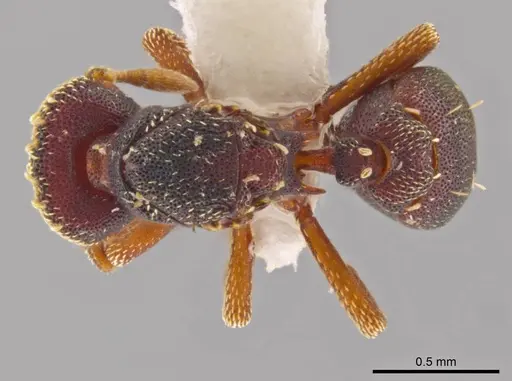
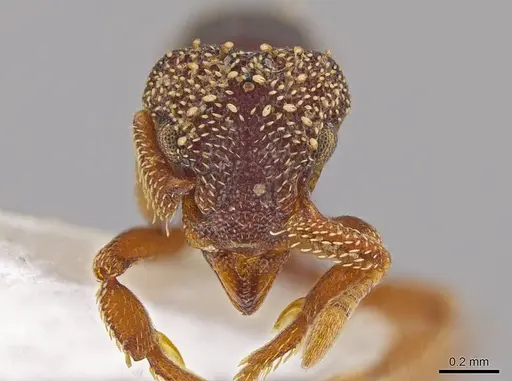
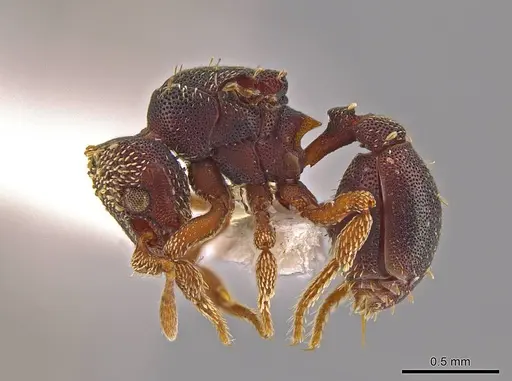
INBIOCRI001281403
View on AntWeb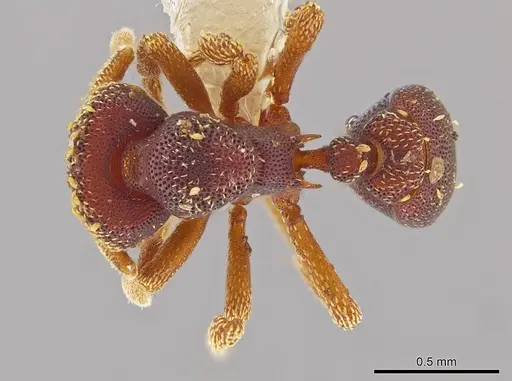
Literature
Loading...Loading products...