

Eurhopalothrix ortizae
- Scientific Name
- Eurhopalothrix ortizae
- Tribe
- Attini
- Subfamily
- Myrmicinae
- Author
- Longino, 2013
- Distribution
- Found in 2 countries
Eurhopalothrix ortizae Overview
Eurhopalothrix ortizae is an ant species of the genus Eurhopalothrix. It is primarily documented in 2 countries , including Costa Rica, Panama. Detailed taxonomic data and occurrence records can be further explored via authoritative databases such as AntWeb or the Global Biodiversity Information Facility (GBIF).
Eurhopalothrix ortizae
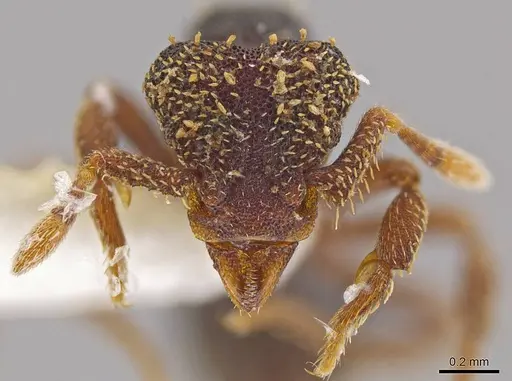
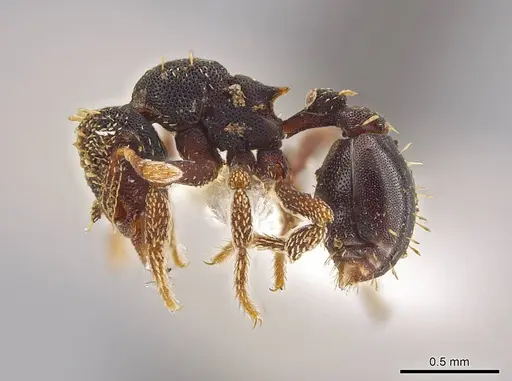
Eurhopalothrix ortizae is a tiny leaf litter ant from the cloud forests of Costa Rica and Panama. Workers measure just 0.65-0.75mm, making them among the smaller ants you'll encounter. They are dark brown to nearly black with a distinctive feature: their face bears 18 specialized spatulate (spoon-shaped) setae that help them acquire and hold a thin layer of clay for camouflage [1]. This cryptic coating makes them nearly invisible against the forest floor soil they inhabit. The genus Eurhopalothrix is characterized by 7-segmented antennae and triangular mandibles with a single row of teeth [2].
What makes this species special is its extremely specialized lifestyle. It is a predator that uses stealth or sit-and-wait techniques to capture prey in tropical leaf litter [2]. Unlike many ants that actively forage, these ants rely on crypsis and patience. They are restricted to narrow bands of dense cloud forest at ridge crests above 1400m elevation, where they occur in only about 1% of litter samples [1]. This combination of specialized habitat, cryptic behavior, and tiny size makes them a challenging but fascinating species for experienced antkeepers.
Quick Summary
- Difficulty: Expert
- Origin & Habitat: Costa Rica and Panama, mature cloud forest at 1400-1700m elevation. Found in sifted leaf litter and rotten wood from the forest floor [1][2].
- Colony Type: Likely single-queen colonies (monogyne), though colony structure has not been directly studied. As a leaf litter ant, colonies are probably small.
- Size & Growth:
- Queen: 0.71-0.72mm [1]
- Worker: 0.65-0.75mm [1]
- Colony: Unknown, but likely small (under 100 workers) based on typical litter ant patterns
- Growth: Unknown, likely slow given specialized predator lifestyle
- Development: Unknown, estimate 8-12 weeks based on similar small Myrmicinae at optimal temperature (No direct development data available. Tropical leaf litter ants typically develop slowly due to stable, cool cloud forest conditions.)
- Antkeeping:
- Temperature: Keep cool at 18-22°C. These are cloud forest ants accustomed to stable, mild temperatures. Avoid warmth above 25°C [1].
- Humidity: High humidity required, think damp forest floor. Keep substrate consistently moist but not waterlogged. Provide a gradient with a damp side and slightly drier area.
- Diapause: Unknown, cloud forests have mild year-round temperatures. May not require true diapause but could benefit from a slight cool period in winter.
- Nesting: Naturalistic setup works best. They nest in rotten wood and leaf litter in the wild. A Y-tong or plaster nest with small chambers mimics their natural environment. Provide leaf litter and small pieces of rotting wood in the outworld.
- Behavior: Extremely cryptic and secretive. Workers are slow-moving and rely on camouflage rather than escape or aggression. They are predators using sit-and-wait hunting techniques [2]. Not aggressive and unlikely to sting, their defense is remaining undetected. Escape risk is very high due to their tiny size, they can squeeze through the smallest gaps. Excellent escape prevention is essential.
- Common Issues: tiny size makes escape likely without fine mesh barriers, specialized predator diet means accepting only live small prey, rare in the wild so wild-caught colonies are uncommon, slow growth requires patience, high humidity needs can lead to mold if ventilation is poor
Nest Preferences and Housing
Eurhopalothrix ortizae is a leaf litter specialist that nests in sifted litter and rotting wood on the forest floor [1]. In captivity, they do best in a naturalistic setup that mimics this environment. A Y-tong (acrylic) nest with small, tight chambers works well, or you could use a plaster nest with a small water reservoir. The key is providing appropriately scaled chambers, these ants are tiny, so avoid large open spaces. In the outworld, add leaf litter, small pieces of rotting wood, and other forest floor materials they can hide under. They prefer dark, humid microhabitats and will spend most of their time in the nest or under cover in the outworld.
Feeding and Diet
This species is a specialized predator that uses stealth or sit-and-wait techniques to capture prey in leaf litter [2]. In captivity, you must provide live small prey. They are too small to tackle typical ant feeders like mealworms or crickets. Offer small live prey such as springtails, fruit flies (Drosophila), tiny isopods, and other micro-arthropods. Because they rely on sit-and-wait hunting, prey should be small enough to be caught easily and should be introduced into the nest area where the ants can encounter them. Sugar sources are unlikely to be accepted, they are predators, not honeydew feeders. Feed every 2-3 days and remove uneaten prey to prevent mold.
Temperature and Humidity
These are cloud forest ants from 1400-1700m elevation in Costa Rica [1]. They need cool, stable conditions, aim for 18-22°C. Avoid temperatures above 25°C, as this is outside their natural range and could stress or kill the colony. Room temperature in most homes should work, but monitor during summer heatwaves. Humidity should be high, think damp forest floor. Keep the nest substrate consistently moist but not waterlogged. Allow for some variation so the ants can choose their preferred microclimate. Good ventilation is important to prevent mold while maintaining humidity.
Behavior and Temperament
Eurhopalothrix ortizae is an extremely cryptic species. Workers are slow-moving and often coated with a thin layer of clay that functions as camouflage [2]. They are not aggressive and rely on remaining undetected rather than fighting. You will rarely see active foraging, they prefer to wait in ambush for prey to come within reach. This makes them a 'watching' ant rather than an active-display species. Their primary defense is crypsis, not stinging or biting. Because of their tiny size (under 1mm), escape prevention must be excellent. Use fine mesh (at least 0.5mm or tighter) on all openings and apply fluon to barrier edges.
Colony Establishment
Establishing a colony of this species is challenging because they are rare in the wild (found in only about 1% of litter samples at their peak elevation) [1]. If you obtain a queen, she was likely caught during a nuptial flight, but the timing of these flights is unconfirmed. The founding type is unconfirmed, but based on typical Myrmicinae patterns, she is likely claustral, meaning she seals herself in a chamber and lives off stored fat until her first workers hatch. Expect a slow founding period. The first workers (nanitics) will be very small and may take several months to appear. Patience is essential with this species.
Frequently Asked Questions
How long does it take for Eurhopalothrix ortizae to produce first workers?
The exact timeline is unknown, but based on similar small Myrmicinae, expect 8-12 weeks from egg to worker at optimal temperature (around 20°C). Founding is likely slow, be patient.
Can I keep Eurhopalothrix ortizae in a test tube?
A test tube is not ideal for this species. They need a naturalistic setup with small chambers scaled to their tiny size. A Y-tong or plaster nest with leaf litter in the outworld works better.
What do Eurhopalothrix ortizae eat?
They are specialized predators that need live small prey. Offer springtails, fruit flies, tiny isopods, and other micro-arthropods. They will not accept sugar water or typical ant feeders.
Are Eurhopalothrix ortizae good for beginners?
No. This is an expert-level species due to their tiny size, specialized predator diet, high humidity needs, and cryptic behavior. They require live micro-prey and careful environmental control.
How big do Eurhopalothrix ortizae colonies get?
Colony size is unknown but likely remains small (under 100 workers) based on typical leaf litter ant patterns. They are not a fast-growing species.
Do Eurhopalothrix ortizae need hibernation?
Diapause requirements are unconfirmed. Cloud forests have mild year-round temperatures. They may not need a true hibernation but could benefit from a slight cool period in winter.
Why are my Eurhopalothrix ortizae dying?
Common causes include: temperature too warm (above 25°C), low humidity, lack of live prey, and escape through tiny gaps. Check all parameters and ensure you are providing appropriate small live prey.
When should I move them to a formicarium?
Wait until the colony has at least 20-30 workers and is actively foraging. For this species, a naturalistic setup with a Y-tong or plaster nest works well from the start if you have a founding queen.
Can I keep multiple queens together?
Combining unrelated queens has not been documented for this species. Based on typical litter ant behavior, it is not recommended. Keep one queen per colony.
References

This caresheet is licensed under CC BY-SA 4.0 .
INBIOCRI001281341
View on AntWeb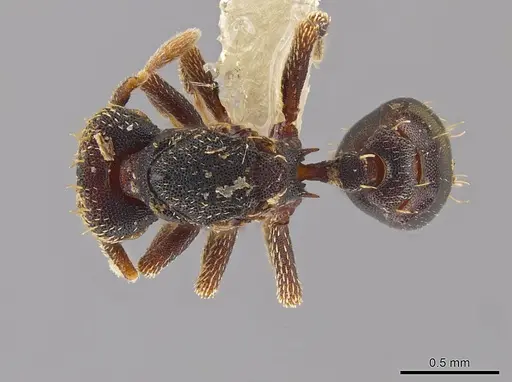
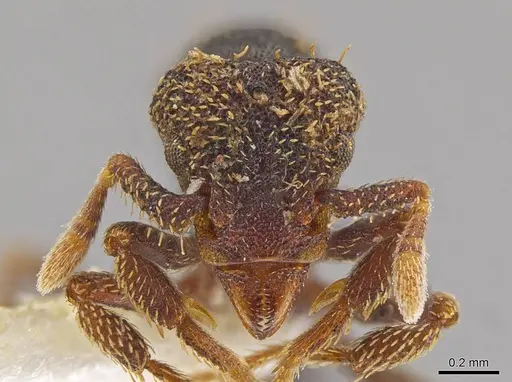
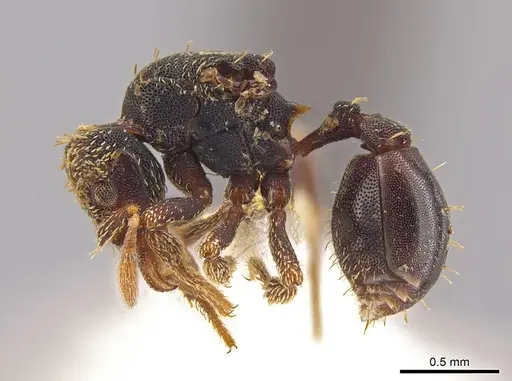
INBIOCRI001281342
View on AntWeb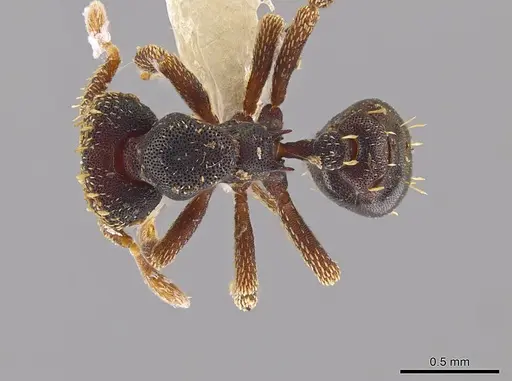
Literature
Loading...Loading products...