

Eurhopalothrix heliscata
- Scientific Name
- Eurhopalothrix heliscata
- Tribe
- Attini
- Subfamily
- Myrmicinae
- Author
- Wilson & Brown, 1985
- Distribution
- Found in 1 countries
Eurhopalothrix heliscata Overview
Eurhopalothrix heliscata is an ant species of the genus Eurhopalothrix. It is primarily documented in 1 countries , including Malaysia. Detailed taxonomic data and occurrence records can be further explored via authoritative databases such as AntWeb or the Global Biodiversity Information Facility (GBIF).
Eurhopalothrix heliscata
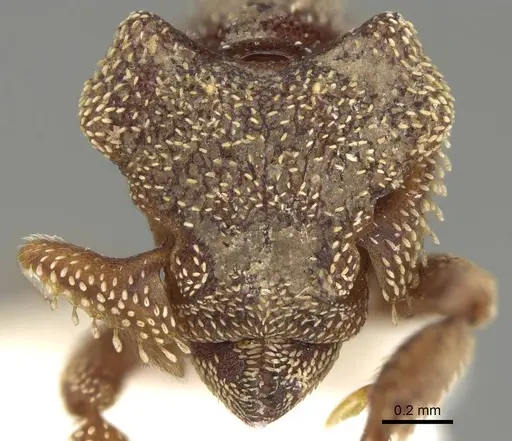
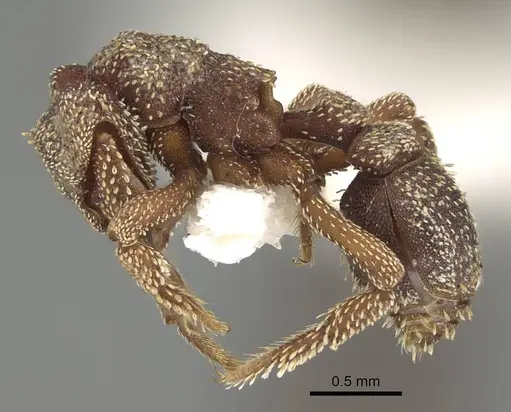
Eurhopalothrix heliscata is a small, cryptobiotic ant native to the rainforests of Singapore and Malaysia. Workers measure 4.0-4.7mm with a distinctive wedge-shaped head, hard body, and unusual pilosity that gives them a studded appearance. Their bodies are deep reddish-brown and remarkably camouflaged to blend with rotting wood and soil particles where they live. This species is one of the few Basicerotines to have its biology studied in detail, making it a fascinating species for experienced antkeepers interested in predatory behavior and colony dynamics. Unlike many ants, E. heliscata are solitary hunters that specialize in preying on termites, using a unique hunting strategy of seizing prey appendages and stinging them while waiting for paralysis.
Quick Summary
- Difficulty: Expert
- Origin & Habitat: Singapore and Malaysia, found in lowland rainforest, nesting in red rotting wood half-buried in soil [1]
- Colony Type: Multi-queen colony with documented queen fighting during colony establishment. The original colony contained 26 alate queens and 6 dealate queens, with fighting reducing queen numbers from 25 to 5 during early laboratory observation [1].
- Colony: Polygyne
- Size & Growth:
- Queen: Not specifically measured in available papers, estimated similar to worker size range based on genus patterns
- Worker: 4.0-4.7mm [1]
- Colony: Hundreds of workers, one studied colony had 424 workers initially, another had 'hundreds' [1]
- Growth: Slow, development is extended with limited brood production (10-40 eggs,5 larvae observed) [1]
- Development: Unknown, direct development timeline not studied. Based on limited brood observations (10 eggs,5 larvae at any time), development is likely extended [1] (Brood production is notably low compared to typical myrmicines, only 10-40 eggs and up to 5 larvae present at any time. This slow development reflects their specialized predatory lifestyle.)
- Antkeeping:
- Temperature: Keep at 24-26°C based on their tropical rainforest origin. A gentle temperature gradient allows the colony to self-regulate. Room temperature in most homes should be adequate if within this range.
- Humidity: High humidity is essential, these ants live in rotting wood in humid rainforest conditions. Keep nest substrate consistently moist but not waterlogged. The nest material should feel damp to the touch.
- Diapause: No, as a tropical species from Singapore/Malaysia, they do not require hibernation. Maintain warm conditions year-round.
- Nesting: Nesting requires rotting wood or a naturalistic setup that mimics their natural environment. A plaster or acrylic formicarium with tight chambers and passages works well. They prefer narrow spaces and will utilize outstations away from the main nest for staging foraging raids. The nest should have areas of varying humidity.
- Behavior: Eurhopalothrix heliscata is a fascinating but challenging species to keep. Workers move slowly and deliberately, often pressing into tight spaces. They are cryptobiotic, when disturbed, they freeze and may feign death by crumpling into a ball. They are not aggressive toward humans and rarely sting. Workers are solitary hunters that specialize in termite predation. They can recruit nestmates to food finds (10+ prey items) but do not use chemical trails. Escape risk is moderate, their small size (4-5mm) means fine mesh barriers are recommended.
- Common Issues: slow growth and limited brood production can frustrate keepers expecting rapid colony development, specialized diet, they require live termites or similar small prey, not typical ant foods, queen fighting may occur when establishing multi-queen colonies, monitor closely, high humidity requirements can lead to mold if ventilation is inadequate, wild-caught colonies may have parasites that are difficult to detect and treat
Housing and Nest Setup
Eurhopalothrix heliscata requires a naturalistic setup that mimics their rotting wood habitat. A plaster or acrylic formicarium with carved chambers works well, with chamber sizes ranging from 1-10mm to match their natural nest galleries. The nest should have tight passages that allow workers to press their wedge-shaped bodies into crevices. Include an outstation area, these ants maintain staging areas away from the brood chambers for conducting foraging raids. Line all enclosure edges with Fluon or talc to prevent escapes. Place moist substrate or a water reservoir in the nest area to maintain high humidity. Add some original nest material or leaf litter from their habitat if available to increase familiarity. [1]
Feeding and Diet
This species is a specialized termite predator and represents one of the most specialized diets in antkeeping. Workers are solitary hunters that ambush and capture termites in rotting wood. In captivity, their primary food should be live termites, offer them regularly and in quantities matching colony size. They will also accept other small insects including fruit flies (Drosophila) and can learn to accept Nasutitermes. The hunting method is distinctive: workers approach prey slowly with mandibles spread open, then clamp onto the prey's appendage, retract their antennae for protection, and sting, hanging on for 5-10 minutes until the prey is paralyzed. Unlike most ants, they do not practice trophallaxis (liquid food sharing), both adults and larvae feed directly on prey items. Do not rely on sugar water or typical ant sweets, these are not part of their natural diet. [1]
Temperature and Humidity
As a tropical species from Singapore and Malaysia, E. heliscata requires warm, humid conditions. Maintain temperatures in the 24-26°C range, this is warm but not extreme for tropical ants. A heating cable on one side of the nest can create a gentle gradient if room temperature is lower. Humidity is critical: these ants live in rotting wood in humid rainforest understory. Keep the nest substrate consistently moist but never waterlogged. The substrate should feel damp to the touch. Inadequate humidity will stress the colony and slow or stop brood development. Ensure adequate ventilation to prevent mold while maintaining humidity, this balance is key to success with this species. [1]
Behavior and Colony Dynamics
The behavior of E. heliscata is remarkably different from typical ants. Workers move slowly and deliberately, often stopping to rest motionless for long periods. They are highly thigmotactic, they prefer tight spaces and will press their wedge-shaped bodies into narrow crevices. Their body shape, with a retractable antennae design that tucks into antennal scrobes, allows them to forage in spaces other ants cannot access. They are cryptobiotic, their coloration and slow movements make them nearly invisible against rotting wood. When threatened, they freeze and may feign death by crumpling into a ball. Age polyethism is present: younger (lighter-colored) workers attend the brood while older (darker, more incrusted) workers forage. Queens engage in fighting during colony establishment, this is unusual among ants and should be monitored when introducing multiple queens. [1]
Reproduction and Colony Growth
Colony growth is notably slow compared to typical myrmicine ants. The studied colony maintained only 10-40 eggs and approximately 5 larvae at any given time. This limited brood production is characteristic of the species and should not be interpreted as a problem. Queens can produce eggs continuously once established, but the development timeline from egg to worker is extended. The species is polygynous, multiple queens can coexist in established colonies, though initial queen fighting has been documented. Nuptial flights have not been directly observed, but the presence of alate (winged) queens in colonies indicates sexual reproduction occurs. For antkeepers, this means patience is essential, colonies grow slowly but can reach hundreds of workers over time. [1]
Defense and Temperament
Eurhopalothrix heliscata relies on crypsis rather than aggression for defense. Their bodies closely match the particles of rotting wood and soil among which they live. When disturbed, workers freeze in position for a minute or longer. If physically touched, they feign death by crumpling into a ball-like posture, remaining motionless for several minutes before resuming activity. They do not show alarm behavior toward nestmates when threatened, other ants nearby simply ignore the threat. When attacked by Pheidole workers in laboratory tests, they typically backed away or froze rather than fighting. Their sting is relatively long (0.3mm when extruded) but they rarely use it against larger threats. For antkeepers, they pose minimal danger, they are not aggressive and their sting is mild. [1]
Frequently Asked Questions
Can I keep Eurhopalothrix heliscata in a test tube?
A test tube is not ideal for this species. They require a naturalistic setup with rotting wood or a formicarium with tight chambers that mimic their natural nesting in rotting logs. Their behavior of using outstations and staging areas also requires more space than a simple test tube setup provides.
What do Eurhopalothrix heliscata eat?
They are specialized termite predators. Their primary food should be live termites, which they hunt solitarily using their unique appendage-seizing technique. They will also accept small live insects like fruit flies. Unlike most ants, they do not accept sugar water or typical ant foods, they are obligate predators.
How long does it take for first workers to appear?
The exact egg-to-worker timeline has not been documented for this species. However, based on their limited brood production (only 10-40 eggs and 5 larvae at any time), development is slow. Expect an extended timeline compared to typical ants, patience is essential with this species.
Are Eurhopalothrix heliscata good for beginners?
No, this is an expert-level species. They require specialized housing (naturalistic setup with rotting wood), a specialized diet (live termites), high humidity, and slow growth requires patient keepers. Their unique behaviors and requirements make them unsuitable for beginners.
Can I keep multiple queens together?
Yes, this is a polygynous species, multiple queens naturally coexist in established colonies. However, documented fighting occurs during initial colony establishment, with queen numbers reducing significantly. Monitor queen interactions when establishing a colony and be prepared to separate if necessary.
How big do colonies get?
Colonies reach hundreds of workers. The studied Singapore colony had 424 workers, and the Malaysian colony also had 'hundreds.' This is moderate colony size compared to some myrmicines but growth is slow.
Do they need hibernation?
No, they do not require hibernation. As a tropical species from Singapore and Malaysia, they need warm conditions year-round. Maintain temperatures in the 24-26°C range throughout the year.
Why are my Eurhopalothrix heliscata dying?
Common causes include: inadequate humidity (they require consistently moist nest conditions), improper diet (they need live termites, not sugar or processed foods), stress from disturbance (they are cryptobiotic and sensitive to vibrations and light changes), and mold from poor ventilation. Review each of these factors when troubleshooting.
When should I move them to a formicarium?
Move them when the test tube or founding setup becomes too cramped for the growing colony. However, given their specialized requirements, consider establishing them directly in a naturalistic setup rather than transitioning later. They benefit from having access to outstation areas from the start.
Do they have any unique behaviors?
Yes, many unique behaviors: they are solitary termite hunters (not raiders), they use a distinctive appendage-seizing hunting technique, they make outstations away from the nest for staging raids, they do not practice trophallaxis, they have age polyethism with young workers tending brood and older workers foraging, and they feign death when threatened. They also have unusual queen-fighting behavior during colony establishment.
References

This caresheet is licensed under CC BY-SA 4.0 .
CASENT0900938
View on AntWeb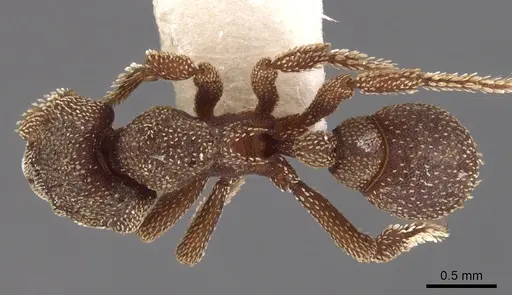
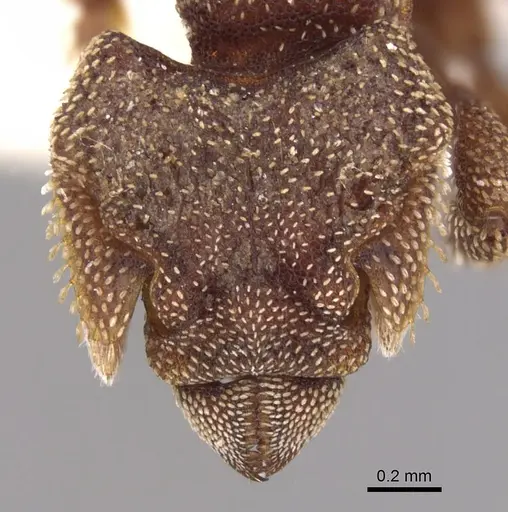
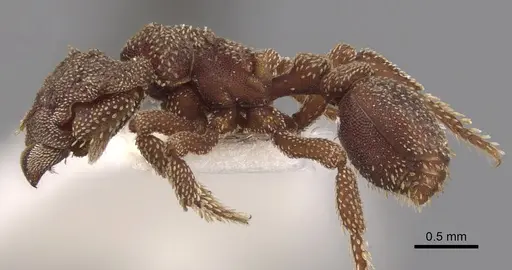
CASENT0914901
View on AntWeb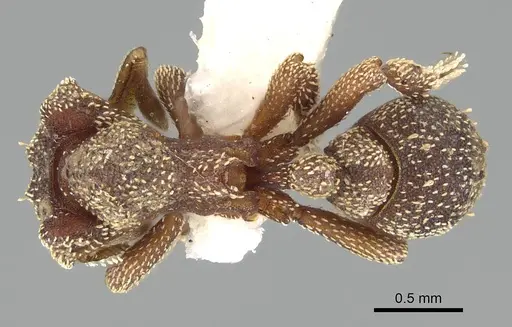
Literature
Loading...Loading products...