

Eurhopalothrix dubia
- Scientific Name
- Eurhopalothrix dubia
- Tribe
- Attini
- Subfamily
- Myrmicinae
- Author
- Taylor, 1990
- Distribution
- Found in 2 countries
Eurhopalothrix dubia Overview
Eurhopalothrix dubia is an ant species of the genus Eurhopalothrix. It is primarily documented in 2 countries , including Indonesia, Malaysia. Detailed taxonomic data and occurrence records can be further explored via authoritative databases such as AntWeb or the Global Biodiversity Information Facility (GBIF).
Eurhopalothrix dubia
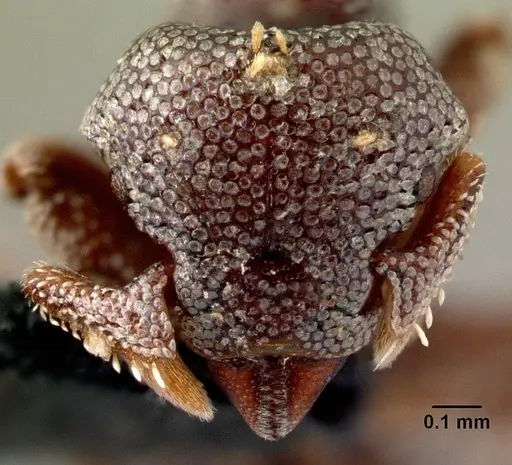
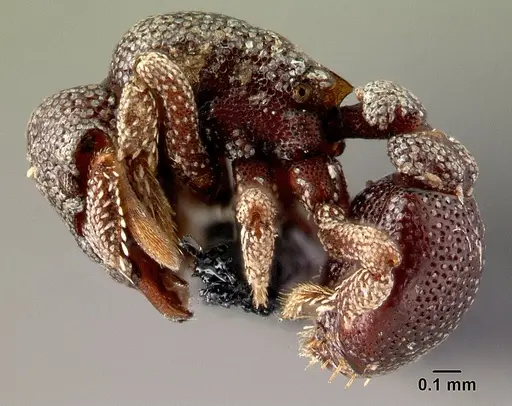
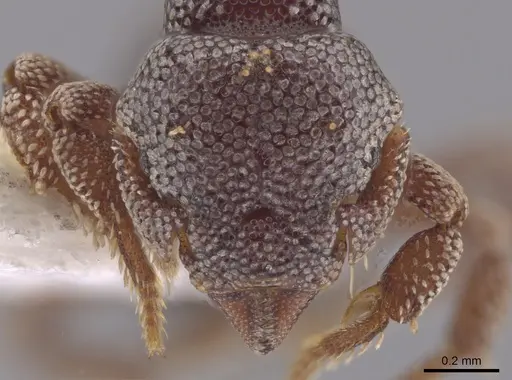
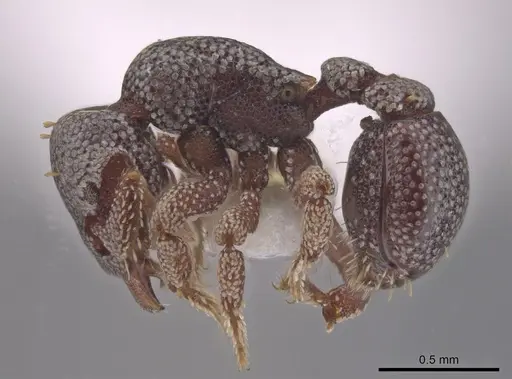
Eurhopalothrix dubia is a tiny leaf-litter ant native to the rainforests of Borneo and Indonesia. Workers measure just 0.73-0.85mm in head width, making them among the smaller ants you'll encounter [1]. They belong to the tribe Attini, which includes fungus-growing ants, though this species appears to be a small predator or scavenger in the leaf-litter layer rather than a leaf-cutter. The most distinctive feature is their dense covering of silvery, scale-like (squamiform) hairs that give them a fuzzy, almost metallic appearance under magnification. They have six thick standing setae on the upper part of the head arranged in a distinctive pattern [1]. These ants are extremely rare in captivity due to their tiny size and specialized habitat, they're collected directly from rainforest leaf mould using specialized extraction methods.
What makes E. dubia particularly interesting is their specialized setae arrangement, they have a square array of four standing setae grouped in the middle of the head, with two additional setae on each side anterior to this array [1]. This species is part of the E. platisquama group and was described by Taylor in 1990 from specimens collected in Sabah, Malaysia. They're found in both lowland and mid-elevation rainforests, indicating some flexibility in altitude tolerance [1].
Quick Summary
- Difficulty: Expert
- Origin & Habitat: Borneo and Indonesia (Indomalaya Region), specifically Sabah, Malaysia and surrounding areas. They live in rainforest leaf litter in humid, shaded forest floors, typically at lowland to mid-elevations (near sea level to around 620m) [1].
- Colony Type: Colony structure is unconfirmed. Based on related species in the genus, likely single-queen colonies. No documented ergatoid (wingless replacement) queens found for this specific species.
- Size & Growth:
- Queen: Undescribed in detail, only briefly mentioned by Taylor 1990 [2]. Estimated similar to worker size but slightly larger.
- Worker: 0.73-0.85mm head width (HW), with holotype at 0.74mm [1]. Total body length approximately 2-3mm estimated.
- Colony: Unknown but likely small, under 100 workers based on typical leaf-litter ant patterns and the genus being generally colony-small.
- Growth: Unknown, likely slow to moderate given small colony size.
- Development: Unconfirmed. Estimated 6-10 weeks based on typical Myrmicinae patterns in tropical conditions. (No specific development data exists for this species. Related tropical Myrmicinae typically develop in 6-10 weeks at warm temperatures.)
- Antkeeping:
- Temperature: Keep warm at 24-28°C. These are tropical rainforest ants requiring stable, warm conditions similar to their natural habitat in Borneo [1]. A heating cable on one side of the nest creates an appropriate gradient.
- Humidity: Very high humidity required, think damp rainforest floor. Keep the nest substrate consistently moist but not waterlogged. Leaf-litter ants from Borneo need humidity around 70-85%. Provide a water reservoir and mist regularly, but ensure ventilation to prevent mold.
- Diapause: No, being tropical, they do not require hibernation. Keep temperatures stable year-round.
- Nesting: These tiny ants live in leaf litter and soil. In captivity, they do best in a naturalistic setup with moist substrate (like a terrarium style) or a small acrylic/plaster nest with very tight chambers scaled to their tiny size. They need tight spaces, avoid large open areas. A thin layer of moist soil/peat with leaf litter on top mimics their natural environment.
- Behavior: These are extremely tiny, cryptic leaf-litter ants. They are not aggressive and likely flee from disturbance rather than defend. Workers forage in the soil and leaf-litter layer, probably hunting small micro-arthropods or scavenging [2]. Escape prevention is absolutely critical, their tiny size means they can squeeze through the smallest gaps. They are slow-moving and cryptic, not active foragers like larger ants. They will likely remain hidden in the substrate most of the time.
- Common Issues: escape prevention is critical, they are tiny enough to squeeze through standard barrier gels and most mesh, colonies are slow to establish and may fail if conditions aren't optimal, high humidity requirements can lead to mold problems if ventilation is poor, they may refuse to eat standard ant foods, live micro-prey is likely essential, stress-sensitive, wild-caught colonies may not adapt to captivity
Housing and Nest Setup
Eurhopalothrix dubia presents unique housing challenges due to its extremely small size. These ants measure less than 1mm in width, which means they can escape through gaps that would hold back larger ants. Use a terrarium-style setup with a thin layer of moist substrate (peat, coco fiber, or a mix) topped with leaf litter to mimic their natural rainforest floor environment. Alternatively, a small acrylic nest with chambers scaled to their tiny size works, but ensure all connections and edges are sealed with fluon or another barrier. The key is providing tight, enclosed spaces, these ants don't use large open foraging areas. A water tube connected to the nest helps maintain humidity without constant misting. Avoid test tubes for established colonies, the diameter is too large and the ants may feel exposed. A naturalistic setup with moist soil and leaf litter is ideal for this species. [1]
Feeding and Diet
The tribe Attini includes fungus-growing ants, but E. dubia is not a leaf-cutter and appears to be a small predator or scavenger in the leaf-litter layer [2]. In captivity, offer small live prey such as springtails, micro- mites, or fruit flies. These tiny ants likely hunt or scavenge micro-arthropods in nature. Sugar sources may be accepted but are not a primary food source, focus on protein. Offer small prey items twice weekly and remove any uneaten prey after 24 hours to prevent mold. Given their tiny size, even fruit fly pieces may be too large, consider chopping prey into smaller pieces or culturing the smallest feeder insects available. Acceptance of commercial ant foods is uncertain, live prey is the safest choice.
Temperature and Humidity
As tropical rainforest ants from Borneo, E. dubia requires warm, humid conditions. Maintain temperatures between 24-28°C with minimal fluctuation. A heating cable placed on one side of the nest creates a gentle thermal gradient. Humidity should be high, aim for 70-85% relative humidity within the nest. This is critical for their survival. Use a water reservoir connected to the nest and mist the outer enclosure regularly. However, balance humidity with adequate ventilation to prevent mold growth, which can quickly kill small colonies. The substrate should feel consistently moist but never waterlogged. Place the nest in a shaded area away from direct sunlight, these are leaf-litter ants that naturally live in the dark, humid understory. [1]
Handling and Colony Care
This species is not recommended for beginners. Wild-caught colonies are extremely difficult to establish in captivity due to their specialized requirements and stress sensitivity. If you obtain a colony, minimize disturbances, these are cryptic ants that prefer darkness and will stress easily. Do not dig or disturb the nest frequently. Colony growth will be slow, so patience is essential. Monitor for mold, mites, and other pests that can quickly overwhelm small colonies. Because they are so small, individual ants are difficult to observe without magnification. Consider using a magnifying glass or macro lens to monitor colony health. If workers are dying rapidly or the queen stops laying eggs, review temperature, humidity, and food offerings immediately.
Frequently Asked Questions
How long does it take for Eurhopalothrix dubia to produce first workers?
The egg-to-worker timeline is unconfirmed for this species. Based on typical Myrmicinae patterns in tropical conditions, expect 6-10 weeks at optimal temperature (24-28°C). Growth is likely slow given their small colony size.
Can I keep Eurhopalothrix dubia in a test tube?
Test tubes are not ideal for established colonies. The chambers are too large and open for these tiny ants, which prefer tight spaces in leaf litter. A naturalistic terrarium setup or small acrylic nest with appropriately scaled chambers works better.
What do Eurhopalothrix dubia ants eat?
They are likely small predators or scavengers in the leaf-litter layer. Feed small live prey like springtails, micro-mites, or chopped fruit flies. Protein is essential, sugar sources may be accepted but are not primary.
Are Eurhopalothrix dubia good for beginners?
No. This species is rated Expert difficulty due to their extremely small size, critical escape prevention needs, high humidity requirements, and difficulty establishing wild-caught colonies. They are not recommended for beginners.
How big do Eurhopalothrix dubia colonies get?
Colony size is unconfirmed but likely remains small, probably under 100 workers based on typical leaf-litter ant patterns and their tiny individual size.
Do Eurhopalothrix dubia need hibernation?
No. Being tropical ants from Borneo, they do not require hibernation. Keep temperatures stable year-round at 24-28°C.
Why are my Eurhopalothrix dubia escaping?
Their tiny size (under 1mm) means they can squeeze through the smallest gaps. Standard barrier gels and most mesh are ineffective. Use fluon on all nest edges and ensure any ventilation has fine mesh (at least 0.5mm or smaller). Check all seals regularly.
When should I move Eurhopalothrix dubia to a formicarium?
If starting with a founding queen, keep her in a small test tube setup for founding. Once workers establish and the colony grows, transfer to a naturalistic terrarium or small acrylic nest with appropriately sized chambers. Avoid disturbing the queen during the founding phase.
Can I keep multiple queens together?
Colony structure is unconfirmed for this species. Combining unrelated queens has not been documented and is not recommended. Based on typical genus patterns, they likely form single-queen colonies.
References

This caresheet is licensed under CC BY-SA 4.0 .
CASENT0179641
View on AntWeb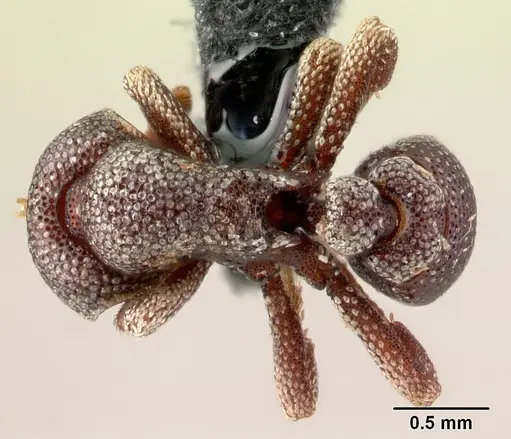
CASENT0634903
View on AntWeb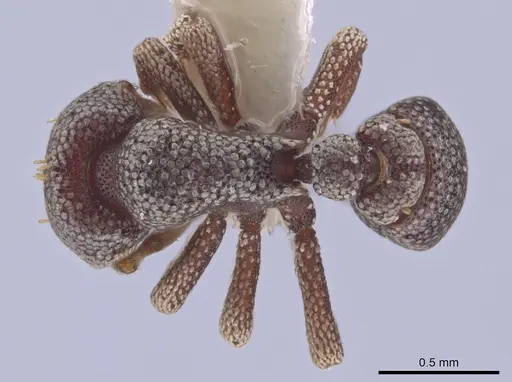
Literature
Loading...Loading products...