

Eurhopalothrix circumcapillum
- Scientific Name
- Eurhopalothrix circumcapillum
- Tribe
- Attini
- Subfamily
- Myrmicinae
- Author
- Longino, 2013
- Distribution
- Found in 2 countries
Eurhopalothrix circumcapillum Overview
Eurhopalothrix circumcapillum is an ant species of the genus Eurhopalothrix. It is primarily documented in 2 countries , including Costa Rica, Nicaragua. Detailed taxonomic data and occurrence records can be further explored via authoritative databases such as AntWeb or the Global Biodiversity Information Facility (GBIF).
Eurhopalothrix circumcapillum
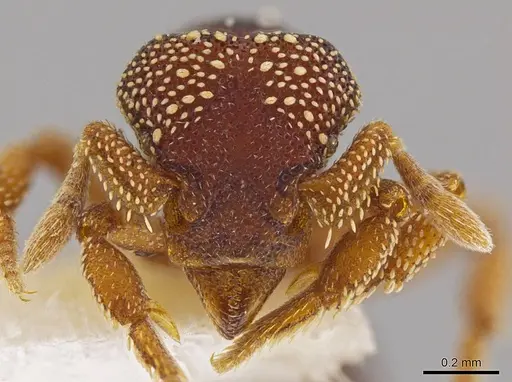
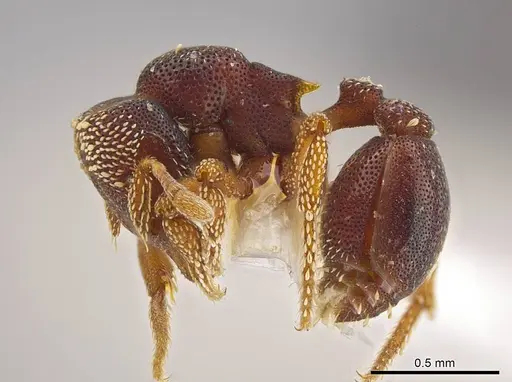
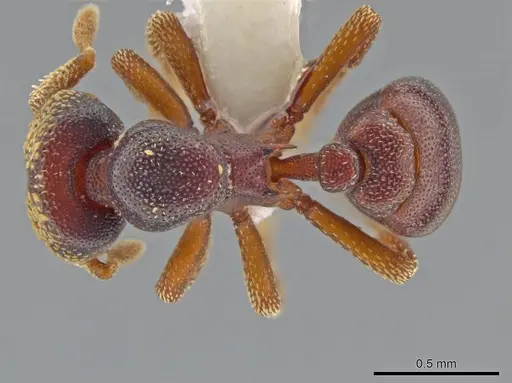
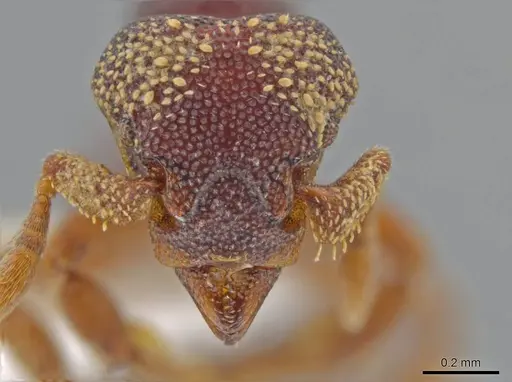
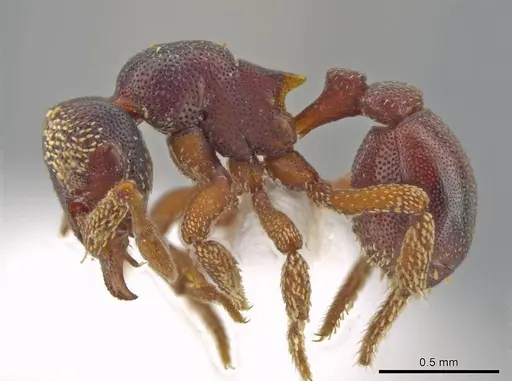
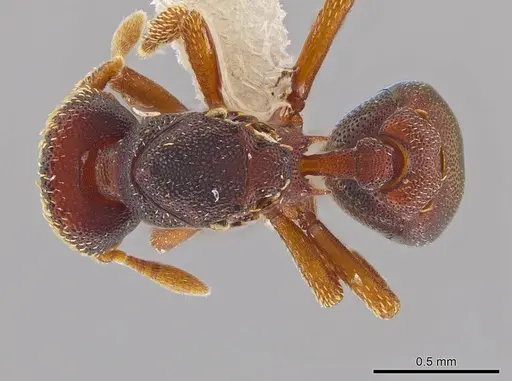
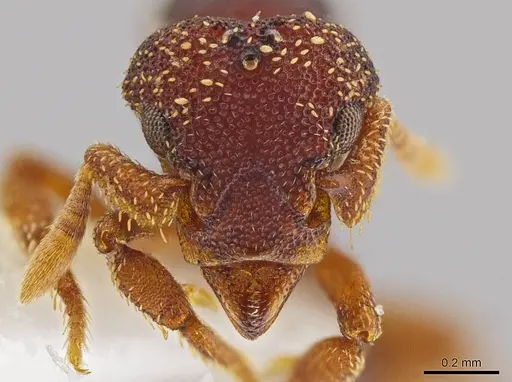
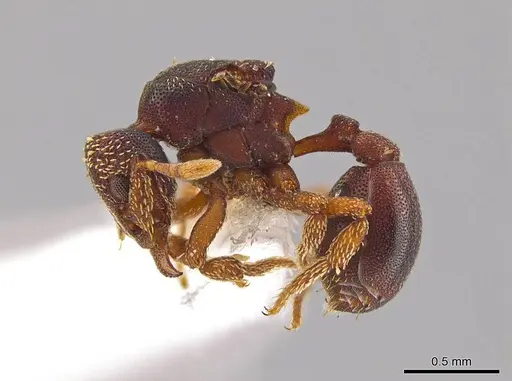
Eurhopalothrix circumcapillum is an exceptionally tiny leaf litter ant from the rainforests of Nicaragua and Costa Rica. Workers measure just 0.66-0.75mm, making them among the smallest ants you'll encounter, barely visible against a pencil tip. They are dark brown with distinctive spatulate (spoon-shaped) hairs on their face and a unique ability to coat themselves in a layer of clay for camouflage [1][2]. These ants live in the wet forest floor, nesting in sifted leaf litter and rotting wood at elevations between 200-1110 meters [1]. What makes this species fascinating is their hunting strategy, they are sit-and-wait predators in tropical leaf litter, relying on stealth rather than active pursuit [2].
Quick Summary
- Difficulty: Expert
- Origin & Habitat: Nicaragua to Costa Rica, mature wet forest and lower cloud forest,200-1110m elevation [1]. Found in sifted leaf litter and rotten wood from the forest floor.
- Colony Type: Colony structure is unconfirmed. Only known from scattered specimens in Winkler samples, they occur in less than 5% of litter samples and are rarely collected [1].
- Size & Growth:
- Queen: 0.68-0.71mm head width [1], remarkably small, barely larger than workers
- Worker: 0.66-0.75mm head width [1]
- Colony: Unknown, likely small colonies based on rarity in samples [2]
- Growth: Unknown, estimated slow based on tiny size and leaf litter ant patterns
- Development: Unknown, no direct data available. Based on similar tiny Myrmicinae, estimate 8-12 weeks at optimal temperature. (Development timeline is unconfirmed. Small leaf litter ants typically develop slowly due to limited resources and small colony sizes.)
- Antkeeping:
- Temperature: Keep at 22-26°C. This species comes from warm, humid tropical forest, aim for stable intermediate temperatures with slight warmth. Avoid temperatures below 20°C or above 28°C.
- Humidity: High humidity is essential, these ants come from wet forest floor environments. Keep substrate consistently moist but not waterlogged. Provide a humidity gradient so ants can choose their preferred moisture level.
- Diapause: No, this is a tropical species from low latitudes. They do not require hibernation or winter rest.
- Nesting: Use a naturalistic setup with very small chambers scaled to their tiny size. A Y-tong or acrylic nest with tight passages works well. Provide abundant leaf litter material and small pieces of rotting wood in the outworld. They prefer tight, humid spaces that mimic the forest floor microhabitat.
- Behavior: These ants are extremely cryptic and difficult to observe. Workers are slow-moving and rely on sit-and-wait predation, they remain motionless until prey comes within range, then strike [2]. They are not aggressive and will flee rather than fight. Escape prevention is critical due to their tiny size, they can squeeze through the smallest gaps. They are not known to sting and pose no danger to humans.
- Common Issues: tiny size makes them extremely difficult to keep, escapes through any gap are likely, rare in the wild and difficult to acquire, most specimens come from scientific litter samples, specialized predator requiring live micro-prey, may not accept standard ant foods, slow growth and small colony sizes mean colonies are fragile, high humidity requirements can lead to mold problems if ventilation is poor
Housing and Setup
Eurhopalothrix circumcapillum presents significant housing challenges due to its minute size. Workers measure less than 1mm, making them one of the smallest ant species in captivity. You will need excellent escape prevention, even standard test tube cotton can be too loose a barrier. Use tight-fitting lids and consider applying fluon to all edges. The nest should have very small chambers and narrow passages scaled to their tiny size. A Y-tong nest with fine passages or a custom acrylic setup works best. The outworld should contain abundant leaf litter material, small rotting wood pieces, and other debris that mimics their natural forest floor habitat. Keep the setup humid and provide a water source via a cotton ball or small test tube. [1][2]
Feeding and Diet
This species is a specialized predator in the wild, using sit-and-wait hunting techniques in leaf litter [2]. In captivity, you will need to provide small live prey, springtails, tiny mites, and other micro-arthropods are the most appropriate. They are unlikely to accept standard ant foods like mealworms or honey water. Their small size means even tiny prey items are substantial meals. Feed small live prey items 2-3 times per week, adjusting based on colony consumption. Remove uneaten prey promptly to prevent mold. Sugar sources are unlikely to be accepted, these are obligate predators.
Temperature and Humidity
As a tropical species from Central American rainforests, Eurhopalothrix circumcapillum requires warm and humid conditions. Maintain temperatures between 22-26°C, avoid both cool conditions below 20°C and excessive heat above 28°C. Stable temperatures are preferred over fluctuations. High humidity is critical, these ants come from the wet forest floor where humidity is constantly high. Keep the nest substrate consistently moist but not waterlogged. Provide a humidity gradient so ants can self-regulate. In dry conditions, these ants will quickly desiccate. Use a hygrometer to monitor levels and aim for 70-85% humidity in the nest area. [1]
Behavior and Observation
Observing these ants is a challenge due to their cryptic nature and minute size. Workers move slowly and deliberately, often remaining motionless for extended periods as they employ sit-and-wait hunting strategies [2]. They are not aggressive and will retreat from threats rather than engage. The most fascinating aspect of this species is their ability to acquire a clay coating, workers are often found with a thin layer of clay on their faces, which provides camouflage against predators [2]. This specialized behavior involves their unique spatulate setae that help adhere clay particles. Due to their small size and cryptic behavior, you will need patience and good lighting to observe them effectively. They are primarily nocturnal or active during dim conditions.
Acquisition and Rarity
This species is exceptionally rare in the antkeeping hobby and in scientific collections. Workers occur in less than 5% of Winkler litter samples, and even then only in small numbers [1]. Most specimens available for study come from scientific expeditions collecting leaf litter in Nicaragua and Costa Rica. You are unlikely to find this species from commercial ant sellers. If you do acquire them, treat the colony as extremely valuable, every worker matters. Wild-caught colonies may carry parasites or pathogens that can cause colony failure. Quarantine and observe carefully before introducing to any existing ant collection.
Frequently Asked Questions
How long does it take for Eurhopalothrix circumcapillum to produce first workers?
The egg-to-worker timeline is unconfirmed for this species. Based on similar tiny leaf litter ants, estimate 8-12 weeks at optimal temperature. Their small size and likely slow colony growth mean you will need patience during the founding phase.
Can I keep Eurhopalothrix circumcapillum in a test tube?
Test tubes can work but require modification due to their tiny size. Standard test tube barriers may be too loose. Use fine mesh or cotton, and apply fluon around all edges for escape prevention. The chambers must be very small and tight-fitting.
What do Eurhopalothrix circumcapillum ants eat?
They are specialized predators requiring live micro-prey. Offer springtails, tiny mites, and other micro-arthropods. They are unlikely to accept sugar water, honey, or larger prey items. Their tiny size means even small prey represents a substantial meal.
Are Eurhopalothrix circumcapillum good for beginners?
No, this species is extremely difficult to keep and is not recommended for beginners. Their minute size, specialized diet requirements, high humidity needs, and rarity make them suitable only for experienced antkeepers with specialized setups.
How big do Eurhopalothrix circumcapillum colonies get?
Colony size is unknown but likely small. In the wild, they are rarely encountered and occur in very low densities in litter samples. Expect colonies of probably under 100 workers based on related species patterns.
Do Eurhopalothrix circumcapillum need hibernation?
No, this is a tropical species from Central America and does not require hibernation or winter rest. Maintain warm temperatures year-round. They are adapted to consistent tropical conditions.
Why are my Eurhopalothrix circumcapillum dying?
Common causes include: low humidity (they desiccate quickly), wrong prey size (they need tiny micro-prey), escape (they squeeze through tiny gaps), and temperature issues (too cold or too hot). Check your setup carefully and ensure all parameters are within range.
When should I move Eurhopalothrix circumcapillum to a formicarium?
Move them only when the colony is established and growing, and the test tube no longer meets their needs. Given their tiny size and humidity requirements, a small Y-tong or custom acrylic nest with fine passages works best.
Can I keep multiple queens together?
Colony structure is unconfirmed for this species. Combining unrelated queens is not recommended since we do not know their natural colony founding behavior. Do not attempt pleometrosis without specific knowledge of this species.
References

This caresheet is licensed under CC BY-SA 4.0 .

Literature
Loading...Loading products...