

Eurhopalothrix caledonica
- Scientific Name
- Eurhopalothrix caledonica
- Tribe
- Attini
- Subfamily
- Myrmicinae
- Author
- Brown & Kempf, 1960
- Distribution
- Found in 1 countries
Eurhopalothrix caledonica Overview
Eurhopalothrix caledonica is an ant species of the genus Eurhopalothrix. It is primarily documented in 1 countries , including New Caledonia. Detailed taxonomic data and occurrence records can be further explored via authoritative databases such as AntWeb or the Global Biodiversity Information Facility (GBIF).
Eurhopalothrix caledonica
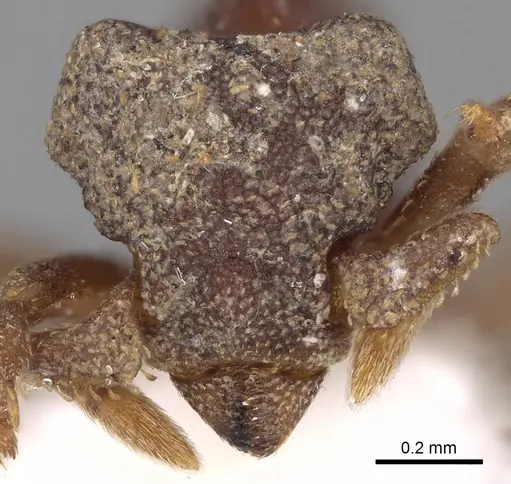
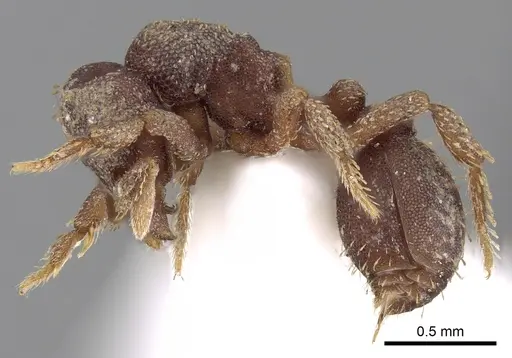
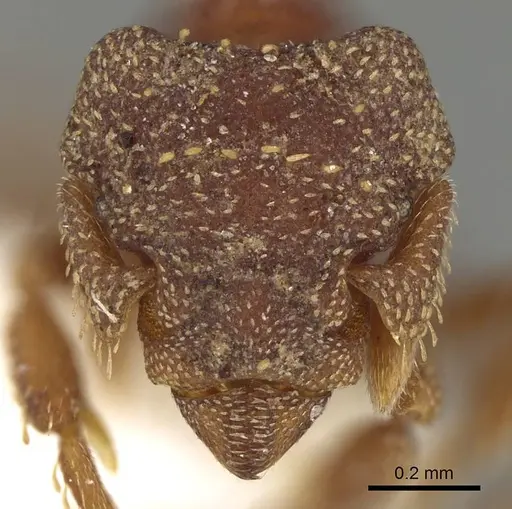
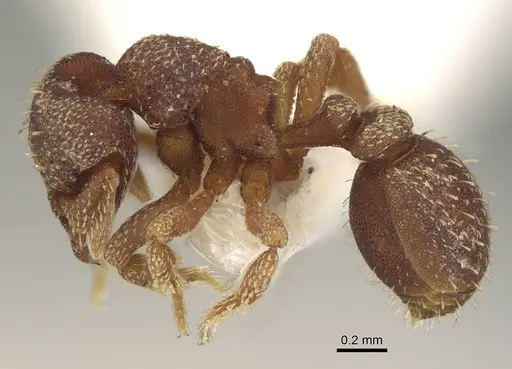
Eurhopalothrix caledonica is an exceptionally tiny ant species measuring just 2.9mm in total length, native exclusively to the rain forests of New Caledonia [1]. Workers are medium reddish-brown with lighter legs, and possess distinctive club-shaped (clavate) specialized hairs on their head and gaster, a key identification feature. These ants are cryptically colored and haired, blending remarkably well with the forest floor debris where they live.
This species represents a rarely-kept genus in captivity, collected primarily through berlesate (leaf litter extraction) methods rather than direct observation of colonies. As a member of the tribe Attini, these ants likely have specialized ecological roles in the rain forest ecosystem, though their exact behavior and colony structure remain poorly documented in scientific literature.
Quick Summary
- Difficulty: Expert
- Origin & Habitat: Endemic to New Caledonia, found exclusively in rain forest leaf litter at approximately 300m altitude near Mt. Canala. These ants are strictly forest-dwelling, requiring humid, shaded conditions similar to their natural leaf litter microhabitat.
- Colony Type: Colony structure is unconfirmed. Only three workers have ever been collected, all separately, suggesting either small colony sizes or highly cryptic behavior.
- Size & Growth:
- Queen: Unknown, no queen specimens have been described
- Worker: 2.9mm total length (TL), HL 0.65mm, HW 0.73mm
- Colony: Unknown, only three workers ever collected
- Growth: Unknown, no colony development data exists
- Development: Unknown, no development data available for this species (Based on typical Attini patterns and their tiny size, development is likely several months, but this is an estimate only)
- Antkeeping:
- Temperature: Keep at low-to-mid 22°C range. These ants come from a humid tropical rain forest, so stable warmth without drying is essential. Avoid temperature fluctuations.
- Humidity: High humidity is critical, think damp forest floor. Keep the nest substrate consistently moist but not waterlogged. Provide a gradient from damp to slightly drier areas so ants can self-regulate.
- Diapause: Unknown, no seasonal data exists for this species. Given their tropical rain forest origin, they likely do not require true hibernation, but may have reduced activity periods.
- Nesting: Naturalistic setup with deep leaf litter layers or a well-humidified Y-tong/plaster nest works best. These tiny ants need tight chambers scaled to their minute size. Avoid tall open spaces.
- Behavior: Extremely cryptic and rarely seen. Workers forage individually in leaf litter rather than on open trails. Temperament is non-aggressive, these are shy, secretive ants that avoid confrontation. Escape prevention is absolutely critical due to their minute size (under 3mm). They will squeeze through gaps you didn't know existed.
- Common Issues: escape prevention is critical, their tiny 2.9mm size means they can slip through standard barrier methods, no captive breeding data exists, establishing a colony may be extremely difficult, high humidity requirements make mold a constant risk if ventilation is poor, wild-caught colonies are essentially impossible since only three workers have ever been collected, slow or nonexistent growth makes this species unsuitable for impatient keepers
Why This Species Is So Rare in Captivity
Eurhopalothrix caledonica represents one of the most poorly known ant species in the hobby. Only three workers have ever been collected, all from separate leaf litter samples in New Caledonia rain forest. This makes them essentially unavailable for captive keeping, there are no established colonies, no documented captive breeding attempts, and no reliable source for wild-caught specimens. The species was described in 1960 and has rarely been encountered since. For antkeepers, this means starting from zero: no care guides, no established protocols, and no baseline for what works. This is truly a species for advanced researchers rather than hobbyists. [1]
Natural History and Habitat
This species is known only from the rain forests of New Caledonia, specifically from leaf litter samples collected at around 300m elevation near Mt. Canala. The type locality is described as rain forest with significant leaf litter accumulation. New Caledonia has a tropical climate with high year-round humidity, the island receives heavy rainfall and maintains warm temperatures throughout the year. These ants are part of the cryptic leaf litter fauna, living deep within the decomposing organic layer on the forest floor where conditions are constantly humid and temperatures are stable. The specialized clavate hairs on their head and body likely help them remain camouflaged among leaf litter debris.
Identification and Morphology
Workers measure just 2.9mm total length, making them among the smaller ants in the region. They are larger than their relatives E. brevicornis and E. australis but share a similar head shape. The most distinctive features are the clavate (club-shaped) specialized hairs: 16 on the head and about 24 on the gaster arranged in rough rows. The alitrunk has a distinct metanotal groove, and the propodeum shows a characteristic angular impression. The petiolar node is higher than long when viewed from the side, while the postpetiole is reniform (kidney-shaped) and roughly twice as wide as the petiolar node. Color is medium reddish-brown with lighter legs. These morphological details matter for identification because multiple similar species exist in the region.
Housing and Care Recommendations
While no established captive protocols exist, reasonable care recommendations can be inferred from their natural habitat. Use a naturalistic setup with substantial leaf litter layers or a well-humidified Y-tong/plaster nest with chambers scaled to their tiny size. Maintain high humidity (70-85% relative humidity) by keeping substrate consistently moist. Temperature should stay in the low-to-mid 22°C range, stable warmth without drying. Escape prevention must be exceptional: these ants are under 3mm and will escape through gaps invisible to the human eye. Use tight-fitting lids, fine mesh barriers, and consider applying fluon to all edges. Feed small live prey appropriate to their size, likely micro-arthropods like springtails or tiny fruit fly larvae. Sugar acceptance is uncertain.
Legal and Ethical Considerations
Eurhopalothrix caledonica is endemic to New Caledonia, a French overseas territory with strict environmental protections. Collecting specimens from the wild requires appropriate permits, and exporting wildlife from New Caledonia is heavily regulated. For antkeepers outside New Caledonia, obtaining this species legally would be extremely difficult if not impossible. Additionally, given that only three workers have ever been collected, any collection would be scientifically irresponsible as it could potentially harm already minuscule populations. This species is best appreciated through scientific literature rather than attempted captive keeping. [1]
Frequently Asked Questions
Can I keep Eurhopalothrix caledonica in captivity?
Practically speaking, no. This species has never been successfully kept in captivity, and only three workers have ever been collected in the wild. There are no documented captive colonies, no established breeding protocols, and no reliable source for specimens. This is an expert-only species that exists primarily in scientific collections.
How big do Eurhopalothrix caledonica colonies get?
Unknown. The maximum colony size has never been documented, only three workers have ever been collected, all separately. Based on their tiny size and cryptic lifestyle, colonies are likely small, possibly fewer than 100 workers.
What do Eurhopalothrix caledonica ants eat?
Unconfirmed, but as members of the tribe Attini, they likely consume small invertebrates or fungal materials. In captivity, you could offer small live prey like springtails, fruit fly larvae, or other micro-arthropods. Sugar acceptance is unknown. Feed conservatively given the lack of captive data.
How long does it take for Eurhopalothrix caledonica to develop from egg to worker?
Unknown, no development data exists for this species. Based on typical Attini patterns and their minute size, development likely takes several months, but this is purely speculative.
Are Eurhopalothrix caledonica good for beginners?
Absolutely not. This is an expert-only species with no captive data, no established protocols, and essentially no specimens available. There are no care guides, no breeding success stories, and no baseline for what works. Choose a more documented species.
Do Eurhopalothrix caledonica need hibernation?
Unknown, no seasonal data exists. Given their tropical rain forest origin in New Caledonia, they likely do not require true hibernation, though they may have periods of reduced activity.
Where is Eurhopalothrix caledonica found?
Exclusively in New Caledonia, specifically in rain forest leaf litter at around 300m elevation near Mt. Canala. This species is endemic to the island and has not been found anywhere else in the world.
Can I keep multiple queens together?
Unknown, no queen specimens have ever been documented, let alone multi-queen colony behavior. The colony structure of this species remains completely unstudied.
What temperature should I keep Eurhopalothrix caledonica at?
No confirmed data exists. Based on their rain forest origin, aim for stable warmth around 22°C with high humidity. Avoid temperature fluctuations and drying. This is an educated guess rather than a proven requirement.
References

This caresheet is licensed under CC BY-SA 4.0 .
CASENT0280773
View on AntWeb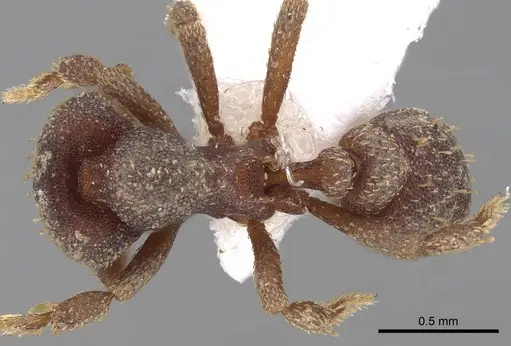
CASENT0914897
View on AntWeb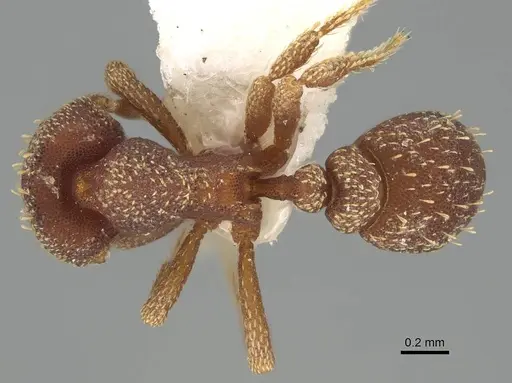
Literature
Loading...Loading products...