

Eurhopalothrix brevicornis
- Scientific Name
- Eurhopalothrix brevicornis
- Tribe
- Attini
- Subfamily
- Myrmicinae
- Author
- Emery, 1897
- Distribution
- Found in 2 countries
Eurhopalothrix brevicornis Overview
Eurhopalothrix brevicornis is an ant species of the genus Eurhopalothrix. It is primarily documented in 2 countries , including Indonesia, Papua New Guinea. Detailed taxonomic data and occurrence records can be further explored via authoritative databases such as AntWeb or the Global Biodiversity Information Facility (GBIF).
Eurhopalothrix brevicornis
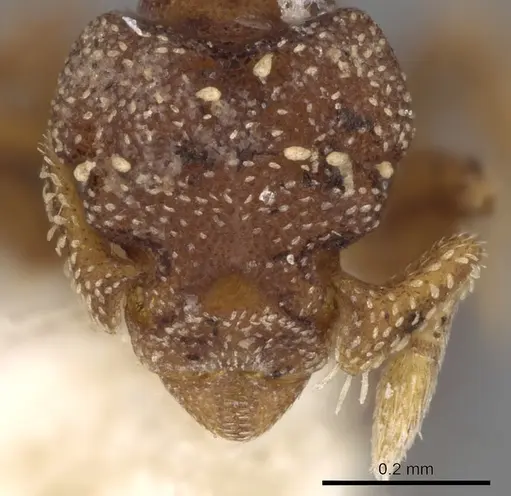
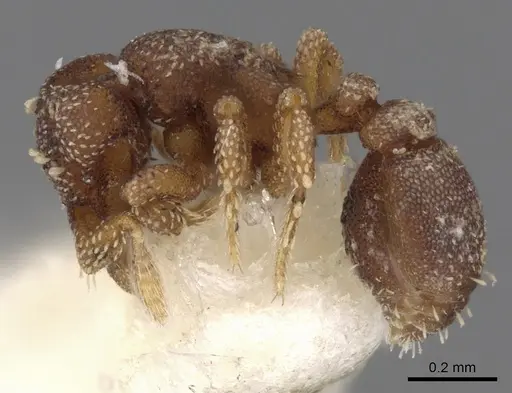
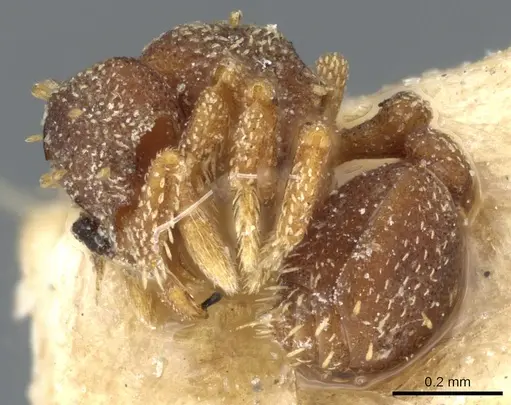
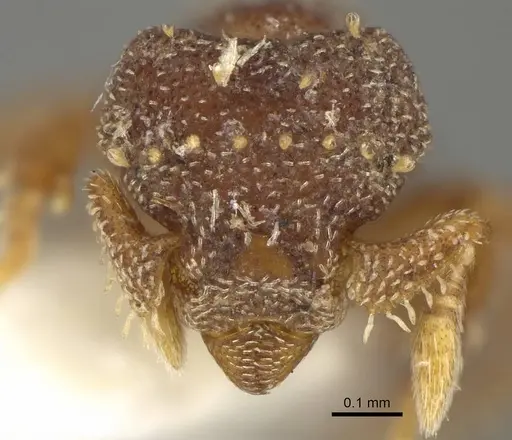
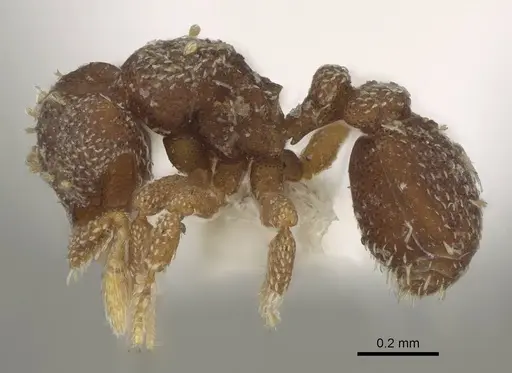
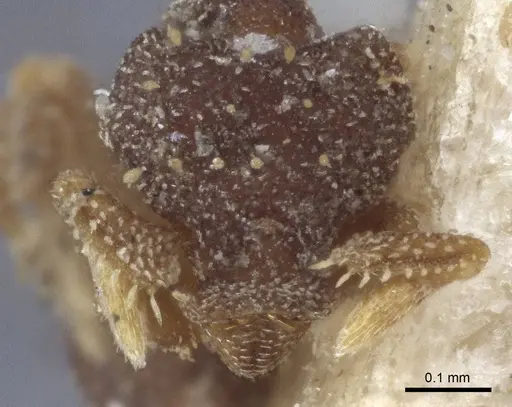
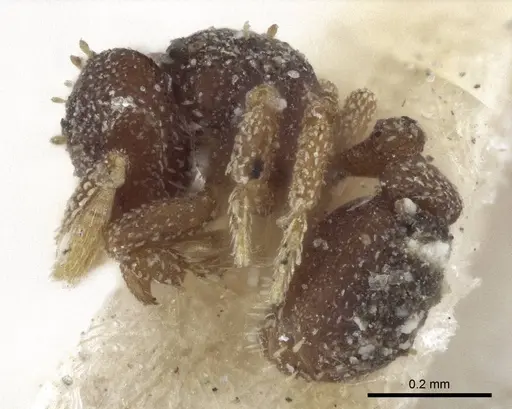
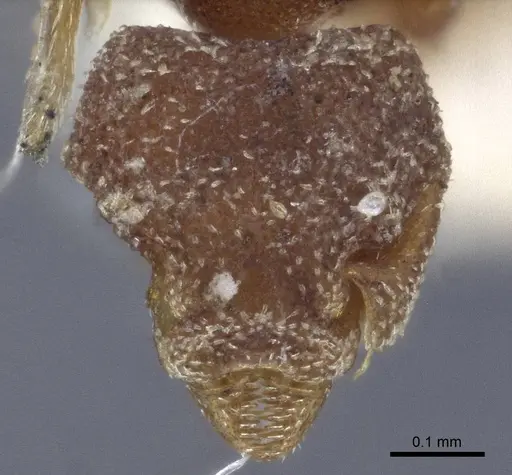
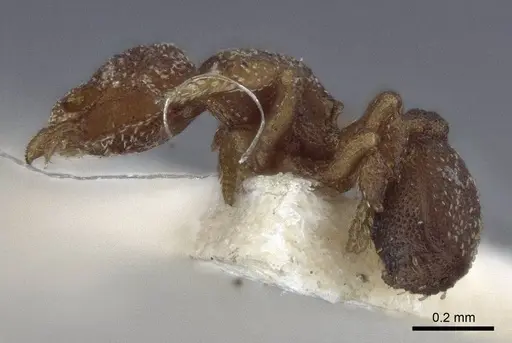
Eurhopalothrix brevicornis is an exceptionally tiny ant measuring just 1.7-1.8mm for workers and 2.3mm for queens. Workers have a medium ferruginous (rusty brown) coloration with distinctive short, thick, club-shaped specialized hairs arranged in rows across the head and gaster. The eyes are extremely small (about 0.02mm in workers), and the antennae have relatively short scapes. This species nests in rain forest leaf litter and has been collected from bird's-nest ferns in New Guinea and the Solomon Islands[1]. The genus Eurhopalothrix belongs to the tribe Attini, though these small leaf-litter ants are not true fungus growers like some of their relatives.
Quick Summary
- Difficulty: Expert
- Origin & Habitat: Native to New Guinea and the Solomon Islands in the Australasian/Oceanian region. Found in tropical rain forest leaf litter and in epiphytic ferns at elevations ranging from lowland to montane zones.
- Colony Type: Colony structure is unconfirmed. Based on related Basicerotini patterns, likely single-queen (monogyne) colonies with small colony sizes.
- Size & Growth:
- Queen: 2.3mm
- Worker: 1.7-1.8mm
- Colony: Unknown, likely small colonies of fewer than 100 workers based on typical leaf-litter ant patterns
- Growth: Unknown, likely slow given tiny colony sizes
- Development: Unknown, estimated 8-12 weeks based on related Myrmicinae patterns at tropical temperatures (Direct development data unavailable. Estimate based on typical Attini tribe development patterns in tropical conditions)
- Antkeeping:
- Temperature: Keep around 24-28°C, these are lowland tropical ants requiring warm, stable conditions. A gentle gradient with a heating cable on one side of the nest allows workers to thermoregulate.
- Humidity: Requires high humidity, think damp forest floor. Keep the nest substrate consistently moist but not waterlogged. Provide a water tube but ensure no flooding. Mist the outworld occasionally and maintain humidity around 70-80%.
- Diapause: Unknown, tropical species likely has reduced activity during cooler/drier seasons but may not require true hibernation. Maintain stable temperatures year-round.
- Nesting: Natural nesting occurs in leaf litter and rotting wood in humid forest environments. In captivity, a small test tube setup or miniature acrylic nest works well. Use very small chambers and narrow passages scaled to their tiny size. A layer of moist coco fiber or peat moss provides appropriate substrate for their natural foraging behavior.
- Behavior: These ants are extremely cryptic and slow-moving. Workers forage individually through leaf litter rather than forming visible trails. They are not aggressive and have no functional sting. Their tiny size and cryptic habits make them difficult to observe. Escape prevention is critical, they can squeeze through the tiniest gaps. Use fine mesh barriers and tight-fitting lids. They are not escape artists in the traditional sense but their minute size means they will find any gap.
- Common Issues: tiny size makes them escape-prone through standard mesh, high humidity requirements can lead to mold if ventilation is poor, slow growth and small colony sizes make them vulnerable to stress, difficult to feed, their natural prey (micro-arthropods) must be appropriately sized, wild-caught colonies may not establish well in captivity due to stress
Housing and Setup
Eurhopalothrix brevicornis requires a setup scaled to their minute size. A small test tube setup (5-8mm inner diameter) works well for founding colonies. For established colonies, a miniature acrylic nest with very small chambers (5-10mm wide) provides appropriate space. The outworld should also be small to concentrate food resources. Use a layer of moist coco fiber or peat moss as substrate (1-2cm deep) to simulate their natural leaf-litter environment. Because they are so small, even standard test tube setups may be too large, consider using narrow glass tubes or custom mini setups. Escape prevention is critical: use fine mesh (at least 0.5mm or finer) on any ventilation and ensure all connections are tight.
Feeding and Diet
In the wild, Eurhopalothrix species are thought to be predators of small soil micro-arthropods. Feed tiny live prey such as springtails, micro mites, and newly hatched pinhead crickets. Because workers are only 1.7-1.8mm, prey items must be appropriately sized, essentially microscopic. Offer prey items twice weekly and remove uneaten prey within 24 hours to prevent mold. Sugar sources are unlikely to be accepted given their predatory nature. Some Attini tribe members supplement with fungal matter, but this species' specific dietary needs are unconfirmed. Start with live springtails as a primary food source and observe acceptance.
Temperature and Humidity
As tropical lowland ants from New Guinea and the Solomon Islands, these ants require warm and humid conditions. Maintain temperatures between 24-28°C with minimal fluctuation. A heating cable placed on one side of the nest creates a gentle gradient allowing workers to regulate their body temperature. Humidity should remain high (70-80%), the nest substrate should feel consistently moist but never waterlogged. A water tube provides constant moisture. Avoid placing the setup near air conditioning or heating vents that cause temperature swings. These ants are adapted to the stable conditions of tropical rain forest understory.
Behavior and Observation
Eurhopalothrix brevicornis is extremely cryptic and not a display species. Workers move slowly through leaf litter and substrate, foraging individually rather than in groups. They are not aggressive and have no functional sting. Observation requires patience and good lighting, their small size and dark coloration can make them hard to see. The distinctive club-shaped hairs on their head and body are visible under magnification. Queens are dealate (wingless) when founding colonies, having already mated underground. Colonies remain small and secretive, making them a species for observation rather than display.
Frequently Asked Questions
How long does it take for Eurhopalothrix brevicornis to produce first workers?
The exact timeline is unknown, but based on related Attini species, expect 8-12 weeks from founding to first workers emerging. This is a slow process requiring patience.
Can I keep Eurhopalothrix brevicornis in a test tube?
Yes, but standard test tubes may be too large. Use narrow tubes (5-8mm inner diameter) or custom mini setups scaled to their 1.7mm worker size. Ensure excellent escape prevention.
What do Eurhopalothrix brevicornis eat?
They are likely predatory on micro-arthropods. Feed tiny live prey like springtails, micro mites, and very small insects. Prey must be appropriately sized for their minute workers.
Are Eurhopalothrix brevicornis good for beginners?
No. This is an expert-level species due to their extremely small size, specific humidity requirements, and difficulty establishing in captivity. They are not recommended for beginners.
How big do Eurhopalothrix brevicornis colonies get?
Colony size is unknown but likely remains small (under 100 workers) based on typical leaf-litter ant patterns. They are not large colony formers.
Do Eurhopalothrix brevicornis need hibernation?
No. As tropical ants from New Guinea and the Solomon Islands, they do not require hibernation. Maintain stable warm temperatures year-round.
Why are my Eurhopalothrix brevicornis dying?
Common causes include: improper humidity (too dry or too wet), temperature instability, prey that is too large, stress from overhandling, or poor escape prevention. Ensure high humidity, stable 24-28°C temperatures, and appropriately sized live prey.
When should I move Eurhopalothrix brevicornis to a formicarium?
Move only when the colony has outgrown the test tube and has at least 20-30 workers. Given their small size, they may remain in a properly sized test tube setup indefinitely.
Can I keep multiple queens together?
This has not been documented. Based on related Basicerotini patterns, single-queen colonies are likely. Do not attempt combining unrelated queens.
References

This caresheet is licensed under CC BY-SA 4.0 .
CASENT0280769
View on AntWeb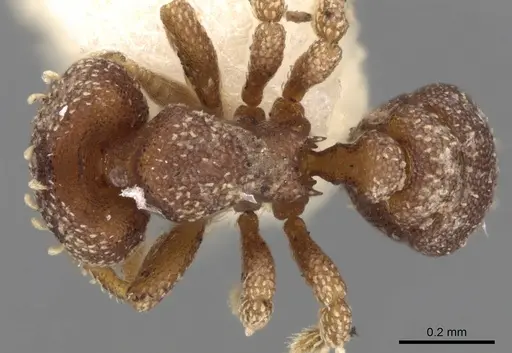
CASENT0434842
View on AntWeb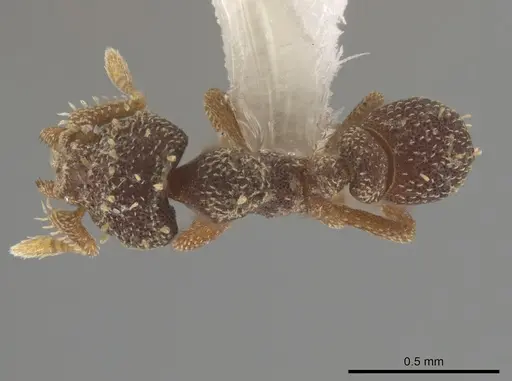
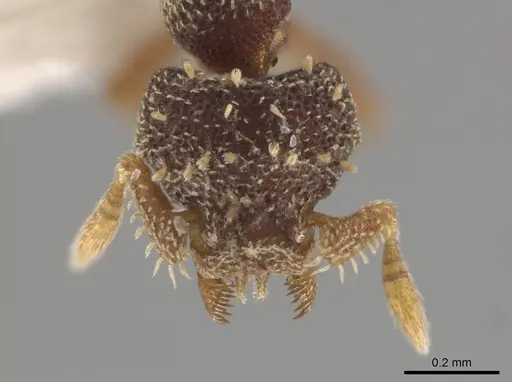
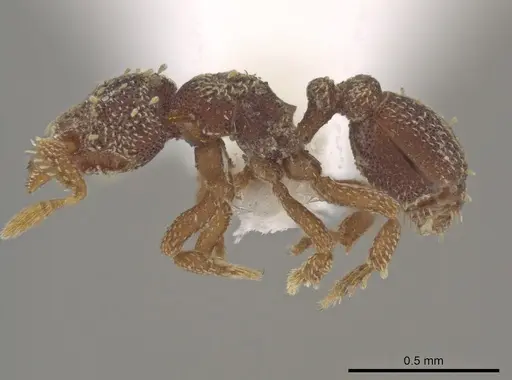
CASENT0904970
View on AntWeb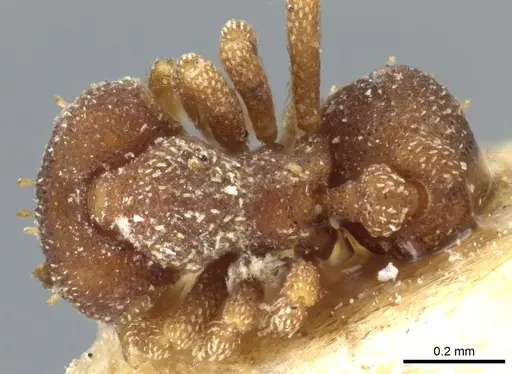
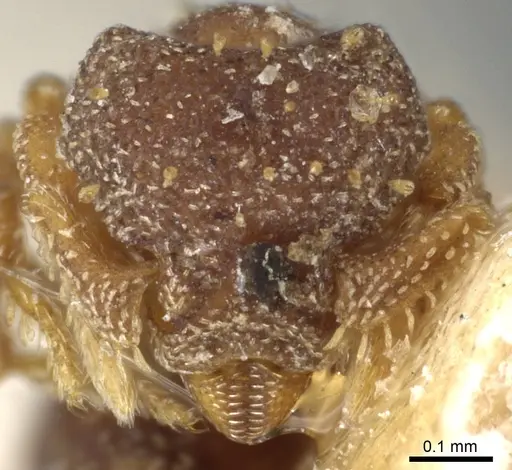
CASENT0914896
View on AntWeb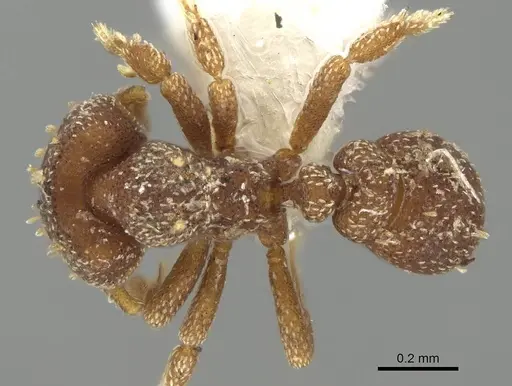
CASENT0916625
View on AntWeb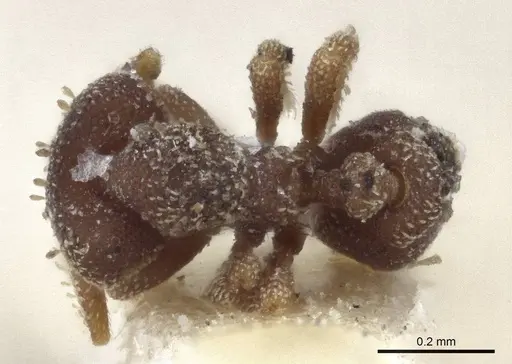
CASENT0916626
View on AntWeb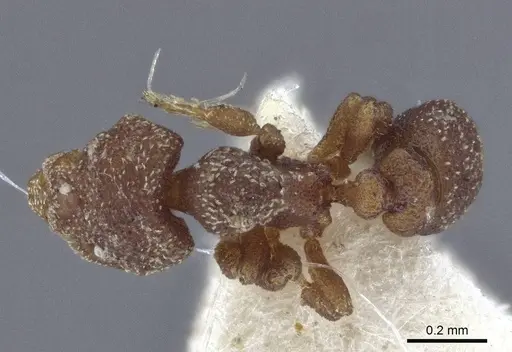
Literature
Loading...Loading products...