

Eurhopalothrix biroi
- Scientific Name
- Eurhopalothrix biroi
- Tribe
- Attini
- Subfamily
- Myrmicinae
- Author
- Szabó, 1910
- Distribution
- Found in 1 countries
Eurhopalothrix biroi Overview
Eurhopalothrix biroi is an ant species of the genus Eurhopalothrix. It is primarily documented in 1 countries , including Papua New Guinea. Detailed taxonomic data and occurrence records can be further explored via authoritative databases such as AntWeb or the Global Biodiversity Information Facility (GBIF).
Eurhopalothrix biroi
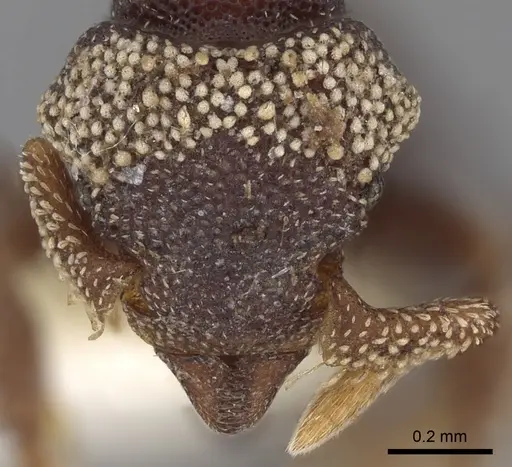
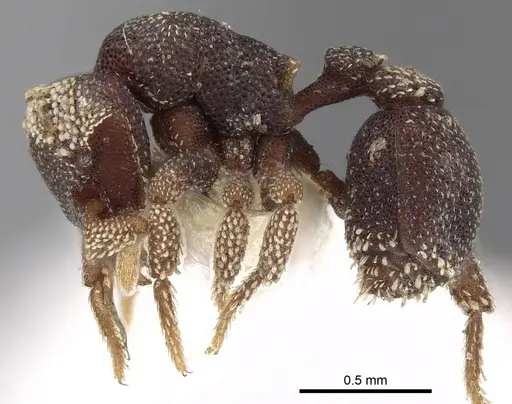
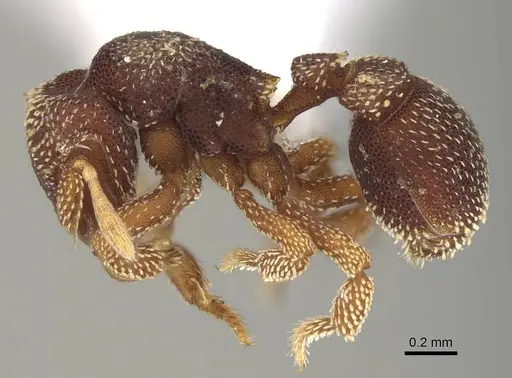
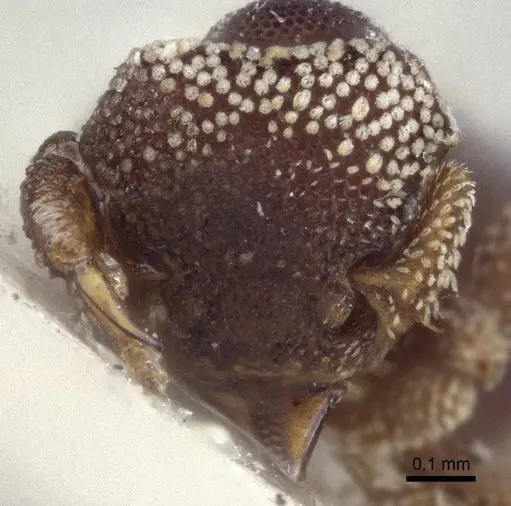
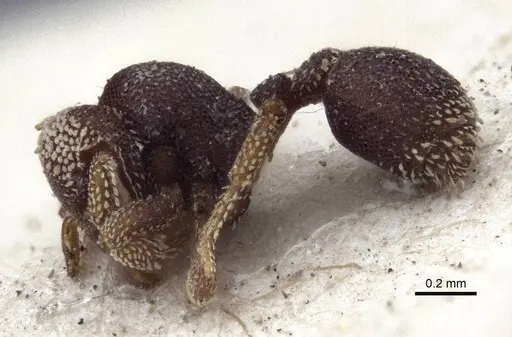
Eurhopalothrix biroi is a tiny, cryptic ant species native to the lowland rainforests of New Guinea. Workers measure just 2.5-3.0mm, making them one of the smaller ant species kept in captivity. They have a distinctive deep reddish-brown coloration with striking white squamiform (scale-like) hairs concentrated on the head, creating a unique appearance. The front of the head often displays a thin grayish or whitish coating that may be a secreted substance. These ants belong to the tribe Attini and are specialized predators.
This species is notable for its highly specialized feeding behavior. Unlike many ants that recruit nestmates to food sources, E. biroi is a solitary forager that stalks and catches small soft-bodied arthropods, particularly springtails (Collembola), using a sudden snap of its jaws. This stealth hunting strategy makes them fascinating to observe but requires specific care to thrive in captivity.
Quick Summary
- Difficulty: Hard
- Origin & Habitat: Native to New Guinea, specifically the Huon Peninsula. In the wild, they inhabit lowland rainforests where they forage in leaf litter and under rotting logs. Nests are found in shallow soil chambers beneath rotting logs.
- Colony Type: Colony structure is not well documented in scientific literature. Based on typical genus patterns, likely single-queen (monogyne) colonies. No documented ergatoid replacement reproductives for this specific species.
- Colony: Monogyne
- Founding: Claustral
- Size & Growth:
- Queen: Undocumented in primary literature, estimated 4-5mm based on genus patterns
- Worker: 2.5-3.0mm
- Colony: Likely small colonies, related species typically reach dozens to low hundreds of workers. No specific colony size data available.
- Growth: Unknown, likely slow to moderate based on small colony sizes typical of the genus
- Development: Unconfirmed, estimated 8-12 weeks based on related Attini species at warm temperatures (No direct development data exists for this species. Estimates based on typical Attini development patterns.)
- Antkeeping:
- Temperature: Keep at 24-28°C as a starting point. These are lowland tropical rainforest ants, so they need warm, stable conditions. Use a heating cable on one side of the nest to create a gentle gradient if room temperature is below this range.
- Humidity: High humidity is essential, these ants live in rainforest leaf litter and under rotting logs. Keep the nest substrate consistently moist but not waterlogged. Aim for 70-85% humidity. Regular misting or a water reservoir connected to the nest helps maintain moisture.
- Diapause: No, as a tropical species from New Guinea, they do not require hibernation. Maintain warm conditions year-round.
- Nesting: In nature, they nest in shallow soil under rotting logs in leaf litter. In captivity, a naturalistic setup with a thin layer of moist soil/gravel mixture works well, or a Y-tong/plaster nest with small chambers. They need tight, small chambers scaled to their tiny size. Provide pieces of rotting wood or leaf litter as enrichment.
- Behavior: These ants are shy and non-aggressive. Workers are solitary foragers, they do not recruit nestmates to food sources. They hunt by stealth, stalking small prey before capturing them with a sudden jaw snap. Their small size and cryptic nature make them fascinating but challenging to observe. Escape prevention is critical, at 2.5-3mm, they can squeeze through very small gaps. Use fine mesh and tight-fitting lids. They are not defensive and unlikely to sting.
- Common Issues: escape prevention is critical due to their very small size, they can squeeze through gaps that seem impossible, specialized diet means they may not accept standard ant foods, live springtails are essential, slow growth and small colony sizes mean progress is hard to observe, which can frustrate keepers, high humidity requirements can lead to mold problems if ventilation is poor, wild-caught colonies may have parasites that cause colony collapse in captivity
Housing and Setup
Housing Eurhopalothrix biroi requires attention to their tiny size and natural habitat. These ants come from New Guinea rainforests where they live in leaf litter and under rotting logs, so a naturalistic setup works best. Use a shallow container with a moist substrate mixture of soil and fine gravel. Add pieces of rotting wood, bark, or dried leaves to create hiding places and foraging areas. The substrate should be damp but not waterlogged, squeeze out excess water before adding. Because they are so small, even small containers feel spacious to them. A small plastic test tube setup with a water reservoir can work for founding colonies, but they will do better in a naturalistic terrarium-style setup that mimics their forest floor habitat. Cover any gaps with fine mesh, these ants can escape through openings you wouldn't believe possible.
Feeding and Diet
This is the most critical aspect of keeping E. biroi successfully. They are specialized predators that primarily hunt springtails (Collembola) in the wild. Wilson's 1956 study documented that they stalk and catch small, soft-bodied arthropods, particularly entomobryid springtails, using a sudden jaw snap. This means they will NOT accept standard ant foods like sugar water, honey, or large insects. You must culture live springtails (white springs) as a permanent food source. Offer small, soft-bodied prey that is appropriately sized for 2.5-3mm ants, tiny fruit flies, small pinhead crickets, and micro-arthropods are good options. Feed small prey items every 2-3 days, adjusting based on colony size and consumption. Remove uneaten prey after 24 hours to prevent mold. Do not rely on sugar sources, acceptance is uncertain and they are primarily predatory.
Temperature and Humidity
As lowland rainforest ants from New Guinea, E. biroi needs warm, humid conditions year-round. Maintain temperatures between 24-28°C. A heating cable placed on one side of the nest creates a temperature gradient that allows the ants to regulate their own exposure to warmth. Humidity should be high, aim for 70-85%. Keep the substrate consistently moist by adding water periodically or using a water reservoir connected to the nest. Mist the enclosure regularly, but ensure there is some ventilation to prevent stagnant air and mold. A small piece of damp sponge or moss helps maintain humidity. Avoid temperature drops below 20°C or prolonged dry conditions, these can stress and kill colonies.
Behavior and Observation
E. biroi is a shy, cryptic species that is fascinating to observe but challenging to watch. Workers forage solitarily, unlike many ants, they do not recruit nestmates to food sources. Each ant hunts independently, stalking prey through the leaf litter before capturing it with a quick jaw snap. This hunting behavior is their most interesting trait to observe. The colony will likely remain small and inconspicuous, with workers spending most of their time hidden in the substrate or under cover objects. They are not aggressive and have no visible sting. Their small size and cryptic habits mean you may not see much activity, this is normal for the species. Patience is key when keeping these ants.
Colony Development
Expect slow colony growth. There is no specific development data for E. biroi, but based on related Attini species and their small colony sizes, development from egg to worker likely takes 8-12 weeks at optimal temperatures. Colonies will remain small, probably reaching only dozens to perhaps 100-200 workers at maturity. The first workers (nanitics) will be very tiny. Do not overfeed during the founding stage, as excess prey can mold and kill the queen. Once workers emerge, the colony grows slowly but steadily. Regular feeding of appropriate prey is essential for growth. A healthy queen can live for several years, producing workers continuously.
Frequently Asked Questions
Can I keep Eurhopalothrix biroi in a test tube?
Yes, test tubes can work for founding colonies, but these ants do better in a naturalistic setup that mimics their forest floor habitat. If using test tubes, use a small diameter tube and ensure excellent escape prevention, their tiny size means they can escape through gaps you might not notice.
What do Eurhopalothrix biroi eat?
They are specialized predators that need live prey. Their primary food in the wild is springtails (Collembola). You should culture live springtails as a permanent food source. They may also accept tiny fruit flies, small soft-bodied insects, and other micro-arthropods. They will NOT accept sugar water, honey, or large insects.
How long until first workers appear?
Exact timing is unconfirmed, but based on related Attini species, expect 8-12 weeks from egg to first worker at optimal temperatures (24-28°C). Development is likely slow, so be patient during the founding stage.
Are Eurhopalothrix biroi good for beginners?
No. This is a hard species to keep due to their specialized predatory diet, tiny size, high humidity needs, and escape risk. They require live springtail cultures and careful attention to humidity. Beginners should start with easier species like Lasius or Camponotus.
Do Eurhopalothrix biroi need hibernation?
No. As tropical rainforest ants from New Guinea, they do not require hibernation or cool temperatures. Keep them warm year-round at 24-28°C.
How big do colonies get?
Colony size is not well documented, but based on related species, colonies likely reach only dozens to low hundreds of workers. They are not large colony species.
Why are my Eurhopalothrix biroi dying?
Common causes include: escape through tiny gaps, stress from incorrect humidity (too dry or too wet with mold), accepting standard ant foods instead of live prey, and parasites from wild-caught colonies. Ensure you are providing live springtails and maintaining proper humidity without stagnation.
When should I move them to a formicarium?
For this species, a naturalistic setup works better than traditional formicariums. If you do use a formicarium, wait until the colony has at least 20-30 workers and is actively foraging. The chambers should be very small and tight-fitting to their tiny body size.
Can I keep multiple queens together?
This has not been documented for this species. Based on typical genus patterns, they are likely single-queen colonies. Combining unrelated queens is not recommended.

This caresheet is licensed under CC BY-SA 4.0 .
CASENT0219333
View on AntWeb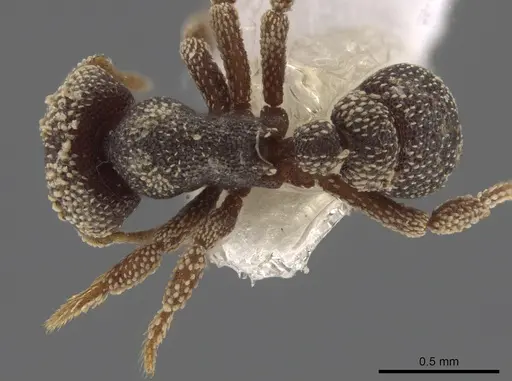
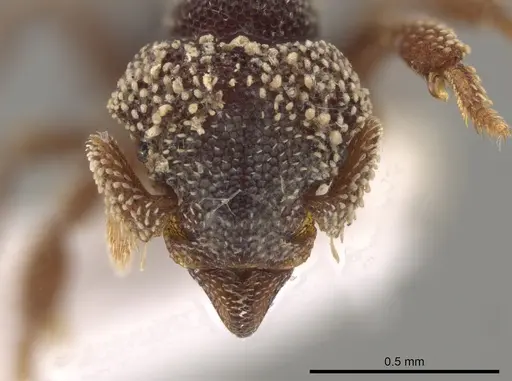
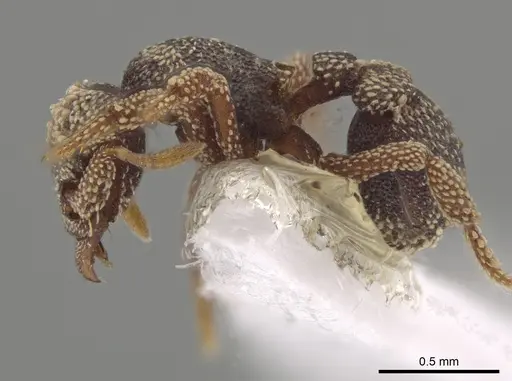
CASENT0280770
View on AntWeb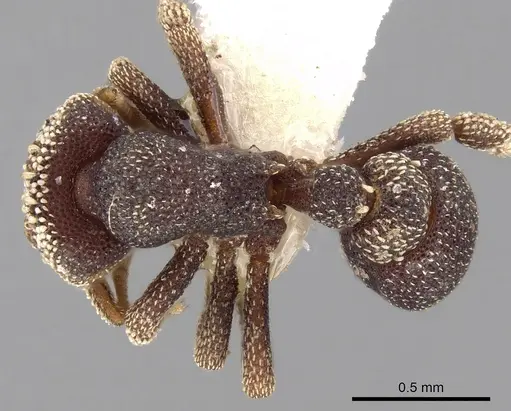
CASENT0914895
View on AntWeb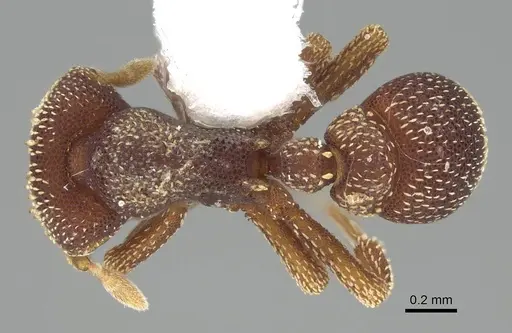
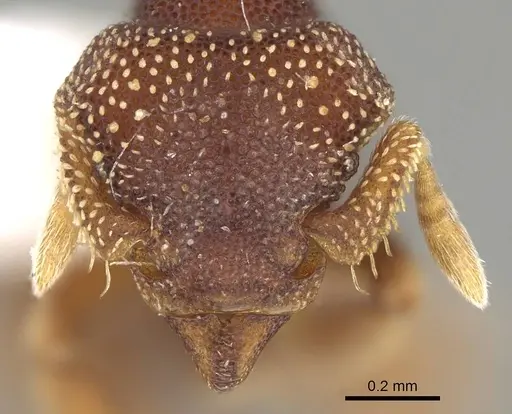
CASENT0916632
View on AntWeb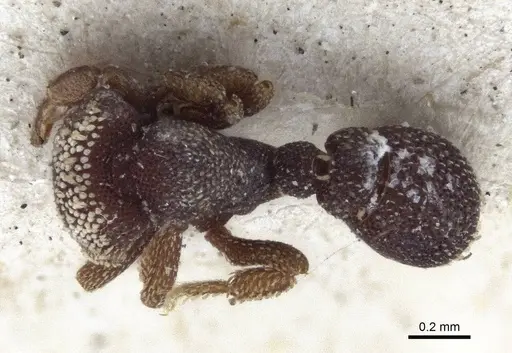
Literature
Loading...Loading products...