

Euprenolepis procera
- Scientific Name
- Euprenolepis procera
- Tribe
- Lasiini
- Subfamily
- Formicinae
- Author
- Emery, 1900
- Distribution
- Found in 2 countries
Euprenolepis procera Overview
Euprenolepis procera is an ant species of the genus Euprenolepis. It is primarily documented in 2 countries , including Indonesia, Malaysia. Detailed taxonomic data and occurrence records can be further explored via authoritative databases such as AntWeb or the Global Biodiversity Information Facility (GBIF).
Euprenolepis procera
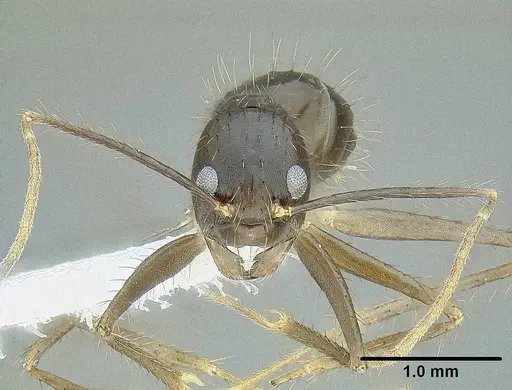
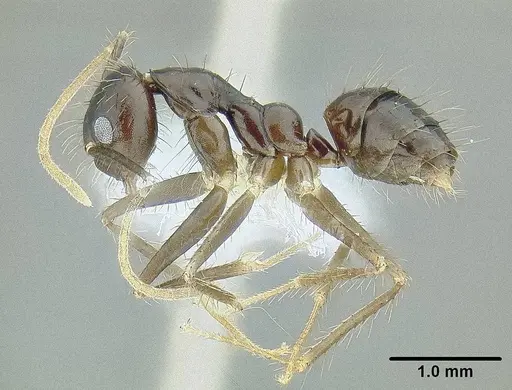
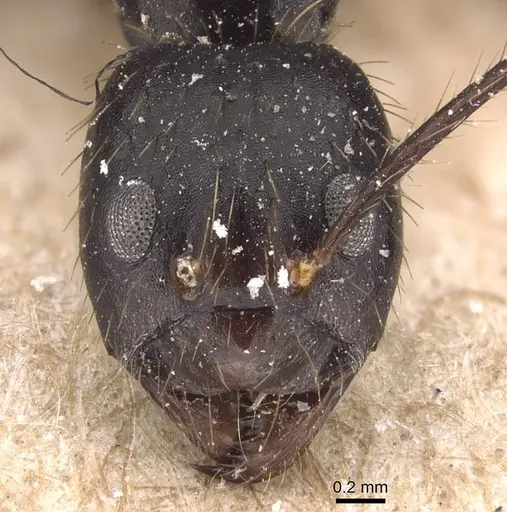
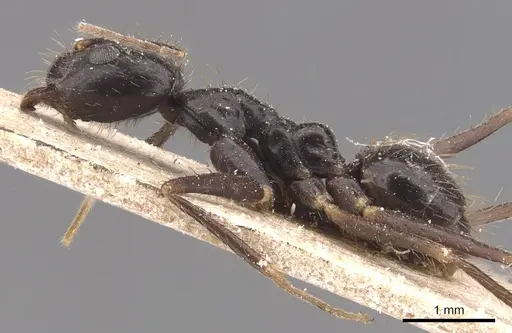
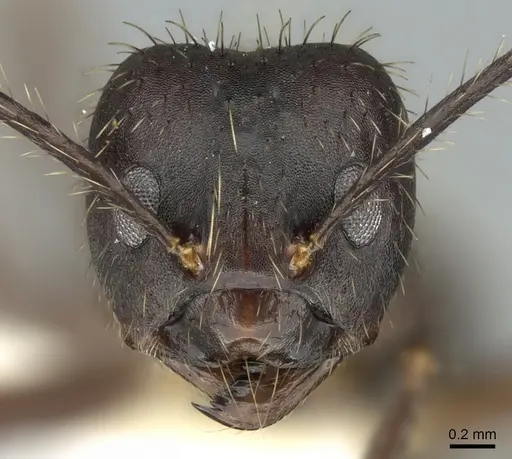
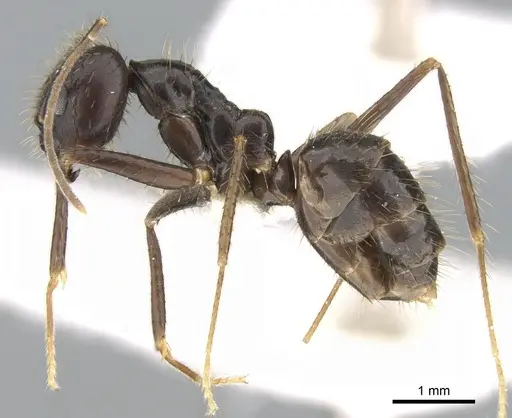
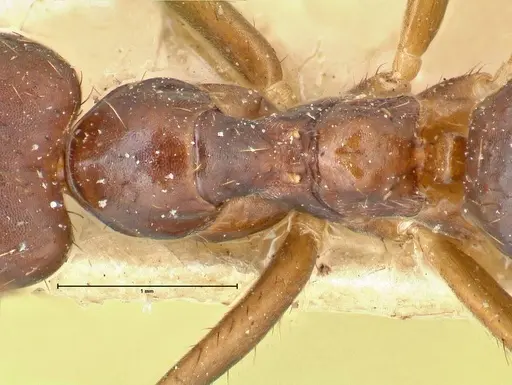
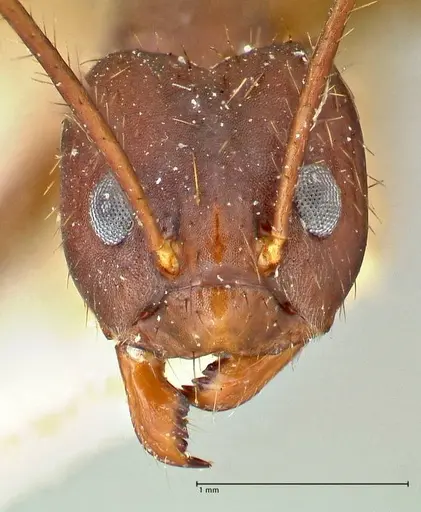
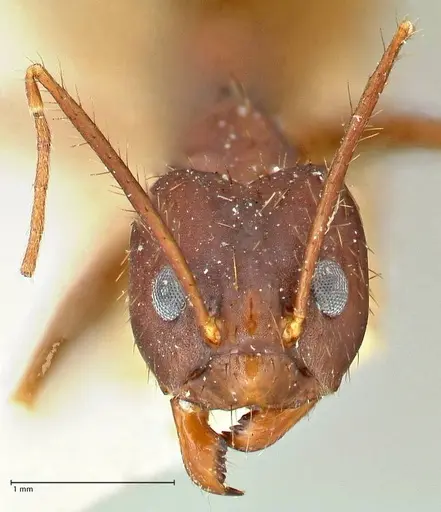
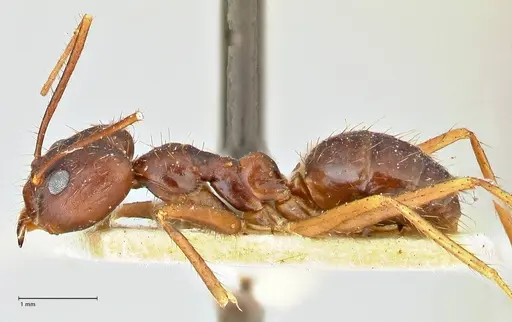
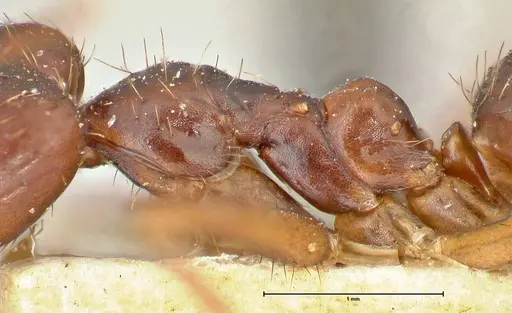
Euprenolepis procera is a polymorphic ant species native to Southeast Asia and New Guinea, found in Indonesia, Malaysia, the Philippines, Singapore, Thailand, and Papua New Guinea [1][2]. Workers come in two distinct sizes: minor workers range from 3.5-4.4mm while major workers (soldiers) reach 5.0-6.3mm, with majors being much less common than minors [1]. The species is dark reddish-brown with a strongly rugoreticulate (wrinkled) body surface, and possesses especially long antennae scapes that extend well past the back of the head [1]. This ant holds a unique place in ant biology as the first and only known species that specializes in harvesting wild mushrooms, a completely novel foraging strategy that was only discovered in 2008 [3][4].
Quick Summary
- Difficulty: Medium
- Origin & Habitat: Tropical rainforests of Southeast Asia and New Guinea. Found in Indonesia, Malaysia, Philippines, Singapore, Thailand, and Papua New Guinea. This is a litter-dwelling species that forages on the forest floor and never climbs into trees [5][6].
- Colony Type: Multi-queen colonies with up to 3 queens documented. Colonies range from 500 to 5,000 workers, with some larger migrating colonies estimated at over 20,000 individuals [7]. The colony structure appears to be polygynous (multiple queens per colony).
- Colony: Polygyne
- Size & Growth:
- Queen: 6.3 mm [1]
- Worker: Minor workers: 3.5-4.4mm, Major workers: 5.0-6.3mm [1]
- Colony: 500-5,000 workers typical, up to 20,000+ in some colonies [7]
- Growth: Moderate
- Development: Unknown, no specific development data available for this species. Based on related Formicinae, expect 6-10 weeks at tropical temperatures. (Development timeline has not been directly studied. Related species in the Prenolepis group suggest moderate growth rates.)
- Antkeeping:
- Temperature: Tropical species, keep at 24-28°C. Being from Southeast Asian rainforests, they need warm, stable temperatures similar to room temperature in heated homes [6].
- Humidity: High humidity preferred (70-80%). These ants live in rainforest litter and need moist substrate conditions. Keep the nest substrate consistently damp but not waterlogged.
- Diapause: No, as a tropical species, they do not require hibernation. Maintain active colony conditions year-round [6].
- Nesting: Opportunistic nesters that use preformed cavities in rotting wood, under logs, or in leaf litter. In captivity, they do well in naturalistic setups with moist substrate, or Y-tong/plaster nests with good humidity retention. They frequently migrate (every 4-9 days in the wild), so expect some nest exploration behavior [7].
- Behavior: Nocturnal foragers that hunt for mushrooms at night between 20:00 and 04:00 hours [6]. They are not aggressive and have weakly developed hunting abilities, they rely on finding mushrooms rather than catching live prey [6]. Workers are efficient at recruiting nestmates to food sources and can form strong foraging trails. They are not known to sting and pose no danger to keepers. Escape risk is moderate, they are small but not particularly prone to escaping if given proper containment. They do not tend aphids or exploit extrafloral nectaries [6].
- Common Issues: Mushroom availability, wild colonies depend heavily on mushrooms, and providing appropriate fungal food in captivity can be challenging, Frequent nest migrations, this species moves nests frequently (every few days in the wild), which can be disruptive in captivity, Humidity control, being rainforest litter dwellers, they need consistent moisture, too dry and colonies will struggle, Limited prey hunting ability, they are not effective predators, so live prey feeding may be less successful than for predatory ants, Tropical temperature requirements, cannot tolerate cool temperatures, keep warm year-round
The Mushroom Harvester Lifestyle
Euprenolepis procera is the first ant species ever discovered that specializes in harvesting wild mushrooms, a completely unique foraging strategy among all 15,000+ known ant species [3][4]. In field studies in Malaysian rainforests, researchers found that 44% of mushroom baits placed on the forest floor were fed upon by these ants within the first four hours, and they consumed 73% of available mushrooms during that time [7]. They are not picky eaters when it comes to fungi, wild colonies were observed feeding on more than 30 different mushroom species, including mycorrhizal fungi that grow in association with tree roots [7]. This dietary specialization appears to be an evolutionary response to competition: when other food sources like tuna or honey baits were available but being defended by other ant species, E. procera would avoid those resources and focus on mushrooms instead [6]. However, laboratory colonies readily accept alternative foods including crickets and honey, showing that mushroom-harvesting is a preference rather than an absolute requirement [6].
Feeding Your Colony
In captivity, you can feed your E. procera colony a variety of foods beyond just mushrooms. They will readily accept protein sources like small crickets, mealworms, and other feeder insects [6]. Sugar sources such as honey water or sugar water are also accepted, especially if no other ants are competing with them [6]. For the most authentic experience, you could occasionally offer store-bought mushrooms (button mushrooms, oyster mushrooms, etc.), fresh is best, but they can also process and store fungal material in the nest for days [7]. Research suggests they may actually ferment fungal material, as nests have a characteristic sweetish-sour smell [6]. Feed protein 2-3 times per week and keep a constant sugar water source available. Unlike predatory ants, they are not effective hunters, so offer prey already killed or very small/slow prey items.
Nocturnal Foraging and Nest Behavior
These ants are strictly nocturnal, with foraging activity peaking between 20:00 and 04:00 hours [6]. They forage exclusively on the forest floor and have never been observed climbing trees to forage in the canopy [6]. In the wild, they build nests in preformed cavities found in rotting wood, under stones, or in leaf litter, they do not excavate their own nests like many ants do. Perhaps most remarkably, they exhibit a nomadic lifestyle similar to army ants: colonies frequently migrate to new nest sites, with a median migration interval of just 4 days (ranging from 1-9 days) [7]. This frequent migration appears to be triggered by depletion of food resources in the surrounding area [7]. In captivity, this means you may observe your colony exploring different areas of their enclosure and potentially relocating. Provide multiple potential nest sites to accommodate this natural behavior.
Temperature and Humidity Needs
As a tropical rainforest species from Southeast Asia, E. procera requires warm and humid conditions. Keep the nest area at 24-28°C, this matches their natural tropical environment and supports active colony behavior [6]. A heating cable on one side of the nest can create a temperature gradient, but ensure humidity is maintained as heat can dry out the nest. These ants need high humidity (around 70-80%), the nest substrate should feel consistently moist but never waterlogged. Mist the outworld occasionally and consider a water reservoir in your nest setup. Unlike temperate species, they do not require any hibernation or cooling period, maintain tropical conditions year-round. They are sensitive to cool temperatures, so keep them away from air conditioning vents or cold rooms.
Colony Structure and Growth
E. procera colonies are polygynous, meaning they contain multiple queens, up to 3 have been documented in wild colonies [7]. This is unusual compared to many ant species that have single queens. Colony size ranges from 500 to 5,000 workers in typical colonies, with some large migrating colonies estimated at over 20,000 individuals [7]. The species is polymorphic, meaning there are distinct minor (smaller) and major (larger) worker castes. Minor workers (3.5-4.4mm) are much more common than majors (5.0-6.3mm) [1]. The major workers have specialized heads and can defend the colony, but they make up only a small percentage of the worker population. Growth rate is moderate, while specific development times are unknown, related Formicinae species suggest colonies develop over several months to reach significant sizes.
Frequently Asked Questions
What do Euprenolepis procera ants eat?
They are mushroom specialists but accept varied diets in captivity. Offer small insects (crickets, mealworms), and sugar sources (honey water, sugar water). Occasional store-bought mushrooms make an authentic treat. They are not effective hunters, so provide killed or small prey.
How often should I feed Euprenolepis procera?
Feed protein (insects) 2-3 times per week. Keep a constant sugar water source available. Remove uneaten prey after 24-48 hours to prevent mold. Adjust based on colony size, larger colonies may need more frequent feeding.
Do Euprenolepis procera ants need hibernation?
No. As a tropical species from Southeast Asian rainforests, they do not require hibernation. Keep them warm (24-28°C) and active year-round.
What temperature do Euprenolepis procera ants need?
Keep them at 24-28°C. They are tropical ants and cannot tolerate cool temperatures. A heating cable on part of the nest can help maintain warmth, but monitor humidity as heating can dry out the nest.
How big do Euprenolepis procera colonies get?
Colonies typically reach 500-5,000 workers, though some large migrating colonies may have over 20,000 workers. They are polygynous (multiple queens per colony), which supports larger colony sizes.
Why do my Euprenolepis procera keep moving their nest?
This is normal behavior. In the wild, E. procera migrates to new nest sites every few days (median 4 days), triggered by food depletion in the surrounding area. Provide multiple potential nest sites to accommodate this natural nomadic tendency.
Can I keep Euprenolepis procera in a test tube setup?
Yes, but with considerations. They need high humidity and may benefit from a naturalistic setup with moist substrate. They are not aggressive escape artists, but ensure the setup has good humidity retention. Be prepared for potential nest relocation behavior.
Are Euprenolepis procera good for beginners?
They are intermediate difficulty. The main challenges are providing appropriate humidity, warm temperatures, and understanding their unique mushroom-based diet. They are not aggressive and don't require hibernation, which simplifies some care aspects.
What makes Euprenolepis procera special compared to other ants?
They are the only known ant species that specializes in harvesting wild mushrooms, a completely unique lifestyle discovered in 2008. They are also nomadic nesters (like army ants), are nocturnal foragers, and live in multi-queen colonies.
References

This caresheet is licensed under CC BY-SA 4.0 .
CASENT0106328
View on AntWeb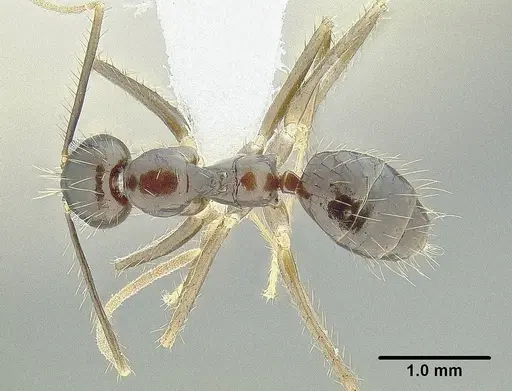
CASENT0905660
View on AntWeb
CASENT0906260
View on AntWeb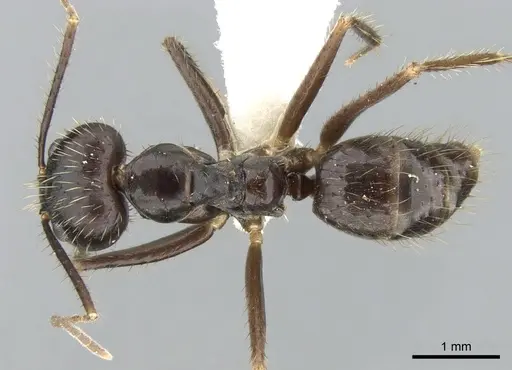
FOCOL2472
View on AntWeb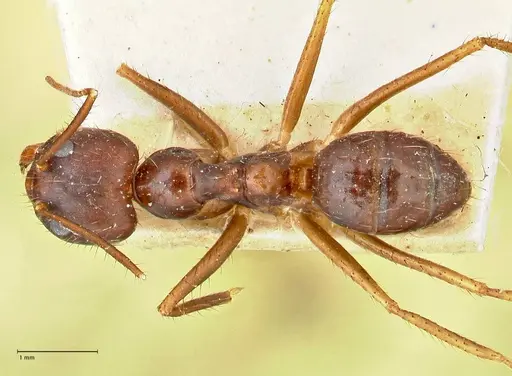
Literature
Loading...Loading products...