

Epopostruma quadrispinosa
- Scientific Name
- Epopostruma quadrispinosa
- Tribe
- Attini
- Subfamily
- Myrmicinae
- Author
- Forel, 1895
- Distribution
- Found in 1 countries
Epopostruma quadrispinosa Overview
Epopostruma quadrispinosa is an ant species of the genus Epopostruma. It is primarily documented in 1 countries , including Australia. Detailed taxonomic data and occurrence records can be further explored via authoritative databases such as AntWeb or the Global Biodiversity Information Facility (GBIF).
Epopostruma quadrispinosa
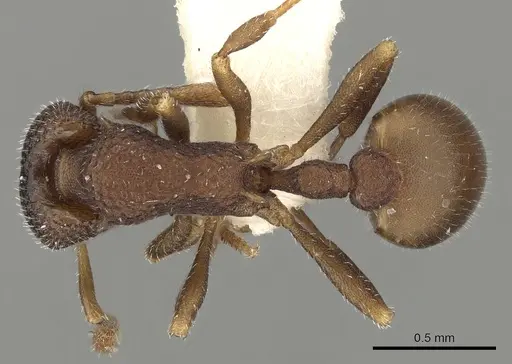
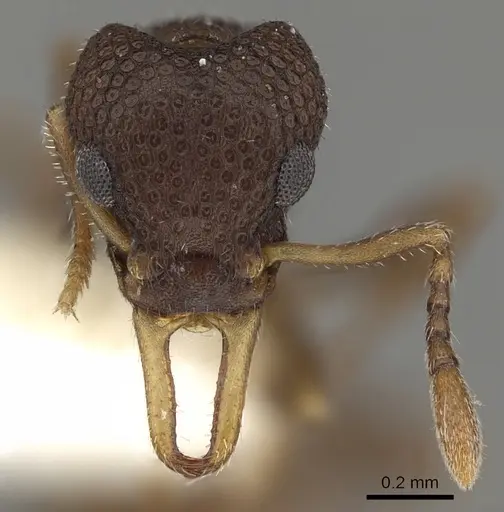
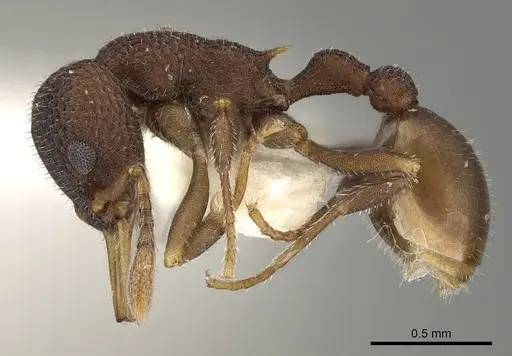
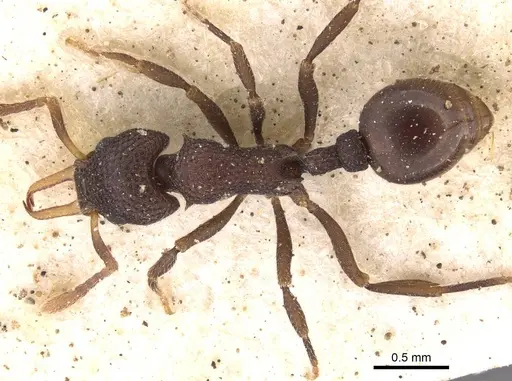
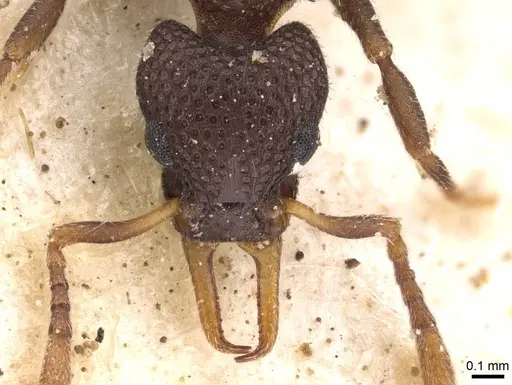
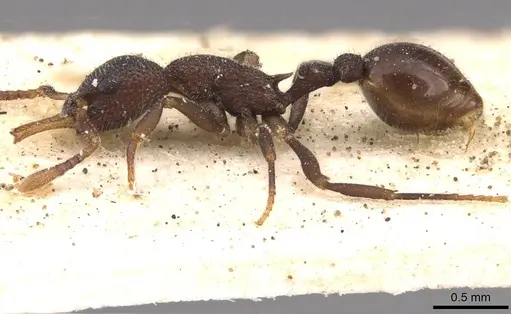
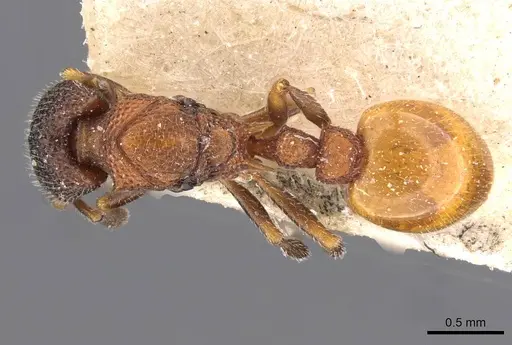
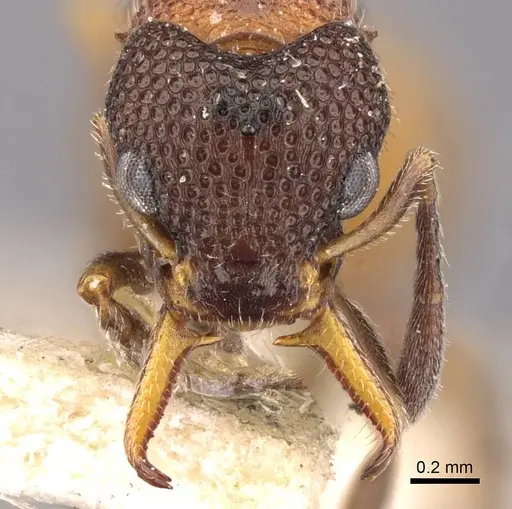
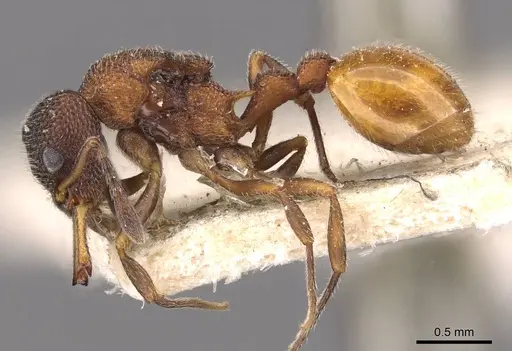
Epopostruma quadrispinosa is a small, distinctive leaf-litter ant native to Australia. Workers measure just 3.1-3.8mm, making them a compact species in the Myrmicinae subfamily. They have a dark yellow-red to red-brown body with a notably darker head and lighter mandibles. The name 'quadrispinosa' refers to their four spines, two on the pronotum and two on the propodeum, though the petiolar spines are often reduced to small bumps. Their most identifying feature is the matte, finely sculptured first gastral tergite rather than the smooth and shiny appearance seen in related species. These ants occur across much of southern and eastern Australia, from Queensland through New South Wales and South Australia, with scattered populations in Western Australia. They nest in rock crevices, soil, and leaf litter, particularly in dry sclerophyll and mallee woodland habitats.
Quick Summary
- Difficulty: Medium
- Origin & Habitat: Native to Australia, found across southern and eastern regions including Queensland, New South Wales, South Australia, and Western Australia. Inhabits dry sclerophyll, mallee woodland, saltbush, and red soil-box-pine habitats. Nests in rock crevices, Eucalyptus leaf litter, and soil [1][2].
- Colony Type: Colony structure is not well documented in scientific literature. Based on typical Attini patterns, likely monogyne (single queen) colonies. Further research needed to confirm queen number and colony organization.
- Size & Growth:
- Queen: Not specifically documented in available literature, estimates based on genus patterns suggest around 4-5mm
- Worker: 3.1-3.8mm total length [1]
- Colony: Likely small to moderate colonies based on typical Attini leaf-litter ant patterns, likely under 500 workers
- Growth: Moderate, based on typical Attini development patterns
- Development: Estimated 6-10 weeks based on related Attini species (Development time is estimated based on typical Attini leaf-litter ant patterns. Direct measurements for this species are not available in the scientific literature.)
- Antkeeping:
- Temperature: Keep at room temperature around 20-24°C. Based on their Australian distribution spanning temperate to subtropical regions, they can tolerate a range from roughly 18°C to 26°C. Avoid extremes, provide a gentle gradient if possible.
- Humidity: Moderate humidity around 50-70%. These ants inhabit dry sclerophyll and mallee woodland, so they prefer drier conditions than many tropical ants. Keep the nest substrate lightly moist but allow it to dry between waterings. Avoid waterlogging.
- Diapause: Likely yes, Australian temperate populations probably experience a mild winter rest period. Reduce temperature to around 15-18°C for 2-3 months during winter if keeping temperate populations.
- Nesting: Prefers naturalistic setups that mimic their natural leaf-litter environment. A Y-tong or acrylic nest with a soil chamber works well. They also do well in test tube setups with access to a foraging area. Provide some substrate depth for nesting behavior.
- Behavior: These are shy, reclusive ants that prefer to stay hidden in the nest or leaf litter. They are not aggressive and will flee rather than fight when disturbed. Workers are small and slow-moving, foraging primarily at night (nocturnal) as evidenced by specimens being swept off low shrubs in the evening. They likely feed on small invertebrates and honeydew like other Attini species. Escape risk is moderate due to their small size, use standard barrier methods but they are not particularly adept escape artists.
- Common Issues: slow colony growth can lead to impatient keepers overfeeding or disturbing the colony, their small size makes them vulnerable to drowning in water reservoirs, use small test tube setups with appropriate water chamber size, dry conditions can cause colony decline, monitor substrate moisture carefully, wild-caught colonies may have parasites that are difficult to detect initially, nocturnal foraging means they may appear inactive during the day, this is normal
Housing and Nest Setup
Epopostruma quadrispinosa does well in a variety of captive setups. A Y-tong (acrylic) nest with a soil chamber or a test tube setup with a moist cotton reservoir both work well. Because they are small leaf-litter ants, they prefer tighter, more enclosed spaces rather than large open areas. If using a formicarium, keep the chambers appropriately sized for their 3-4mm workers. A naturalistic setup with a layer of soil or coco fiber substrate allows them to exhibit natural behaviors like burrowing and creating small chambers. Provide a water tube with a small reservoir to prevent drowning, as their tiny workers can easily fall into standard-sized water tubes. The outworld should have a small dish of sugar water and a protein source like small prey items. [1]
Feeding and Diet
Like other Attini leaf-litter ants, Epopostruma quadrispinosa likely has a varied diet consisting of small invertebrates, honeydew, and possibly fungus fragments. In captivity, offer small live prey such as fruit flies, pinhead crickets, or small mealworms. They are small predators and likely prefer tiny prey items they can handle. Sugar water or honey should be provided as an energy source, though acceptance may vary. Feed protein 2-3 times per week and keep sugar water available at all times. Remove uneaten prey after 24-48 hours to prevent mold. Their small size means even modest portions are substantial for them.
Temperature and Humidity
These ants come from temperate to subtropical Australia, so they do well at moderate temperatures. Aim for 20-24°C in the nest area. A slight temperature gradient allows the colony to self-regulate. They inhabit dry sclerophyll and mallee woodland, so they prefer drier conditions than many tropical ants, aim for around 50-70% humidity in the nest. The substrate should be lightly moist but allowed to dry partially between waterings. Avoid creating consistently wet or waterlogged conditions. Room temperature is often suitable for this species, making them relatively easy to maintain. [1]
Seasonal Care and Overwintering
Australian populations likely experience seasonal variation and may benefit from a mild winter rest period. If your colony originates from temperate regions (southern Australia), reduce temperatures to around 15-18°C for 2-3 months during winter. Reduce feeding frequency during this period as the colony will be less active. Do not feed heavily or attempt to maintain full activity during diapause. For colonies from Queensland or northern areas, a winter rest may be less critical but a slight temperature reduction is still beneficial. Monitor the colony, if they become lethargic and cluster together, they may be entering dormancy naturally. [1]
Behavior and Observation
Epopostruma quadrispinosa is a shy, secretive ant that is most active during evening and night hours. Workers are slow-moving and prefer to stay hidden within the nest or under cover in the leaf litter. They are not aggressive and will retreat when threatened rather than defend. This makes them a peaceful colony resident but also means they may not be particularly exciting to observe compared to more active species. They are likely to create small tunnels and chambers in substrate if provided the opportunity. Their small size and nocturnal habits mean they are best observed with a headlamp or flashlight in the evening. Despite their reclusive nature, they are fascinating to watch when they do venture out to forage. [1]
Frequently Asked Questions
How long does it take for Epopostruma quadrispinosa to produce first workers?
Based on typical Attini development patterns, expect around 6-10 weeks from egg to first worker at optimal temperature (around 22-24°C). This is an estimate as specific development times for this species have not been documented in scientific literature.
What do Epopostruma quadrispinosa ants eat?
They likely accept small live prey like fruit flies, pinhead crickets, and small mealworms. Offer sugar water or honey as an energy source. Remove uneaten prey after 24-48 hours to prevent mold issues.
Can I keep Epopostruma quadrispinosa in a test tube?
Yes, test tubes work well for this species. Use a small water reservoir, their tiny workers can drown in standard-sized tubes. A cotton barrier with a small water section is ideal. Transfer to a formicarium when the colony reaches around 50-100 workers.
What temperature is best for Epopostruma quadrispinosa?
Keep them at room temperature, around 20-24°C. They can tolerate a range from roughly 18°C to 26°C. A slight temperature gradient allows the colony to choose their preferred spot.
How big do Epopostruma quadrispinosa colonies get?
Based on typical leaf-litter ant patterns, colonies likely reach a few hundred workers at most. Exact maximum colony size is not documented in available literature.
Are Epopostruma quadrispinosa good for beginners?
They are rated as medium difficulty. Their small size and specific humidity needs can be challenging for complete beginners, but they are generally manageable for those with some antkeeping experience. Their nocturnal, reclusive nature means they are not the most interactive species.
Do Epopostruma quadrispinosa need hibernation?
If keeping temperate Australian populations, a mild winter rest at 15-18°C for 2-3 months is recommended. Northern Queensland populations may not require a formal diapause but benefit from a slight temperature reduction in winter months.
Why are my Epopostruma quadrispinosa always hiding?
This is normal behavior, they are nocturnal, shy ants that prefer to stay in the nest during daylight hours. They become more active in the evening and at night. Use a red light or dim flashlight to observe them without disturbing their natural behavior.
When should I move my colony to a formicarium?
Transfer from a test tube to a formicarium when the colony reaches around 50-100 workers. A naturalistic setup with soil substrate works well, or a Y-tong with appropriately sized chambers for their small workers.
References

This caresheet is licensed under CC BY-SA 4.0 .
Literature
Loading...Loading products...