

Epopostruma natalae
- Scientific Name
- Epopostruma natalae
- Tribe
- Attini
- Subfamily
- Myrmicinae
- Author
- Shattuck, 2000
- Distribution
- Found in 1 countries
Epopostruma natalae Overview
Epopostruma natalae is an ant species of the genus Epopostruma. It is primarily documented in 1 countries , including Australia. Detailed taxonomic data and occurrence records can be further explored via authoritative databases such as AntWeb or the Global Biodiversity Information Facility (GBIF).
Epopostruma natalae
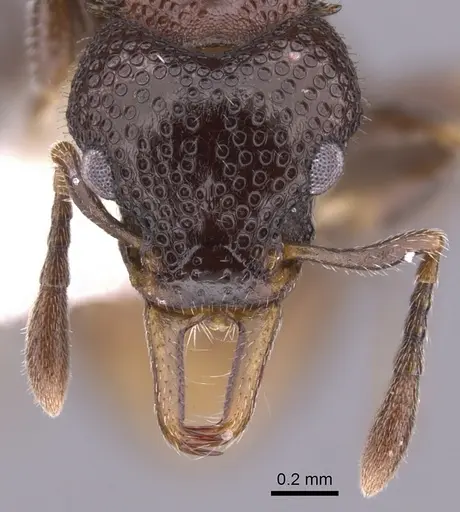
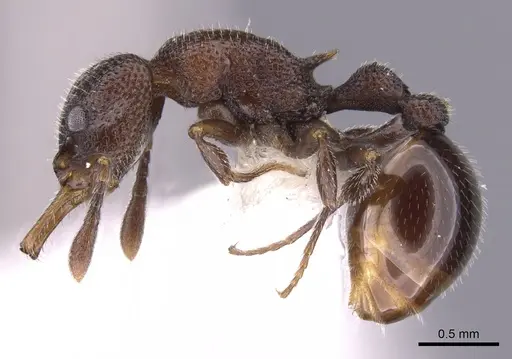
Epopostruma natalae is a small Australian ant measuring around 4.2mm in total length. Workers have a distinctive brown coloration with a uniformly colored gaster, and feature pronotal spines and petiolar teeth that extend outward beyond the petiole's lateral margins. This species belongs to the Dacetini tribe (sometimes called 'snake ants' due to their unusual morphology) and is one of the most commonly collected in its genus. It ranges from just south of Sydney through the Australian Capital Territory, Victoria, and northern Tasmania to near Adelaide, South Australia, living in various sclerophyll forest types and heath vegetation [1].
These ants are ground-nesting predators adapted to Australia's temperate regions. They nest under rocks, in soil at tree bases, and in leaf litter, making their home in dry to moderately damp conditions. Their unusual mandible structure suggests they are specialized predators, likely hunting small soil-dwelling arthropods like springtails and mites. This makes them an interesting species for antkeepers interested in observing predatory feeding behavior.
Quick Summary
- Difficulty: Medium
- Origin & Habitat: Southern and eastern Australia (Sydney region through ACT, Victoria, northern Tasmania to Adelaide). Found in dry sclerophyll, medium sclerophyll, wet sclerophyll, and low heath vegetation. Nests under rocks, in mossy clumps at tree bases, in soil, and leaf litter [1].
- Colony Type: Colony structure is unconfirmed. Based on typical Dacetini patterns, likely single-queen colonies with moderate worker counts.
- Size & Growth:
- Queen: Unconfirmed, estimated 5-6mm based on worker size and genus patterns
- Worker: 4.2mm total length (HL 0.93mm, HW 0.88mm) [1]
- Colony: Unknown, likely a few hundred workers based on related Dacetini species
- Growth: Moderate, estimated based on similar temperate Myrmicinae
- Development: Estimated 6-10 weeks at optimal temperature based on related Dacetini species (Development time is estimated, no direct studies found for this species. Temperature-dependent, likely slower in cooler conditions.)
- Antkeeping:
- Temperature: Keep at 18-24°C. A room-temperature range of 20-22°C works well for this temperate Australian species. Provide a gentle heating gradient if your room runs cooler.
- Humidity: Moderate humidity around 50-60%. These ants inhabit sclerophyll forests with seasonal dryness. Keep nest substrate lightly moist but allow it to dry partially between waterings. Provide a moisture gradient so ants can self-regulate.
- Diapause: Likely yes, temperate Australian species probably requires a mild winter rest period (around 10-15°C for 2-3 months). This is inferred from similar temperate Australian Myrmicinae.
- Nesting: Use a naturalistic setup with soil or a Y-tong/plaster nest with narrow chambers. They naturally nest under rocks and in soil, so a test tube setup works for founding. Provide moderate substrate depth and some cover/hiding spots.
- Behavior: Shy and non-aggressive. These are small predators that likely forage individually in leaf litter and soil, hunting small arthropods. They are not known to be escape artists but their small size means standard escape prevention (Fluon on edges) is recommended. Workers are docile and unlikely to sting, their main defense is hiding. They are most active during cooler parts of the day in their natural habitat.
- Common Issues: slow colony growth can frustrate beginners, Dacetini ants grow more slowly than typical house ants, predatory diet requirements mean they need live prey, failure to provide appropriate food is a common cause of colony failure, temperate species may struggle in heated homes without a winter rest period, small size makes them vulnerable to drowning in water reservoirs, use appropriate-sized water sources, wild-caught colonies may have parasites that are difficult to detect
Housing and Nest Setup
Epopostruma natalae does well in a naturalistic setup that mimics its natural sclerophyll forest habitat. A Y-tong (acrylic) nest with narrow chambers or a plaster nest with moisture chambers works well for established colonies. For founding colonies, a standard test tube setup with a cotton water reservoir is appropriate, fill the tube about 1/3 with water, push cotton tight to create a water chamber, and place the queen in the dry area. Cover the setup to create a dark, secure environment for the founding queen. Once workers emerge (after 6-10 weeks), you can transition to a formicarium if desired. These ants don't need large spaces, their small colony size means compact setups work fine. Add a layer of substrate (soil or sand mixture) in the outworld for foraging.
Feeding and Diet
As Dacetini ants, E. natalae are predators that hunt small arthropods. In captivity, their primary food should be live springtails, these are ideal because they're small, nutritious, and can be cultured continuously. Other accepted foods include small fruit flies, pinhead crickets, and tiny mealworms. Some keepers report success offering small pieces of mealworm or cricket, but live prey is preferred for optimal health. Sugar sources like honey water or sugar water may be accepted occasionally, but protein from prey is essential for brood development. Feed small amounts 2-3 times per week, removing any uneaten prey after 24 hours. The key is variety, rotating between different small prey items helps ensure balanced nutrition.
Temperature and Seasonal Care
As a temperate Australian species, E. natalae prefers temperatures in the 18-24°C range. Room temperature of 20-22°C is ideal for most of the year. During summer, ensure the colony isn't overheating, avoid direct sunlight and provide ventilation. In winter, a mild hibernation period is likely beneficial. Reduce temperature to 10-15°C for 2-3 months (roughly November-February in the Northern Hemisphere, or simply during the coldest months). This mimics their natural seasonal cycle in temperate Australia. During hibernation, reduce feeding to once every two weeks or stop entirely. Do not feed during the hibernation period as activity slows significantly. After hibernation, gradually warm the colony back to room temperature and resume normal feeding.
Behavior and Colony Dynamics
Epopostruma natalae workers are small, docile ants that forage individually rather than in large groups. They are not aggressive and will flee from threats rather than engage. Their small size (around 4.2mm) means they can be easily overlooked, but their interesting morphology makes them worth observing. Workers likely hunt alone, using their specialized mandibles to catch small soil arthropods. Colony size remains modest, probably reaching a few hundred workers at maturity rather than the thousands seen in some Myrmicinae. The colony will grow slowly but steadily if fed appropriately. Queens are founding workers alone (likely claustral), sealing themselves in a chamber until the first workers emerge. This founding period takes several weeks to a couple of months.
Frequently Asked Questions
How long does it take for Epopostruma natalae to produce first workers?
Expect first workers (nanitics) to emerge in approximately 6-10 weeks after the queen lays eggs, assuming optimal temperature around 20-22°C. This is an estimate based on related Dacetini species, as specific development data for E. natalae is not available. Growth is slower than many common ant species, so patience is required.
What do Epopostruma natalae ants eat?
They are predators that need live small arthropods. Springtails are the ideal food, they're small enough for these tiny ants to tackle and can be cultured at home. Other options include fruit flies, tiny crickets, and small mealworms. Occasional sugar water or honey may be accepted but should not be the primary food. Protein from prey is essential for brood development.
Are Epopostruma natalae good for beginners?
This species is rated as Medium difficulty. While not the hardest ant to keep, it requires more attention than beginner species like Lasius or Messor. You need to provide live prey regularly, maintain appropriate temperature, and likely provide a winter rest period. The slow growth rate can also test patience. If you're new to antkeeping, consider starting with a more common species first.
How big do Epopostruma natalae colonies get?
Colony size is estimated at 200-400 workers at maturity based on related Dacetini species. This is relatively small compared to many Myrmicinae. The colony grows slowly, taking many months to reach even 50 workers. They are not large, supercolony-forming ants.
Do Epopostruma natalae need hibernation?
Yes, a mild winter rest period is recommended. Reduce temperatures to 10-15°C for 2-3 months during winter. This mimics their natural seasonal cycle in temperate Australia. During hibernation, reduce or stop feeding entirely. After the rest period, gradually warm them back to room temperature.
Can I keep multiple Epopostruma natalae queens together?
This has not been documented. Based on typical Dacetini behavior, single-queen colonies are most likely. We do not recommend attempting to keep multiple unrelated queens together as they likely will fight. If you find a queen, house her alone for founding.
What temperature is best for Epopostruma natalae?
Keep them at 18-24°C, with 20-22°C being ideal. Room temperature in most homes works well. If your home is cool, use a heating cable on one side of the nest to create a gentle gradient. Avoid temperatures above 28°C or sudden temperature changes.
When should I move Epopostruma natalae to a formicarium?
Wait until the colony has at least 20-30 workers before transitioning from a test tube to a formicarium. The founding test tube can remain as a humid nest chamber even after moving to a formicarium, these ants often prefer to stay in the familiar setup. Make sure any new nest has appropriately sized chambers for their tiny workers.
Why is my Epopostruma natalae colony declining?
Common causes include: lack of live prey (they need protein), temperatures too cold or too hot, improper humidity (too wet or too dry), stress from too much disturbance, or parasites. Check each of these factors. Also ensure you're not overfeeding, excess prey can mold and cause health issues. If the colony is in a test tube, ensure the water chamber hasn't flooded.
References

This caresheet is licensed under CC BY-SA 4.0 .
CASENT0010815
View on AntWeb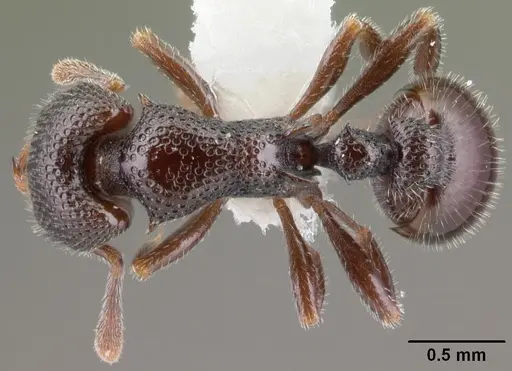
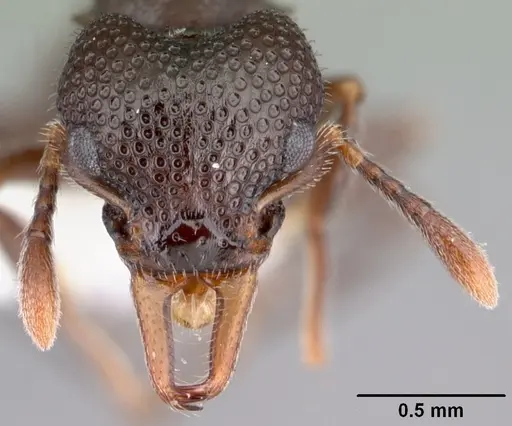
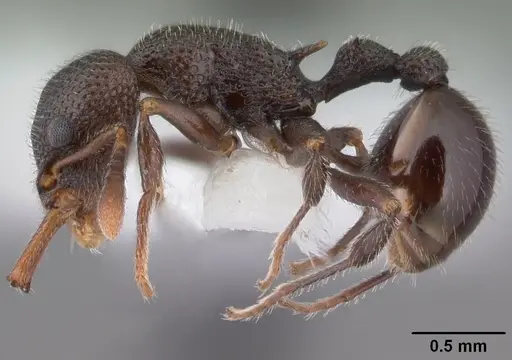
CASENT0900028
View on AntWeb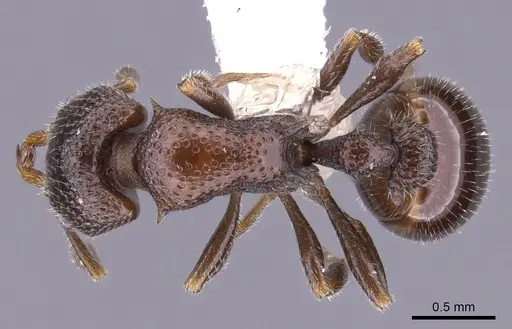
Literature
Loading...Loading products...