

Epelysidris brocha
- Scientific Name
- Epelysidris brocha
- Tribe
- Solenopsidini
- Subfamily
- Myrmicinae
- Author
- Bolton, 1987
- Distribution
- Found in 1 countries
Epelysidris brocha Overview
Epelysidris brocha is an ant species of the genus Epelysidris. It is primarily documented in 1 countries , including Malaysia. Detailed taxonomic data and occurrence records can be further explored via authoritative databases such as AntWeb or the Global Biodiversity Information Facility (GBIF).
Epelysidris brocha
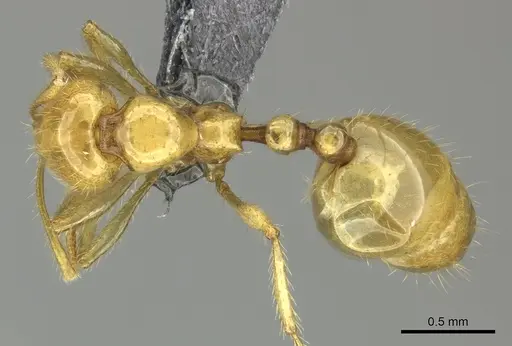
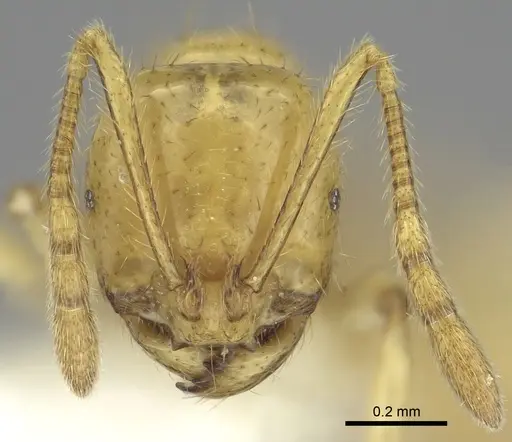
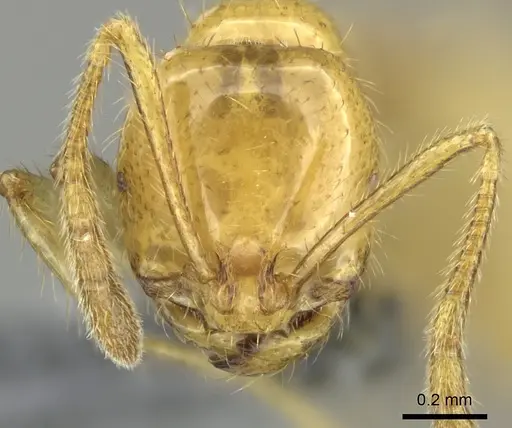
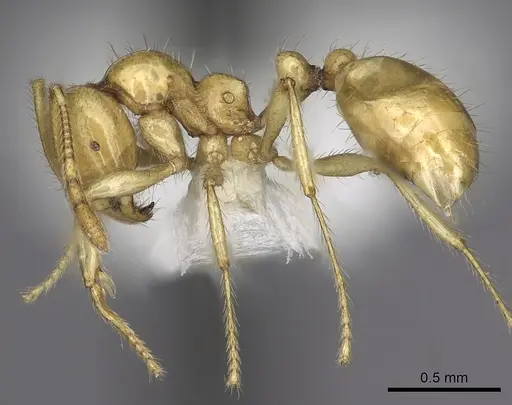
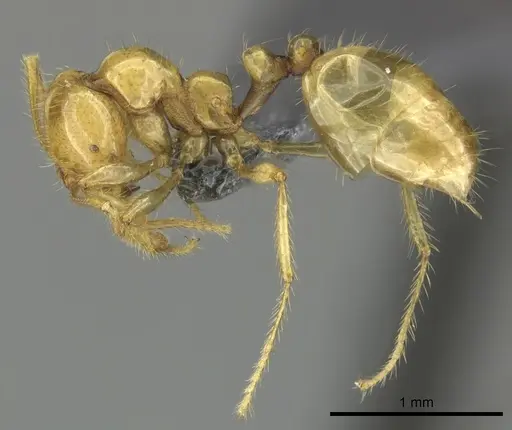
Epelysidris brocha is a tiny, pale yellow myrmicine ant native to the Indomalayan region, including Borneo and West Java. Workers measure just 3.7-4.0mm and are easily recognized by their unique mandible structure, they have a remarkable pair of lobes on the basal border of each mandible, a feature found in no other genus in the Solenopsis-group. This monotypic genus (containing only this one species) was originally described as Epelysidris brocha before being moved to its own genus in 2014-2015. What makes this species truly remarkable is its colony structure, instead of typical winged queens, they have ergatoid (wingless) queens that mate within the colony, and colonies can contain multiple reproductive queens working together [1].
Quick Summary
- Difficulty: Unknown, likely Expert
- Origin & Habitat: Indomalayan region (Borneo, Indonesia, Malaysia) in moss forests and tropical rainforests at elevations around 240-1200m. Found underground in hard soil on the forest floor [1][2].
- Colony Type: Polygynous (multi-queen) colonies with ergatoid (wingless) queens. Colonies contain approximately 20 ergatoid queens that can all reproduce, with the smallest caste dimorphism known in Monomorium-related species [1].
- Colony: Polygyne
- Size & Growth:
- Queen: Ergatoid queens: head width ~0.73mm (estimated from worker measurements of 3.7-4.0mm) [1]
- Worker: 3.7-4.0mm total length, head width 0.62-0.64mm
- Colony: At least 220+ workers in wild colonies, likely larger [1]
- Growth: Unknown
- Development: Unknown, no direct data available (Development timeline has not been studied. Related Monomorium species typically develop in 4-8 weeks at warm temperatures.)
- Antkeeping:
- Temperature: Likely needs warm, stable conditions similar to tropical forest floor. Based on related species and their West Java origin (near equator, sea level to 240m), aim for 24-28°C. No direct thermal data available [1].
- Humidity: Requires high humidity, they live underground in forest floor soil. Keep nest substrate consistently moist but not waterlogged. Their natural habitat is the damp understory of tropical rainforests [1][2].
- Diapause: Unknown, being a tropical species from low elevation Java, they likely do not require a diapause period. However, this has not been confirmed.
- Nesting: Strictly subterranean, in nature they nest in soil under moss and rocks on the forest floor. A naturalistic setup with moist substrate or a Y-tong/plaster nest with tight chambers works well. They are tiny and may escape through standard mesh, use fine mesh barriers.
- Behavior: This is a shy, subterranean species that avoids light. Workers are small and pale yellow, with unusually large compound eyes for soil-dwelling ants (an adaptation for their ergatoid queens). They showed no aggression in laboratory conditions and did not display dominance behaviors between queens [1]. Workers readily accepted honey water, dead arthropods (termites, mealworms, crickets), and sweet cookie particles in captivity. Escape prevention is critical due to their tiny size, they can slip through standard ant keeping barriers. They do not sting and are completely harmless to humans.
- Common Issues: this species has never been kept in captivity, all care recommendations are extrapolated from related species and field observations, their ergatoid queen system means you cannot collect dealate queens from nuptial flights, colonies must be acquired as established fragments, tiny size makes escape prevention challenging, standard test tube setups may need fine mesh barriers, virtually nothing is known about their development timeline, making colony management uncertain, as a strictly subterranean species, they are extremely light-sensitive and may refuse to forage in exposed setups
Understanding Ergatoid Queens
Epelysidris brocha is one of the few ant species where the queens are permanently wingless, these are called ergatoid queens. Unlike typical ants where queens disperse on mating flights, ergatoid queens never leave the nest to fly. Instead, they mate with males inside the colony (intracolonial mating), and new queens likely disperse on foot or simply establish new nests near the parent colony [1]. In the studied colony fragment, researchers found approximately 20 ergatoid queens, all of which had mated and could potentially lay eggs. The queens can be distinguished from workers by their larger size, much larger compound eyes, a suture between the pronotum and mesonotum (which workers lack), and the presence of two degenerated ocelli (workers have none) [1]. This means you cannot start a colony from a single dealate queen as with most ant species, you would need to acquire an established colony fragment containing ergatoid queens.
Subterranean Lifestyle
This is a truly subterranean ant species, they live almost entirely underground and are rarely found on the surface. Research shows they were only captured using subterranean baits placed below the soil surface, not in standard ant surveys [2]. In their natural habitat of West Java and Borneo rainforests, they nest in hard soil on the forest floor, often under moss and rocks. Their pale yellow coloration is typical of cave-dwelling and subterranean organisms that have reduced pigment due to living in constant darkness. In captivity, you should expect them to be extremely light-shy and to remain hidden in their nest chambers most of the time. Provide a dark, humid environment with minimal disturbance. The workers do have relatively large eyes for soil-dwelling ants, an interesting adaptation possibly related to their ergatoid queen system [1].
Feeding and Diet
In laboratory conditions, Epelysidris brocha workers accepted a variety of foods including honey water, dead termites, mealworms, crickets, and particles of sweet cookies [1]. This suggests they are generalist scavengers/predators, similar to related Monomorium species. Based on this limited data, you should offer sugar sources (honey water, sugar water) as a constant energy source, along with small protein sources like fruit flies, pinhead crickets, or mealworm pieces. Being subterranean, they may be more inclined to scavenge dead prey rather than hunt live prey. Feed protein 2-3 times per week and keep sugar water available at all times. Remove uneaten food promptly to prevent mold in the humid nest environment.
Colony Structure and Reproduction
This species exhibits polygyny with multiple ergatoid queens per colony, and shows the smallest caste dimorphism (size difference between queens and workers) of any known Monomorium-related species [1]. The ergatoid queens varied considerably in their reproductive status, some had well-developed ovaries with many eggs, while others showed little ovarian development despite being mated. Interestingly, researchers observed queens holding eggs in their mandibles and carrying them around the nest chamber, a behavior that may help protect the eggs from other queens who might try to take them. No clear dominance hierarchy was observed among the ergatoid queens, suggesting a more egalitarian reproductive system than typical ant colonies [1]. Males in the colony were wingless (like the queens) and likely emerged from unfertilized eggs.
Frequently Asked Questions
Can I keep Epelysidris brocha in a test tube?
Yes, a test tube setup can work, but you must use excellent escape prevention. These ants are extremely tiny (under 4mm) and can slip through standard barriers. Use fine mesh on any ventilation holes and consider applying a Fluon barrier. Keep the tube in darkness and minimize disturbances since they are subterranean and light-sensitive.
How do I start an Epelysidris brocha colony?
This is challenging since they have ergatoid (wingless) queens that mate within the colony. Unlike most ants, you cannot catch a dealate queen from a nuptial flight. You would need to acquire an established colony fragment containing ergatoid queens. This species has never been documented in the antkeeping hobby, so captive breeding is extremely unlikely at this time.
How long does it take for Epelysidris brocha to develop from egg to worker?
This is unknown, no research has documented their development timeline. Based on related Monomorium species, expect approximately 4-8 weeks from egg to worker at optimal warm temperatures (around 26°C). Their development may be slower due to their subterranean, cave-like lifestyle.
Are Epelysidris brocha good for beginners?
No. This species is not recommended for beginners and may be impossible to keep in captivity. They have never been documented in the antkeeping hobby, require specific subterranean conditions, have unknown development timelines, and cannot be started from typical queen captures. This is an expert-level species that requires specialized knowledge and access to wild colony fragments.
What do Epelysidris brocha eat?
Based on laboratory observations, they accept honey water/sugar water and small dead arthropods like termites, mealworms, and crickets. They are generalist scavengers. Offer sugar water constantly and protein prey 2-3 times per week. Remove uneaten food promptly.
Do Epelysidris brocha need hibernation?
Probably not. Being from tropical West Java (near the equator at low elevation), they likely do not require a diapause period. However, this has not been confirmed. If you keep them, maintain warm temperatures year-round rather than simulating winter.
Why are my Epelysidris brocha dying?
Without captive husbandry data, we cannot identify specific problems. However, likely causes include: too much light (they are extremely subterranean), incorrect humidity (too dry or waterlogged), temperature stress (outside 24-28°C range), or escape through tiny gaps. This species has never been kept in captivity, so significant trial and error should be expected.
Can I keep multiple ergatoid queens together?
Yes, this is natural for the species. Epelysidris brocha is polygynous, colonies naturally contain multiple ergatoid queens that all reproduce. In fact, you would need multiple queens to have a functional colony. However, combining unrelated queens from different colonies is not recommended as aggression may occur.
What is the best nest type for Epelysidris brocha?
A naturalistic setup with moist soil or a Y-tong/plaster nest with tight, small chambers scaled to their tiny size. They are strictly subterranean and require darkness and high humidity. Avoid exposed setups or clear nests that let in light. Keep the nest consistently moist but not flooded.
References

This caresheet is licensed under CC BY-SA 4.0 .
CASENT0102361
View on AntWeb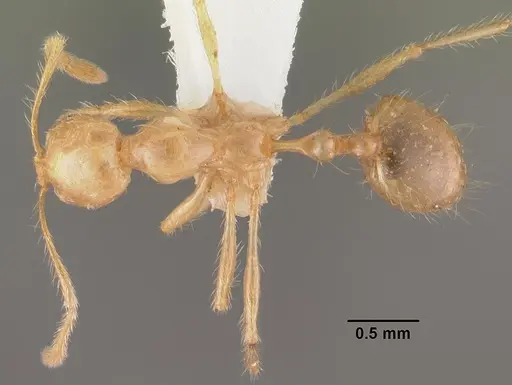
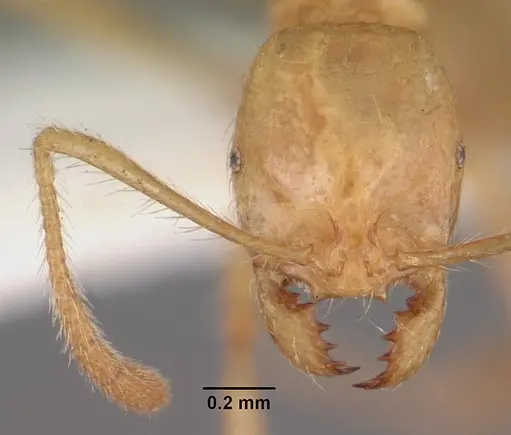
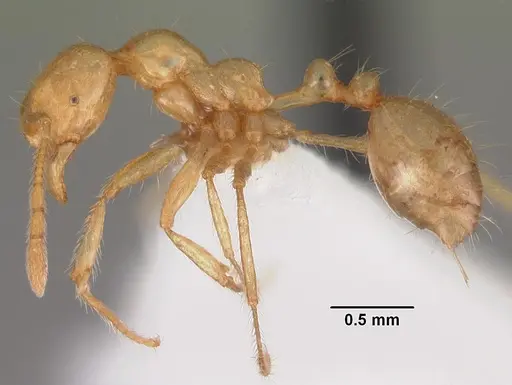
CASENT0616568
View on AntWeb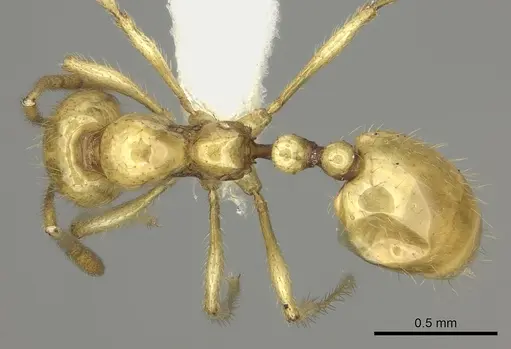
Literature
Loading...Loading products...